Electronic Radon Detector: What Homeowners Know
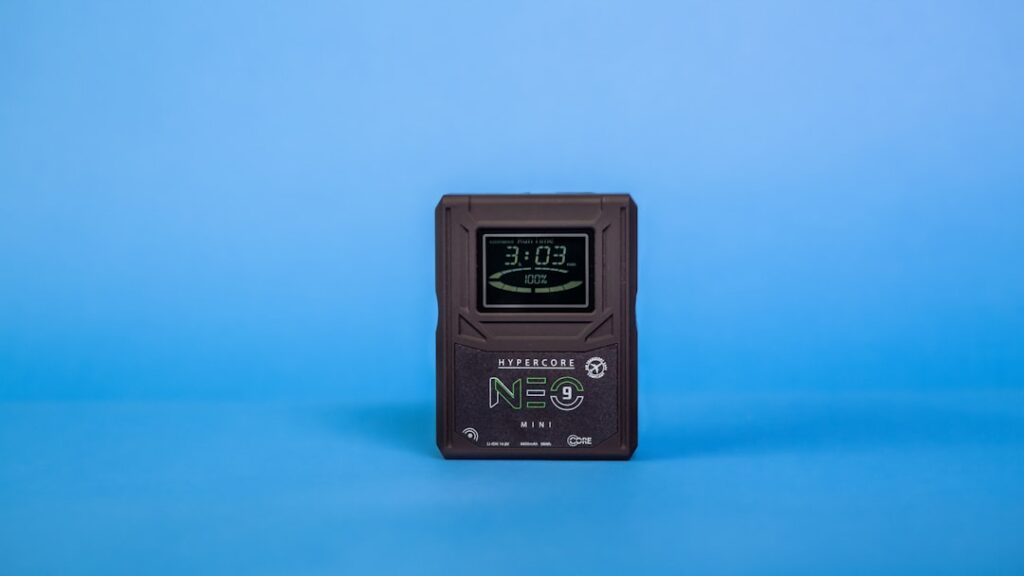
Homeowners who want ongoing visibility into their indoor air increasingly choose an electronic radon detector over the older charcoal-canister approach. These digital monitors display radon levels continuously, letting you watch how concentrations change day to day rather than waiting for a lab to mail back a single number. For Colorado Front Range residents, where radon levels run high, that continuous feedback is genuinely useful. This guide explains how electronic detectors work, how accurate they are, and how to use one well. The information summarizes EPA and Colorado state guidance current as of 2026 for general education; consult a certified professional for mitigation decisions.
What is an electronic radon detector?
An electronic radon detector is a powered device that continuously samples indoor air and displays radon concentrations on a digital screen, typically in picocuries per liter. Unlike single-use charcoal kits that you expose and mail to a lab, these detectors measure on an ongoing basis and update their readings over time.
Most consumer models show a short-term average alongside a longer-term average, since radon fluctuates with weather, season, and how the home is operated. The continuous display lets homeowners see trends, spot spikes, and confirm whether a mitigation system is working. The Colorado radon testing hub explains why ongoing awareness matters in a high-radon state.
How do electronic radon detectors work?
Consumer electronic detectors generally use one of two sensing technologies. Some use an ionization chamber, where radon decay inside a small chamber produces electrical signals the device counts. Others use a silicon photodiode or similar solid-state sensor that detects the alpha particles radon and its progeny emit.
The device converts those detections into a concentration estimate and averages readings over rolling periods. Because radon levels swing widely hour to hour, a meaningful number requires time. That is why most detectors need at least a couple of days to settle into a reliable short-term reading and longer to establish a dependable long-term average.
How accurate are consumer electronic detectors?
Quality electronic detectors can be reasonably accurate, but accuracy varies by model and improves with averaging time. The EPA notes that radon measurement is inherently variable, so a single instantaneous reading means little; the value comes from sustained averaging. Reputable consumer monitors publish accuracy specifications and the time needed to reach them.
For a formal result, such as a real estate transaction, a continuous radon monitor used by a certified measurement professional, or a lab-analyzed test, carries more weight than a consumer device. Consumer detectors are excellent for ongoing awareness and trend-watching, while official decisions often call for professional-grade measurement. The guide on a radon house test explains how to test for a transaction.
Electronic detectors versus charcoal and alpha-track kits
Each testing method has a niche. Charcoal canisters and alpha-track kits are inexpensive, one-time tests you send to a lab. Charcoal kits give a short-term snapshot; alpha-track kits, exposed for months, give a long-term average. Both deliver a single number after lab analysis.
Electronic detectors cost more upfront but provide repeated readings indefinitely without lab fees. For a homeowner who wants to monitor over years, verify a mitigation system, or watch seasonal changes, the reusable electronic detector pays off. For a single decision point, a kit may suffice. Many Colorado homeowners use a kit to establish a baseline, then an electronic monitor for ongoing peace of mind. The guide to radon detectors for home compares options in more depth.
Why electronic detectors suit Colorado homes
Colorado has some of the highest radon potential in the country. State data and EPA mapping place much of the Front Range, including Denver, Boulder, Douglas, El Paso, and Jefferson counties, in elevated-radon zones. Many homes here test above the EPA action level of 4 picocuries per liter.
Because radon varies with Colorado’s seasonal heating and ventilation patterns, a continuous detector helps homeowners understand their real exposure across the year rather than from a single winter test. After installing a mitigation system, an electronic monitor confirms the system keeps levels down through changing conditions. That ongoing verification is especially valuable in a region where elevated radon is common rather than rare.
Where and how to place the detector
Placement follows the same logic as any radon test. Position the detector in the lowest livable level of the home, such as a basement or first-floor living area that gets regular use, at least a couple of feet off the floor and away from drafts, exterior walls, windows, and heat sources.
Keep it clear of high-humidity spots and direct airflow from vents, since those can skew readings. During an initial measurement, the EPA advises closed-house conditions, keeping windows and exterior doors shut except for normal use, for short-term testing. For ongoing monitoring, place the detector where the household spends the most time so the readings reflect real exposure.
Calibration and maintenance
Electronic detectors can drift over time, so check the manufacturer’s guidance on calibration intervals. Some models self-calibrate, while others recommend periodic factory recalibration to maintain accuracy. Keep the sensor area clean and the device powered as directed.
Follow the manufacturer’s instructions on warm-up time and how long to wait before trusting a reading. Treat the first day or two of data as the device settling rather than a definitive result. Reliable long-term averages, not momentary spikes, are what should drive any decision about mitigation.
Reading short-term versus long-term averages
Most electronic detectors display two numbers: a short-term average covering recent days and a long-term average building over weeks and months. Understanding the difference prevents overreaction. The short-term figure responds quickly to changing conditions, so it can spike after a storm or when the home is sealed up tight, then settle.
The long-term average is the more meaningful number for assessing risk, because radon exposure accumulates over years. A single high day matters less than a sustained elevated average. When deciding whether to mitigate, the EPA’s action level applies to a representative average rather than a momentary peak. Watching both numbers together gives the fullest picture: the short-term reading flags changes, while the long-term average reflects true exposure.
Smart features and connectivity
Many electronic radon detectors now connect to a smartphone app or smart-home platform, adding useful capabilities. App connectivity lets you view trends over time, receive alerts when levels cross a threshold you set, and export data. For homeowners who want to track radon without checking a screen daily, push notifications provide hands-off awareness.
Some models also report temperature, humidity, and air pressure alongside radon, which helps explain why levels rise or fall. These extras are convenient rather than essential. The core value remains accurate radon measurement over time, so prioritize a detector’s measurement quality over its feature list. A connected detector that measures poorly is less useful than a simpler one that measures well.
Limitations homeowners should understand
Electronic detectors are powerful tools, but they have limits worth knowing. Their readings reflect only the location where the device sits, so a basement monitor may show different levels than an upstairs bedroom. For a whole-home picture, the lowest livable level is the standard placement, but radon can vary between rooms.
Consumer detectors also generally carry less formal weight than professional measurement for real estate transactions, where a tamper-resistant continuous monitor or lab test is preferred. And like any sensor, they can drift over time without calibration. Treating an electronic detector as an excellent ongoing-awareness tool, while turning to professional testing for formal decisions, gets the most value from it without overstating what it can do.
What to do if your detector shows high radon
If the long-term average stays at or above 4 picocuries per liter, the EPA recommends taking action, and even levels between 2 and 4 may warrant consideration. A high consumer-detector reading is a strong signal to confirm with a follow-up test and consult a certified radon professional about mitigation.
Mitigation typically involves a sub-slab depressurization system that vents radon from beneath the foundation to the outdoors. After installation, your electronic detector becomes a long-term watchdog, confirming the system holds levels down. The guide on how radon mitigation works explains the process.
Setting up your detector for the first time
Getting accurate data starts with a proper setup. After unboxing an electronic detector, place it in the lowest livable level of the home, away from drafts and humidity, and power it according to the instructions. Most devices need a warm-up period, often a day or two, before their readings stabilize, so resist the urge to judge the home based on the first few hours.
During an initial measurement, follow closed-house conditions just as you would for a kit: keep windows and exterior doors closed except for normal use. Note the model’s stated time to reach a reliable short-term reading, and plan to leave the device in place long enough to build a meaningful long-term average. A careful setup is what separates trustworthy data from misleading early numbers, and it sets the baseline against which all later readings are compared.
Using readings to track seasonal patterns
One of the strongest advantages of a continuous detector is revealing how radon shifts through the year. Along the Front Range, radon tends to rise during the long heating season, when homes are sealed against the cold and the warm interior draws soil gas inward. A detector left in place across seasons captures these swings that a single short-term test would miss.
Watching these patterns helps homeowners understand their real exposure rather than relying on a single snapshot that might have landed during a low or high period. If readings climb every winter, that pattern informs whether mitigation is warranted and confirms a system’s performance through the toughest conditions. The seasonal record an electronic detector builds is genuinely useful in a climate like Colorado’s, where heating-season behavior drives much of the year’s radon exposure.
Battery versus plug-in detectors
Electronic radon detectors come in battery-powered and plug-in versions, each with practical trade-offs. Battery models offer placement flexibility, since they do not need an outlet, making them easy to move between rooms or position in a basement spot without nearby power. The downside is the need to replace or recharge batteries periodically.
Plug-in models run continuously without battery concerns, ideal for a permanent monitoring location, but they tie the device to an outlet. Some monitors combine both, running on power with battery backup. For ongoing monitoring in a fixed location, a plug-in model is convenient; for flexible testing across rooms, a battery model wins. Either works well for Front Range homeowners as long as the device stays powered consistently so its averaging remains uninterrupted.
When to confirm with professional testing
Consumer electronic detectors are excellent for awareness, but certain moments call for professional or lab-grade confirmation. Real estate transactions are the clearest example: buyers and sellers generally need a tamper-resistant continuous monitor placed by a measurement professional, or a lab-analyzed test, because the result drives negotiation and must be defensible.
Confirmation testing also makes sense when a consumer detector shows a borderline or alarming long-term average and you are deciding whether to invest in mitigation. A second, independent measurement guards against a single device’s error. After mitigation, a professional post-installation test documents that the system achieved the target level, while the electronic detector then monitors ongoing performance. Pairing consumer monitoring with professional testing at key decision points gets the strengths of both.
References
- A Citizen’s Guide to Radon — U.S. Environmental Protection Agency
- Radon in Colorado — Colorado Department of Public Health and Environment
- Radon and Lung Health — American Lung Association
Front Range homeowners who see elevated readings and want help confirming or fixing them can connect with a vetted local radon professional through our contact page.
Continuous radon detectors
A digital monitor gives you an always-on reading and a long-term average — better than a one-shot kit if you want to track levels over time.
| Product | Why | Buy |
|---|---|---|
 Airthings Corentium Home Airthings Corentium Home | Battery, portable; trusted long-term average. | Amazon — $149.99 |
 Ecosense RadonEye RD200 Ecosense RadonEye RD200 | Fast first reading (~1 hr); app logging. | Amazon — $160.54 |
 Airthings View Plus Airthings View Plus | Radon + CO2 + PM + VOC in one unit. | Amazon — $279.99 |