AC Compressor: Failure Signs, Hard Starts and Repair vs Replace
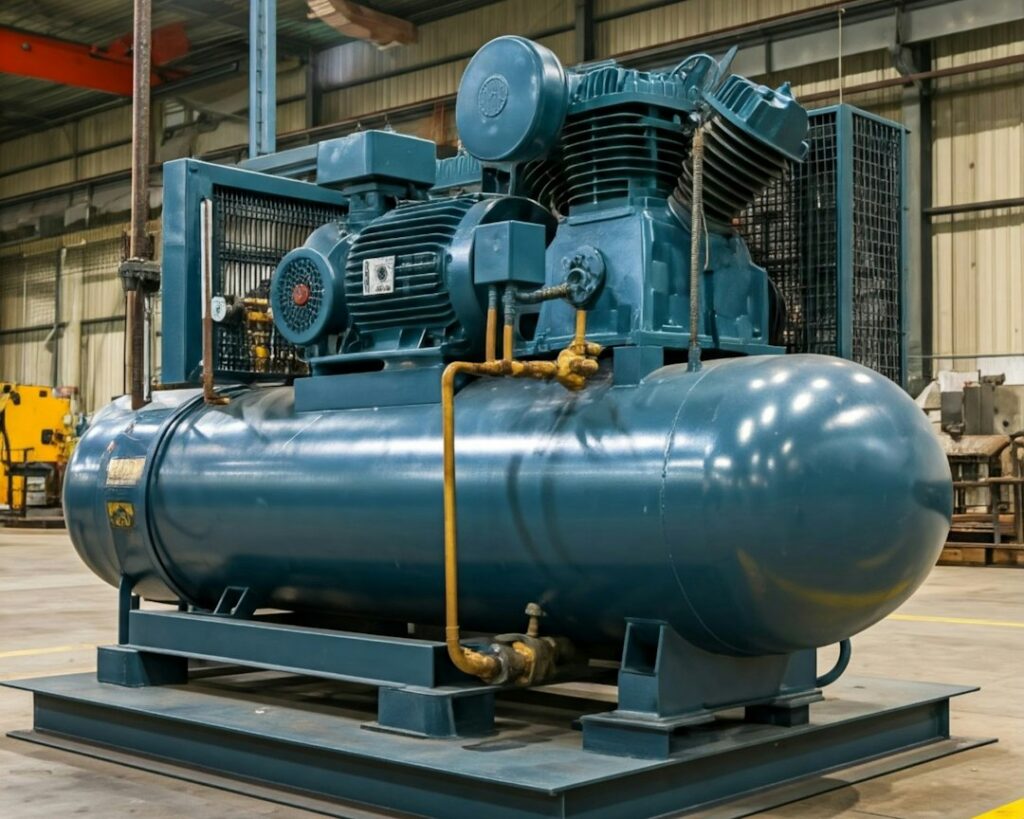
When a central air conditioner stops cooling on a July afternoon, the compressor tends to get the blame first. It is the most expensive part of the outdoor unit, and a failed one often pushes owners toward replacing the whole system. Yet many “dead compressor” calls turn out to be a failed capacitor, a burned contactor, a tripped breaker or a refrigerant problem. Understanding how the ac compressor works, what failure looks like and which cheaper parts mimic it helps homeowners ask better questions and avoid paying for a major repair that was not needed. This guide covers common failure signs, the electrical parts technicians check first, hard-start kits, the federal rules on refrigerant handling, R-22 systems, heat pumps, repair-versus-replace decisions and typical cost ranges for Front Range homes.
Part of our Heating, Cooling & Ventilation guide — start there for the full picture →
What the AC Compressor Does
A split-system central air conditioner moves heat from inside the house to the outdoors using refrigerant that circulates in a closed loop. The compressor sits inside the outdoor condensing unit and is the pump that drives that loop. It takes in low-pressure refrigerant vapor returning from the indoor evaporator coil, compresses it into a hot, high-pressure gas and pushes it into the outdoor condenser coil, where the condenser fan blows air across the coil and heat is rejected outside. The refrigerant then passes through a metering device, drops in pressure and absorbs heat again at the indoor coil.
Most residential compressors are hermetically sealed: the motor and pump are welded inside a steel shell and cannot be opened for repair in the field. When the internal motor windings or mechanical parts fail, the compressor is replaced, not rebuilt. That is why the diagnosis matters so much. The components around the compressor, including the capacitor, contactor, wiring, fan motor and controls, are serviceable and far less expensive.
Residential compressors come in several designs, including reciprocating and scroll compressors, and newer high-efficiency systems may use two-stage or variable-speed (inverter-driven) compressors. Variable-speed designs ramp up and down rather than cycling fully on and off, which affects both comfort and the way failures show up, since they rely on electronic drive boards in addition to the compressor itself.
Signs an AC Compressor May Be Failing
No single symptom proves the compressor is bad. Each of the following can point toward it, but each also has other common causes that a technician will rule out.
The outdoor unit will not start
The thermostat calls for cooling, the indoor blower runs, but the outdoor unit is silent. This is one of the most common service calls, and the compressor is rarely the first suspect. Tripped breakers, blown disconnect fuses, a failed contactor, a bad thermostat wire, a safety switch or a failed capacitor can all leave the outdoor unit dead.
Humming without starting
A hum or buzz from the outdoor unit while the fan does not spin or the compressor does not kick on often indicates that power is reaching the unit but a motor cannot start. A weak or failed start/run capacitor is a classic cause. A compressor with a seized pump or shorted windings can produce a similar sound. Our guide to an AC fan not spinning walks through the fan-side version of this symptom.
Tripping the breaker
A compressor that draws excessive current at startup or while running can trip its breaker repeatedly. Causes range from a shorted or grounded compressor winding to a struggling compressor fighting high head pressure caused by a dirty condenser coil or failed condenser fan. Resetting a breaker repeatedly is not a fix; a breaker that keeps tripping is a signal to stop and have the system diagnosed.
Running but blowing warm air
If the outdoor fan runs but the air coming from the registers is not cool, the compressor may not be running, may be running but not pumping effectively, or the system may be low on refrigerant. A frozen indoor coil, a badly clogged filter and dirty coils can also produce weak cooling. Ice on the refrigerant lines is a separate clue covered in our guide to an AC freezing up.
Short cycling, noise and other clues
- Short cycling. The compressor starts, runs briefly and shuts off, sometimes on an internal thermal overload. Causes include overheating, electrical problems, refrigerant charge issues and oversized equipment.
- Unusual noises. Rattling, clanking, grinding or loud knocking at startup can indicate internal mechanical wear or loose mounting.
- Oil stains around the outdoor unit. Refrigerant oil at fittings or around the compressor can indicate a leak.
- Higher electric bills. A compressor that is losing efficiency runs longer to meet the same load, though bills rise for many other reasons.
Check the Capacitor and Contactor First
Technicians generally test the inexpensive electrical parts before condemning a compressor, and homeowners should expect that sequence on any service invoice.
Capacitors
The run capacitor (often a dual capacitor that serves both the compressor and the condenser fan) provides the electrical boost motors need to start and run efficiently. Capacitors degrade with heat and age, and Front Range summers with intense afternoon sun on a south- or west-facing condenser are hard on them. A failed capacitor can leave the compressor humming, the fan not spinning, or both. Bulging or leaking capacitor cases are a visible sign, though a capacitor can fail without any visible change. Capacitor replacement is typically one of the less expensive AC repairs. Our guide to the AC capacitor covers testing and replacement in more detail.
Contactors
The contactor is the relay that switches high-voltage power to the compressor and fan when the thermostat calls for cooling. Over time the contacts can pit, burn or weld together. A contactor stuck open leaves the outdoor unit dead; one welded closed can keep the outdoor unit running even after the thermostat is satisfied. Insects and debris lodged in the contactor are another familiar cause of no-start calls. Our guide to the AC contactor explains the symptoms in more depth.
Capacitor and contactor work involves high voltage and stored electrical charge. Capacitors can hold a charge even with power off. This is work for a qualified HVAC technician or electrician, not a homeowner with a screwdriver.
Hard-Start Kits
A hard-start kit is an add-on device, usually a start capacitor paired with a relay or an electronic control, that gives the compressor an extra jolt of starting torque. It is commonly offered for compressors that struggle to start, particularly older units, systems with long refrigerant line runs, or homes where voltage sags at startup.
Hard-start kits have legitimate uses. Some equipment manufacturers specify them for certain installations, and they can reduce light flicker and nuisance trips on a compressor that is mechanically sound but slow to start. They are also sometimes used to buy time on a compressor that is nearing the end of its life. A hard-start kit does not repair worn bearings, damaged valves or shorted windings, and a technician recommending one should be able to explain why the compressor is having trouble starting in the first place.
Refrigerant Problems and EPA Section 608
Low refrigerant is often blamed on a compressor problem, and vice versa. In a sealed system, refrigerant is not consumed; if the charge is low, there is a leak. Running a system with a low charge can cause the indoor coil to freeze, reduce cooling and, over time, contribute to compressor overheating because the compressor relies on returning refrigerant for cooling.
Federal rules govern who can work on that refrigerant. According to the U.S. Environmental Protection Agency, Section 608 of the Clean Air Act establishes the National Recycling and Emission Reduction Program and prohibits individuals from intentionally venting ozone-depleting refrigerants and their substitutes, such as HFCs, while maintaining, servicing, repairing or disposing of air conditioning or refrigeration equipment.
EPA’s certification requirements state that technicians who maintain, service, repair or dispose of equipment that could release refrigerants must be certified, and that certification requires passing an EPA-approved test administered by an EPA-approved certifying organization. EPA’s definition of a technician includes anyone who attaches and detaches hoses and gauges to measure pressure within an appliance, or adds or removes refrigerant. EPA has four certification types, covering small appliances, high-pressure equipment, low-pressure equipment and universal certification for all types.
In practice, that means homeowners should not be connecting gauges or adding refrigerant themselves, and anyone doing that work on a home system should be able to show Section 608 certification. A technician who simply adds refrigerant every summer without looking for the leak is treating the symptom. Compressor replacement also requires recovering the refrigerant, replacing the compressor, typically replacing the filter-drier, evacuating the system and recharging it, all of which falls under these rules.
R-22 Systems and the Refrigerant Phaseout
Many older Front Range homes still have air conditioners charged with HCFC-22, commonly called R-22. EPA’s HCFC phaseout page explains that HCFC-22 was historically used as a refrigerant in applications including unitary air conditioners, and that EPA focused first on HCFC-22 and a few other HCFCs because they have the highest ozone depletion potentials of all HCFCs. Under the phaseout schedule EPA describes, production and import of HCFC-22 were prohibited starting in 2010 except for use in equipment manufactured before January 1, 2010, and from 2020 production and import of HCFC-22 ended.
For a homeowner with an R-22 system and a failing compressor, that history matters:
- Refrigerant supply. Servicing now depends on recovered, recycled or reclaimed refrigerant, which tends to make recharging an R-22 system relatively expensive.
- Age. R-22 systems were generally manufactured before 2010, so they are typically well into their second decade. A new compressor in an old system leaves the coils, fan motor, controls and indoor equipment as old as they were.
- Efficiency. Older systems are generally less efficient than current equipment, so a replacement can lower operating costs over time.
Taken together, those factors often push an R-22 compressor failure toward full system replacement rather than repair. That is a judgment call that depends on the condition of the rest of the system, but buyers looking at an older home should know which refrigerant the outdoor unit uses. The data plate on the condenser usually lists it.
Heat Pumps Use Compressors Too
A heat pump is an air conditioner that can run in reverse. In heating mode, the same compressor moves heat from outdoor air into the house. That means a heat pump compressor works in both summer and winter, logging considerably more run hours than a cooling-only compressor. Cold-climate heat pumps designed for Front Range winters can extract heat at low outdoor temperatures, often with variable-speed compressors.
When a heat pump compressor fails, the house may lose both cooling and primary heat, falling back on electric resistance backup or a gas furnace in a dual-fuel setup. The repair-versus-replace math is similar to a central AC, but year-round use and higher equipment costs change the numbers. Our comparison of a heat pump vs furnace explains how the two systems differ.
Compressor Replacement vs Whole-System Replacement
Once a technician has confirmed that the compressor itself has failed, the decision usually comes down to a few questions:
- How old is the system? A compressor failure in a relatively young system, especially one still under the manufacturer’s parts warranty, often makes repair the clear choice. A failure in an older system shifts the balance toward replacement.
- What refrigerant does it use? R-22 systems face the supply and age issues described above.
- What condition are the coils, fan motor and indoor unit in? A new compressor attached to a corroded, leaking coil may not last.
- Was the system properly sized and installed? Short cycling from an oversized unit, long or undersized line sets and poor airflow can shorten compressor life, and a replacement compressor faces the same conditions.
- Why did the compressor fail? Burnouts caused by electrical problems or contamination can leave acid and debris in the lines that must be cleaned up so the new compressor does not suffer the same fate.
Many contractors use rough rules of thumb that weigh the repair cost against the system’s age and the cost of a new system. Those are starting points, not rules. Asking for both a repair quote and a replacement quote, with the reasoning written down, makes the comparison concrete. Our guides to air conditioner repair and AC installation cover what each path typically involves.
Typical Costs
Prices vary widely with equipment brand, tonnage, refrigerant type, accessibility, warranty status and the season. The following are general 2026 ranges, not quotes:
- Diagnostic visit: commonly about $80 to $200, sometimes credited toward the repair.
- Capacitor replacement: often roughly $120 to $400 installed.
- Contactor replacement: often roughly $150 to $450 installed.
- Hard-start kit: often roughly $150 to $450 installed.
- Leak search and repair: highly variable, from a few hundred dollars for an accessible fitting to considerably more for a coil leak.
- Compressor replacement: frequently in the range of roughly $1,500 to $3,500 or more, including the compressor, refrigerant recovery, evacuation and recharge. Warranty coverage on the part can reduce this, but labor is usually still charged.
- Full central AC replacement: commonly several thousand dollars and often $6,000 to $12,000 or more depending on size, efficiency and whether the furnace or air handler is replaced too.
Compressor warranties are worth checking. Manufacturer parts warranties often require registration and usually exclude labor and refrigerant.
What a Home Inspection Covers
During a home purchase, the inspector evaluates the cooling system as installed. The ASHI Standard of Practice requires inspectors to open readily openable access panels, inspect central and permanently installed cooling equipment and distribution systems, and describe the energy source and cooling system. ASHI does not require the inspector to determine cooling supply adequacy or distribution balance.
In practice, inspectors typically run the system when outdoor temperatures allow, note the age from the data plate, check that the outdoor unit is level and clear of vegetation, look at refrigerant line insulation, check the condensate drainage and measure the temperature difference between supply and return air. Many inspectors will not run an air conditioner when it is cold outside, because operating a compressor in low temperatures can damage it. Buyers closing in winter may receive a note that the system could not be tested.
An inspector cannot open the sealed refrigerant circuit or confirm the internal condition of the compressor. A noisy start, warm air, an R-22 data plate or a very old unit usually leads to a recommendation for evaluation by an HVAC contractor before closing. The heating and cooling inspection section covers what inspectors evaluate on HVAC equipment, and the main guide to hiring a home inspector explains how to pick an inspector and what to expect in the report.
References
- Stationary Refrigeration and Air Conditioning (Section 608) — U.S. Environmental Protection Agency
- Section 608 Technician Certification Requirements — U.S. Environmental Protection Agency
- Phaseout of Class II Ozone-Depleting Substances — U.S. Environmental Protection Agency
- ASHI Standard of Practice for Home Inspections — American Society of Home Inspectors
Frequently asked questions
How do I know if my AC compressor is bad?
Common signs include an outdoor unit that hums but will not start, repeated breaker trips, warm air from the vents and loud noises at startup. Each of these also has cheaper causes, such as a failed capacitor or contactor, so a technician should test those first.
Can a bad capacitor be mistaken for a bad compressor?
Yes. A failed capacitor can leave the compressor humming without starting, which looks similar to a seized compressor. Capacitor replacement is far less expensive, which is why it is usually checked first.
Is it worth replacing an AC compressor?
It often is on a relatively young system under parts warranty. On an older system, especially one using R-22 refrigerant, full replacement is frequently the better long-term value. Get both quotes in writing.
Can I add refrigerant to my AC myself?
No. EPA rules under Section 608 of the Clean Air Act require technicians who attach gauges or add or remove refrigerant to be certified. A low charge also means there is a leak that should be found.
Does a hard-start kit fix a failing compressor?
A hard-start kit adds starting torque and can help a sound compressor that struggles to start. It does not repair internal wear or damaged windings, and on a worn compressor it may only buy time.
Buying a home with an aging condenser or an R-22 data plate? Get in touch to book a Front Range inspection that tests the cooling system when conditions allow and flags what needs an HVAC contractor’s attention.