Affordable Mold Removal: What Homeowners Need to Know
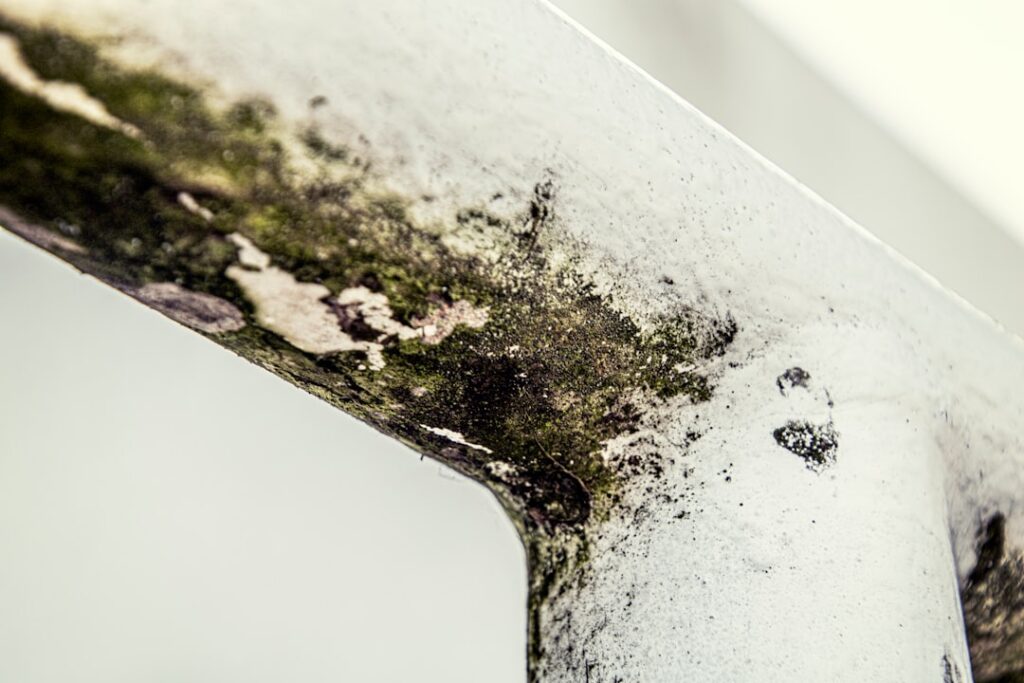
Mold cleanup bills can range from a couple hundred dollars for a small DIY job to many thousands for a full basement, and the spread leaves homeowners wondering where the real value lies. Affordable mold removal is not about chasing the cheapest quote; it is about matching the right method to the size and source of the problem so the mold does not return and force a second payment. This guide summarizes EPA and CDC guidance current as of 2026 and is educational only; consult a physician about health symptoms and a certified professional for testing or remediation decisions.
Part of our Mold Removal & Remediation guide — start there for the full picture →
Is this mold, asbestos, or water damage? Get a free instant screen
Upload a clear photo of the suspect area. You'll get an instant AI screening opinion and what to do next. This is screening guidance, not a professional determination.
Screening guidance only. AI can be wrong. Confirm asbestos, mold type, or lead with lab testing or a licensed professional before acting.
What Drives the Cost of Mold Removal?
Three factors move the price more than any others: the size of the affected area, the source of the moisture, and the accessibility of the contamination. A visible patch on a bathroom wall is cheap to handle. Mold inside a wall cavity fed by a hidden plumbing leak is expensive because the repair includes finding the leak, removing material, and rebuilding.
Containment adds cost too. The EPA recommends sealing the work area and using HEPA-filtered negative air for larger jobs, which requires equipment and labor. Disposal fees, regional labor rates, and whether testing is involved round out the bill. Understanding these levers lets homeowners cut cost where it is safe and spend where it matters.
Time is the hidden cost driver that homeowners control most directly. Mold does not wait for a convenient weekend. The CDC and EPA both stress that the speed of the response shapes the size of the job: a leak dried within a day or two stays a surface problem, while the same leak left a week migrates into framing, insulation, and the wall cavity, multiplying the labor and materials required. The single most affordable decision is to treat any water intrusion as urgent, because every day of delay tends to move the eventual bill in the wrong direction.
Where You Can Save Safely
Affordable does not mean cutting corners on the parts that protect your health and your home. There are, however, legitimate places to save.
- Handle small jobs yourself. The EPA notes homeowners can usually clean mold under about 10 square feet with proper protection.
- Fix the moisture early. Stopping a leak the day you find it keeps a small job from becoming a wall-cavity job.
- Do your own prep and cleanup. Moving furniture and removing easily accessible items before the crew arrives reduces billable hours.
- Skip unnecessary testing. When mold is visible and the source is obvious, the EPA says sampling is often not required.
For a city-specific sense of pricing, the guide on mold remediation in Gaithersburg shows how local labor and disposal costs shift the final number.
Where Cutting Cost Backfires
Some savings are false economies. Skipping containment on a large job lets spores spread into clean rooms, turning a one-room cleanup into a whole-house problem. Painting over mold instead of removing it hides the colony temporarily but never stops it. Ignoring the water source is the single most common reason homeowners pay for removal twice.
Hiring an unvetted, suspiciously cheap contractor can also cost more. Crews that skip drying and clearance verification leave moisture behind, and the mold simply regrows. The lowest bid is rarely the cheapest outcome.
Encapsulation products deserve a specific warning. A handful of sprays and primers claim to “seal in” or “kill” mold, and homeowners reach for them because they cost a fraction of removal. The EPA’s position is that mold must be physically removed, not painted over; a coating applied on top of active growth and ongoing moisture will eventually fail, and the homeowner ends up paying for both the coating and the real remediation. There are narrow, legitimate uses for encapsulants after proper cleanup, but as a standalone shortcut they waste money.
Typical Cost Ranges and What They Buy
Putting rough numbers to the discussion helps homeowners judge a quote. These are industry-estimate ranges, not fixed prices, and local labor and disposal costs move them substantially.
A small, surface-level job handled with DIY supplies, a respirator, gloves, detergent, and plastic sheeting, costs roughly the price of a hardware-store run, often under a hundred dollars. A professionally handled single small area with light containment commonly lands in the low four figures. A whole-room or finished-basement project that involves demolition, drying equipment, and rebuild climbs higher, and a large multi-room loss with structural drying and reconstruction can reach five figures.
What raises a quote is rarely the mold itself; it is the surrounding work. Finding and repairing a hidden plumbing leak, accessing a tight crawl space, replacing flooring and drywall, and matching finishes all add line items. A quote that looks high may simply reflect a job that genuinely includes those steps, while a suspiciously low quote often reflects a job that quietly omits them.
DIY Mold Removal That Actually Works
For small, surface-level mold on hard materials, a careful DIY approach is both affordable and effective. The CDC and EPA outline a straightforward method.
Protect Yourself
Wear an N95 respirator, gloves, and eye protection. Open windows for ventilation and seal off the room from the rest of the house with plastic and tape.
Clean and Dry
Scrub hard surfaces with detergent and water, then dry completely. The EPA does not recommend routine bleach use for household mold cleanup, and drying is the step that actually prevents regrowth.
Discard Porous Materials
Saturated drywall, carpet, and ceiling tile cannot be reliably cleaned and should be bagged and discarded. Trying to save them is a common DIY mistake.
When Professional Removal Is Worth the Money
Some situations justify the higher cost of a professional crew. The EPA advises calling a professional for mold larger than about 10 square feet, any growth tied to sewage or contaminated water, mold inside HVAC systems, and cases where occupants have serious health conditions.
Professionals bring containment, HEPA filtration, moisture detection, and clearance verification that DIY work cannot match. Paying for these on a large job is far cheaper than the cross-contamination cleanup that follows a botched attempt. The broader mold inspection and testing hub explains how assessment and remediation fit together.
How to Get Affordable Quotes Without Getting Burned
Collect at least two or three itemized estimates so you can compare scope, not just price. A trustworthy quote names the affected square footage, describes containment, lists which materials will be removed, and specifies drying and clearance steps. A one-line “mold removal, $X” estimate gives you nothing to compare.
Ask each contractor how they handle a failed clearance test and whether they provide a warranty. Confirm liability insurance. Be wary of anyone who quotes a price over the phone without inspecting the moisture source, or who pressures you to sign immediately.
Financing and Insurance Options
When a job is too large to pay out of pocket, financing and insurance can make it manageable. Sudden, accidental water damage, such as a burst pipe, is often covered by homeowners insurance, while gradual humidity or neglected leaks usually are not. Document the source and read your policy before filing a claim.
Some remediation companies offer payment plans, and homeowners can compare those terms against a low-interest personal loan. The guide on mold remediation financing walks through the trade-offs so the monthly cost does not blindside the budget.
How Local Factors Change the Price
Affordable is relative to where the home sits. Labor rates, disposal fees, and even climate shift the baseline cost of the same job. A small contained cleanup in a low-cost metro can cost meaningfully less than the identical scope in a high-cost coastal market, where both wages and landfill fees run higher.
Climate also dictates how much equipment a job needs. In a humid region, drying takes longer and may require more dehumidification, while a dry-climate job can finish drying faster once the source is stopped. Homes with finished basements, crawl spaces, or tight modern envelopes each add their own access and ventilation costs. Comparing a national average to a local quote without adjusting for these factors leads homeowners to distrust fair pricing and trust unrealistic lowball bids.
DIY Supplies and What They Cost
For the small jobs the EPA says a homeowner can reasonably handle, the supply list is short and inexpensive. A box of N95 respirators, a pair of nitrile gloves, safety goggles, a roll of plastic sheeting, painter’s tape, and a basic household detergent cover most surface cleanups. A stiff scrub brush, a spray bottle, and a supply of disposable rags round out the kit. Total cost typically runs well under a hundred dollars, and much of it is reusable for future maintenance.
Two optional purchases earn their keep. A moisture meter, even an inexpensive pin-type model, lets a homeowner confirm that a wall or floor has actually dried rather than guessing, which is the step that prevents regrowth. A consumer dehumidifier sized to the space pulls the area back below the threshold mold needs. Neither is strictly required for a tiny job, but both shift the odds toward a cleanup that holds.
What the DIY budget should never include is a respirator substitute. A cloth mask or dust mask does not filter mold spores adequately; the N95 rating matters, and the mask has to fit. Skipping that one item to save a few dollars is the kind of false economy this guide warns against, only here the cost is borne by the person’s lungs rather than the wallet.
Renting Versus Buying Equipment
On a mid-size job a homeowner intends to handle, drying equipment is often the deciding cost. Air movers and larger dehumidifiers can be rented by the day from equipment yards, which usually beats buying for a one-time event. A two-day rental of a couple of fans and a commercial dehumidifier costs a fraction of purchasing them and is enough to dry a small room once the water source is stopped.
Buying makes sense only for homes with a recurring moisture problem that the owner is actively managing, a damp basement that needs a permanent dehumidifier, for instance. In that case the appliance is a prevention investment, not remediation equipment. Matching the spend to the frequency of the need is the core of doing this affordably.
Questions to Ask Before You Sign
A short list of questions separates a credible affordable quote from a cheap one that will fail. Ask each contractor the following and compare the answers, not just the totals:
- What is the moisture source, and how will it be repaired before cleanup?
- How many square feet are affected, and which materials will be removed versus cleaned in place?
- Will the work area be contained, and will negative air with HEPA filtration be used?
- How will the structure be dried, and to what measurable moisture target?
- Is clearance verification included, and is it done by an independent party?
- What happens, and who pays, if clearance fails?
A contractor who answers these clearly is offering value regardless of price. One who deflects them is selling a number, not a result. The broader guide to mold inspection and testing explains how assessment and verification fit around the cleanup itself.
Preventing the Next Bill
The most affordable mold removal is the one you never need. The CDC recommends keeping indoor relative humidity below 50 percent, fixing leaks promptly, venting bathrooms and kitchens outdoors, and directing roof and surface water away from the foundation. A dehumidifier in a damp basement costs far less than a remediation crew. Annual gutter cleaning and a quick check of under-sink plumbing catch most problems while they are still small and cheap.
Prevention is also where small habits pay off. Wiping down shower walls, leaving bathroom fans running for fifteen minutes after a shower, keeping furniture a few inches off exterior basement walls so air can circulate, and responding to a leak the same day all keep moisture from ever reaching the threshold mold needs. None of these cost much, and together they make the expensive version of this problem far less likely.
References
- Mold Cleanup in Your Home — U.S. Environmental Protection Agency
- About Mold and Your Health — Centers for Disease Control and Prevention
- A Brief Guide to Mold and Moisture — U.S. Environmental Protection Agency
Frequently asked questions
What is the cheapest way to remove mold?
For small surface mold under about 10 square feet, DIY cleaning with detergent, water, and protective gear is the cheapest effective method. Discard saturated porous materials and dry the area completely. The key is fixing the moisture source so the mold does not return.
Is cheap mold removal ever a bad idea?
Yes, when low price means skipping containment, drying, or clearance verification on a large job. Those shortcuts let spores spread and moisture linger, causing regrowth. The lowest bid often becomes the most expensive outcome.
Does insurance make mold removal affordable?
Sometimes. Sudden water damage like a burst pipe is often covered, while gradual humidity or neglected leaks usually are not. Document the cause and review your policy before filing a claim.
How can I avoid paying for mold removal twice?
Always fix the water source, not just the visible mold. Ensure the contractor dries the structure to a measurable baseline and verifies the result with a clearance check, ideally by an independent assessor.
Front Range homeowners who want a connection to a vetted local inspector before buying or after a water event can reach out through our contact page.
Mold removal & cleanup picks
For a small, contained patch (under ~10 sq ft) these EPA-friendly removers handle surface mold. Larger or recurring growth warrants a professional assessment first.
| Product | Why | Buy |
|---|---|---|
 RMR-86 Instant Mold Stain Remover RMR-86 Instant Mold Stain Remover | Fast-acting on stains; ventilate and wear PPE. | Amazon — $29.99 |
 Concrobium Mold Control Concrobium Mold Control | No-bleach formula that also helps prevent regrowth. | Amazon — $11.26 |
 Mold Armor Mold & Mildew Remover Mold Armor Mold & Mildew Remover | Widely stocked bathroom/surface remover. | Amazon — $22.98 |