Mold Remediation Gaithersburg: A Homeowner Guide
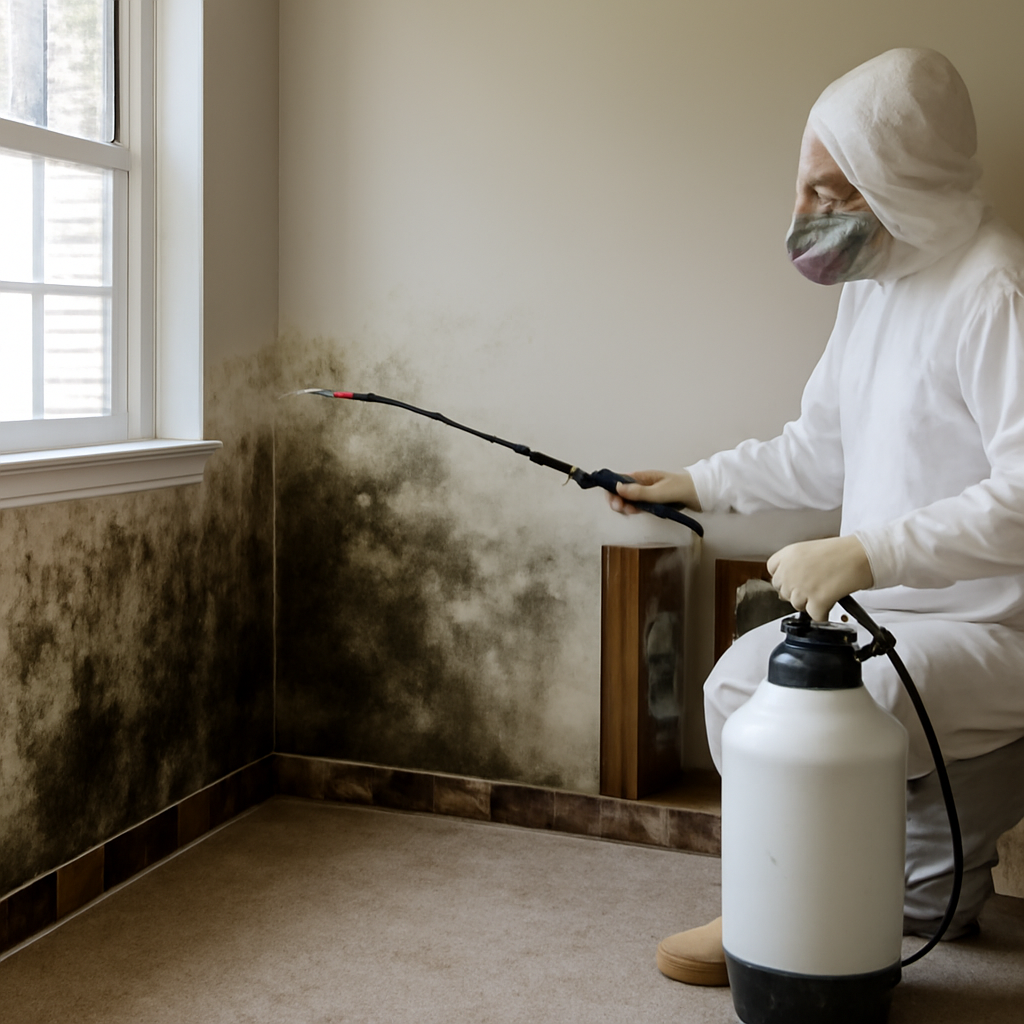
Gaithersburg sits in the humid Potomac corridor of Montgomery County, where summer dew points climb into the 70s and basements stay damp well into autumn. That climate, combined with a large stock of split-level and townhouse homes built between the 1970s and 1990s, makes indoor moisture a recurring problem. Understanding how mold remediation Gaithersburg projects actually work helps homeowners separate genuine hazards from cosmetic surface staining and avoid overpaying for cleanup. This guide summarizes EPA and CDC guidance current as of 2026; it is educational only, and you should consult a physician about symptoms and a certified professional for testing or remediation decisions.
Part of our Mold Removal & Remediation guide — start there for the full picture →
Is this mold, asbestos, or water damage? Get a free instant screen
Upload a clear photo of the suspect area. You'll get an instant AI screening opinion and what to do next. This is screening guidance, not a professional determination.
Screening guidance only. AI can be wrong. Confirm asbestos, mold type, or lead with lab testing or a licensed professional before acting.
What Does Mold Remediation in Gaithersburg Involve?
Remediation is the controlled removal of mold growth and the correction of the moisture problem that fed it. The U.S. Environmental Protection Agency frames the work around two goals: eliminate the visible colony and fix the water source so it cannot return. Skipping the second step is the most common reason Gaithersburg homeowners pay for cleanup twice.
A typical project moves through containment, removal, cleaning, and drying. Crews seal the work area with plastic sheeting and negative air pressure so spores do not drift into clean rooms. Porous materials that are saturated, such as drywall and carpet padding, usually come out. Non-porous surfaces like framing, tile, and metal are cleaned in place. The goal is not a sterile home but a return to normal, background spore levels comparable to the outdoors.
Why Gaithersburg Homes Are Prone to Mold
The mid-Atlantic climate does the heavy lifting. Maryland summers are long, warm, and humid, and that moisture finds its way into below-grade spaces. Many Gaithersburg subdivisions, including older sections near Olde Towne and the Kentlands, have basements or daylight lower levels that sit partly below the water table.
Three local patterns drive most calls:
- Basement humidity. Cool foundation walls meet warm humid air and condensation forms, feeding mold on stored cardboard, drywall, and framing.
- Roof and gutter leaks. Heavy summer thunderstorms overwhelm clogged gutters, sending water behind fascia and into attic sheathing.
- Plumbing and appliance leaks. Slow leaks under sinks or behind washing machines stay hidden until staining or odor appears.
Crawl spaces under additions are another quiet culprit. When a vapor barrier is missing or torn, ground moisture evaporates upward into the floor system.
Gaithersburg’s housing stock adds its own wrinkle. The city grew quickly during the 1970s and 1980s, and many homes from that era used wood paneling, suspended ceiling tile, and finished basement carpet that absorb and hold moisture. Those materials behave like sponges in a humid lower level. A finished basement that looked dry in winter can develop mold along the bottom plate of a stud wall by August, hidden behind drywall the homeowner never thinks to open.
Townhouse and condominium construction complicates matters further. Shared walls and stacked units mean a leak in one home can feed mold in a neighbor’s. Homeowner associations sometimes control the building envelope, so a roof or siding problem that drives interior moisture may not be the individual owner’s to repair, even though the mold is theirs to clean.
Common Mold Species Found in Maryland Homes
Homeowners often fixate on “black mold,” but indoor growth comes in many forms. The CDC stresses that identifying the exact species is rarely necessary for cleanup, because the response to any visible indoor mold is the same: remove it and fix the moisture. Still, understanding what tends to appear in humid basements helps set expectations.
Cladosporium shows up as olive-green to brown speckling on damp drywall and around windows where condensation collects. Penicillium and Aspergillus are common on water-damaged paper, cardboard, and HVAC components, and they account for much of the musty smell in a damp Gaithersburg basement. Stachybotrys chartarum, the greenish-black mold most people mean when they say “toxic black mold,” needs sustained saturation and typically grows on cellulose materials like the paper facing of drywall after a prolonged leak.
No homeowner should try to diagnose health risk from species alone. The EPA and CDC both treat all indoor mold as something to remove regardless of color or type. The species matters mainly to a remediation professional choosing methods, not to the decision of whether to act.
Signs You May Need Remediation
Mold is not always visible. The CDC notes that a persistent musty odor often signals hidden growth behind walls or under flooring even when surfaces look clean. Other indicators include peeling paint, warped baseboards, and dark speckling along the bottom of basement drywall.
Health complaints can be a clue as well. People with asthma, allergies, or weakened immune systems may notice congestion, coughing, or eye irritation that eases when they leave the house. These symptoms warrant a conversation with a doctor, not self-diagnosis. For a structured walkthrough of detection methods, the guide on how to check for black mold explains what inspectors look for.
The Remediation Process Step by Step
A credible Gaithersburg contractor follows a documented sequence rather than spraying bleach and moving on.
1. Assessment and Moisture Mapping
The job starts with finding the water. Technicians use moisture meters and sometimes thermal cameras to trace dampness back to its source. Without this, the colony returns.
2. Containment
Plastic barriers and HEPA-filtered negative air machines keep spores from spreading. For larger areas the EPA recommends full containment with an airlock.
3. Removal and Cleaning
Saturated porous materials are bagged and discarded. Salvageable surfaces are HEPA-vacuumed and damp-wiped with detergent. The EPA generally advises against routine biocide use in homes.
4. Drying and Clearance
Air movers and dehumidifiers bring materials back to a dry baseline. A clearance check, ideally by an independent party, confirms the area is ready for rebuild.
How Much Does Mold Remediation Cost in Gaithersburg?
Costs vary widely with the size of the affected area and the source of moisture. Industry estimates commonly place small, single-room jobs in the low four figures and whole-basement projects considerably higher once demolition and rebuild are included. Gaithersburg pricing tends to run slightly above national averages because Montgomery County labor and disposal costs are higher than in many parts of the country.
Several factors move the number:
- Square footage of contaminated material
- Whether containment and negative air are required
- Access difficulty in crawl spaces or finished basements
- The cost of repairing the underlying leak
Homeowners weighing budget should read the overview of affordable mold removal options before assuming the cheapest quote is the best value. Underbid jobs that skip containment often fail clearance.
DIY Versus Hiring a Professional
The EPA offers a practical rule of thumb: homeowners can usually handle mold covering less than about 10 square feet, roughly a 3-by-3-foot patch, using protective equipment and standard cleaning. Anything larger, or any growth tied to sewage or long-standing water, belongs to professionals.
Gaithersburg’s humid summers raise the stakes on DIY work. Cleaning a visible patch without addressing basement humidity simply resets the clock. If contaminated drywall must come down, professional containment protects the rest of the home from cross-contamination.
Preventing Mold After Remediation
Remediation only holds if the moisture stays gone. The CDC recommends keeping indoor relative humidity below 50 percent, which in a Gaithersburg basement usually means running a dehumidifier from late spring through early fall.
Other durable fixes include extending downspouts away from the foundation, grading soil to slope away from the house, sealing crawl-space vapor barriers, and adding bath and kitchen exhaust fans that vent outdoors. Annual gutter cleaning matters more here than in drier climates because summer storms are intense and frequent. The broader mold inspection and testing hub collects prevention checklists worth bookmarking.
Insurance and Documentation for Maryland Homeowners
Whether a remediation bill is covered turns almost entirely on the cause and the timeline. Homeowners insurance generally responds to sudden, accidental water events, a burst supply line, an overflowing appliance, a storm that breaches the roof, because those are the perils most policies name. Mold that grows from long-term humidity, a slow leak left unaddressed, or deferred maintenance is usually excluded as a maintenance issue, and many Maryland policies carry a specific mold sublimit even when the underlying water damage is covered.
The practical lesson is to document early. Photograph the water source and the affected area the day the problem is found, note the date, and keep receipts for any emergency mitigation such as renting a dehumidifier or hiring an after-hours water extraction crew. Insurers often expect prompt mitigation to prevent the loss from worsening, and a homeowner who acted quickly is in a stronger position than one who let the area sit for weeks.
Read the policy’s mold language before filing. A claim that gets denied still registers on the homeowner’s claims history, which can affect future premiums. When the dollar amount is close to the deductible, paying out of pocket sometimes makes more sense than filing. For larger losses, a written scope from the remediation contractor that ties the mold to a covered, sudden event strengthens the claim considerably.
Seasonal Timing in the Potomac Corridor
Gaithersburg’s moisture pressure is not constant through the year, and the calendar shapes both risk and response. The danger window opens in late spring as dew points climb and runs through early autumn, when basements stay damp and the air outside offers no help drying anything out. A leak discovered in July behaves worse than the same leak in January, because the surrounding humidity keeps materials wet longer.
That seasonality argues for proactive checks. Late spring is the right time to start the basement dehumidifier, clear gutters before the summer thunderstorm season, and look under sinks and behind the washing machine for the slow drips that turn into August mold. A homeowner who treats May as the start of moisture season, rather than reacting in August when the smell appears, spends far less over the life of the house.
Health Considerations for Gaithersburg Households
Mold exposure affects people differently. The CDC reports that some individuals are sensitive to molds and may experience stuffy nose, wheezing, or itchy eyes, while those with asthma or compromised immune systems can have more serious reactions. People with mold allergies and a chronic lung condition may develop infections in the lungs after heavy exposure.
This is health information, not a diagnosis. Anyone whose symptoms track with time spent in a damp room should describe that pattern to a physician rather than guessing at a cause. Children, older adults, and anyone undergoing immune-suppressing treatment deserve extra caution, and a damp basement bedroom is worth addressing promptly in those households.
The practical takeaway is that the health response and the building response point the same direction. Lowering moisture and removing visible growth reduces both the structural damage and the potential exposure, which is why the timing of remediation matters as much as the technique.
What Happens After Remediation: Rebuild and Verification
Removal is only part of the job. Once contaminated material is out and the structure is dry, the space has to be rebuilt and, ideally, verified clean. A clearance check looks at three things: whether the area is visibly free of mold, whether it is dry to a measurable moisture content, and whether airborne spore levels are back in line with the outdoors.
For a finished Gaithersburg basement, rebuild often means new drywall, baseboard, and flooring. Smart homeowners use the rebuild as a chance to upgrade: moisture-resistant drywall on lower walls, a sealed concrete floor instead of carpet, and a dedicated dehumidifier circuit. Spending a little more on materials that tolerate humidity pays off in a climate where the next damp summer is never far away.
Keep the documentation. A written scope, before-and-after photos, and a clearance report protect the homeowner during a future sale, when a buyer’s inspector may ask about visible repairs or past water staining. Maryland’s seller disclosure obligations make that paper trail genuinely useful.
Choosing a Qualified Gaithersburg Contractor
Maryland does not license mold remediation contractors the way some states do, so credentials matter. Look for technicians certified through recognized industry bodies, written scopes of work, and a willingness to provide post-remediation verification by an independent assessor. Ask whether the company performing the cleanup also wrote the assessment; using separate firms reduces the conflict of interest.
Get itemized estimates from at least two companies, confirm liability insurance, and read the contract for what happens if clearance testing fails. A reputable firm stands behind its work. Be cautious with any company that arrives after a storm offering same-day work for cash, or that quotes a flat price without inspecting the moisture source. The pattern that protects Gaithersburg homeowners is consistent: find the water, contain the work, remove what cannot be saved, dry to a measurable baseline, and verify the result.
References
- Mold Cleanup in Your Home — U.S. Environmental Protection Agency
- About Mold and Your Health — Centers for Disease Control and Prevention
- Mold and Indoor Air Quality — American Lung Association
Frequently asked questions
How long does mold remediation take in Gaithersburg?
Most single-room projects take two to four days, including containment, removal, and drying. Larger basement jobs that involve demolition and rebuild can run a week or more. Humid weather can extend drying time, so allow extra days in mid-summer.
Will my homeowners insurance cover mold remediation?
Coverage depends on the cause. Sudden, accidental water damage such as a burst pipe is often covered, while long-term humidity or neglected leaks usually is not. Read your policy and document the source before filing a claim.
Is bleach the best way to remove household mold?
The EPA does not recommend routine bleach use for mold cleanup in homes. Detergent and water with thorough drying removes most growth from hard surfaces. Bleach does not fix the moisture problem that caused the mold.
Should I test for mold before remediation?
Testing is optional if the mold is visible and the source is clear. It is more useful for confirming hidden growth, identifying species for health reasons, or verifying cleanup. An independent assessor avoids conflicts of interest.
If you own a home in the Front Range or are coordinating an inspection from out of state and want a connection to a vetted local inspector, reach out through our contact page and we can point you in the right direction.