Mildew and Mold Spray: Knowing the Difference
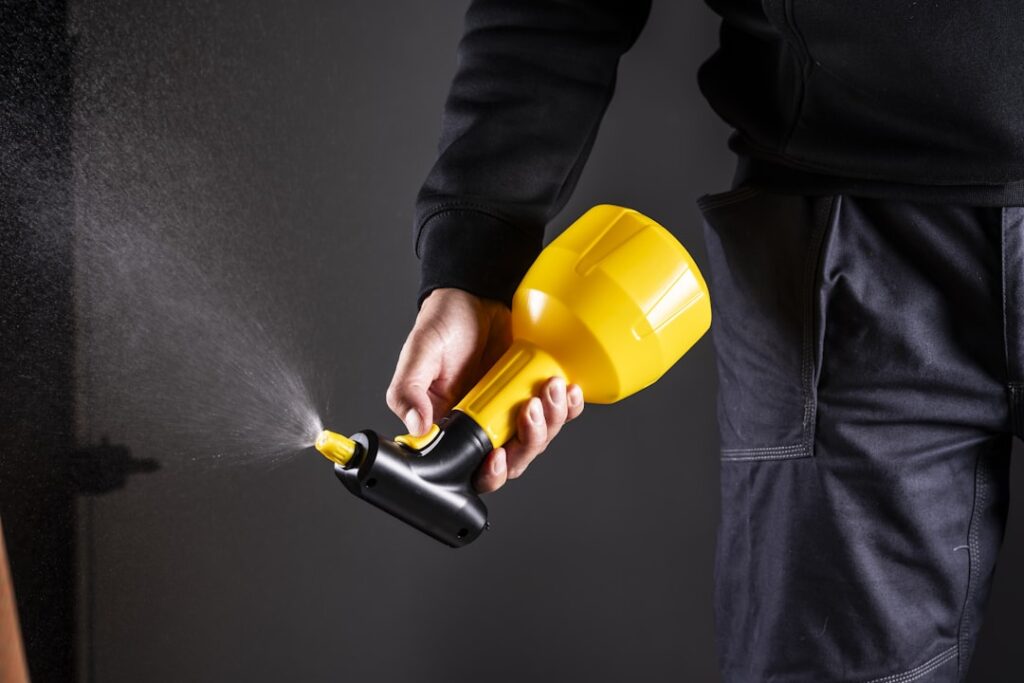
Products labeled as a mildew and mold spray lump two related but different problems together, and that blurring causes a lot of wasted effort. Mildew is a flat, surface-level growth that usually wipes away. Mold can be the same thing in its early stage or a much deeper, more stubborn infestation. Knowing which one you are facing changes whether a spray will solve the problem or merely mask it. This guide explains the distinction and how it shapes your approach. It summarizes EPA and CDC guidance current as of 2026 and is not medical advice; consult a physician for symptoms and a certified professional for testing.
Is this mold, asbestos, or water damage? Get a free instant screen
Upload a clear photo of the suspect area. You'll get an instant AI screening opinion and what to do next. This is screening guidance, not a professional determination.
Screening guidance only. AI can be wrong. Confirm asbestos, mold type, or lead with lab testing or a licensed professional before acting.
Mildew versus mold: what is actually on your wall
Both mildew and mold are fungi, and in casual use the words overlap. Practically, the difference is about depth and appearance.
Mildew tends to grow flat against a surface. It often looks powdery or downy, in gray, white, or yellowish tones, and shows up on damp bathroom tile, shower grout, fabric, and window sills. Because it stays on the surface, mildew usually responds well to a spray and a scrub.
Mold often grows with more texture and can appear fuzzy, slimy, or raised, in green, black, or brown shades. It penetrates porous materials and can spread into the structure behind a surface. When growth has gone deep, a spray treats only the visible top layer while the colony continues underneath.
The CDC notes that it is generally not necessary to identify the exact species; the response to indoor growth is the same regardless of type. The depth, not the name, is what determines whether a spray is enough.
Why the distinction changes your product approach
If the growth is true surface mildew on a hard, non-porous surface, a spray is the right tool and will likely clear it. If the growth is deeper mold in a porous material, the EPA’s guidance applies: porous materials that are visibly moldy should be removed and replaced, because no spray reaches embedded growth.
A practical test is how the growth responds. Surface mildew lifts with cleaning and the surface comes clean underneath. If you spray, scrub, and the stain returns quickly in the same spot, or the material feels soft or smells musty, you are likely dealing with deeper mold and a moisture problem rather than simple mildew. Our surface-by-surface look at choosing a mildew and mold remover for different materials walks through how each material behaves.
Choosing a spray for mildew
For genuine surface mildew, the chemistry options are familiar. Hydrogen peroxide sprays handle most light mildew on painted walls, tile, and fabric without bleach odor. Bleach-based sprays lighten stubborn grout and tile staining but fume and corrode. Quaternary ammonium sprays leave a residual film that slows mildew’s return in damp bathrooms. Botanical sprays suit light, routine maintenance for households avoiding harsh chemicals.
The one non-negotiable rule across all of them: never mix a bleach product with an ammonia-based cleaner, because the CDC warns the combination releases toxic chloramine gas. Use a single product and rinse before switching.
How to apply the spray
Ventilate first. Open a window and run an exhaust fan so fumes and spores move outside, as the CDC recommends for cleanup. Wear an N95 respirator, gloves, and eye protection even for mildew, since disturbing growth releases spores.
Apply the spray until the surface is wet and let it dwell for the time on the label rather than wiping immediately. Scrub with a brush or cloth, rinse non-porous surfaces with clean water, and dry the area completely with fans. Mildew thrives in damp, poorly ventilated rooms, so drying the surface and improving airflow does more to prevent its return than any spray.
The moisture story behind both
Whether you are dealing with mildew or mold, the root cause is the same: moisture. The EPA’s central principle is that controlling moisture is the only durable way to keep fungal growth from coming back. Mildew clusters in showers, around windows, and in poorly vented bathrooms precisely because those spots stay damp.
If you clean mildew repeatedly and it keeps returning, the fix is usually better ventilation, lower humidity, and faster drying rather than a stronger spray. Our guide to preventing mold and mildew from returning at home covers exhaust fans, dehumidifiers, and drying habits that address the actual cause.
When it is mold, not mildew, and when to call a pro
If the signs point to deeper mold rather than surface mildew, the calculus changes. The EPA’s general guidance is that homeowners can usually handle moldy areas smaller than about 10 square feet, and that larger or structural problems warrant professional remediation.
Seek professional help when growth covers a large area, when it has spread into wall cavities, insulation, or framing, when the water source was sewage or flooding, when a strong musty odor persists with no visible source, or when a household member has asthma or a weakened immune system. A professional can test, locate hidden moisture, contain the area, and dispose of contaminated material safely. The mold inspection and testing hub for homeowners explains what an assessment covers.
Where mildew and mold tend to appear
Knowing the usual locations helps you catch growth early and choose the right response. Mildew favors consistently damp, poorly ventilated spots: shower walls and grout, around tubs, on window sills where condensation collects, on fabric stored in humid closets, and on basement surfaces. Because it stays on the surface, a spray and a scrub usually handle it in these places.
Deeper mold shows up where water sits or soaks in: behind walls near a plumbing leak, under windows with a chronic condensation or sealing problem, in carpet and padding after a flood, and in framing or insulation that stayed wet. These locations point to a moisture problem the spray cannot reach, and they are where the EPA’s advice to replace visibly moldy porous materials applies. The location often tells you, before you even spray, whether you are dealing with surface mildew or something that has gone deeper.
Front Range homes have their own pattern. Across the Denver metro and surrounding counties, the climate swings between dry stretches and bursts of snowmelt and summer storms, so basements and crawl spaces are frequent moisture entry points after those events, while bathrooms and laundry rooms stay humid year-round regardless of the weather outside. Knowing that these spaces carry the highest risk helps homeowners check the right spots early, catch a thin film of mildew before it spreads, and decide whether a spray will handle it or whether the location signals a deeper problem worth a closer look.
Reading the label before you buy
Look for an EPA registration number if you want a verified antimicrobial rather than a stain remover. Confirm the listed surfaces match yours, and note the dwell time so the product gets its full contact period. For mildew specifically, a residual-action product can be worth choosing in a bathroom because it slows the next round of growth between cleanings.
The precautionary statements also tell you how much ventilation and protective gear the product expects, which signals how harsh the chemistry is. A spray that warns against enclosed-space use will be unpleasant in a small bathroom, exactly where mildew is most common, so a gentler hydrogen peroxide or botanical option may suit that room better. Matching the formula to both the growth type and the room keeps the job effective and comfortable.
Keeping mildew from coming back
Mildew is a moisture story, so prevention is mostly about drying. Run the bathroom exhaust fan during and after showers, squeegee shower walls to remove standing water, and keep relative humidity below roughly 50 percent in damp rooms with a dehumidifier. Open windows when the weather allows to move humid air out. These habits do more to keep mildew away than any stronger spray, because they remove the dampness mildew needs to grow.
Routine wiping of high-risk surfaces catches mildew while it is a light film that lifts easily, before it sets into grout or caulk. Checking those spots after humid stretches or plumbing work flags returning moisture early. A surface that stays clear for weeks after cleaning and a ventilation improvement confirms the cause was addressed, while quick regrowth signals that the dampness needs another look.
Health context for mildew and mold exposure
Part of why the distinction between mildew and mold gets attention is concern about health. The CDC links indoor dampness and mold to upper-respiratory symptoms, coughing, and wheezing in otherwise healthy people, with stronger effects for those who have asthma, allergies, or weakened immune systems. Surface mildew in a bathroom is generally a lower concern than extensive hidden mold, but both share the same underlying driver of dampness, and both can affect sensitive individuals.
This guide is not medical advice. Anyone experiencing persistent respiratory symptoms they suspect are related to indoor mold should consult a physician rather than self-diagnose. From a home-maintenance standpoint, the response is the same whether the growth is mildew or mold: remove the visible growth safely, fix the moisture, and improve ventilation. Reducing dampness lowers both the growth and the exposure, which is why moisture control is the recommendation that runs through all of the public-health guidance.
Do you need to identify the type before treating?
A common worry is whether you must know exactly what species you are facing before choosing a product. The CDC’s position is reassuring on this point: it is generally not necessary to identify the specific mold or mildew, because the response to indoor growth is the same regardless of type. What you do need to judge is the depth of the growth and the surface it is on, since those determine whether a spray can solve the problem.
Spending money on species testing rarely changes what a homeowner does next. The practical questions are whether the growth lifts with cleaning, whether the surface is porous, and whether the area is small enough to handle. Those answers, not a lab identification, guide the treatment. Testing has a role when there is a health concern, a dispute, or a need to confirm a remediation worked, but for routine cleaning of visible mildew it is usually unnecessary.
The role of temperature and airflow
Mildew and mold are not only about moisture; temperature and airflow shape where they grow. Cool surfaces in warm, humid rooms collect condensation, which is why mildew so often appears on exterior walls, around single-pane windows, and behind furniture pushed against cold walls. Stagnant air lets that moisture linger, while moving air helps surfaces dry before growth can start.
Small adjustments make a real difference. Keeping furniture a few inches off exterior walls allows air to circulate behind it. Running a ceiling or portable fan in a damp room speeds drying. Insulating or upgrading cold windows reduces the condensation that feeds window-sill mildew. These changes attack the conditions mildew needs, which is why they often do more lasting good than repeated spraying of the visible growth.
References
- Mold and Dampness Frequently Asked Questions — Centers for Disease Control and Prevention
- Mold Cleanup in Your Home — U.S. Environmental Protection Agency
- A Brief Guide to Mold, Moisture and Your Home — U.S. Environmental Protection Agency
Front Range homeowners unsure whether they are facing simple mildew or a deeper mold problem can get in touch with a vetted local inspector here to clarify before spending on products.
Mold removal & cleanup picks
For a small, contained patch (under ~10 sq ft) these EPA-friendly removers handle surface mold. Larger or recurring growth warrants a professional assessment first.
| Product | Why | Buy |
|---|---|---|
 RMR-86 Instant Mold Stain Remover RMR-86 Instant Mold Stain Remover | Fast-acting on stains; ventilate and wear PPE. | Amazon — $25.99 |
 Concrobium Mold Control Concrobium Mold Control | No-bleach formula that also helps prevent regrowth. | Amazon — $13.48 |
 Mold Armor Mold & Mildew Remover Mold Armor Mold & Mildew Remover | Widely stocked bathroom/surface remover. | Amazon — $22.98 |