Mold Remediation Smyrna: A Homeowner Guide
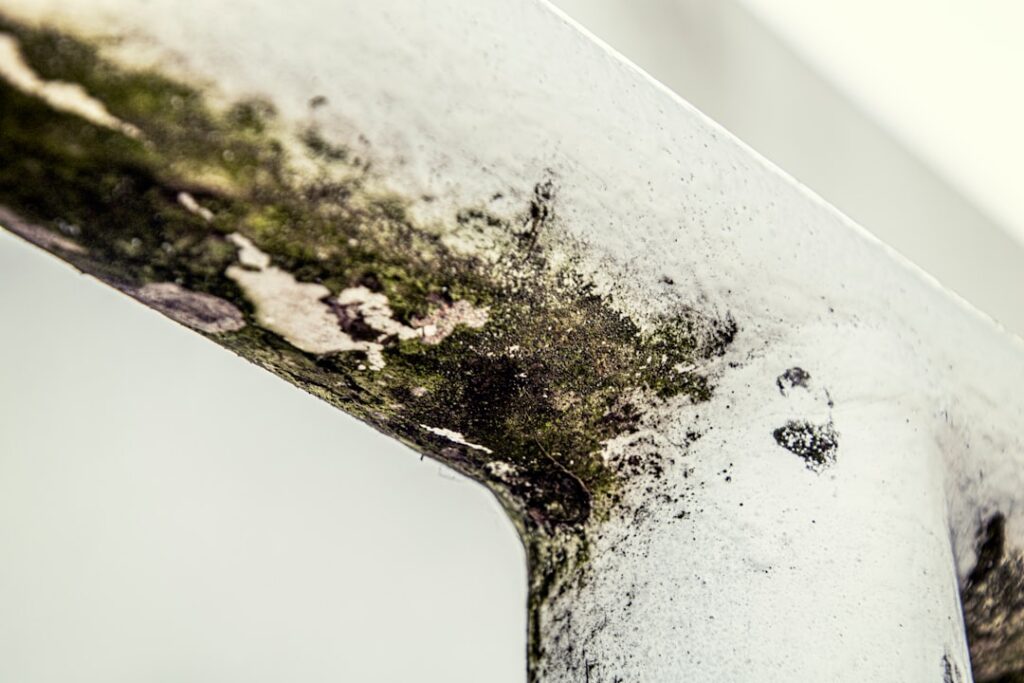
Smyrna, Georgia sits just northwest of Atlanta in Cobb County, where the humid subtropical climate brings hot, sticky summers, mild but damp winters, and frequent thunderstorms that test every roof and gutter. High dew points keep indoor humidity elevated for much of the year, and basements and crawl spaces stay damp long after the rain stops. Understanding how mold remediation Smyrna projects work helps homeowners respond before a leak or chronic humidity turns into a structural and health problem. This guide summarizes EPA and CDC guidance current as of 2026 and is educational only; consult a physician about health symptoms and a certified professional for testing or remediation decisions.
Part of our Mold Removal & Remediation guide — start there for the full picture →
Is this mold, asbestos, or water damage? Get a free instant screen
Upload a clear photo of the suspect area. You'll get an instant AI screening opinion and what to do next. This is screening guidance, not a professional determination.
Screening guidance only. AI can be wrong. Confirm asbestos, mold type, or lead with lab testing or a licensed professional before acting.
What Mold Remediation in Smyrna Involves
Remediation removes active mold growth and corrects the moisture that caused it. The EPA frames the job around two goals that cannot be separated: eliminate the colony and fix the water source. In a humid Georgia climate, cleaning without addressing the moisture is the most common reason a homeowner pays for the same problem twice.
A proper project moves through assessment, containment, removal of saturated porous materials, cleaning of salvageable surfaces, drying, and verification. Crews seal the work area and use HEPA-filtered negative air so spores do not spread. The goal is to return indoor spore levels to normal background levels, not to sterilize the home.
Why Smyrna Homes Develop Mold
The humid subtropical climate is the main driver. Summers are long and sticky, air conditioners run for months, and high outdoor humidity migrates into below-grade and poorly ventilated spaces. Several local patterns recur across Smyrna’s mix of mid-century ranches, split-levels, and newer subdivisions:
- Crawl-space and basement humidity. Many homes sit over vented crawl spaces or partial basements where damp air condenses on framing and subfloors.
- HVAC condensation. Oversized or poorly maintained systems sweat in attics and closets, soaking nearby drywall, while clogged condensate lines drip onto ceilings.
- Storm-driven roof and gutter leaks. Georgia’s frequent thunderstorms overwhelm aging gutters and flashing, sending water into attics and walls.
Red Georgia clay adds a drainage dimension. Clay sheds water slowly and holds it against foundations, so poor grading or short downspouts keep soil saturated right where the house is most vulnerable.
Signs You May Need Remediation
A persistent musty odor is the most dependable early signal. The CDC notes that this earthy smell often indicates hidden growth behind walls or under floors even when surfaces look clean. Visible cues include dark speckling on bathroom and basement walls, bubbling paint, warped baseboards, and condensation on supply registers during humid spells.
Health complaints can be a clue. Congestion, coughing, and eye irritation that ease when occupants leave the home may point to indoor air quality issues, though only a physician can connect symptoms to a cause. For a structured detection walkthrough, see the guide on how to check for black mold.
Common Mold Types in Georgia Homes
The CDC advises that identifying the exact mold species is generally unnecessary, because every visible indoor mold gets the same response. A few molds nonetheless recur in Georgia’s warm, humid conditions.
Cladosporium appears as green-black speckling on damp drywall, around windows, and on HVAC surfaces where condensation forms. Aspergillus and Penicillium thrive on the paper, dust, and cellulose that collect on water-damaged materials and in air handlers, driving much of the musty odor. Stachybotrys, the greenish-black mold tied to the “toxic black mold” label, requires prolonged saturation and tends to grow on the paper face of drywall after a slow leak that went unnoticed. Color is not a reliable hazard gauge, and the EPA recommends removing all indoor mold.
The Remediation Process Step by Step
A credible Smyrna contractor follows a documented sequence rather than improvising.
Moisture Assessment
Technicians trace the water with moisture meters and infrared cameras, often inspecting the crawl space, attic, and HVAC system. Without finding the source, the colony returns.
Containment
Plastic barriers and HEPA-filtered negative air machines isolate the work zone so spores do not migrate through the home’s ductwork.
Removal and Cleaning
Saturated drywall, carpet padding, and insulation are bagged and discarded. Framing and hard surfaces are HEPA-vacuumed and wiped with detergent. The EPA generally discourages routine biocide use indoors.
Drying and Clearance
Air movers and dehumidifiers dry the structure, which takes longer in humid air. A clearance check, ideally by an independent party, confirms the area is ready for rebuild.
The Crawl Space and Humidity Problem
A large share of Smyrna mold problems start in the crawl space. Vented crawl spaces were designed on the assumption that outdoor air would dry the space, but in Georgia’s humid climate that air is often wetter than the crawl space itself. Ground moisture rises through bare soil, vents admit damp air, and the subfloor and joists stay above the threshold mold needs to grow.
Because the living area sits directly above, spores and musty air get pulled upward through gaps around plumbing and HVAC penetrations, and the HVAC system can distribute them. Durable fixes typically involve a sealed vapor barrier, improved drainage so runoff does not pool under the house, and in many cases encapsulating and dehumidifying the crawl space rather than relying on passive vents.
How Much Does Mold Remediation Cost in Smyrna?
Costs scale with the size of the affected area and access difficulty. Industry estimates place small contained jobs in the low four figures and crawl-space or whole-room projects considerably higher once demolition and rebuild are added. Metro Atlanta labor and disposal rates sit near or slightly above national averages, so Smyrna pricing is generally moderate compared with coastal metros.
Cost drivers include:
- Square footage of contaminated material
- Whether full containment is required
- Crawl-space access and vapor-barrier work
- Repairing the underlying roof, HVAC, or plumbing issue
Before accepting the lowest bid, homeowners should review how affordable mold removal is priced, since underbid jobs that skip containment frequently fail clearance and cost more overall.
DIY Versus Hiring a Professional
The EPA’s rule of thumb is that homeowners can usually clean mold under about 10 square feet, roughly a 3-by-3-foot patch, with gloves, an N95 respirator, and standard cleaners. Larger areas, sewage contamination, crawl-space saturation, or mold inside HVAC systems call for professionals.
Smyrna’s humidity raises the stakes on DIY work. Wiping a visible patch without addressing crawl-space moisture or a clogged condensate line simply resets the clock. If contaminated drywall must come down, professional containment keeps spores from spreading through the home and its ductwork.
Insurance and Documentation for Georgia Homeowners
Coverage depends on cause and timeline. Sudden, accidental water damage such as a burst pipe is often covered, while mold from chronic humidity, a slow leak, or deferred maintenance is usually excluded. Many Georgia policies carry a mold sublimit even when the underlying water damage is covered.
Document early. Photograph the water source and affected area, record the date, and keep receipts for emergency drying. A written scope tying the mold to a sudden, covered event strengthens the claim, while a claim denied on maintenance grounds still affects the homeowner’s record. Weigh smaller claims against the deductible.
Health Considerations for Smyrna Households
The CDC reports that mold-sensitive people may experience nasal stuffiness, throat irritation, coughing, or itchy eyes, and that those with asthma or weakened immune systems can react more severely. This is general health information, not a diagnosis. A homeowner whose symptoms ease away from the house should describe that pattern to a physician rather than guessing at a cause.
Georgia’s long humid season is relevant. Because the climate keeps indoor moisture elevated for months, an untreated problem persists rather than drying out, and the HVAC system can distribute spores from a damp crawl space throughout the home. Households with children, older adults, or anyone undergoing immune-suppressing treatment have particular reason to address a musty crawl space or basement promptly rather than waiting for the next sticky summer to make it worse.
Seasonal Timing in Metro Atlanta
Smyrna’s risk concentrates in the warm months for two reasons that compound each other. Air conditioners run from late spring through early fall, producing condensation around air handlers and in ductwork, while outdoor humidity peaks at the same time and keeps everything from drying. A leak or a clogged condensate line discovered in July does more damage than the same problem in January because the surrounding air offers no help.
That seasonality argues for proactive spring maintenance. Flushing the HVAC condensate line, servicing the system, clearing gutters before the summer thunderstorm season, and checking the crawl space for standing water all head off the most common summer mold sources. A homeowner who treats April and May as preparation, rather than reacting in August when the smell appears, spends far less over the life of the house. Documentation of those repairs also helps at resale, when a buyer’s inspector evaluates the home’s moisture history.
Preventing Mold After Remediation
Remediation only holds if the moisture stays gone. The CDC recommends keeping indoor relative humidity below 50 percent, which in a Smyrna home usually means a well-maintained air conditioner, possibly a whole-home or crawl-space dehumidifier, and bath and kitchen fans vented outdoors.
Other durable fixes include flushing the HVAC condensate line each spring, maintaining and extending gutters, sealing crawl-space vapor barriers, and grading soil to slope away from the foundation. The broader mold inspection and testing hub collects prevention checklists for humid Southern homes.
How Long Mold Remediation Takes
Timeline is one of the first questions homeowners ask, and the honest answer is that it depends on scope and drying. A small, single-room cleanup with light containment often runs two to four days, covering containment setup, removal, cleaning, and the drying period. A whole-room or crawl-space project that involves demolition, vapor-barrier replacement, and a rebuild can stretch to a week or more.
Drying is the variable that surprises people. In Smyrna’s humid air, materials give up moisture slowly, and a contractor who rushes the drying phase to finish faster leaves moisture behind that feeds regrowth. A credible crew dries to a measurable moisture target rather than to a calendar date, which is why a humid-week job can legitimately take longer than the same scope in dry conditions. Building in time for proper drying and a clearance check is not padding; it is the difference between a cleanup that holds and one that fails.
Rebuild adds its own timeline on top of remediation. New drywall, paint, trim, and flooring follow the cleanup, and scheduling those trades can extend the overall project well past the remediation itself. Homeowners planning around a move or a sale should account for both phases.
What Happens After Remediation: Rebuild and Verification
Removal is only part of the job. Once contaminated material is out and the structure is dry, the space is rebuilt and, ideally, verified clean. A clearance check confirms the area is visibly free of mold, dry to a measurable moisture content, and back to airborne spore levels comparable to the outdoors. Independent verification, by someone other than the crew that did the work, carries more weight.
In a humid Georgia home, the rebuild is a chance to design against repeats: moisture-resistant materials on lower walls, a sealed and dehumidified crawl space, and good exhaust ventilation. Keep the written scope, photos, and clearance report, since Georgia sellers face disclosure expectations and a buyer’s inspector may ask about visible repairs.
Choosing a Qualified Smyrna Contractor
Georgia does not maintain a dedicated mold remediation license, so credentials and documented process matter. Look for technicians certified through recognized industry programs, a written scope of work, and independent post-remediation verification. Using separate firms for assessment and cleanup reduces the conflict of interest that arises when one company both diagnoses and profits from the repair.
Collect at least two itemized estimates, confirm liability insurance, and ask in writing what happens if clearance testing fails. A contractor familiar with Georgia crawl spaces and humid-climate HVAC behavior will diagnose the real driver rather than treating only the surface.
References
- Mold Cleanup in Your Home — U.S. Environmental Protection Agency
- About Mold and Your Health — Centers for Disease Control and Prevention
- Mold and Indoor Air Quality — American Lung Association
Frequently asked questions
Why do Smyrna crawl spaces grow mold?
Georgia's humid subtropical climate keeps outdoor air damp for months, and vented crawl spaces trap that air against cool framing. Without a sealed vapor barrier and moisture control, the subfloor stays wet enough to support mold that can spread upward into the living space.
How long does remediation take in Smyrna?
Most single-room jobs run two to four days. Crawl-space projects involving vapor-barrier work can take a week or more, and the humid climate often extends the drying phase compared with drier regions.
Can my air conditioner cause mold?
Yes. An oversized or poorly maintained system can sweat in attics and closets, and a clogged condensate line can drip onto ceilings and walls. Flushing the line each spring and servicing the system reduces the risk.
Is testing necessary before mold removal?
Not always. If the mold is visible and the source is obvious, removal can proceed. Testing helps confirm hidden growth, support a real estate sale, or verify that cleanup met clearance standards, ideally through an independent assessor.
Front Range homeowners who want help finding a qualified local inspector before a purchase or after a water event can get in touch through our contact page.