Mold Removal Montgomery County Md: What to Know
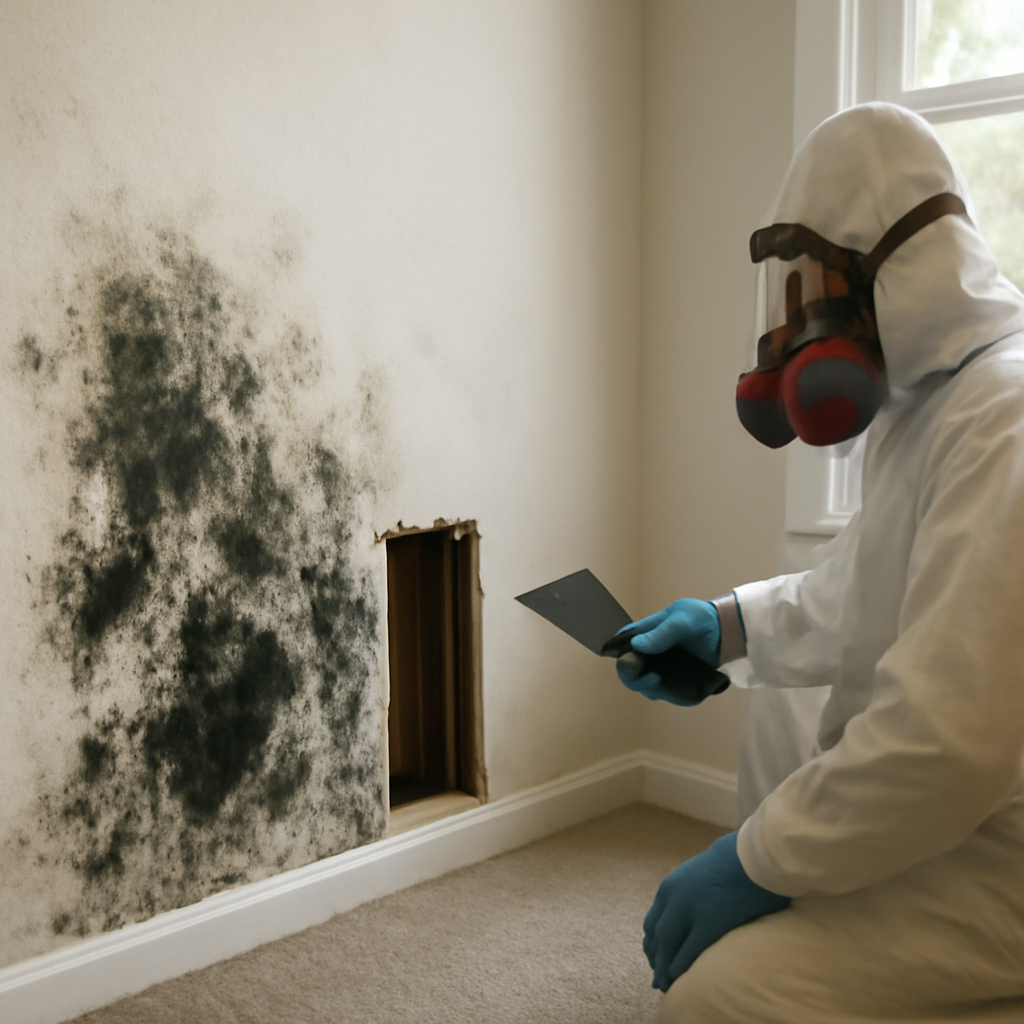
When homeowners search for mold removal Montgomery County Md, they want a practical answer: how does the mold actually leave the house, and how do you keep it from coming back. Montgomery County in suburban Maryland sits in a humid subtropical-to-continental zone with hot, muggy summers, frequent rain, and a deep stock of finished basements. That moisture, far more than the mold itself, is the real target. This guide summarizes EPA, CDC, and NIH guidance current as of 2026 and is informational only; consult your physician about symptoms and a certified professional about removal decisions.
Part of our Mold Removal & Remediation guide — start there for the full picture →
Is this mold, asbestos, or water damage? Get a free instant screen
Upload a clear photo of the suspect area. You'll get an instant AI screening opinion and what to do next. This is screening guidance, not a professional determination.
Screening guidance only. AI can be wrong. Confirm asbestos, mold type, or lead with lab testing or a licensed professional before acting.
How mold removal works in Montgomery County homes
Mold removal is the physical elimination of visible growth combined with correcting the moisture that allowed it. The EPA frames the goal simply: clean up the mold and fix the water problem. Removing growth while leaving a leak, basement seepage, or chronic humidity in place means the colony returns within weeks.
On a hard, non-porous surface — tile, glass, sealed wood, metal — mold can usually be scrubbed away and the surface dried. On porous materials like drywall, carpet, ceiling tile, and insulation, the growth penetrates beyond the surface, so removal generally means cutting out and discarding the affected material. This distinction drives most of the cost and effort in any removal job.
A complete approach treats the home as a system, asking where water enters and lingers before deciding what to clean and what to replace. That same diagnostic logic anchors the mold inspection and testing hub, which pairs removal with finding the underlying cause.
Why moisture is the real problem in the county
The mid-Atlantic climate delivers humid summers with dew points that push indoor relative humidity past the 60 percent threshold mold needs, and below-grade basements stay cool and damp enough to condense that moisture. Heavy rain and the occasional tropical-storm remnant saturate soil around foundations, and finished basements common across the county trap water against drywall, carpet, and framing.
The CDC is direct: without moisture, mold cannot grow indoors. Removing the visible patch addresses the symptom; lowering humidity, sealing the basement, and stopping leaks address the cause. A removal job that ignores moisture is incomplete by definition, no matter how clean the wall looks afterward.
Local factors worth checking include basement seepage and grading, sump-pump performance, AC condensate lines, bathroom fans that dump into attics, and the gap where an older section meets a newer addition. Each is a frequent moisture source in Montgomery County homes.
Safe DIY mold removal and its limits
The EPA suggests homeowners can often handle mold covering less than roughly ten square feet, provided they fix the moisture first and protect themselves. Basic precautions include an N95 respirator, gloves, eye protection, and good ventilation. Hard surfaces can be cleaned with detergent and water and dried completely; bleach is not required, and the EPA notes it is not necessary to kill mold to remove it.
DIY stops being appropriate when the area is large, when the mold follows sewage or floodwater, when it has entered the HVAC system, or when it sits in a chronically wet basement requiring containment. Anyone with asthma, allergies, or a compromised immune system should avoid disturbing mold, since cleaning aerosolizes spores. For comparison and a sense of what professional cleaning involves, the overview at best way to kill black mold covers cleaning methods and their limits.
What about black mold specifically?
The dark mold people fear is often Stachybotrys chartarum, which grows on chronically wet, cellulose-rich materials like soaked drywall — exactly what a damp Maryland basement can produce. The CDC’s position is that all indoor mold should be removed and the moisture corrected regardless of color or type; you do not need lab confirmation of the species to justify cleanup of a damp, growing patch.
How much mold removal costs in the area
Washington-metro labor and disposal costs run above the national average. A small, contained area handled professionally may run a few hundred dollars. Multiple rooms or significant drywall removal push into the low-to-mid four figures. Full-basement cleanups with waterproofing, drainage, and structural drying cost more, since they involve sealing, dehumidification, and sometimes sump or perimeter-drain work.
Get itemized estimates and confirm each includes the moisture fix, not just the cleaning. Be cautious with any company that quotes removal alone at a flat low price while skipping the water source — that is the most common way mold returns. Comparing several written scopes protects you from both overpaying and underscoping.
The professional removal process step by step
A professional removal in Montgomery County generally proceeds through containment, removal, cleaning, drying, and verification. Plastic sheeting and HEPA-filtered negative air machines keep spores from spreading during the work. Affected porous materials are bagged and removed; hard surfaces are HEPA-vacuumed and wiped.
The area is then dried with dehumidifiers and air movers until material moisture readings normalize. A final verification — ideally an independent post-removal assessment — confirms the space is dry and spore levels match the rest of the home before any rebuilding. Skipping verification is how hidden moisture restarts the problem behind fresh drywall.
Health and safety during removal
Any disturbance of mold lofts spores into the air, so protection is not optional even for a small job. An N95 respirator, gloves, and eye protection are the baseline the EPA recommends for homeowner-scale cleanup. The CDC and American Lung Association note that exposure can trigger nasal congestion, coughing, throat irritation, and asthma flare-ups, with infants, older adults, and those with respiratory conditions more vulnerable.
Some people should not perform removal at all. Individuals with asthma, allergies, or weakened immune systems should let trained workers handle mold, since the spores released during cleaning can provoke serious reactions. Do not run the HVAC system if it may spread spores, and symptoms that linger after cleanup deserve a doctor’s evaluation rather than repeated DIY attempts.
Early warning signs worth catching
Catching mold early keeps a Montgomery County removal job small and inexpensive. A musty smell in a closet, bathroom, or basement often precedes any visible growth. Water stains spreading on a ceiling, peeling paint at a baseboard, cupping or springy flooring, and condensation on windows are all early flags. A sudden, unexplained rise in the water bill can point to a hidden leak feeding mold out of sight.
Allergic symptoms that ease away from home and return on coming back are another clue worth noting. The EPA’s emphasis on prompt moisture control rewards homeowners who act quickly, because a problem caught at one square foot is a homeowner-scale cleanup, while the same problem ignored through a humid Maryland summer or basement seepage can spread across a wall cavity or an entire lower level and shift the job from cleaning to costly material removal.
How long removal takes day to day
A small, contained removal — a single bathroom wall or a closet — often takes a day for the cleanup and removal, followed by a day or two of drying before any rebuilding. Multi-room jobs stretch to several days as containment is set up, materials are bagged out, and the structure is dried to verified moisture levels. Basement cleanups with waterproofing or drainage work run longer.
During the work, expect the affected area sealed behind plastic with a HEPA-filtered machine holding it under negative pressure, which keeps spores from drifting into clean rooms. There may be noise from air movers and a faint odor as materials are disturbed. The job is finished not when the wall looks clean but when moisture readings confirm the structure is dry and a verification check shows indoor spore levels back in line with the rest of the home.
Removal versus remediation: what the words mean
Homeowners use “mold removal” and “mold remediation” interchangeably, and most contractors do too, but the distinction is worth understanding. Removal emphasizes taking the visible growth out — scrubbing surfaces and discarding affected materials. Remediation is the broader project that surrounds removal: assessing the moisture source, containing the area, removing growth, drying to verified levels, and confirming the result.
In practice a complete removal job is remediation by another name, because removal that ignores containment, drying, and the water source does not last. The label matters less than the scope. When evaluating quotes, read what the company will actually do rather than which word appears on the invoice. A “removal” that includes finding the source and verifying dryness is sound; a “remediation” that is really just a surface spray is not.
What to do immediately after a leak
Speed determines whether a water event becomes a mold problem. The EPA notes that mold can begin growing on damp materials within roughly 24 to 48 hours, so the window to act is short. Stop the water source, remove standing water, and start drying with fans and a dehumidifier as quickly as possible.
Pull up soaked carpet and padding, open wall cavities that stayed wet, and discard porous materials that cannot be dried promptly. A Montgomery County homeowner who dries the structure fast often avoids removal entirely, while one who lets damp drywall sit usually ends up cutting it out later. The cheapest mold removal is the drying that prevents the colony from establishing in the first place.
Choosing who does the work
Look for a contractor with mold-specific training, liability insurance, and a written scope naming the moisture source, the containment method, the materials to be removed, and the verification step. Ask whether they follow recognized remediation standards. A red flag is any company unwilling to identify or address the water source.
Separating the diagnosis from the cleanup adds protection. An independent assessor scopes the problem without a financial stake in a bigger job, and a third party can verify the result. Homeowners vetting credentials will find the checklist in certified mold remediation contractor guidance helpful before signing anything.
Preventing mold from coming back
In the Montgomery County climate, prevention centers on humidity and water control. Keep indoor relative humidity below 50 percent with air conditioning and a basement dehumidifier, maintain a working sump pump, ensure gutters and grading move water away from the foundation, and vent bathroom and kitchen fans outdoors. Fix any roof or plumbing leak promptly.
Effective mold removal Montgomery County Md homeowners can count on is removal plus moisture correction plus verification. The visible patch coming off the wall is only the middle of the job; the durable result comes from drying the home out and keeping the basement dry through the humid Maryland summer.
A homeowner checklist before hiring
Before committing to a Montgomery County removal job, a short checklist keeps it honest. Confirm the contractor has named the moisture source — basement seepage, a leak, or summer humidity — and a plan to fix it, not just the visible mold. Verify liability insurance and mold-specific training, and require a written scope itemizing containment, removal, drying, and verification.
Ask how dryness will be documented and who pays if a verification check fails, and request a sample report so you can see how findings get explained. Keeping an independent assessor separate from the removal crew removes the incentive to inflate the job. A contractor who answers these questions in writing is showing you the real work; one who resists is a reason to keep looking.
References
- Mold Cleanup in Your Home — U.S. Environmental Protection Agency
- About Mold and Your Health — Centers for Disease Control and Prevention
- Mold and Indoor Air Quality — National Institute of Environmental Health Sciences
- Mold and Dampness — American Lung Association
Frequently asked questions
Can I remove mold in my Montgomery County home myself?
The EPA suggests homeowners can often handle areas under about ten square feet if they fix the moisture first and wear protection. Larger areas, a chronically wet basement, HVAC contamination, or sewage cleanup call for a professional.
Do I need bleach to remove mold?
No. The EPA notes that killing mold is not required to remove it, and bleach is not necessary. Cleaning hard surfaces with detergent and water and then drying them thoroughly is effective; porous materials usually need to be discarded.
Why does mold keep coming back after removal?
Almost always because the moisture source was not fixed. In Montgomery County that often means basement seepage or high summer humidity, so removing the visible patch without correcting the water simply restarts the cycle.
How much does professional mold removal cost in the area?
Small contained jobs may run a few hundred dollars, multi-room work often reaches the low-to-mid four figures, and full-basement cleanups with waterproofing cost more. Washington-metro labor and disposal run above the national average.
If you are dealing with a mold problem in suburban Maryland or the Colorado Front Range, contact us to connect with a vetted inspector who will identify the moisture source before any removal work begins.
Mold removal & cleanup picks
For a small, contained patch (under ~10 sq ft) these EPA-friendly removers handle surface mold. Larger or recurring growth warrants a professional assessment first.
| Product | Why | Buy |
|---|---|---|
 RMR-86 Instant Mold Stain Remover | Fast-acting on stains; ventilate and wear PPE. | Amazon — $29.99 |
 Concrobium Mold Control | No-bleach formula that also helps prevent regrowth. | Amazon — $11.26 |
 Mold Armor Mold & Mildew Remover | Widely stocked bathroom/surface remover. | Amazon — $22.98 |