Certified Mold Remediation Contractor: A Clear Guide
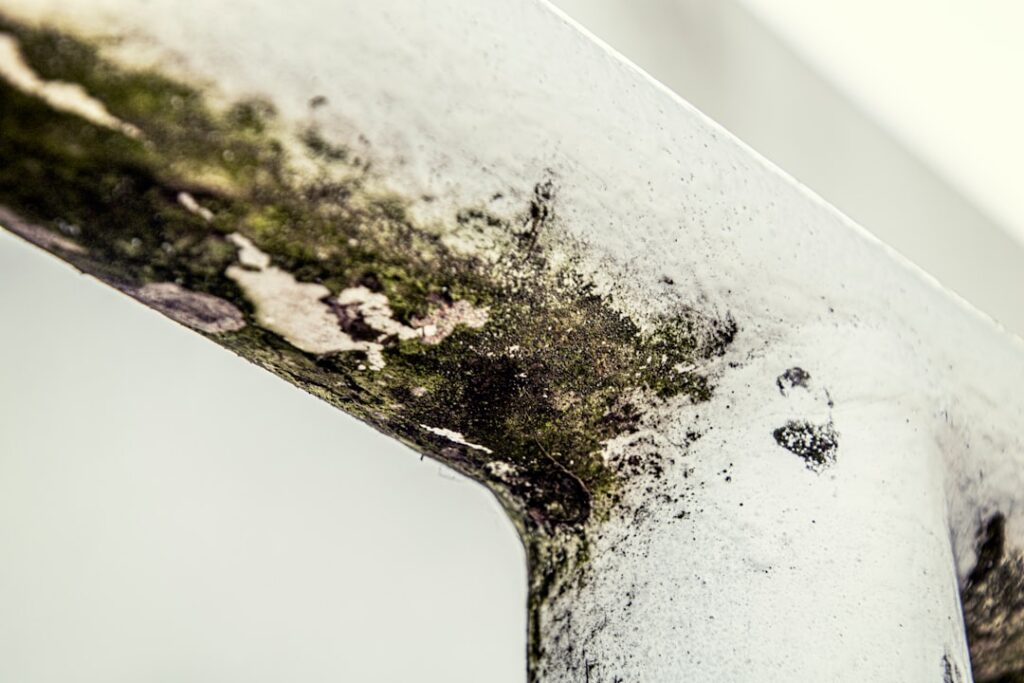
When mold spreads beyond a small patch, most homeowners eventually look for help, and the phrase that comes up is “certified mold remediation contractor.” But certification means different things depending on who issued it, and the term carries no single legal standard nationwide. Knowing what credentials actually signal, and what a competent contractor should do regardless of the letters after their name, protects you from both scams and incomplete work. This guide summarizes EPA and CDC guidance current as of 2026 and is educational rather than a substitute for professional or medical advice.
Part of our How to Become a Home Inspector guide — start there for the full picture →
Is this mold, asbestos, or water damage? Get a free instant screen
Upload a clear photo of the suspect area. You'll get an instant AI screening opinion and what to do next. This is screening guidance, not a professional determination.
Screening guidance only. AI can be wrong. Confirm asbestos, mold type, or lead with lab testing or a licensed professional before acting.
What Is a Certified Mold Remediation Contractor?
A certified mold remediation contractor is a professional or company that has completed training and credentialing from an industry body covering mold assessment, containment, removal, and post-cleanup verification. Certification typically demonstrates that the holder understands containment, personal protective equipment, HEPA filtration, moisture control, and the standards published by groups like the EPA.
The important nuance is that certification is not the same as state licensing. Some states require licenses for mold work; many do not. Where no license exists, a recognized certification becomes one of the few objective signals you can rely on, alongside insurance, references, and a clear written scope. Certification confirms training, but it does not guarantee a particular job will be done well, which is why verification still matters.
Which Certifications Carry Weight
Several organizations train and credential remediation professionals. Credentials from established industry bodies focused on indoor environments, restoration, and inspection standards are the most widely recognized. Home-inspection associations such as InterNACHI and the American Society of Home Inspectors also offer mold-related training and ethical standards that overlap with remediation knowledge.
Rather than memorizing acronyms, focus on what a credential implies. A meaningful certification requires coursework, sometimes an exam, and continuing education. Ask the contractor which body issued their certification, whether it is current, and what it covered. A professional will answer plainly. Vague responses, or a logo that cannot be traced to a real organization, are warning signs.
Why Certification Alone Is Not Enough
A common mistake is treating certification as the finish line of vetting. It is the starting point. The EPA stresses that successful remediation depends on correcting the moisture source and following sound containment and cleaning practices, not on any single credential.
There is also a structural conflict to watch for. When the same company performs the inspection, the removal, and the only clearance test, it is grading its own homework. Independent assessment or clearance testing keeps the incentives honest. Our guide to choosing a reputable mold remediation company covers how to separate genuine professionals from firms that lean on certification logos to justify inflated bids.
What a Proper Scope of Work Should Include
A certified contractor worth hiring documents the job before touching it. A solid scope of work names the moisture source and how it will be corrected, the boundaries of the affected area, the materials to be removed versus cleaned, the containment and filtration to be used, and the standard the finished area must meet.
It should also state how completion will be verified. That might be a visual confirmation that no mold remains and surfaces are dry, sometimes paired with independent air or surface sampling. A written scope gives you something concrete to hold the contractor to, and a record for any future home sale. If a contractor resists putting the plan in writing, that tells you something.
How Certification Differs From Experience
Certification confirms that a contractor completed structured training, but it does not measure how many real jobs they have completed or how well. A newly certified technician and a firm with two decades of fieldwork can hold the same credential. That is why experience belongs alongside certification in your evaluation rather than behind it.
Ask how long the company has handled mold work specifically, not general construction or carpet cleaning. Ask about jobs similar to yours in size and type, such as basement seepage, HVAC contamination, or post-flood drying. A contractor who has solved your kind of problem repeatedly will describe the likely challenges before you raise them. Certification opens the door; demonstrated experience is what tells you the person walking through it knows what to do once inside. The strongest candidates pair a current credential with a track record they can point to and references who confirm it.
Understanding What You Are Paying For
A certified contractor’s invoice covers more than labor and disposal. It reflects containment materials, HEPA-filtered equipment, protective gear, the time spent diagnosing and correcting the moisture source, controlled drying, and the documentation that supports an insurance claim or future disclosure. When a bid seems high, asking for the line items usually explains the difference.
Conversely, an unusually low bid often signals omitted steps: no containment, no moisture diagnosis, or cleaning of materials that should be removed. Those omissions are invisible at signing and expensive later, when the mold returns and a second crew has to redo the work. Value in remediation is not the lowest price; it is the complete job that holds. A certified professional should be able to walk you through exactly what each part of the estimate buys and why it belongs in the scope.
The Remediation Process a Certified Contractor Follows
Assessment and Moisture Source
The contractor identifies where water is entering and measures moisture in materials. Mold is a symptom; water is the cause. Skipping this step guarantees regrowth.
Containment and Filtration
The work area is isolated with sheeting and negative air pressure using HEPA-filtered equipment so spores do not migrate. The scale matches the problem.
Removal and Cleaning
Saturated porous materials are discarded; salvageable surfaces are HEPA vacuumed and damp wiped. Our overview of HEPA vacuuming during remediation explains why filtered, sealed equipment is essential here.
Drying and Verification
Dehumidifiers and air movers bring moisture readings back to normal, and the job closes with documented verification.
How to Vet a Contractor Before Hiring
Start by confirming the basics: current certification, general liability insurance, and ideally pollution or mold-specific coverage. Ask for references from recent jobs of similar size and call them. Request a written, itemized scope rather than a single lump-sum number with no detail.
Then probe the process. Will they establish containment? What filtration will they use? How will they confirm the moisture source is fixed? Who performs the clearance test? A certified professional answers these comfortably. Someone who deflects, pressures you to sign immediately, or refuses to identify the water source is not someone to trust with your home. Reviewing the broader mold inspection and testing hub first will help you recognize a thorough answer from a thin one.
Cost and Value
Certified contractors are not always the most expensive option, but they should be able to justify their pricing with a detailed scope. Costs scale with the size of the affected area, the difficulty of access, whether the HVAC system is involved, and the repairs needed after removal. Getting two or three written estimates lets you compare scope, not just price.
The cheapest bid sometimes reflects a contractor who plans to skip containment or leave the moisture source unaddressed, which costs more later when the mold returns. Value lies in a complete job that does not have to be redone.
Questions to Ask Before You Sign
A short list of direct questions reveals a great deal about a contractor’s competence and honesty. Ask who issued their certification and whether it is current. Ask what insurance they carry, including pollution or mold-specific coverage. Ask how they will identify and correct the moisture source, because mold without a water fix is a temporary repair.
Then ask about the work itself. Will they establish containment and negative air pressure? What filtration will they use during cleaning? Which porous materials will be removed versus cleaned, and why? How will completion be verified, and who performs that verification? Finally, ask for references from recent jobs of similar size and actually call them. A certified professional answers these comfortably and in detail. Vague responses, pressure to sign immediately, or refusal to identify the water source all signal that the certification is doing more marketing than meaning.
Certification, Licensing, and State Rules
Because requirements differ by state, part of vetting is knowing what your state actually demands. Some states license mold assessors and remediators separately and even prohibit one company from performing both the assessment and the remediation on the same property, precisely to remove the conflict of interest. Other states have no licensing at all, which places more weight on certification, insurance, and references.
A reputable contractor knows the rules where they work and follows them without prompting. If you are in a state with licensing, confirm the license is active and matches the work being proposed. If you are in a state without it, lean harder on independent verification and documented credentials. Either way, the EPA’s remediation guidance provides a neutral benchmark you can hold any contractor to, regardless of the local regulatory picture. Asking a contractor how their process aligns with that guidance is a fair and revealing question.
Red Flags That Should Give You Pause
Several patterns recur among low-quality or predatory operators. One is the contractor who quotes a price before inspecting the property, which is impossible to do responsibly. Another is the firm that both performs the only clearance test and the removal, grading its own work. A third is heavy reliance on fear, especially dramatic claims about a single toxic mold species that the CDC notes are not well supported.
Watch also for unwillingness to put the scope in writing, refusal to name or address the moisture source, and pressure to authorize work the same day. None of these behaviors is consistent with the careful, documented approach a genuine professional follows. A certification logo on a truck does not override these warning signs; the process and paperwork do.
How Certified Contractors Verify Their Own Work
A defining habit of a competent remediation firm is that it builds verification into the job rather than treating it as an afterthought. Throughout the work, technicians take moisture readings to confirm materials are drying on schedule, and they document conditions with photos before, during, and after. This running record is what lets a contractor demonstrate that the area met the cleanup standard, not just that it looks clean.
The strongest evidence, though, comes from outside the firm. Independent clearance testing by a separate assessor checks the finished area against the surrounding environment and confirms the air is back to normal. Because the tester has no stake in the removal, the result carries more weight than the contractor’s own assurance. A certified professional welcomes this arrangement; resistance to independent verification is itself informative. When a firm insists on being the sole judge of its work, you lose the one check that protects you most.
When a Certified Contractor Is Worth It
For small surface mold on hard materials, many homeowners can clean safely themselves with proper precautions. A certified remediation contractor earns their fee when the affected area is large, when mold is inside walls or the HVAC system, when there has been flooding, or when a household member has asthma, allergies, or a weakened immune system and should not be exposed to the work.
In those cases, the combination of training, containment, and documentation justifies the cost. The goal is not just a clean-looking room but a dry, verified space with the underlying water problem solved.
References
- Mold Remediation Guidance — U.S. Environmental Protection Agency
- About Mold and Health — Centers for Disease Control and Prevention
- Mold Inspection and Remediation Resources — InterNACHI
- A Brief Guide to Mold, Moisture and Your Home — U.S. Environmental Protection Agency
Frequently asked questions
Is a certified mold remediation contractor the same as a licensed one?
Not necessarily. Certification comes from industry training bodies, while licensing is set by states. Some states require a license; many do not. Where licensing is absent, certification, insurance, and references become the key signals.
Should the same company test and remove the mold?
It is better to keep them separate. When one company performs both the removal and the only clearance test, it grades its own work. Independent assessment or verification keeps incentives honest.
What should a written scope of work include?
The moisture source and its fix, the boundaries of the affected area, materials to be removed or cleaned, containment and filtration methods, and how completion will be verified.
How do I confirm a contractor's certification is real?
Ask which organization issued it, whether it is current, and what it covered. Genuine credentials trace back to an identifiable industry body. Untraceable logos or vague answers are warning signs.
If you are on the Front Range and want help vetting a remediation professional before you sign anything, reach out through our contact page and we can connect you with a qualified local inspector.