Mold Remediation Contractors Near Me: How to Choose
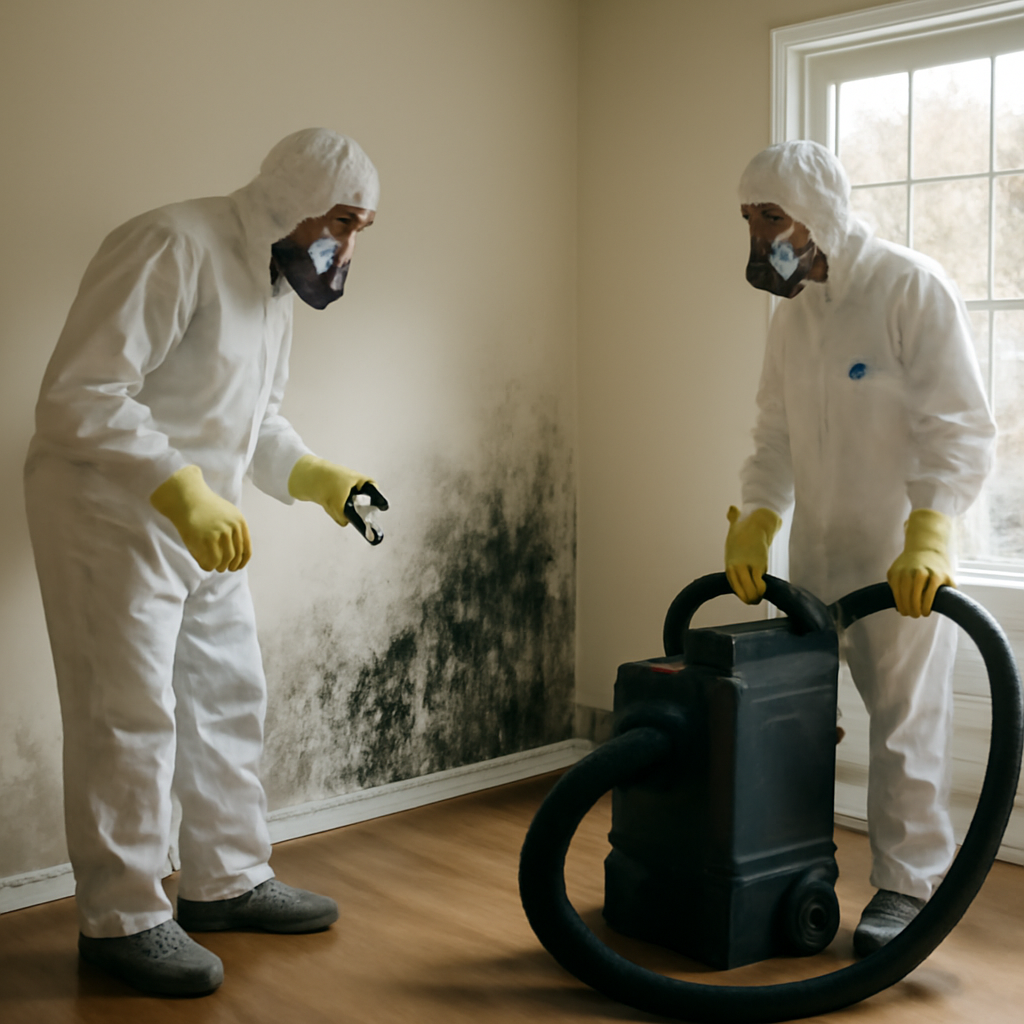
Typing “mold remediation contractors near me” returns a long list, but the quality behind those listings varies widely. Choosing well comes down to credentials, a clear scope tied to the moisture source, and a contract that protects you. This guide summarizes EPA and CDC guidance current as of 2026 and is educational only; consult your physician about any symptoms and verify a contractor’s licensing and insurance directly before hiring.
Part of our Mold Removal & Remediation guide — start there for the full picture →
Is this mold, asbestos, or water damage? Get a free instant screen
Upload a clear photo of the suspect area. You'll get an instant AI screening opinion and what to do next. This is screening guidance, not a professional determination.
Screening guidance only. AI can be wrong. Confirm asbestos, mold type, or lead with lab testing or a licensed professional before acting.
How do you choose mold remediation contractors near you?
The strongest contractor is the one who diagnoses before prescribing. A reputable remediation company will identify the moisture source, define a written scope, contain the work area, remove or clean affected materials, dry the space, and offer a path to verify the result. The EPA frames remediation as a moisture-first process, so a contractor who proposes a price without first explaining why the area is wet has skipped the most important step.
Beyond process, three factors separate solid contractors from risky ones: documented credentials, independence from the testing party, and transparent bidding. A company that handles all three is far more likely to deliver a durable result than one offering the lowest number with the vaguest scope. The rest of this guide breaks down how to evaluate each.
Credentials and licensing to verify
Mold remediation licensing varies by state. Some states license or register mold professionals; others do not, leaving certification to industry bodies. Look for technicians trained to recognized standards and a company carrying general liability and, ideally, pollution-specific insurance. Ask for proof of both, and confirm the policy is current rather than expired.
Worker safety credentials matter too. OSHA sets requirements for respiratory protection and hazard handling, and a contractor who trains staff to those standards signals broader professionalism. The same diligence you would apply when hiring any home inspection professional applies here: verify, do not assume. For the technical side of diagnosis, our mold inspection and testing hub explains what a credible assessment should contain before remediation begins.
Why independence from testing matters
The EPA and many consumer advocates recommend that the party testing for mold be separate from the party paid to remediate. When one company both tests and remediates, there is a built-in incentive to find more mold and recommend more work. The cleaner arrangement is an independent inspector diagnosing the problem and a separate contractor performing the cleanup. On smaller, obviously visible jobs this separation matters less; on large or disputed ones it matters a great deal.
How to compare bids
Collect at least three written estimates for any substantial job. Compare them on scope, not just price. A useful bid specifies the affected area in square feet, the materials to be removed, the containment method, whether HEPA air scrubbers and negative pressure will be used, the drying plan, and how the moisture source will be corrected.
Beware the bid that is dramatically cheaper than the others; it often omits containment, source repair, or material removal that the job actually needs. Equally, an unusually high bid without a correspondingly larger scope deserves scrutiny. The goal is the bid that matches the diagnosed problem, not the extreme at either end.
What a complete scope of work includes
A professional scope reads like a plan, not a slogan. It names the moisture source and the repair, defines the containment boundary, lists materials slated for removal versus cleaning, specifies HEPA filtration and negative air pressure where appropriate, and describes the drying equipment and timeline. It should also state whether post-remediation verification is included or arranged separately. If a scope is a single line and a number, ask for detail before you sign.
Red flags that should make you walk away
Several warning signs recur across bad experiences. A contractor who pressures you to sign immediately, who cannot or will not name the moisture source, who refuses to put the scope in writing, or who demands large upfront payment before work begins all warrant caution. So does anyone who guarantees to “remove all mold,” since mold spores are naturally present everywhere and the realistic goal is returning to normal, background levels.
Another flag is the company that both insists on its own testing and then quotes a large remediation off that test. While not always improper, the conflict of interest is real, and an independent second opinion costs far less than an inflated remediation. Treat scare tactics about “toxic black mold” with skepticism; the CDC notes the cleanup response is the same regardless of species.
What mold remediation typically costs
Pricing scales with the size and accessibility of the growth and the materials that must be removed. Small, contained jobs in an open area sit at the lower end of the range, while multi-room growth, HVAC contamination, crawl-space or basement work, and extensive drywall and flooring removal climb substantially higher. Reconstruction, repainting, and flooring replacement are usually separate from the remediation line item.
Hidden costs to ask about include containment setup, equipment rental days, disposal fees, and any required testing. For a structured view of how square footage and material removal drive the total, our guide to basement mold remediation cost lays out the cost logic, which applies to most remediation projects regardless of room.
Getting the most value
Value is not the lowest bid; it is the appropriate scope at a fair price with clear documentation. Insisting on a written scope tied to the moisture source, comparing three bids on that scope, and arranging independent verification on larger jobs protects you from both overcharging and undersized work. Spending a little on an independent diagnosis often prevents a much larger overcharge on remediation.
The contract and warranty
Get everything in writing before work starts. The contract should restate the scope, the price, the timeline, payment terms tied to milestones rather than a large upfront sum, and what happens if conditions discovered mid-job change the scope. A clear change-order process prevents surprise charges.
Ask about warranty. A contractor confident in the moisture repair may warranty against regrowth in the treated area for a defined period, contingent on the source actually being fixed. Read what voids the warranty, since recurring growth from a new or unrepaired leak typically falls outside it. Keep all documentation for insurance and any future sale of the home.
Health and safety during the project
Mold exposure can trigger allergic reactions, asthma attacks, and irritation of the eyes, nose, and throat, with greater risk for people who have respiratory conditions or weakened immunity, according to the CDC. During active remediation, sensitive occupants should stay out of the work zone, and containment should keep spores from reaching living areas. A professional crew uses N95 or better respirators, gloves, and eye protection as a matter of routine.
For growth beyond roughly ten square feet, hidden growth inside walls, or HVAC contamination, the EPA suggests professional remediation precisely because containment and HEPA filtration are needed to prevent cross-contamination. A contractor who treats these controls as optional is one to avoid.
Front Range context
Colorado’s dry climate keeps ambient humidity low, which suppresses widespread surface mold compared with humid regions. That does not eliminate the need for remediation. Finished basements, swamp-cooler moisture, ice-dam leaks, and plumbing failures create localized damp pockets across Denver-area homes, and these are the jobs Front Range contractors most often handle.
Because outdoor spore counts here are seasonally low, post-remediation clearance results can stand out clearly against an outdoor control, making verification meaningful. A contractor familiar with regional construction and weather patterns reads these conditions more accurately than one applying a humid-climate playbook.
Understanding the remediation process you are paying for
Knowing the stages of a proper remediation helps you judge whether a contractor’s scope is complete. The first stage is assessment: locating growth and moisture with meters and, where warranted, sampling, then identifying the water source. Skipping or rushing this stage is the most common way a job goes wrong, because everything downstream depends on knowing why the area is wet.
The second stage is containment. The work area is sealed with plastic sheeting, and negative air pressure is established so air flows into the contained zone rather than out of it, preventing spores from migrating to clean rooms. HEPA-filtered air scrubbers run throughout. The third stage is removal and cleaning: porous materials with significant growth, such as saturated drywall, carpet, and insulation, are removed and bagged, while non-porous surfaces are cleaned and HEPA-vacuumed. The fourth stage is drying, using commercial dehumidifiers and air movers to bring materials back to normal moisture content. The final stage is correcting the moisture source and, on larger jobs, verifying the result. A scope that omits any of these stages is incomplete, and a contractor who cannot explain them is one to question.
How verification protects you
Post-remediation verification is the homeowner’s insurance against paying for incomplete work. On larger jobs, an independent professional re-inspects the area visually, takes moisture readings to confirm materials dried, and may collect clearance air samples compared against an outdoor control. The key word is independent: verification performed by the same company that did the remediation carries an obvious conflict of interest.
Build verification into the plan before work starts rather than as an afterthought. Knowing that an independent check will confirm the result gives the contractor an incentive to do the job thoroughly, and it gives you documentation that the work succeeded, which matters for insurance and for any future sale of the home. The modest cost of clearance testing is small relative to discovering months later that the growth returned because the moisture source was never fixed.
Payment terms and how to structure them
Payment structure is a quiet but important protection. Reputable contractors do not demand the full price upfront. A common, fair arrangement ties payments to milestones: a modest deposit to schedule, a payment when containment and removal are complete, and a final payment after drying and any verification. This structure keeps the contractor motivated through the whole job and protects you if work stalls.
Be cautious of any contractor who insists on a large cash payment before starting, who offers a steep discount for paying upfront, or who cannot explain what each payment covers. Get the payment schedule in the written contract alongside the scope, so there is no ambiguity about what triggers each installment. A clear change-order process should also govern any additional charges discovered mid-job, so you are never surprised by a bill for work you did not approve.
Questions to ask before you hire
Bring a short list to every estimate. Ask: What is the moisture source, and how will you repair it? Will you provide a written scope in square feet? How will you contain the area and filter the air? Is testing independent from your remediation? What does your warranty cover and void? Can you provide proof of current liability and pollution insurance? How are payments structured, and what triggers each one? The answers, and how readily a contractor gives them, tell you most of what you need to know. A contractor who answers clearly and puts those answers in writing is demonstrating the same care they will bring to your home.
What the inspection report should tell the contractor
The best remediation jobs start from a solid diagnostic report, ideally produced by an inspector independent of the remediation company. That report should name the moisture source, document the extent of growth with photos and moisture readings, and distinguish active growth from old, dried staining. When a contractor works from this kind of report, the scope is grounded in evidence rather than guesswork, and you can hold the work to a clear target.
Without such a report, a contractor is left to both diagnose and price the job, which is where conflicts and inflated scopes arise. If you have an independent inspection in hand, share it with each bidder so their estimates address the same defined problem, making the bids genuinely comparable. If you do not, consider commissioning one before soliciting bids on a large job; the modest cost buys a neutral baseline that protects you from paying for work the situation does not require.
Handling the unexpected during a job
Mold jobs sometimes reveal more than the initial assessment showed, because growth can hide behind walls and under flooring until demolition begins. A professional contractor handles this through a written change-order process: when conditions differ from the scope, they document the new finding, explain the additional work, and get your approval before proceeding. This protects you from surprise charges and keeps you in control of the budget.
Be wary of a contractor who discovers extensive additional work the moment demolition starts, especially if it was not hinted at during assessment. While genuine surprises happen, a pattern of mid-job upsells can signal either a poor initial assessment or an opportunistic approach. The protection is the same in either case: insist that any change be documented and approved in writing before the work and the charge proceed, with the original scope and the change order both retained for your records.
Documentation to keep after the job
When the work is done, the paperwork has lasting value. Keep the diagnostic report, the written scope, before-and-after photos, any lab results, the verification or clearance documentation, and the final invoice. This package supports an insurance claim, satisfies a buyer’s questions if you later sell the home, and provides a baseline if mold ever recurs in the same area.
For real-estate purposes especially, documentation that an independent professional verified the remediation succeeded is far more persuasive than a contractor’s own assurance. It demonstrates that the moisture source was addressed and that spore levels returned to normal background. Treating the project’s paperwork as a permanent home record, rather than disposable receipts, turns a one-time expense into an asset that protects the home’s value.
That same documentation also shortens future troubleshooting. If a new stain appears in a different room a year later, having the prior scope, photos, and verification on hand lets a contractor rule out the old area quickly and focus on the new source. The record becomes a baseline that saves time and money on any subsequent moisture concern, which is one more reason to file it carefully rather than discard it once the immediate job is done. A complete file also reassures a future buyer that the problem was handled professionally rather than papered over, which can matter when the home eventually goes on the market.
References
- Mold Cleanup in Your Home — U.S. Environmental Protection Agency
- About Mold and Health — Centers for Disease Control and Prevention
- Mold Hazards and Worker Protection — Occupational Safety and Health Administration
- A Brief Guide to Mold, Moisture and Your Home — U.S. Environmental Protection Agency
Frequently asked questions
How do I verify a mold remediation contractor's credentials?
Confirm licensing where your state requires it, ask for proof of current general liability and pollution insurance, and look for technicians trained to recognized industry and OSHA standards. Verify documents directly rather than taking claims at face value.
Should the same company test and remediate mold?
The EPA and many advocates recommend keeping testing independent from remediation to avoid a conflict of interest. On large or disputed jobs, use an independent inspector to diagnose and a separate contractor to remediate.
How many bids should I get for mold remediation?
Get at least three written estimates and compare them on scope, not just price. A bid that is far cheaper often omits containment, source repair, or material removal the job actually needs.
What are warning signs of a bad mold contractor?
Pressure to sign immediately, refusal to name the moisture source or put the scope in writing, large upfront payment demands, and promises to remove all mold are red flags. Spores are everywhere, so the realistic goal is returning to normal background levels.
Does mold remediation come with a warranty?
Some contractors warranty against regrowth in the treated area for a defined period, contingent on the moisture source being repaired. Read what voids it, since growth from a new or unrepaired leak typically falls outside the warranty.
Front Range homeowners weighing remediation bids can reach out through our contact page to connect with a vetted local inspector for an independent read on the moisture source and scope.