How Much Does Mold Remediation Cost in 2026?
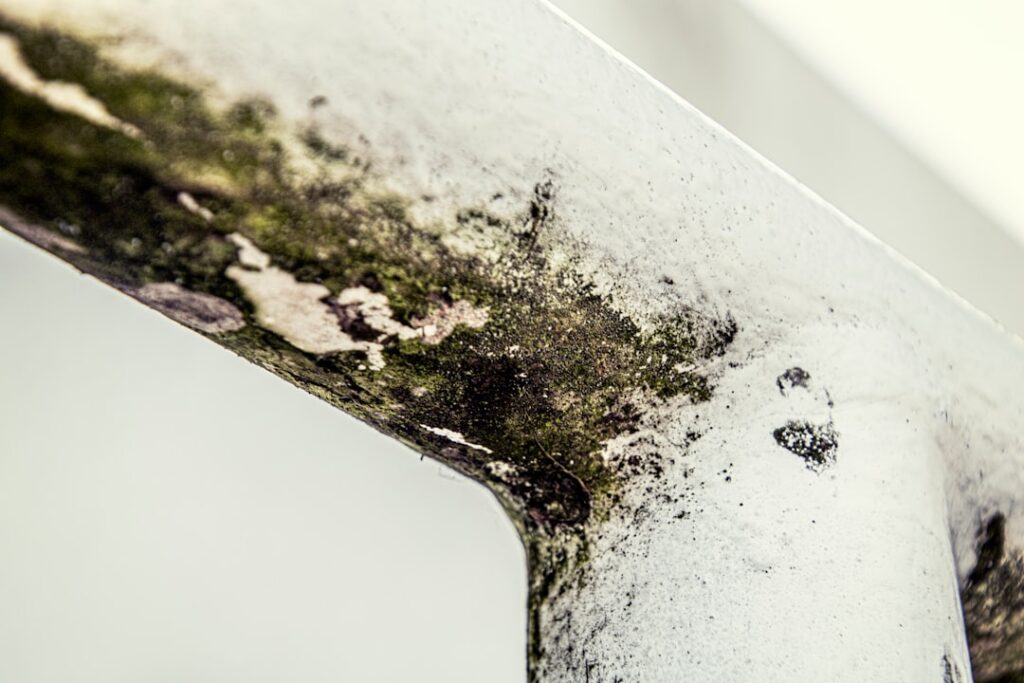
How much does mold remediation cost is one of the first questions homeowners ask once they find growth, and the honest answer is a wide range. A small area you clean yourself might cost the price of supplies, while a large professional job involving hidden growth and structural drying can run into the thousands. The variables that drive that range are predictable, so understanding them helps you anticipate a fair estimate. This guide summarizes general industry estimates and EPA and CDC guidance current as of 2026; it is informational only, so consult a physician about health symptoms and a certified professional for a specific quote.
Is this mold, asbestos, or water damage? Get a free instant screen
Upload a clear photo of the suspect area. You'll get an instant AI screening opinion and what to do next. This is screening guidance, not a professional determination.
Screening guidance only. AI can be wrong. Confirm asbestos, mold type, or lead with lab testing or a licensed professional before acting.
How Much Does Mold Remediation Cost: Typical Ranges
As a broad framework, industry estimates commonly fall into a few tiers. A small DIY cleanup of visible surface mold often costs roughly $50 to $200 in supplies. A modest professional remediation of a contained area frequently lands somewhere in the several-hundred-dollar range. Larger or more complex professional projects, involving multiple rooms, hidden growth, or significant material removal, can run from about $1,500 up to $6,000 or more.
These figures are general estimates, not quotes. Actual prices vary by region, by the extent of the problem, and by the contractor. The EPA frames roughly 10 square feet of growth as the rough dividing line between a typical homeowner cleanup and a job that often warrants professional help, and that line tends to correspond to where costs climb.
What “Remediation” Actually Includes
Remediation is more than wiping a surface. A professional job typically includes assessing the extent of growth, containing the work area to prevent spore spread, removing and disposing of unsalvageable porous materials, cleaning salvageable surfaces, drying the structure, and often a post-work check. The price reflects this full scope, not just the cleaning.
Containment alone, with plastic barriers and negative air pressure, adds labor and equipment cost but protects the rest of the home. Disposal of contaminated drywall, carpet, and insulation adds material and hauling costs. Understanding what you are paying for makes an estimate easier to evaluate.
The Biggest Cost Driver: Extent
The size and spread of growth is the single largest factor. A patch of mold on bathroom tile costs far less to address than growth that has spread through wall cavities across several rooms. Cost roughly scales with the square footage affected and the number of areas involved.
Hidden growth multiplies cost because it requires investigation and often demolition to reach. A musty smell with no visible source can turn into an extensive project once a wall is opened. This is why early detection matters; catching a small problem keeps it in the inexpensive tier. The companion guide on stopping mold from spreading through a home explains how containment limits both damage and price.
Location Within the Home
Where the mold sits affects the bill. Easily accessible surfaces in a finished room are cheaper to address than growth in a crawl space, attic, or HVAC system. Crawl spaces require specialized access and equipment. Mold inside ductwork demands HVAC-specific cleaning. Behind-the-wall and under-floor growth requires demolition and reconstruction.
Basements add their own factors. Front Range homes in counties like Jefferson, Douglas, and Arapahoe often have finished basements where spring snowmelt raises moisture; remediation there may need to address both the growth and the water intrusion that caused it, which broadens the scope.
Material Removal and Reconstruction
Porous materials that absorb mold, such as drywall, carpet, insulation, and ceiling tile, usually cannot be cleaned and must be removed and replaced. Remediation pricing often covers the removal, while replacing and refinishing those materials may be a separate cost or a separate contractor. A job that involves tearing out and rebuilding part of a wall costs considerably more than one that only cleans hard surfaces.
This split between remediation and repair is worth clarifying upfront. The dedicated overview of mold repair and restoration costs covers the rebuild side, which can equal or exceed the remediation itself on larger jobs.
The Underlying Water Problem
Remediation that ignores the moisture source is wasted money, because the mold returns. A thorough job addresses the cause, whether that is a plumbing leak, roof leak, poor drainage, or high humidity. Fixing the source can be a minor plumbing repair or a major drainage and waterproofing project, and that variance shows up in the total.
Because mold can begin growing within 24 to 48 hours of materials getting wet, water damage and mold often arrive together. A job that follows a flood or burst pipe usually combines water extraction, structural drying, remediation, and reconstruction, which sits at the higher end of the cost range.
Testing and Inspection Costs
Pre- and post-remediation assessment may add to the total. A professional inspection to map the extent of growth, or lab sampling to document conditions, carries its own fee. The EPA does not recommend routine testing, but in transactions, disputes, or verification of a finished job, sampling can be worthwhile. The broader homeowner hub on mold inspection and testing explains when assessment is worth its cost.
DIY Versus Professional: The Cost Trade-Off
DIY is the cheapest path when the growth is small, on hard surfaces, and clearly from routine humidity. Supplies, protective gear, and a weekend of work handle many bathroom and kitchen cases. The EPA supports homeowner cleanup for areas generally under about 10 square feet.
Professional remediation costs more but is the safer choice for large areas, hidden or HVAC-related growth, flood-related damage, and households with members who have asthma, allergies, or weakened immune systems. The trade-off is between upfront savings and the risk of an incomplete job that lets growth return or spread.
How to Get a Fair Estimate
Collect quotes from more than one qualified contractor and ask each to describe the scope in writing: assessment, containment, what will be removed, drying, and any reconstruction. Be cautious of a quote far below the others, which may signal skipped containment or an incomplete moisture fix. Ask whether the source of moisture is addressed and whether post-work verification is included. A detailed estimate is easier to compare than a single headline number, and it protects you from paying twice for the same problem.
How Professionals Estimate a Remediation Job
Understanding how a contractor builds an estimate helps you read a quote critically. A professional typically assesses the extent of visible and suspected growth, identifies the moisture source, determines which materials must be removed versus cleaned, and accounts for containment, labor, equipment, disposal, and any post-work verification. The quote bundles these into a total, ideally itemized.
Square footage of affected area is the usual anchor, but it is adjusted for accessibility, contamination level, and complexity. A contained 20-square-foot patch on an accessible wall is a very different job from 20 square feet spread across a crawl space ceiling. Asking the contractor to walk you through how they arrived at the number turns an opaque figure into something you can evaluate and compare.
Insurance and Mold Remediation Costs
Whether insurance helps with remediation depends heavily on the cause. Many homeowner policies cover mold only when it results from a covered peril, such as a sudden burst pipe, while excluding mold from long-term leaks, neglect, or flooding. Coverage and limits vary widely, so the cause and the policy language determine whether you pay out of pocket.
Because of this, documentation matters. If a sudden water event caused the growth, photographing the source and the damage promptly and contacting your insurer early can affect whether costs are covered. Reading your policy’s mold provisions before a problem arises avoids surprises. When mold stems from a slow, unaddressed leak, homeowners usually bear the full cost, which is another reason early detection and prompt repairs pay off financially.
Hidden Costs People Overlook
The headline remediation number rarely captures the full spend. Reconstruction to replace removed drywall, flooring, and trim is often separate. The moisture-source repair, from a plumbing fix to drainage work, may be its own line item or its own contractor. Temporary relocation during a large job, content cleaning or replacement, and any required testing all add up.
Anticipating these from the start prevents budget shock midway through. When you collect quotes, ask explicitly what is and is not included, whether reconstruction and the moisture fix are covered, and whether any testing is part of the price. A complete picture of remediation plus repair plus source correction gives a realistic budget, while focusing only on the remediation line invites underestimating the true cost.
Getting Value From Your Remediation Spend
The best way to control remediation cost is to act early, because small problems stay in the inexpensive tier while neglected ones spread into the costly one. Detecting and fixing moisture promptly, drying wet materials within the critical window, and addressing leaks before they fester all keep future remediation bills low. When a job is necessary, comparing detailed written quotes, confirming the moisture source is addressed, and verifying the work afterward protect the money you spend. Remediation done thoroughly once, with the cause corrected, is cheaper over time than repeated partial fixes that let growth return and the bill recur.
Regional Differences in Remediation Cost
Where you live affects what remediation costs. Labor rates, the local cost of living, and regional demand all shape pricing, so the same job can cost noticeably more in a high-cost metro than in a rural area. Climate matters too: regions with high humidity or frequent water events see more mold work and a more developed remediation market. Along the Colorado Front Range, finished basements and seasonal snowmelt create their own patterns of moisture-driven growth. When comparing a quote to a national estimate, adjust for your local market rather than assuming a single figure applies everywhere. A price that seems high against a general benchmark may be entirely normal for your area.
Questions to Ask Before You Hire
A few pointed questions help you judge a remediation quote. Ask how the contractor determined the extent of growth, whether containment is included, which materials will be removed versus cleaned, and how the structure will be dried. Ask whether the moisture source will be addressed and whether any post-work verification is part of the price. Confirm whether reconstruction is included or separate. Request the scope and price in writing, itemized where possible, and get more than one quote. A contractor who answers these clearly and documents the plan is easier to trust than one offering a single low number with no detail. Clear answers protect you from paying twice for an incomplete job.
References
- EPA guidance on mold cleanup and when to hire a contractor — U.S. Environmental Protection Agency
- EPA mold remediation guide on scope and containment — U.S. Environmental Protection Agency
- CDC information on mold cleanup and health considerations — Centers for Disease Control and Prevention
For a clear, written remediation estimate, Front Range homeowners can reach a vetted local professional through our contact page.