How Much Is Mold Remediation? Cost Factors
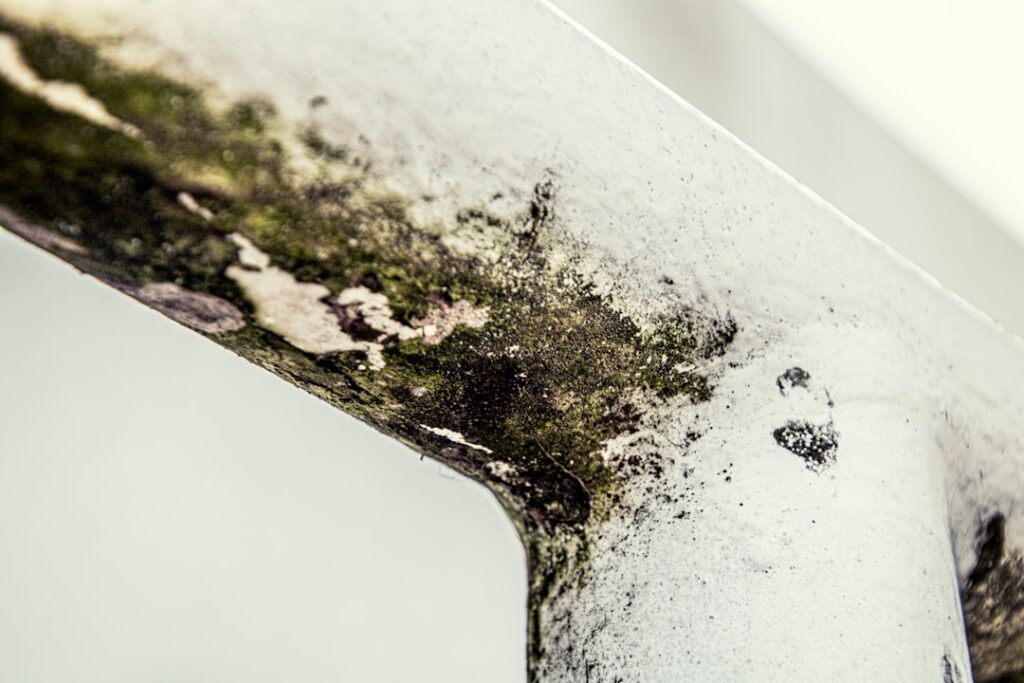
Few mold questions matter more to homeowners than the cost. Once growth is found, the next worry is what fixing it will run, and quotes can vary dramatically from one company to the next. Understanding how much mold remediation costs, and more importantly what drives those numbers, lets you read a quote critically and avoid overpaying. This guide explains the typical ranges and the factors that move them. It summarizes EPA and trade-association guidance current as of 2026 and frames all figures as general ranges; get itemized quotes for your specific situation, and consult a physician for health symptoms.
Is this mold, asbestos, or water damage? Get a free instant screen
Upload a clear photo of the suspect area. You'll get an instant AI screening opinion and what to do next. This is screening guidance, not a professional determination.
Screening guidance only. AI can be wrong. Confirm asbestos, mold type, or lead with lab testing or a licensed professional before acting.
How much mold remediation typically costs
Industry estimates place most residential mold remediation across a wide band, from a few hundred dollars for a small, contained patch to several thousand for extensive growth involving multiple rooms or hidden areas. A small bathroom job sits near the bottom; a whole-basement or crawl-space remediation with structural repairs reaches the top. Because every situation differs, treat any single number with caution. The honest answer is that cost scales with the size and difficulty of the problem.
The biggest factor: size of the affected area
The square footage of mold is the strongest driver of price. The EPA’s rough ten-square-foot threshold separates small DIY-scale problems from professional jobs, and beyond that, cost rises roughly with the area to be cleaned, the material to be removed, and the labor involved. A contained patch is inexpensive. Growth spreading through walls, ceilings, and floors across several rooms multiplies the labor, materials, and equipment needed.
Location of the mold
Where the mold grows affects both difficulty and price. Easily accessible surfaces cost less to treat than mold inside wall cavities, in crawl spaces, in attics, or within HVAC systems. Confined or hard-to-reach areas demand more labor, specialized equipment, and sometimes structural disassembly. Crawl space and attic remediation, covered in the guides on crawl space mold removal and attic mold remediation, often costs more than an equivalent area on an open wall.
The moisture source and repairs
Remediation that does not fix the water source fails, so correcting the moisture is part of any real quote. The cost of that repair varies enormously. A simple ventilation upgrade is cheap; repairing a roof, fixing foundation drainage, or installing a crawl space vapor barrier adds substantially. When comparing quotes, check whether moisture correction is included or quoted separately, since omitting it makes a low bid misleading.
Materials that need replacing
Porous materials soaked with mold, including drywall, insulation, carpet, and carpet padding, usually cannot be cleaned and must be removed and rebuilt. The more material that needs replacing, the higher the cost, because you are paying for both removal and reconstruction. A job that only requires cleaning hard surfaces costs far less than one that involves tearing out and rebuilding walls or flooring.
Containment and equipment
Larger jobs require containment barriers, negative-air machines, HEPA air scrubbers, and commercial dehumidifiers. Setting up and running this equipment adds to the cost but is essential for preventing spores from spreading. A small contained patch needs little of this; a major remediation may run multiple machines for days. The pillar hub on mold inspection and testing explains why proper containment is non-negotiable on bigger jobs.
Testing and verification costs
Pre-work assessment and post-work clearance testing add to the total but provide value. An independent inspection documents the scope before work begins, and clearance testing confirms the job succeeded. Some homeowners skip these to save money, but for larger jobs or real-estate transactions, the documentation is often worth it. Budget for testing separately, since remediation companies may or may not include it.
How to read a remediation quote
A good quote itemizes the scope: the area to be treated, materials to be removed and replaced, containment and equipment, moisture correction, and any testing. Vague quotes that promise to handle the mold for a lump sum make comparison impossible and hide what is or is not included. The related cost-estimating walkthrough shows how to break a job into its components so you can compare bids fairly.
Why the cheapest quote isn’t always best
A low bid sometimes means a company is skipping steps: no containment, no moisture correction, or no removal of saturated materials. That cheaper job often fails within months, costing more in the long run. Compare quotes on what they include, not just the bottom line. A slightly higher bid that addresses the moisture source and removes compromised materials is usually the better value.
Ways to keep costs reasonable
Catching mold early is the most effective cost control, since a small problem is far cheaper than an extensive one. Fixing leaks and humidity promptly prevents growth from spreading. Getting multiple itemized quotes reveals the fair range and exposes outliers. For small, hard-surface patches under about ten square feet, careful DIY cleaning following EPA guidance avoids a professional bill entirely.
Small jobs versus large jobs
The gap between a small remediation and a large one is wide. A small, contained patch on an accessible hard surface, just over the DIY threshold, involves limited labor, minimal equipment, and little material replacement, keeping it near the bottom of the range. A large job spanning multiple rooms, with hidden growth, structural repairs, and extensive drying, multiplies every cost component at once. Honestly placing your situation on this spectrum is the fastest way to set realistic expectations.
How hidden mold changes the price
Mold confined to visible surfaces is the cheapest scenario. Once growth is suspected behind walls, under floors, or above ceilings, the cost climbs because crews must open cavities, remove and rebuild materials, and treat areas the original quote may not have anticipated. This is why a thorough assessment before work begins matters: discovering hidden growth mid-job often leads to change orders that inflate the final bill beyond the initial estimate.
Labor and regional cost differences
Labor is a large share of any remediation bill, and labor rates vary by region. Costs in a high-demand metro area typically run higher than in a rural one. Front Range homeowners will find pricing that reflects local labor markets rather than national averages. When comparing quotes, remember that a higher figure may reflect local rates and a more complete scope rather than overcharging, which is why itemized comparison beats comparing bottom-line totals alone.
What insurance may cover
Insurance sometimes offsets remediation cost, depending on the cause. Many policies cover mold resulting from a sudden, covered event such as a burst pipe, while excluding mold from long-term humidity or neglected maintenance. The coverage details and any mold-specific caps vary by policy. Documenting the moisture source and damage supports a claim, and contacting the insurer early clarifies what is covered before you commit to paying out of pocket.
Budgeting for the moisture repair separately
Homeowners frequently focus on the cost of removing the mold and forget the repair that prevents its return. Fixing a roof, correcting drainage, upgrading ventilation, or installing a crawl space vapor barrier can rival or exceed the remediation itself. Treat the moisture repair as its own budget line. A quote that omits it may look cheaper but leaves the underlying problem in place, which means paying again when the mold comes back.
Cost by location in the home
Where the mold sits shapes the bill. Bathroom and surface mold on accessible walls tends toward the lower end. Basement remediation runs higher when foundation moisture and finished materials are involved. Crawl space and attic work carries a premium for confined-space labor and moisture controls like vapor barriers. HVAC contamination adds duct cleaning and system work. Knowing that location drives cost helps you understand why two jobs of similar size can be quoted very differently.
Emergency versus planned remediation
Timing affects price too. A mold problem discovered alongside active water damage, such as after a burst pipe or flood, often involves emergency water extraction and drying on top of the remediation, raising the total. A planned remediation of an established but stable problem can be scheduled and scoped more economically. Acting promptly when water intrudes, before mold takes hold, is the cheapest scenario of all, which again rewards early attention over delay.
How to compare bids fairly
The fairest comparison lines up the components, not the totals. Put each quote’s scope side by side: area treated, materials removed and replaced, containment and equipment, moisture correction, and testing. A bid missing a major line is not cheaper, it is incomplete. Ask each company to itemize so the comparison is apples to apples. The goal is to find the quote that addresses the whole problem at a fair price, not simply the lowest number on the page.
What testing adds to the total
Assessment and clearance testing are separate costs that some homeowners overlook. A pre-work inspection documents the scope and an independent post-work test confirms the job succeeded by comparing indoor spore levels to outdoor baselines. For a small patch you might skip formal testing, but for a large job, a real-estate transaction, or a health-related concern, the documentation is usually worth the modest added cost. Budget for it as its own line rather than assuming the remediation quote includes it.
Hidden costs that surprise homeowners
Several costs catch homeowners off guard. Discovering hidden growth mid-job leads to change orders that raise the price. Reconstruction of removed walls, flooring, or insulation can rival the removal cost. Moisture-source repairs like roofing or drainage work add up. Temporary relocation during extensive work is another possibility. Anticipating these from the start prevents sticker shock and helps you judge whether a low initial quote is realistic or is simply omitting work that will appear later.
Is remediation worth the cost
Weighed against the alternative, remediation usually justifies its price. Ignored mold spreads, damages structure and materials, lowers home value, and can affect the air occupants breathe, all of which cost more over time. A properly scoped remediation that fixes the moisture source resolves the problem rather than postponing it. The expense feels large up front, but compared with repeated cleanups, structural repair, and a stigmatized home at sale time, addressing it correctly once is the economical path.
Getting accurate quotes
The only way to know your real cost is to invite two or three companies to assess the problem and provide itemized written quotes. A quote based on an actual inspection beats any calculator or rough range, because it reflects the specific size, location, materials, and moisture source in your home. Ask each company to break the price into components so you can compare scopes rather than just totals. Accurate quotes from a proper assessment turn a guessed range into a real budget.
When to call a professional
Professional remediation is warranted when growth exceeds about ten square feet, when it involves crawl spaces, attics, or HVAC systems, when it keeps returning, when contaminated water is involved, or when household members have respiratory symptoms. Get at least two or three itemized quotes, confirm each includes moisture correction, and weigh value over the lowest number. For a small isolated patch on a hard surface, DIY cleaning is usually the economical choice.
References
- Mold Cleanup in Your Home — U.S. Environmental Protection Agency
- A Brief Guide to Mold, Moisture and Your Home — U.S. Environmental Protection Agency
- About Mold and Your Health — Centers for Disease Control and Prevention
- Mold Inspection Guidance — InterNACHI
Before you accept a remediation quote in the Denver metro or Front Range, get in touch through our contact page to connect with a vetted independent inspector who can confirm the scope is fair.