Attic Mold Remediation: What Homeowners Need to Know
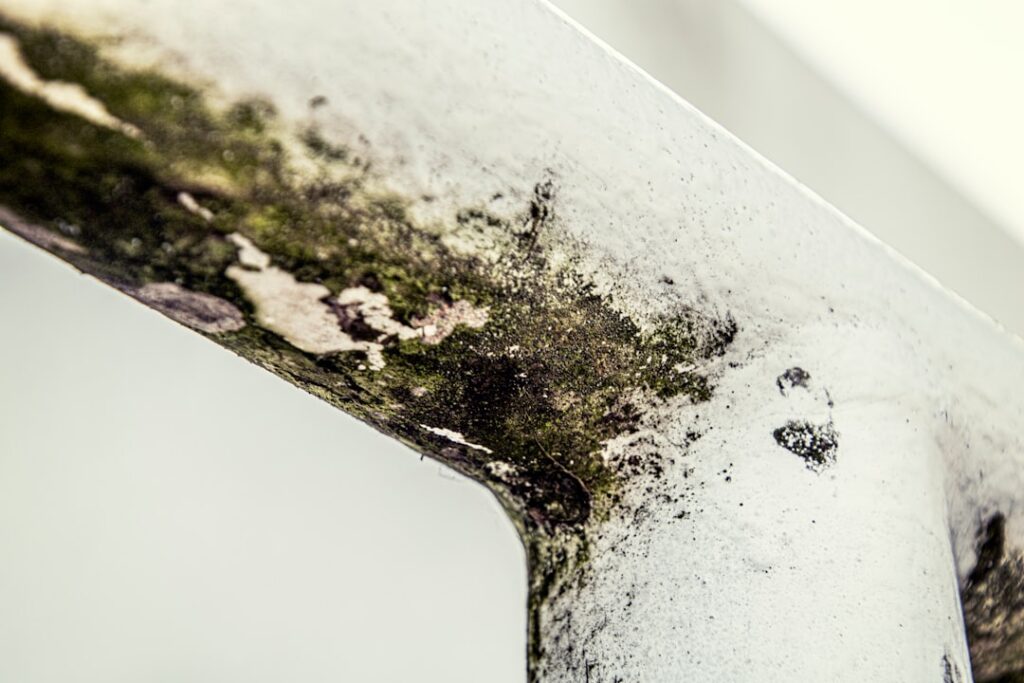
Attic mold often goes unnoticed for years because few homeowners venture up there. It usually turns up during a roof replacement, a home sale inspection, or after a leak makes itself known. Attic mold remediation is the process of removing that growth from rafters and sheathing and, just as important, fixing the ventilation or moisture problem that caused it. This guide explains how the work is done and how to keep it from coming back. It summarizes EPA and CDC guidance current as of 2026; consult a physician about symptoms and a certified professional for testing decisions.
Is this mold, asbestos, or water damage? Get a free instant screen
Upload a clear photo of the suspect area. You'll get an instant AI screening opinion and what to do next. This is screening guidance, not a professional determination.
Screening guidance only. AI can be wrong. Confirm asbestos, mold type, or lead with lab testing or a licensed professional before acting.
What attic mold remediation involves
The sequence follows standard mold practice scaled to the attic: contain the area, clean or treat the affected wood, dry the space, and correct the moisture source. Because most attic surfaces are structural framing and roof sheathing rather than removable drywall, remediation often emphasizes cleaning wood rather than tearing it out.
Severely delaminated sheathing may need replacement, but sound framing with surface growth can usually be cleaned and dried.
Why attics grow mold
Attic mold almost always traces to one of two problems: poor ventilation or a moisture source. When warm, humid indoor air leaks into a cold attic, it condenses on the underside of the roof deck and feeds mold. Blocked soffit vents, missing ridge vents, and bathroom or dryer fans venting into the attic are common culprits.
Roof leaks are the other major cause. Along the Front Range, ice damming in winter and wind-driven storms can push water under shingles and into the deck.
How to recognize attic mold
Look for black, gray, or white staining on the underside of the roof sheathing and on rafters, especially near the eaves and ridge. Frost or condensation on nails and the roof deck in winter is a warning sign. A musty smell in the upper floor of the house can also point to attic growth. Our guide on finding mold in your house covers tracing odor to its source.
Inspection before remediation
A proper assessment identifies the moisture source first. Inspectors check ventilation, look for daylight or staining indicating roof leaks, measure attic humidity, and test wood moisture content. The EPA notes that if mold is visible, testing is usually unnecessary to justify removal, but documentation helps in real estate transactions.
Skipping the moisture diagnosis is the top reason attic mold returns after a cleanup.
The remediation process
Containment and protection
Crews seal the attic access and use HEPA-filtered negative air to keep spores out of the living space. Workers wear respirators and protective suits because attics concentrate heat and exposure.
Cleaning the wood
Methods include HEPA vacuuming, detergent scrubbing, wire brushing, and sometimes soda or dry-ice blasting for heavy growth. The EPA emphasizes physical removal over chemical killing.
Drying and finishing
The attic is dried to safe wood moisture content. Some firms apply a clear sealant to cleaned wood, though this is cosmetic and does not replace fixing the moisture source.
Fixing ventilation and leaks
This is the step that makes remediation last. Common fixes include clearing or adding soffit and ridge vents to restore airflow, sealing air leaks from the living space into the attic, and rerouting bathroom and dryer exhaust to vent outdoors. Roof leaks must be repaired and damaged sheathing replaced.
Adequate insulation and air sealing at the attic floor reduce the warm, moist air that drives condensation.
What attic mold remediation costs
Pricing depends on attic size, severity, access, and whether sheathing needs replacement. Industry estimates generally place straightforward cleanups in the low-to-mid four figures, with ventilation upgrades and roof repairs adding cost. Extensive structural replacement raises the total significantly.
Request itemized quotes that separate cleaning, drying, ventilation work, and any roofing repairs so bids can be compared fairly.
Can you DIY attic mold removal?
Attics are hard places to work safely. Tight clearances, heat, exposed insulation, and the risk of stepping through the ceiling make DIY remediation risky beyond a very small, dry patch. The EPA’s 10-square-foot guideline applies, and anyone with respiratory issues should not enter a moldy attic. For most attic mold, hiring a professional is the safer choice.
Preventing attic mold from returning
Prevention is mostly airflow and moisture control. Keep soffit vents clear, ensure balanced intake and exhaust ventilation, vent all fans outdoors, and maintain the roof to prevent leaks. Air sealing the attic floor stops humid household air from rising into the cold attic. Our guide on how to prevent mold growth covers the building-science basics.
When to call a professional
Call a remediation specialist if growth is widespread, if sheathing is delaminating or soft, if there is an active roof leak, or if the cause is unclear. A pro can diagnose ventilation problems, remediate safely, and coordinate roofing repairs. This is especially worthwhile before buying or selling a home with attic mold. For broader guidance on testing and inspection, see our mold inspection hub for homeowners.
The ventilation problem behind most attic mold
Most attic mold traces back to a ventilation imbalance rather than a dramatic leak. An attic is designed to breathe, drawing cool air in through soffit vents at the eaves and exhausting it through ridge or gable vents near the peak. When that airflow is blocked or unbalanced, warm moist air from the living space accumulates and condenses on the cold underside of the roof deck.
Insulation stuffed into the eaves is a frequent culprit, choking off soffit intake. Painted-over or buried vents, an undersized ridge vent, or a powered fan fighting against natural flow can all disrupt the system. Restoring balanced intake and exhaust is often the single most important fix, because it removes the condensation that feeds the mold in the first place.
Exhaust fans that vent into the attic
One of the most common and avoidable causes of attic mold is a bathroom or dryer exhaust fan that dumps moist air into the attic instead of outdoors. Every shower and every load of laundry then pumps warm humid air directly into the cold attic, where it condenses on the sheathing and feeds mold all winter long.
The fix is straightforward: route every exhaust fan through an insulated duct to a dedicated roof or wall vent that discharges outside. Checking where your fans actually terminate is worth doing even if you have no visible mold yet, because correcting a misdirected vent prevents a problem before it starts. This is one of the highest-value moisture fixes in the whole attic.
Air sealing the attic floor
Beyond ventilation, stopping warm household air from reaching the attic is key. Gaps around recessed lights, plumbing penetrations, the attic hatch, and top plates let conditioned, humid air leak upward through the stack effect. In a cold attic, that moisture-laden air condenses and feeds mold on the roof deck.
Sealing these leaks with appropriate materials, then ensuring adequate insulation at the attic floor, keeps the warm moist air where it belongs and lets the attic stay cold and dry. Air sealing and ventilation work together; doing one without the other often leaves the moisture problem only partly solved. A qualified contractor can identify the leak points and seal them safely.
Ice dams and winter moisture
Along the Front Range and in other cold climates, ice dams are a seasonal driver of attic and roof moisture. When heat escaping into the attic warms the roof deck, snow melts, runs to the cold eaves, and refreezes into a dam that backs water up under the shingles. That water finds its way into the sheathing and can feed mold as well as rot.
Preventing ice dams comes back to the same fundamentals: air seal the attic floor, insulate adequately, and ventilate so the roof deck stays uniformly cold. Addressing these reduces both the ice dam and the attic mold, since both stem from warm air and moisture reaching the roof deck. It is a clear example of how one set of fixes solves multiple problems.
Cleaning methods for attic wood
Because attic surfaces are mostly structural framing and sheathing, remediation emphasizes cleaning wood rather than removing it. HEPA vacuuming lifts loose spores, detergent scrubbing handles surface growth, and wire brushing or media blasting, such as soda or dry ice, addresses heavier colonization. The EPA’s principle of physical removal over chemical killing guides all of these methods.
Some firms apply a clear encapsulant to cleaned wood afterward, which improves appearance and can seal residual staining, but it is cosmetic and does not substitute for fixing the moisture source. Sheathing that is delaminated or soft has lost integrity and needs replacement rather than cleaning. Our guide on black mold on wood covers when wood can be saved.
Attic mold and home sales
Attic mold frequently surfaces during a real estate transaction, when a buyer’s inspector ventures into a space the seller rarely entered. Discovered late in a deal, it can stall negotiations, trigger demands for remediation, or prompt a price concession. Sellers who address it proactively, with documentation, often fare better than those caught by surprise at inspection.
For buyers, attic mold is worth understanding rather than fearing. It is usually a ventilation or moisture problem that can be corrected, not an automatic dealbreaker, but it should be evaluated for cause and extent before closing. An inspection that identifies the source gives both parties a clear basis for negotiating who handles the fix. Our mold inspection hub outlines what a thorough attic assessment covers.
Preventing attic mold long term
Keeping an attic mold-free is a matter of maintaining the conditions that keep it dry. Verify that soffit vents stay clear and that intake and exhaust ventilation remain balanced. Confirm every exhaust fan vents outdoors. Keep the attic floor air-sealed and well insulated, and inspect the roof periodically so leaks are caught and repaired before they soak the deck.
An annual look into the attic, especially in late winter when condensation problems show themselves, catches trouble early. Frost on nails, damp sheathing, or the first signs of staining are warnings to act before mold takes hold. Our guide on how to prevent mold growth covers the building-science basics that apply throughout the home.
When to inspect your attic
Late winter is the ideal time to check an attic for moisture problems, because condensation issues reveal themselves when the roof deck is coldest. Look for frost on nail tips, damp or darkened sheathing, and the first hints of staining near the eaves and ridge. A musty smell on the top floor is another prompt to look up.
Catching these signs early, before mold establishes and before rot develops, keeps a minor ventilation fix from becoming a major remediation. An annual attic look costs nothing and protects one of the home’s most overlooked spaces from quietly accumulating a moisture problem.
References
- Mold Cleanup in Your Home — U.S. Environmental Protection Agency
- A Brief Guide to Mold, Moisture and Your Home — U.S. Environmental Protection Agency
- About Mold and Your Health — Centers for Disease Control and Prevention
- Mold Inspection Basics — InterNACHI
If you are on the Front Range and want a vetted inspector to evaluate attic mold and its ventilation cause before you buy or remediate, reach out through our contact page for a qualified local referral.