Home Mold Remediation Cost: What Homeowners Need to Know
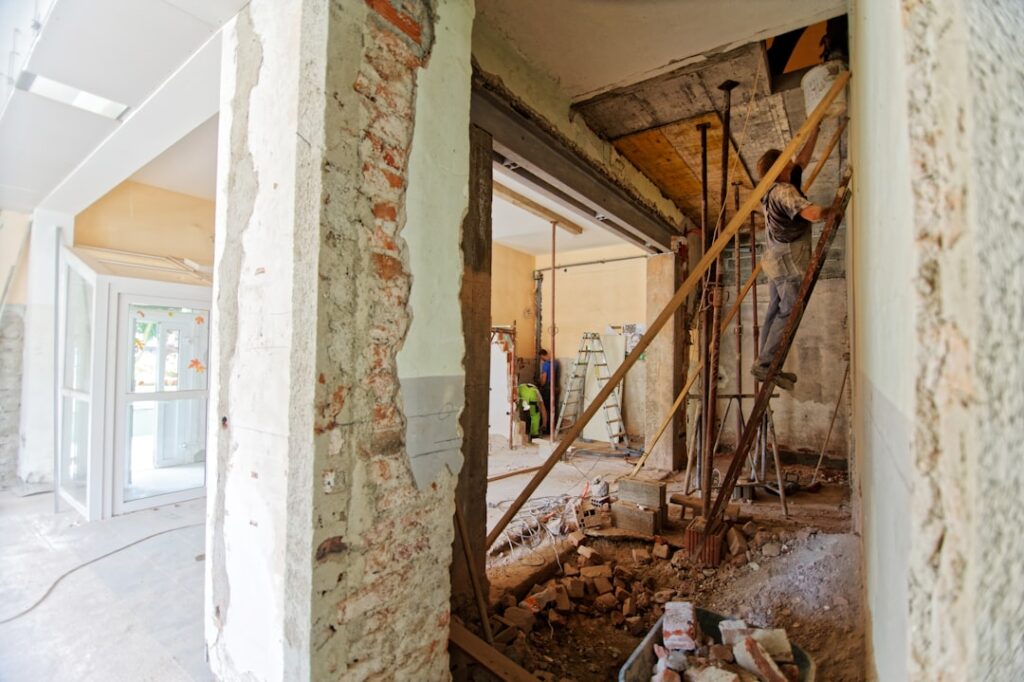
Few home-repair quotes feel as unpredictable as mold cleanup, where two contractors can look at the same wall and price it hundreds of dollars apart. The wide spread is not usually a sign of dishonesty; it reflects genuine differences in scope, in how each contractor reads the hidden extent of the problem, and in whether the quote includes the moisture repair and rebuilding. Understanding home mold remediation cost means understanding what actually drives the number: the size of the affected area, where the mold is hiding, the moisture source, and how much rebuilding follows the cleanup. This guide summarizes EPA and CDC guidance current as of 2026 alongside published industry pricing; it is educational only and does not replace a written estimate from a qualified remediation professional or medical advice from your physician about symptoms.
Is this mold, asbestos, or water damage? Get a free instant screen
Upload a clear photo of the suspect area. You'll get an instant AI screening opinion and what to do next. This is screening guidance, not a professional determination.
Screening guidance only. AI can be wrong. Confirm asbestos, mold type, or lead with lab testing or a licensed professional before acting.
What does home mold remediation cost on average?
Published industry figures put a typical residential remediation in the range of roughly $1,200 to $3,500 for a moderate, contained job. Small isolated patches on a hard surface can cost as little as a few hundred dollars, while whole-home, HVAC-involved, or post-flood projects climb to $6,000, $10,000, or more. These are national ballparks, not quotes; local labor rates, accessibility, and the moisture-correction work required all shift the final figure.
It helps to separate three cost layers that often get blended on an invoice: the inspection and any testing, the remediation itself, and the build-back of removed materials such as drywall, trim, and flooring. A low headline price sometimes excludes build-back, so comparing estimates means comparing scopes, not just totals.
Pricing models also vary between contractors. Some quote by the square foot of affected area, some by the room or by a flat project price, and some bill time and materials for unpredictable jobs. None is inherently better, but the model affects how a quote behaves if the scope grows once walls are opened. A square-foot or flat quote gives more certainty, while time-and-materials can climb if hidden growth turns out to be extensive. Asking which model a contractor uses, and what happens if the job proves larger than expected, prevents an unwelcome surprise on the final invoice.
Typical price ranges by job size
Small areas (under about 10 square feet)
The EPA considers hard-surface growth under roughly 10 square feet manageable for a careful homeowner, so professional cleanup of a small patch, perhaps in a single bathroom corner, often runs a few hundred dollars when a pro is hired at all. Materials and a service-call minimum drive this tier more than labor hours.
Moderate areas (one room or wall assembly)
A single affected room or wall cavity, with containment and partial drywall removal, commonly lands in the $1,200 to $3,500 range. This is the most typical residential scenario and where the average homeowner’s project usually sits.
Large or hidden growth
Mold inside multiple rooms, HVAC ductwork, or behind extensive water damage can reach $6,000 to $15,000 or more. Crawl spaces and basements often fall here because of access challenges and the drainage or vapor-barrier work needed to stop recurrence. Our guide on crawl space mold remediation cost breaks down those below-grade variables specifically.
What is included in a remediation price
Understanding what the number buys helps you judge whether a quote is complete. A typical professional remediation price covers the labor and equipment for containment, the removal and bagging of contaminated porous materials, HEPA vacuuming and cleaning of salvageable surfaces, and the drying phase with dehumidifiers and air movers. It may or may not include the moisture-source repair, the build-back of removed drywall and trim, and pre- or post-remediation testing, which is why two quotes can look very different for the same wall.
Equipment is a quiet but real line item. Negative-air machines, HEPA air scrubbers, commercial dehumidifiers, and air movers are either rented or amortized into the price, and on a multi-day job that runs across several days of drying, those costs add up. Disposal fees for bagged materials, especially after sewage or extensive contamination, also factor in. A contractor who breaks these elements out on the estimate is easier to compare against than one who quotes a single lump sum, because you can see exactly where the money goes and what might be missing.
What drives the cost up or down
Several factors explain why estimates vary so much for seemingly similar problems:
- Square footage of growth. More area means more labor, materials, and disposal.
- Location and access. Wall cavities, crawl spaces, and HVAC systems cost more than open walls.
- Moisture source. Fixing a leak, adding a sump pump, or correcting grading adds to the bill but prevents a repeat.
- Containment and equipment. Negative-air setups, HEPA scrubbers, and dehumidifiers carry rental and labor cost.
- Build-back. Replacing drywall, paint, trim, and flooring can rival the cleanup cost itself.
- Testing. Pre- and post-remediation assessment, required in some states, adds a few hundred dollars.
The single biggest hidden driver is the moisture source. The EPA is emphatic that mold returns to any surface that stays wet, so a quote that ignores the water problem is a quote for a job that will need redoing. Our overview of how mold remediation works shows where moisture correction fits in the sequence.
Does insurance cover mold remediation?
Coverage hinges on the cause. Most homeowner policies cover mold only when it results from a sudden, accidental, covered peril, such as a burst pipe or an overflow from a covered appliance failure. Mold from gradual seepage, deferred maintenance, flooding, or high humidity is typically excluded, and many policies cap mold remediation at a low sublimit even when it is covered.
Practical steps: read your policy’s mold endorsement, document any sudden water event with dated photos immediately, and report it promptly. Flooding generally falls under separate flood insurance, not a standard policy. When in doubt, ask the insurer in writing what is and is not covered before remediation begins.
Cost by location in the home
Where the mold lives shapes the bill as much as how much there is, because access and the surrounding repairs differ from room to room.
Bathrooms
Bathroom mold is common and often caught early around tubs, showers, and poorly vented ceilings. Surface growth on tile and caulk is among the cheapest to address, though mold that has reached drywall behind a shower surround raises the cost with demolition and tile work.
Basements and crawl spaces
Below-grade spaces are frequently the most expensive, not because mold there is worse, but because access is awkward and the moisture source, seepage, high water tables, or poor drainage, often requires a sump pump, vapor barrier, or grading work to correct. Crawl space encapsulation can add significantly to a project.
Attics
Attic mold usually traces to roof leaks or poor ventilation that traps warm, moist air against the sheathing. Costs depend on whether ventilation must be added and how much sheathing or insulation needs cleaning or replacement.
HVAC systems
Mold in ductwork or an air handler is costly because the system can spread spores throughout the home and because professional duct cleaning and component replacement are specialized work. This is also a scenario the EPA flags as warranting professional help rather than DIY.
Hidden costs homeowners overlook
The headline remediation figure rarely captures the full project. Several costs ride alongside it:
- Moisture-source repair, from a plumbing fix to a new sump pump or regrading, which is essential to prevent recurrence.
- Build-back, the drywall, paint, trim, and flooring that replace removed materials, which can rival the cleanup cost.
- Testing, pre- and post-remediation assessment that some states require and that adds a few hundred dollars.
- Temporary lodging, if a large job makes part of the home unusable during work and drying.
- Content cleaning or replacement for furniture, clothing, and belongings affected by the growth.
Asking each contractor to itemize these line items, rather than quoting a single lump sum, is the best way to compare bids honestly and avoid a low number that balloons once the omitted work is added back.
How to read and compare estimates
A trustworthy estimate is itemized. Look for a clear scope of work, the affected square footage, the containment method, what materials will be removed, the moisture-correction plan, and whether build-back and post-remediation verification are included. Vague flat-rate quotes with scare-tactic language are a warning sign.
When comparing bids, make sure each one covers the same scope. One contractor may include drywall replacement and clearance testing while another quotes cleanup only; the cheaper number may cost more once the missing pieces are added. In states that license remediators, confirm the credential; in states that do not, lean on IICRC certification, insurance proof, and references. The mold inspection and testing hub explains when independent verification is worth its cost.
Does licensing change the cost?
Where you live affects the bill because of how states regulate the trade. A handful of states, including Florida, Texas, and New York for larger jobs, license mold assessors and remediators and often require them to be separate parties, plus mandatory clearance documentation. That structure adds the cost of a separate assessment and post-remediation verification, typically a few hundred dollars each, but it also provides consumer protection and paperwork that can matter in a future home sale.
Most states have no mold-specific license, so the work is governed by general contractor rules and voluntary IICRC certification. In those markets the homeowner shoulders more of the vetting, and prices vary more widely because scopes are less standardized. Neither system is inherently cheaper; the licensed states bundle in protections you pay for, while unlicensed states leave it to you to insist on a written protocol and independent clearance. Either way, the moisture-correction work and build-back drive the total far more than the licensing overhead does.
Ways to keep remediation costs down
Cost control starts with early detection, because a small problem caught quickly is far cheaper than widespread growth discovered after months of hidden moisture. A few habits and decisions help:
- Fix leaks immediately, within the 24-to-48-hour window before wet materials grow mold.
- Control humidity below 60 percent so condensation never feeds growth.
- Handle truly small patches yourself where the EPA considers it safe, saving the service call.
- Get itemized competitive bids so no contractor pads the scope.
- Insist the moisture source is fixed, since paying twice for a recurrence is the most expensive outcome of all.
The cheapest remediation over the life of a home is almost always the one that addresses the water for good, even if it costs a little more up front than a cleanup that ignores the source.
When to call a professional versus DIY
The EPA’s threshold is practical: a homeowner can usually clean a hard-surface patch under about 3 feet by 3 feet with an N95 respirator, gloves, and eye protection, keeping the cost to supplies alone. Larger areas, wall-cavity or HVAC growth, and anything tied to sewage or flooding warrant a professional, where the cost reflects containment, equipment, and expertise. People with asthma, allergies, or weakened immune systems should not perform their own cleanup and should consult a physician about symptoms.
The cheapest remediation over time is the one that fixes the moisture for good. Spending a little more to correct the water source usually beats paying twice when the mold returns.
References
- Mold Cleanup in Your Home — U.S. Environmental Protection Agency
- About Mold and Health — Centers for Disease Control and Prevention
- A Brief Guide to Mold, Moisture and Your Home — U.S. Environmental Protection Agency
If you want a clear read on the moisture behind a mold problem before collecting quotes, you can reach out through our contact page to connect with a vetted inspector in your area.