How Much Does Mold Removal Cost? A Guide
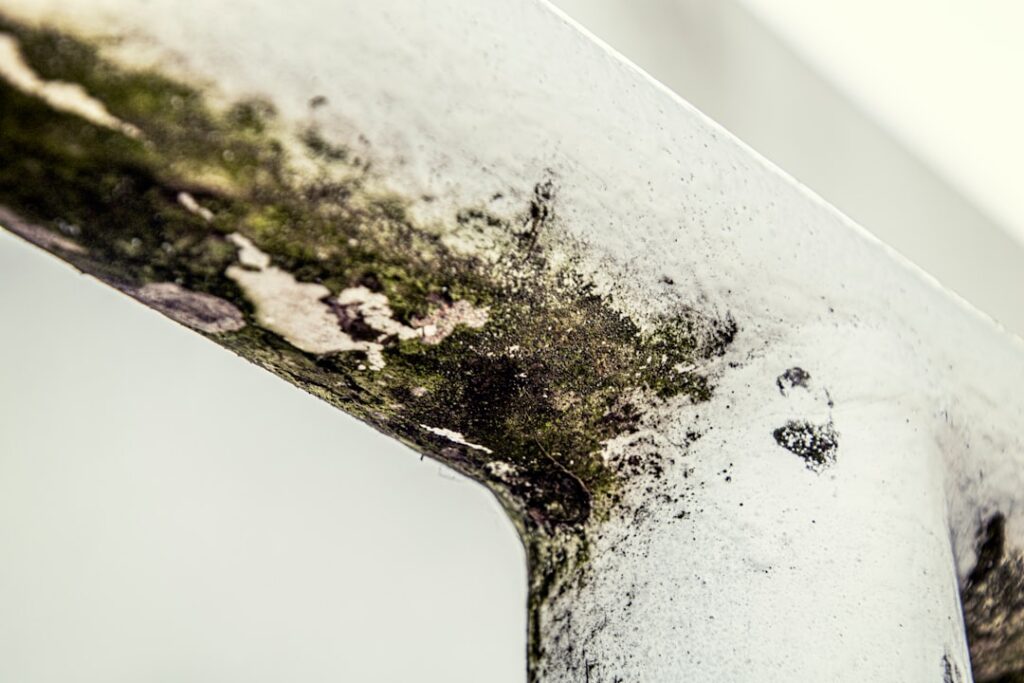
It is the first question every homeowner asks once they spot growth, and the answer never fits on a sticker. How much does mold removal cost depends on how big the problem is, where it hides, and what caused it. A small patch you handle yourself runs a few dollars; a hidden, widespread infestation can climb into five figures. This guide summarizes EPA and CDC guidance current as of 2026; consult your physician for symptoms and a certified professional for testing decisions. The figures below reflect published industry ranges, not a quote for any specific Front Range home.
Is this mold, asbestos, or water damage? Get a free instant screen
Upload a clear photo of the suspect area. You'll get an instant AI screening opinion and what to do next. This is screening guidance, not a professional determination.
Screening guidance only. AI can be wrong. Confirm asbestos, mold type, or lead with lab testing or a licensed professional before acting.
How much does mold removal cost on average?
Industry estimates put most professional remediation jobs roughly between 1,500 and 6,000 dollars, with small contained cleanups lower and major infestations climbing well beyond. Many firms price by area, often somewhere in the range of 15 to 30 dollars per square foot for accessible surfaces.
A single moldy bathroom wall might cost a few hundred dollars professionally. A flooded basement with mold across joists, insulation, and drywall can exceed 10,000 dollars once demolition and rebuilding enter the picture. The spread of the growth is what moves the number.
What determines the price
Three factors dominate: size, location, and cause. The EPA treats roughly 10 square feet as the line between a do-it-yourself job and one worth hiring out, and every square foot beyond that adds cost.
Where the mold sits matters as much as how much there is. Open-wall growth is cheap to reach; mold inside a crawl space, behind finished walls, or under a subfloor multiplies the labor. Our companion piece on mold removal cost breaks down the line items further.
Cost by area of the home
Bathrooms and small rooms usually fall at the low end because growth is visible and surfaces are hard. Basements run higher, thanks to persistent moisture sources and large volumes of porous material like drywall and carpet.
Attics add the cost of working around insulation, and crawl spaces are often the priciest per square foot because of confined-space labor and vapor-barrier work. Our crawl space mold remediation guide explains why those jobs run high.
DIY versus hiring a professional
For hard-surface patches under about 10 square feet, the EPA says homeowners can usually clean up themselves. Your cost is then an N95 respirator, gloves, eye protection, detergent, and perhaps a dehumidifier, generally under 100 dollars.
Professional remediation adds containment, HEPA filtration, negative air pressure, and safe disposal. That equipment and labor is the gap between a weekend project and a multi-thousand-dollar contract. The trade-off is thoroughness and safety on larger or hidden jobs.
The cost of fixing the moisture source
Removal is only half the equation. If mold grew because of a roof leak, burst pipe, or poor grading, fixing that water source is a separate and non-negotiable cost. Skip it and the mold returns, making the first invoice money wasted.
That repair might be a quick plumbing fix or a major roofing job, so it can swing the total budget significantly. Always treat the moisture fix as part of the real cost of mold removal.
Reconstruction and hidden costs
When remediation removes moldy drywall, insulation, or flooring, you are left with a rebuild. Budget for new materials, paint, and labor on top of the removal line. Larger demolitions mean larger reconstruction bills.
Testing, when warranted, typically adds a few hundred dollars. Disposal fees for contaminated materials and, in older homes, asbestos abatement uncovered during demolition can add more. Ask each contractor what their quote does and does not include.
Does insurance help?
Coverage hinges on the cause. Many homeowner policies cover mold only when it results from a sudden, covered event such as a burst pipe, and exclude mold from long-term leaks or deferred maintenance.
Check your policy’s mold endorsement and cap, which often limits payouts to a few thousand dollars. Document the water source and the damage with photos before cleanup starts, since insurers want a clear cause-and-effect chain.
How to get an accurate quote
Request at least two or three itemized bids from certified local firms. A legitimate quote lists affected square footage, containment, removal and disposal, HEPA cleaning, and drying. Vague flat fees with no scope are a warning sign.
Be cautious of firms that test and remediate their own work, a conflict of interest. Independent assessment before and after gives you a cleaner picture. The mold inspection and testing hub explains how to use independent verification.
Typical price ranges by job type
A small surface job, such as a bathroom wall or a closet corner under about 10 square feet, often costs a few hundred dollars professionally, and far less if you do it yourself. Mid-size jobs involving moderate drywall removal across a room move into the low thousands.
Whole-room or whole-basement remediation, especially after water intrusion, commonly runs from several thousand into the low five figures once removal, drying, and rebuilding are included. Attic and crawl space work sits high because of access. These are ranges, not quotes; your home’s specifics set the real number.
Labor versus materials
Most of a mold removal bill is labor, not materials. Containment setup, careful demolition, HEPA cleaning, and drying take skilled hours, and that time scales with the size and difficulty of the job. Materials, the replacement drywall, insulation, and paint, are usually the smaller share.
This is why hard-to-reach growth costs so much more than the same square footage on an open wall. You are paying for the slow, careful labor of working in a crawl space or behind finishes, not for expensive supplies.
How to compare quotes fairly
Put quotes side by side and match the line items, not just the totals. Confirm each includes assessment of affected area, containment, removal and disposal, HEPA cleaning, drying, and the moisture-source repair. A quote missing any of these is cheaper because it is doing less.
Ask each contractor to explain what happens if hidden growth turns up mid-job, and how change orders are handled. A clear, itemized quote from a firm that separates assessment from removal is usually worth more than a vague low bid.
When DIY genuinely saves money
DIY makes sense for small, accessible, hard-surface patches with an obvious and fixable moisture source. A bathroom wall fed by a missing fan, for instance, is a reasonable weekend project once you add ventilation.
It stops making sense when growth is hidden, large, tied to flooding or sewage, or paired with health concerns. In those cases, the equipment and expertise of a professional prevent the far larger cost of a job done halfway. Right-sizing the response is the real money-saver.
Front Range pricing notes
Denver metro costs generally track at or slightly above national averages. In older Boulder, Jefferson, and Adams county homes, remediation that uncovers pre-1980 asbestos triggers separate abatement, which adds to the total and cannot always be predicted from the surface.
Wide gaps between bids usually reflect different scopes, not different skill. Compare exactly what each contractor includes before you judge a price as high or low, and let the most complete scope, not the lowest number, guide your decision.
Testing costs and when they apply
Mold testing is a separate expense from removal, and it does not always belong in the budget. The EPA notes that when mold is already visible, sampling is generally unnecessary because the cleanup response is the same regardless of species. Paying for testing in that case mostly buys paperwork.
Testing earns its place when growth is suspected but hidden, when you want to compare indoor spore levels against an outdoor baseline, or when you need to verify a completed remediation. A basic visual inspection commonly runs in the low-to-mid hundreds, with lab sampling adding a few hundred more depending on the number of samples collected.
Why the same problem costs different amounts
Two homeowners can have what looks like the same mold patch and receive very different quotes, and the difference usually traces to access and what lies behind the surface. A colony on an open, painted wall is cheap to reach and clean. The same square footage inside a finished basement wall, an attic, or a crawl space multiplies the labor hours dramatically.
Finish quality compounds it. Removing builder-grade drywall and reinstalling it is inexpensive, while tearing out custom tile, hardwood, or a finished basement and rebuilding to match costs far more. When comparing quotes, the spread often reflects these realities rather than one contractor simply charging more for identical work.
Getting the most from your spend
The best return on a mold budget comes from sequencing the work correctly. Start with an independent assessment so you know the true scope, then hire remediation to that scope, and finally verify the result. This order prevents paying for work you do not need and catches work that was left undone.
Handling the cosmetic rebuild yourself, repainting and reinstalling trim after the professionals finish the technical remediation, trims labor cost without compromising the critical containment and drying steps. Spending where expertise matters and saving where it does not is how homeowners keep a necessary project from spiraling.
How the moisture source affects the bill
The cause of the mold often costs more to fix than the mold itself. A burst supply line is a quick plumbing repair, but a failing roof, a cracked foundation, or grading that channels rain toward the house can each run into the thousands. That repair is not optional; skip it and the mold returns, turning the first invoice into wasted money.
When you gather quotes, ask each contractor whether their price includes diagnosing and repairing the water source or only removing the visible growth. Many remediation firms handle the mold but subcontract or exclude the underlying repair, so the true project cost can be meaningfully higher than the headline remediation number suggests.
Questions that protect your budget
Before signing, ask how the firm measures the affected area, since per-square-foot pricing depends entirely on that figure. Ask what triggers a change order and how mid-job surprises, like hidden growth behind a wall, are priced. Confirm whether disposal fees and the cosmetic rebuild are included or billed separately.
Also ask who verifies the finished work. A firm that grades its own job has every reason to call it complete, while independent verification gives you a neutral check. These questions cost nothing to ask and routinely surface thousands of dollars in assumptions that would otherwise land on your final bill.
Budgeting for the full project
Smart budgeting treats mold removal as a project with several phases, not a single line item. Plan for the assessment, the remediation itself, the moisture-source repair, and the reconstruction, plus a contingency for surprises that demolition tends to reveal in older homes.
A reasonable contingency is ten to twenty percent of the estimate, set aside for hidden growth or, in pre-1980 Front Range houses, asbestos discovered during teardown. Building that cushion in keeps a manageable project from becoming a financial shock when the walls come open and the real scope appears.
References
- Mold Cleanup in Your Home — U.S. Environmental Protection Agency
- Mold and Health — U.S. Environmental Protection Agency
- About Mold and Health — Centers for Disease Control and Prevention
- Mold and Indoor Air Quality — Colorado Department of Public Health and Environment
If you are comparing mold removal quotes on the Front Range and want an unbiased second opinion, get in touch here and we will connect you with a qualified local inspector.
Mold removal & cleanup picks
For a small, contained patch (under ~10 sq ft) these EPA-friendly removers handle surface mold. Larger or recurring growth warrants a professional assessment first.
| Product | Why | Buy |
|---|---|---|
 RMR-86 Instant Mold Stain Remover RMR-86 Instant Mold Stain Remover | Fast-acting on stains; ventilate and wear PPE. | Amazon — $18.38 |
 Concrobium Mold Control Concrobium Mold Control | No-bleach formula that also helps prevent regrowth. | Amazon — $13.47 |
 Mold Armor Mold & Mildew Remover Mold Armor Mold & Mildew Remover | Widely stocked bathroom/surface remover. | Amazon — $22.98 |