Crawl Space Mold Remediation: A Homeowner Guide
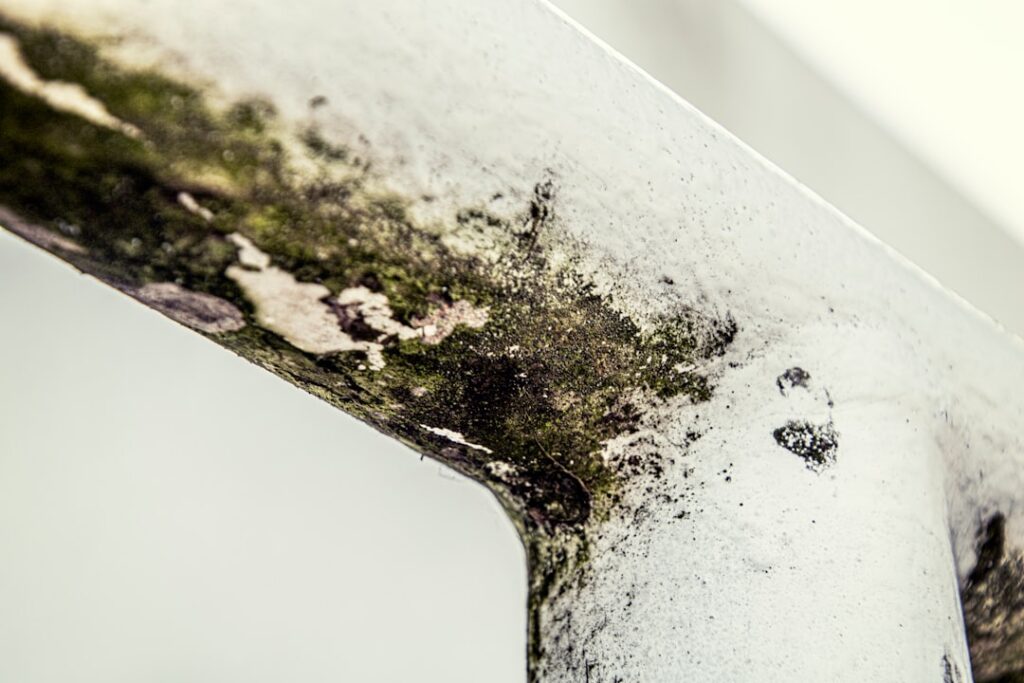
A musty smell drifting up through the floor registers is often the first clue that something is wrong underneath the house. Crawl spaces are dark, poorly ventilated, and frequently damp, which makes them one of the most common places mold takes hold in a home. Crawl space mold remediation is the process of removing that growth, drying the space, and fixing the moisture source so it does not return. This guide summarizes EPA and CDC guidance current as of 2026; consult a physician for health symptoms and a certified professional for testing and removal decisions.
Part of our Crawl Space & Attic Guide guide — start there for the full picture →
Is this mold, asbestos, or water damage? Get a free instant screen
Upload a clear photo of the suspect area. You'll get an instant AI screening opinion and what to do next. This is screening guidance, not a professional determination.
Screening guidance only. AI can be wrong. Confirm asbestos, mold type, or lead with lab testing or a licensed professional before acting.
What crawl space mold remediation actually involves
Remediation is more than wiping down a joist. A proper job follows a sequence: contain the area, remove or clean affected materials, dry everything thoroughly, and address the water problem feeding the growth. The EPA stresses that mold cleanup without moisture control is temporary at best.
In a crawl space, that usually means treating exposed framing, subfloor sheathing, and sometimes insulation. Porous materials that are saturated often get discarded rather than cleaned. Hard surfaces like joists can frequently be cleaned and, where needed, encapsulated.
Why crawl spaces grow mold so easily
Three conditions feed mold: moisture, organic material, and time. Crawl spaces deliver all three. Bare soil releases ground moisture, wood framing offers food, and stagnant air keeps humidity high. Add a plumbing leak or poor grading outside, and growth accelerates.
Along the Front Range, seasonal swings matter too. Spring snowmelt and summer monsoon rains push groundwater up, while tight modern homes trap interior humidity. Counties with clay-heavy soils, common around Douglas and Elbert, can hold water against foundations longer than sandy soils do.
Signs you have a crawl space mold problem
Homeowners rarely see crawl space mold directly. Instead, they notice symptoms upstairs: a persistent earthy odor, allergy flare-ups that ease when away from home, or cupping hardwood floors. Visible fuzz on joists, white or black staining on the subfloor, and condensation on ductwork are stronger signals.
If you suspect a problem, our walkthrough on finding mold in your house covers the inspection order that helps you trace odor back to its source.
Inspection and testing before remediation
Before any cleanup, the moisture source needs to be identified. A moisture meter reading on the subfloor, a relative humidity check, and a visual scan for water staining tell most of the story. Air or surface sampling can confirm species, but the EPA notes that if mold is visible, testing is usually unnecessary to justify removal.
Testing matters more in disputes, real estate transactions, or when occupants report unexplained symptoms. A baseline reading also helps verify the job worked after remediation.
Step-by-step crawl space remediation
Containment and protection
Crews seal the work zone and use HEPA-filtered negative air to keep spores from migrating into living space. Workers wear respirators, gloves, and disposable suits because crawl spaces concentrate exposure.
Removal and cleaning
Saturated insulation and severely damaged sheathing come out. Framing gets HEPA vacuuming and surface treatment. Wire brushing or soda blasting may be used on heavily colonized wood before a final clean.
Drying the space
Commercial dehumidifiers and air movers bring wood moisture content down to a safe range, typically below 16 percent. Skipping this step is the most common reason mold returns within months.
Fixing the moisture source
This is the part that determines whether remediation lasts. Common fixes include sealing foundation cracks, repairing plumbing leaks, redirecting downspouts away from the foundation, and improving exterior grading so water flows away from the home.
For chronic ground moisture, encapsulation with a heavy vapor barrier across the soil and up the walls is often the durable answer. Some homes add a dedicated crawl space dehumidifier on a humidistat.
Encapsulation versus venting
Older building codes favored vented crawl spaces, but building science has shifted. In humid or mixed climates, open vents can pull moist outdoor air into a cool crawl space, where it condenses. Sealing and conditioning the space often controls humidity better. A qualified contractor should evaluate which approach fits your climate zone and soil.
What crawl space mold remediation costs
Pricing varies widely with access, square footage, and severity. Industry estimates generally place small, isolated jobs in the low four figures, while full remediation paired with encapsulation and a vapor barrier can run several thousand dollars or more. Structural repairs to rotted joists add cost.
Get itemized quotes that separate cleanup, drying, moisture control, and any reconstruction so you can compare bids fairly.
Can you DIY crawl space mold removal?
The EPA suggests homeowners can handle mold patches smaller than roughly 10 square feet on hard surfaces with proper protection. Crawl spaces complicate that rule. Tight access, poor ventilation, and the difficulty of drying the space make DIY risky for anything beyond a small, dry patch.
Anyone with asthma, immune conditions, or respiratory sensitivity should not enter a moldy crawl space. When the area is large, recurring, or tied to sewage or flooding, hire a professional.
Preventing crawl space mold from returning
Prevention is mostly water management. Keep gutters clear, extend downspouts, maintain positive grading, and fix plumbing drips promptly. A vapor barrier over bare soil dramatically cuts ground moisture. Monitoring humidity with an inexpensive hygrometer helps you catch problems early.
Our guide on how to prevent mold growth walks through the building-science fundamentals that apply below the floor as much as above it.
When to call a professional
Call a remediation specialist if growth covers a large area, if framing feels soft or spongy, if there is standing water, or if odors persist after a basic cleanup. A professional can also coordinate with a structural contractor when joists or beams have decayed. For broader context on mold testing and inspection across the home, see our plain-language mold inspection hub.
Insulation, vapor barriers, and ductwork
Crawl space insulation is a frequent casualty of mold. Fiberglass batts stapled to the underside of the floor trap moisture against the subfloor and sag once they absorb water, creating a damp blanket that holds mold against the wood. During remediation, soaked or colonized insulation is usually pulled out rather than cleaned, because the material itself holds spores that cleaning cannot fully reach.
Ductwork running through the crawl space adds another layer. Cold supply air passing through a humid crawl space causes condensation on the duct exterior, which drips onto framing below. Sealing and insulating the ducts, or conditioning the crawl space so the air around them is drier, prevents that drip. A vapor barrier laid across the soil and sealed to the foundation walls is the foundation of a durable fix, because it blocks the steady stream of ground moisture that feeds the whole problem.
Structural damage and wood rot
Mold and rot are related but distinct. Mold feeds on the surface of damp wood, while rot is a fungal breakdown of the wood fibers that weakens the structure. A crawl space that has stayed wet for years may have both. Joists and beams that feel soft when pressed, sill plates that crumble, or subfloor that flexes underfoot signal that decay has set in.
This matters because cleaning a rotted joist does nothing for its load-bearing strength. When framing is compromised, a structural contractor needs to sister or replace the affected members before or alongside remediation. Catching the moisture problem early, before rot develops, keeps a mold cleanup from turning into a far more expensive structural repair.
Health considerations for crawl space mold
Because crawl space air can migrate upward into living space through what building scientists call the stack effect, mold below the floor can affect the air the family breathes upstairs. The CDC notes that mold exposure can trigger allergy and asthma symptoms, nasal congestion, and coughing in sensitive people, with higher risk for those who have weakened immune systems or chronic respiratory conditions.
No homeowner should enter a heavily moldy crawl space without protection, and anyone with respiratory sensitivity should stay out entirely. For any symptoms you suspect are linked to your home, consult a physician rather than self-diagnosing. The home-inspection priority is straightforward: find the moisture, remove the growth, and keep the space dry so the air quality upstairs improves.
How long remediation lasts and what to expect
A typical crawl space remediation runs one to three days for cleanup and drying, though encapsulation and structural repairs extend the timeline. The drying phase is the part that cannot be rushed; wood moisture content needs to drop into a safe range before the space is sealed back up. A reputable contractor documents moisture readings before and after so you can confirm the work was thorough.
After the crew leaves, the space should smell clean rather than musty, the wood should look and feel dry, and any vapor barrier should be sealed at the seams and up the foundation walls. Keep the post-job paperwork, since it is useful for a future home sale or any insurance claim.
Encapsulation versus a dehumidifier alone
Homeowners often ask whether a crawl space dehumidifier can substitute for full encapsulation. The two work together rather than as alternatives. A dehumidifier removes moisture from the air, but if bare soil keeps releasing ground moisture, the unit runs constantly and still loses the battle. Laying a sealed vapor barrier first cuts the moisture load dramatically, and a properly sized dehumidifier on a humidistat then handles the remainder.
In drier Front Range conditions, a sealed barrier and good drainage sometimes control humidity without any powered equipment. In wetter or more variable climates, the dehumidifier earns its place. A qualified contractor should measure the space and recommend the combination that fits your soil, climate zone, and how the crawl space connects to the rest of the house.
What it costs to ignore the problem
Delaying crawl space remediation rarely saves money. Mold spreads to more framing, rot can take hold in joists, insulation degrades, and the musty odor migrates further into the living space. A small cleanup that might have cost a few thousand dollars can grow into structural repair running many times that. Buyers and home inspectors also flag crawl space mold during a sale, which can stall a transaction or force a price concession.
Acting early, while the growth is limited and the wood is still sound, keeps both the scope and the cost manageable. Pairing prompt cleanup with a permanent moisture fix is the most economical path over the life of the home.
Choosing a crawl space remediation contractor
Not all contractors approach crawl spaces the same way. Look for one who diagnoses the moisture source before quoting cleanup, who explains whether encapsulation suits your climate, and who provides an itemized scope. Ask whether they carry liability insurance, how they contain the work, and how they verify drying. Be wary of any bid that promises to kill mold with a spray but ignores the water problem feeding it.
Getting two or three quotes helps you compare not just price but approach. The cheapest bid that skips moisture control often costs more in the long run when mold returns. For broader guidance on vetting any home-services professional, our mold inspection hub outlines what a thorough assessment should include.
References
- Mold Cleanup in Your Home — U.S. Environmental Protection Agency
- About Mold and Your Health — Centers for Disease Control and Prevention
- A Brief Guide to Mold, Moisture and Your Home — U.S. Environmental Protection Agency
- Crawlspace Moisture and Mold — InterNACHI
Frequently asked questions
How long does crawl space mold remediation take?
Most jobs take one to three days for cleanup and drying, though larger spaces or those needing encapsulation can run longer. The drying phase is critical and should not be rushed, since incomplete drying is the main reason mold returns.
Does crawl space mold make you sick?
Mold exposure can trigger allergy and asthma symptoms in sensitive people, according to the CDC. Crawl space mold can affect upstairs air quality through air leakage. Consult a physician about any health symptoms you connect to your home.
Will mold come back after remediation?
It will return if the moisture source is not fixed. Durable results depend on stopping leaks, controlling ground moisture with a vapor barrier, and managing humidity. Remediation without moisture control is only a temporary fix.
Is crawl space encapsulation worth it?
In damp or humid conditions, encapsulation often controls moisture better than open vents and prevents repeat mold problems. A qualified contractor should confirm it suits your climate and soil before you commit.
If you are in the Denver metro or anywhere along the Front Range and want a vetted inspector to evaluate a damp or moldy crawl space before you buy or remediate, reach out through our contact page and we will help you find a qualified local pro.