Stump Removal: Grinding, Termites and Yard Settling
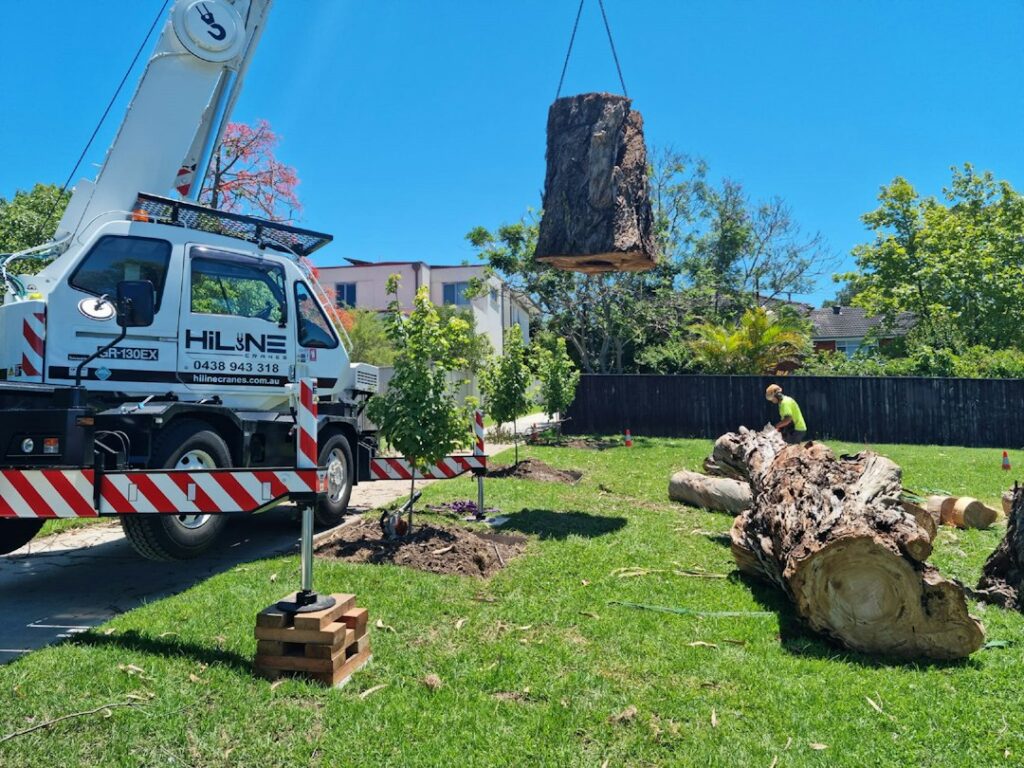
Cutting down a tree takes a day. Dealing with what is left can take much longer. A stump can sit in a yard for years as a tripping hazard, a mower obstacle and a source of root sprouts, and as it rots it can attract wood-destroying insects and leave a hollow that slowly sinks. Homeowners usually choose between grinding the stump down, digging it out whole, or letting it break down with chemical or natural help. Each method has a different stump removal cost, a different timeline and different consequences for the soil around it, which matters most when the stump sits near a foundation, driveway, patio or buried utility line. This guide compares the methods, explains why decaying stumps and roots can attract termites, describes how ground settles as roots rot, covers utility locates and gives hedged cost ranges for Front Range homeowners.
Part of our Structure & Exterior guide — start there for the full picture →
Stump Removal Options at a Glance
- Grinding: a machine chews the stump into chips to a depth below grade. Fast and common, but most of the root system stays in the ground.
- Digging or pulling: excavating around the stump and cutting or pulling the major roots so the stump comes out whole. Removes more wood but disturbs a large area.
- Chemical acceleration: products applied to holes drilled in the stump to speed decay or, in the case of herbicides, to kill a living stump and stop sprouts.
- Natural decay: leaving the stump to rot on its own, sometimes helped along by keeping it moist and covered.
- Leaving it in place: sometimes the right answer for a stump far from structures, used as a planter base or landscape feature.
The best choice depends on the stump’s size and species, where it sits, what will go there next and how quickly the space is needed.
When leaving a stump is reasonable
Not every stump needs to go. A stump at the back of a large lot, far from the house, driveway and buried lines, may be left to weather away, used as a base for a planter or bird bath, or worked into a natural landscape. The trade-offs are the slow decay, possible sprouts and an insect habitat that is better kept away from structures. A stump closer than the tree’s former drip line to the house, or one in a lawn that is mowed, is usually a stronger candidate for removal.
Planning before the tree comes down
If a tree is still standing, the cheapest time to plan for the stump is before the cut. Ask the tree service to cut the stump as low as safely possible, and ask whether grinding can be included in the same quote, since a combined job is often priced more favorably than a separate visit. Confirm who will arrange utility locates, what happens to logs and chips, and how equipment will reach the backyard without damaging lawns, sprinkler heads or fences.
Stump Grinding
Stump grinding is the most common professional method. A grinder with a rotating cutting wheel fitted with carbide teeth is swept back and forth across the stump, reducing it to a mix of wood chips and soil. Grinders range from walk-behind units that fit through a backyard gate to large tracked or towable machines for big stumps.
Grinders typically take the stump down several inches to around a foot below grade, depending on the machine and the request. Deeper grinding costs more and may be needed if the spot will be paved, planted with a new tree or built on. Surface roots radiating from the stump can often be ground out along their length as well, usually for an added charge.
What grinding leaves behind
- A pile of chips. Grinding produces a surprising volume of chips and soil. Some homeowners use them as mulch away from the house; others pay for haul-away.
- The root system. Most roots below the grinding depth remain and decay over the following years.
- A depression. As the backfilled chips and remaining roots decompose, the area typically settles and needs topping up with soil.
- Possible sprouts. Some species, such as certain cottonwoods, aspens, elms and other suckering trees common along the Front Range, can send up shoots from remaining roots. Those may need follow-up removal or treatment.
Grinding chips should not be left piled against a house wall or deck, for the termite and moisture reasons described below.
Digging Out the Stump and Roots
Excavating a stump removes the root ball and major roots rather than leaving them to decay. Small stumps can be dug out by hand with a shovel, mattock, digging bar and root saw. Larger stumps often require a mini excavator, a backhoe or a winch, and the hole left behind can be large.
Digging makes the most sense when:
- A foundation, addition, patio, driveway or utility trench will occupy the space.
- The goal is to replant in the same spot soon.
- Root sprouts from a suckering species need to be controlled.
- Large decaying roots near a structure are a concern.
The trade-offs are cost, disruption and soil disturbance. Excavation near a foundation can undermine footings or damage foundation drainage, waterproofing or buried lines if done carelessly. The hole has to be backfilled with suitable soil and compacted in lifts, or it will settle later.
Chemical and Natural Decay
Letting a stump decay costs little in money but a lot in time. Depending on species, size and moisture, a large stump can take many years to rot away on its own.
Stump removal products
Products sold as stump removers are commonly applied in holes drilled into the top and sides of the stump and are marketed to speed decay so the wood becomes soft and easier to break apart or dig out. Results vary with the product, the stump and the patience of the owner, and the process still often takes months. Following label directions is essential, and some approaches promoted online, such as setting a treated stump on fire, can create fire hazards, smoke complaints and violations of local burn rules.
Herbicides for living stumps
Some stumps keep growing and sprouting after the tree is cut. Herbicides applied to a freshly cut stump surface are sometimes used to kill the root system and prevent suckers. Herbicides are pesticides under federal law. EPA explains that pesticide labels are legally enforceable, that they all carry the statement that it is a violation of federal law to use the product in a manner inconsistent with its labeling, and that the label defines who may use a product and where, how, how much and how often. Root systems of some species can be connected underground to neighboring trees of the same species, so treatment can affect trees that were meant to stay. A licensed applicator or arborist can advise on whether chemical control is appropriate.
Natural acceleration
Some homeowners speed natural decay by cutting the stump as close to the ground as possible, drilling holes, keeping it moist, and covering it with soil, mulch or a tarp. Fungi and other decomposers do the work. This approach avoids chemicals and equipment but leaves a softening stump in place for an extended period, which brings the insect and settling issues described next.
Stumps, Decaying Roots and Termites
Subterranean termites feed on wood and other cellulose and live in the soil. Decaying stumps and roots are a natural food source for them. A stump in a yard does not automatically mean termites will reach a house, but a rotting stump close to a foundation, and the network of decaying roots extending from it, can support termite activity near the structure.
EPA’s termite guidance advises homeowners to keep soil around the foundation dry through proper grading and drainage, including maintaining gutters and downspouts, not to plant trees and shrubs too close to the structure or let them grow against exposed wood, and not to pile or store firewood or wood debris next to the house. EPA also suggests periodic inspection so colonies do not become established. Grinding chips piled against siding or a decaying stump next to a porch fall into the same category of wood debris near the house.
Colorado has subterranean termites, though activity is generally considered lower than in warmer, more humid parts of the country, and buyers should not assume a Front Range home is termite-free. Signs to watch include mud tubes on foundation walls, damaged or hollow-sounding wood and swarms of winged insects in spring. Our guides to a termite inspection and to termite swarmers cover what to look for and when a wood-destroying insect inspection makes sense. Carpenter ants are also drawn to damp, decaying wood and can move from a rotting stump to moist areas of a house.
Sinking Soil Near Foundations and Driveways
When a tree dies or is cut, its roots slowly decay. As they rot, the space they occupied collapses and the soil above can settle, leaving depressions, sunken pavers or low spots in the lawn. A ground stump that was backfilled with chips settles further as the chips break down. This settling is gradual and can continue for years.
Near a house, settling matters for drainage. A low spot next to a foundation can collect water and direct it toward the basement or crawl space rather than away from the house. Settled soil under a sidewalk, patio or driveway edge can leave slabs unsupported and cracked. Our tree roots guide explains how roots interact with foundations, sewer lines and hardscape, and our yard drainage guide covers regrading and other fixes for low spots.
A few practical steps help:
- After grinding, remove most of the chips from the hole and backfill with soil rather than leaving chips as fill, especially near structures or paving.
- Compact backfill in layers and expect to top it up over the following seasons.
- Restore grading so the ground slopes away from the foundation.
- Watch for new cracks or settlement in slabs near the old stump.
Trees, runoff and what comes next
Removing a large tree also changes how water moves across a lot. EPA notes that trees help manage runoff: their canopies reduce erosion from falling rain, rain evaporates from leaf surfaces, and roots take up water and help create soil conditions that promote infiltration. After a big tree comes out, more water may reach the ground in that area, and slopes that were held by roots may be more prone to erosion. Planting a replacement tree at a safe distance from the house, or adding groundcover and mulch, can help restore some of those benefits.
Expansive soils on the Front Range
Much of the Front Range has clay soils that swell when wet and shrink when dry. Large trees near a house draw moisture from the soil, and removing them can change moisture conditions under nearby foundations and slabs. The effects vary with soil type and distance, and they are hard to predict without a site evaluation. Where a large tree close to a house has been removed and cracks or movement appear afterward, a structural engineer can assess whether soil moisture changes are involved.
Utilities, Safety and Permits
Stump grinders cut well below the surface, and digging out roots goes deeper still. Gas, electric, water, sewer, irrigation and communication lines often run near trees, and roots sometimes grow around them. Contacting 811 before grinding or digging lets public utilities mark their lines. Many stump grinding companies require or arrange a locate before work. Private lines, such as power to a shed, outdoor lighting, a gas line to a grill or irrigation piping, are usually not marked by the public locate and may need a private locating service. Our call before you dig guide explains the process.
Grinding also throws chips and stones at high speed, so people, pets and vehicles need to be kept well clear, and windows nearby may need protection. Some municipalities regulate tree removal in the public right-of-way, such as the strip between sidewalk and street, and may have rules about the trees and stumps there. Homeowners associations can have their own rules as well.
Stump Removal Cost
Prices vary by stump diameter, species, root spread, access, the number of stumps, the depth required, chip cleanup and the region. As a rough 2026 guide only:
- Grinding a single small to medium stump with good access: often a minimum charge in the low hundreds of dollars.
- Large stumps: more, commonly priced by diameter, with additional charges for very hard wood, extensive surface roots or difficult access.
- Multiple stumps: per-stump pricing often drops when several are ground in one visit.
- Chip removal, backfill and topsoil: frequently extra.
- Full excavation with equipment: typically several times the cost of grinding, plus backfill, compaction and restoration of lawn or hardscape.
- DIY options: renting a grinder costs a fraction of professional service but requires transporting a heavy machine and operating it safely; chemical products and hand tools cost less but take time and labor.
Get written quotes that state the grinding depth, whether surface roots are included, whether chips are removed or left, and whether backfill and grading are part of the job. Asking whether the company arranges utility locates is also worthwhile.
What a home inspector looks at
The ASHI Standard of Practice directs home inspectors to inspect vegetation, grading, surface drainage and retaining walls that are likely to adversely affect the building, while geological and soil conditions are outside its required scope. In practice, an inspector may note a decaying stump near the foundation, settled soil or negative grading, wood debris against the house and any visible evidence of wood-destroying insects, and may recommend a separate termite inspection or other specialist. Our structure and exterior inspections section explains what is covered, and the main guide to hiring a home inspector helps buyers choose an inspector.
References
- Termites: How to Identify and Control Them — U.S. Environmental Protection Agency
- Introduction to Pesticide Labels — U.S. Environmental Protection Agency
- Soak Up the Rain: Trees Help Reduce Runoff — U.S. Environmental Protection Agency
- ASHI Standard of Practice for Home Inspections — American Society of Home Inspectors
Frequently asked questions
Is it better to grind or dig out a stump?
Grinding is faster and cheaper and suits most lawns and beds. Digging removes more of the root system and is usually better where a foundation, patio, driveway or new tree will go in the same spot.
Can a tree stump attract termites?
A decaying stump and its roots are a food source for subterranean termites. EPA advises against keeping wood debris next to the house, so stumps and grinding chips close to a foundation deserve attention.
Why is the ground sinking where a tree was removed?
As roots and backfilled chips decay, the soil above settles. Backfilling with soil, compacting it and topping it up over time helps, along with restoring grading away from the house.
Do I need to call 811 before stump grinding?
Yes. Grinding and digging go below the surface where utility lines can run. 811 arranges marking of public lines; private lines may need a private locator.
How much does stump removal cost?
Grinding a single small to medium stump often starts with a minimum charge in the low hundreds of dollars, with larger stumps, root grinding, chip removal and excavation costing more. These are general 2026 ranges.
Is there an old stump or a sunken patch near the foundation of a home you are considering? Talk to us about finding a Front Range inspector who checks grading, drainage and signs of wood-destroying insects.