Signs of Termites: A Homeowner’s Checklist and What to Do
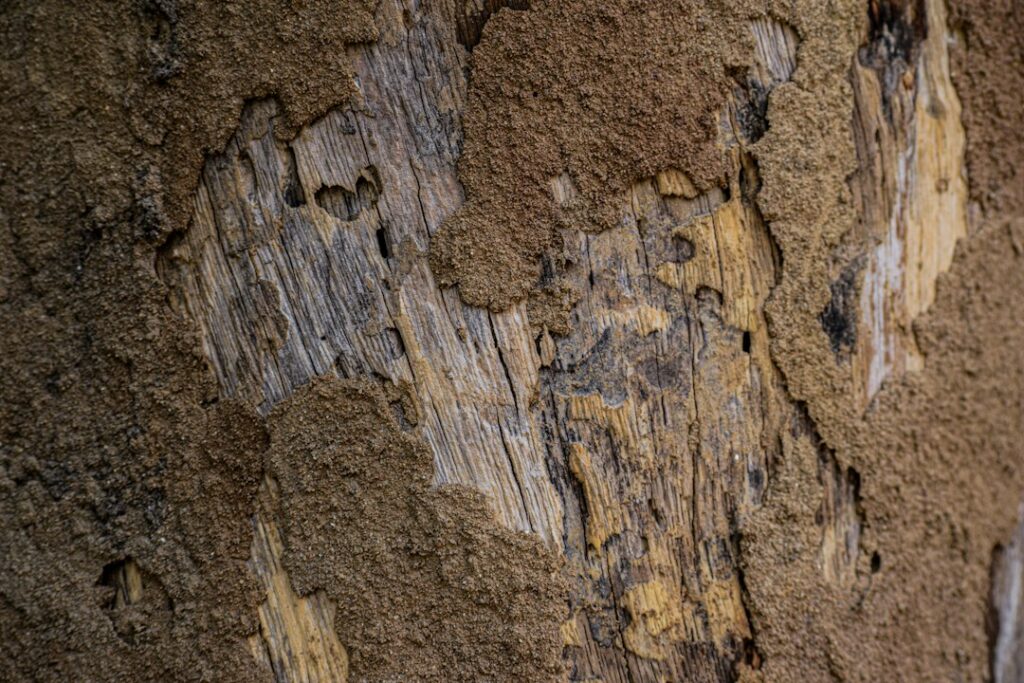
The most reliable signs of termites are pencil-width mud tubes on foundation walls, swarms of winged insects or piles of shed wings near windows and doors, and wood that sounds hollow or crumbles when probed. Softer clues include bubbling or blistered paint, sagging or spongy floors, tight-sticking doors and small piles of pellets. None of those signs alone proves an infestation, and several have common look-alikes, so the goal of this guide is to help homeowners and buyers sort real evidence from false alarms. It walks through each sign, where to look, how to tell it apart from ants, other insects and normal house movement, how serious each one is, and what to do next. It summarizes EPA and trade guidance current as of 2026; a licensed pest management professional should confirm any termite identification.
Part of our Specialty Home Inspections guide — start there for the full picture →
Quick Checklist: Signs of Termites
Start with this list on a walk around and through the house. Signs near the top are stronger evidence than signs near the bottom.
| Sign | Where to look | Strength of evidence |
|---|---|---|
| Mud tubes | Foundation walls, piers, slab edges, sill plates, crawlspace walls, inside cracks | Strong, especially if fresh and moist |
| Swarmers or shed wings | Windowsills, light fixtures, near doors, basement floors, spider webs | Strong indoors; ambiguous outdoors |
| Damaged or hollow wood | Sills, rim joists, door and window frames, baseboards, deck framing | Strong if galleries are packed with soil |
| Live termites | Inside damaged wood or broken mud tubes | Conclusive once identified |
| Bubbling or blistered paint, rippled drywall | Lower walls, baseboards, trim near exterior walls | Moderate; moisture can mimic it |
| Sagging floors, sticking doors or windows | Ground-floor rooms, areas over crawlspaces | Weak on its own; many other causes |
| Pellet piles (frass) | Below tiny holes in wood, on sills and floors | Moderate; usually drywood termites, which are uncommon here |
Treat the table as a rule of thumb. One strong sign justifies a professional inspection. Several weak signs together are worth a closer look, but no single weak sign should trigger a treatment contract.
Why Termite Signs Are Easy to Miss
Termites work out of sight. The EPA notes that termites rarely emerge from the soil, mud tubes or the wood they tunnel through, and that most people are not aware they have termites until they see a swarm or come across damage during construction. The EPA also notes that the native subterranean termite is the most common type in most of the United States, with the smaller drywood termite and the invasive Formosan termite less common. Subterranean termites, the type Colorado homeowners typically deal with, nest in the soil and travel into wood through the ground or through tubes they build, so most evidence shows up low on the house: foundations, crawlspaces, basements and the first few feet of framing.
That is why a deliberate look, with a flashlight and a screwdriver, finds far more than casual observation. It is also why finished basements, stucco or siding that runs below grade, and storage piled against walls can hide evidence for years.
Sign 1: Mud Tubes
What they look like
Mud tubes are narrow, flattened tunnels made of soil, chewed wood and termite secretions. Most are roughly the width of a pencil, though some are wider. They run up foundation walls, across concrete, along pipes and into gaps where wood sits close to the ground. Subterranean termites build them to stay protected from dry air and predators while traveling between the soil and their food.
Where to look
Walk the exterior foundation, especially behind shrubs, under decks and porches and where patios or slabs meet the house. Inside, check unfinished basement walls, crawlspace piers, the tops of foundation walls where the sill plate rests, and around plumbing penetrations and slab cracks.
How to tell them apart
- Mud dauber wasp nests are clusters of short, organ-pipe tubes or lumps stuck to eaves, garages and walls, usually well above the soil and not connected to the ground.
- Dirt splash and efflorescence leave stains or white mineral crust on concrete but have no hollow channel inside.
- Termite tubes are hollow, connect soil to wood, and often show small termites inside when a short section is broken open.
A simple check: break off a small section of the tube and look again in a few days. If it has been rebuilt, termites are likely active. An empty, dry, crumbling tube that is never repaired may be old, though active colonies can still be nearby.
Sign 2: Swarmers and Discarded Wings
Mature termite colonies produce winged reproductives that fly out to start new colonies. For subterranean termites this typically happens on warm days in spring, often after rain, though timing varies. Swarms indoors usually last a short time, and the swarmers shed their wings within hours, so homeowners more often find small piles of identical wings on windowsills and floors than the insects themselves.
The most common mix-up is with flying ants. The EPA gives the key differences:
| Feature | Termite swarmer | Flying ant |
|---|---|---|
| Wings | Two pairs roughly equal in length | Front wings longer than hind wings |
| Antennae | Straight, may droop | Bent at a 90-degree angle |
| Body (general identification) | Thick waist, fairly uniform body | Pinched, narrow waist |
Swarmers emerging inside the house, especially from baseboards, a basement wall or a crack in a slab, are a strong sign of an established colony in or under the structure. Swarmers seen outdoors near a woodpile or tree stump may simply mean termites live in the yard, which is common and worth monitoring. Our full guide to termite swarmers covers timing, identification and what to do during a swarm.
Sign 3: Damaged, Hollow or Soil-Packed Wood
What it looks like
Subterranean termites eat the softer springwood inside a board and leave the harder grain and a thin outer shell, so damaged wood often looks fine on the surface. When opened, it shows layered galleries running with the grain, frequently lined or packed with a mix of soil and termite droppings.
How to check
The EPA’s first suggested check is to examine exposed wood for hollow spots by probing with a flathead screwdriver or similar tool. Push firmly into sill plates, rim joists, the bottoms of door frames, porch posts and deck ledgers. Sound wood resists; damaged wood gives way, sounds hollow or crumbles. Tap along baseboards and trim with the handle and listen for a papery, hollow tone.
How to tell it apart
- Wood rot from moisture leaves wood soft, discolored and often cracked into cubes or stringy fibers, without clean galleries or soil packing.
- Carpenter-ant damage has smooth, clean galleries with no soil inside, and the ants push out fibrous shavings. Our guide to carpenter ants covers that pattern and the moisture problems that usually come with it.
- Beetle damage shows small round exit holes and fine powder rather than soil-lined tunnels.
Sign 4: Bubbling Paint, Rippled Drywall and Tiny Holes
When termites feed just behind a painted or papered surface, they bring moisture with them. That can make paint blister or bubble, wallpaper loosen and drywall paper look rippled or faintly tracked with narrow lines. Pinholes in drywall, sometimes plugged with a speck of soil, are another clue.
Moisture alone produces the same symptoms. Plumbing leaks, condensation on cold exterior walls, roof leaks and ice dams all bubble paint. Before blaming termites, look for a water source above or behind the area and check whether the spot is damp. A moisture meter, if one is handy, helps. If the wall is dry and the surface sounds hollow when pressed, termites move higher on the list.
Sign 5: Sagging Floors and Sticking Doors or Windows
Termite feeding on floor joists, subfloors or framing around openings can, over time, let floors sag or feel spongy and make doors and windows bind.
These are the weakest signs on the list because so many ordinary things cause them:
- Seasonal humidity changes swelling and shrinking wood
- Normal settling in newer homes
- Undersized or over-spanned joists
- Foundation movement, which on the Front Range is often tied to expansive clay soils that swell when wet and shrink when dry
- Wood rot from long-term leaks
Hairline drywall cracks at door corners and a door that sticks only in late summer usually point to normal movement. Wide cracks, stair-step cracks in block, floors with a noticeable slope, or new binding across several doors call for a structural evaluation, whether or not termites are involved. If a sagging area sits over a crawlspace or basement, look at the framing below it for the soil-packed galleries described above.
Sign 6: Pellets, Live Insects and Other Clues
Small piles of hard, oval pellets below pinholes in wood are the classic sign of drywood termites, which push their droppings out of the wood. Because drywood termites are uncommon in Colorado, pellets found here often turn out to be something else, such as beetle powder, ant debris or rodent droppings, or come from infested furniture brought from a warmer state. Collect a sample in a sealed bag and have a pest professional identify it.
Live termites themselves are small, soft-bodied and pale, often creamy white, and they avoid light. They are easy to confuse with ants at a glance, but they lack the pinched waist. Finding them in broken mud tubes or damaged wood confirms activity.
How Serious Are These Signs?
Termite damage usually develops slowly, over months to years rather than days. That gives homeowners time to get a proper inspection and compare treatment options rather than signing the first contract offered. A rough way to think about urgency:
- Act promptly (schedule an inspection within days or weeks): swarmers inside, active mud tubes, live termites or fresh damage.
- Investigate soon: old mud tubes, damage of unknown age, bubbling paint with no moisture source.
- Monitor and fix conditions: swarmers in the yard only, wood touching soil, firewood against the house, persistent damp areas.
The EPA’s integrated pest management principles fit this situation well: identify the pest accurately and set an action threshold before acting, because sighting a single pest does not always mean control is needed.
What to Do Next
DIY steps
- Photograph everything in place, with a coin or ruler for scale.
- Save samples of wings, insects or pellets in a sealed bag or jar labeled with location and date.
- Leave mud tubes mostly intact apart from a small test break, so the inspector can see them.
- Hold off on store-bought sprays. Spraying tubes or swarmers rarely reaches the colony and can make an inspection harder.
- Fix conducive conditions. The EPA recommends keeping soil around the foundation dry through proper grading and drainage, maintaining gutters and downspouts, sealing foundation cracks and utility penetrations, fixing leaks, keeping vents clear, keeping plants and shrubs off exposed wood, and not storing firewood or wood debris next to the house. Its moisture guidance adds that drying wet materials within 24 to 48 hours prevents most mold growth, which also leaves wood less attractive to insects.
A simple seasonal check
A short walk-through each spring and fall catches most problems early. As a rule of thumb, it takes well under an hour for a typical house:
- Circle the exterior with a flashlight and look at the full height of exposed foundation, including behind shrubs and under steps.
- Pull mulch and soil back a few inches from the foundation where it has crept up against siding or trim.
- Probe the bottoms of door frames, porch posts, deck posts and any wood that touches concrete or soil.
- In the basement or crawlspace, check the tops of foundation walls, sill plates, rim joists and plumbing penetrations.
- Check windowsills and light fixtures for shed wings, especially after the first warm spells of spring.
Buyers can add two questions to that list: whether the seller has any record of past termite treatment, including the company name and any transferable warranty, and whether the seller disclosure mentions wood-destroying insects. A past treatment is not a deal-breaker, but its paperwork tells an inspector where to look and whether the protection is still active.
When to call a licensed pest professional
Call for an inspection after any strong sign or a cluster of weaker ones. The EPA advises that firms offering termite services must be licensed by the state, that homeowners should ask to see the license, and that they should read the label of any termiticide proposed for the home. The two most common treatment approaches the EPA describes are soil-applied liquid barrier treatments and bait systems. Our breakdown of termite treatment cost explains typical price ranges and what drives them, including foundation length, construction type and whether the plan is a one-time treatment or an ongoing bait contract.
What a Termite (WDO) Inspection Covers
A wood-destroying organism (WDO) or wood-destroying insect (WDI) inspection is a focused, visual search for termites, carpenter ants, wood-boring beetles and the conditions that invite them. The inspector typically examines the exterior foundation, accessible basement and crawlspace framing, sills and rim joists, door and window frames near grade, decks and porches, and accessible attic framing, then reports evidence of active or past infestation, visible damage and conducive conditions. Our termite inspection guide goes through the process step by step.
This is different from a general home inspection. The ASHI Standard of Practice lists the presence of wood-destroying organisms among the things a home inspector is not required to determine, although many inspectors will note obvious mud tubes or damage they happen to see and refer it to a specialist. Buyers who want both often schedule them together; our guide to the home inspection and termite inspection explains how that typically works, and our page on termite inspection cost covers typical fees, which often run in the low hundreds of dollars as a standalone service and vary with home size, access and whether a lender-ready report is needed.
Both inspections are limited to accessible areas. Finished walls, carpeted slabs, stored belongings and below-grade siding can hide evidence, which reports typically list as limitations.
Front Range Notes
- Subterranean termites are the main concern. Mud tubes, damaged framing near grade and spring swarms are the signs that matter most in Colorado homes.
- Irrigation and landscaping. In a dry climate, sprinklers, flower beds and mulch piled against the foundation often create the damp soil termites need. Keeping wood siding and trim several inches above soil and mulch is a common rule of thumb.
- Expansive clay soils. Many Front Range neighborhoods sit on clay that heaves and shrinks, which causes cracks and sticking doors that are easy to misread as termite signs. They also open cracks in slabs and foundations that termites can use.
- Slab and basement construction. Termites can enter through slab cracks, expansion joints and plumbing penetrations, so finished basements deserve extra attention at the perimeter walls.
Our specialty inspections hub gathers related guides on WDO, radon and other add-on inspections buyers commonly schedule.
References
- Termites: How to Identify and Control Them — U.S. Environmental Protection Agency
- Integrated Pest Management (IPM) Principles — U.S. Environmental Protection Agency
- Citizen’s Guide to Pest Control and Pesticide Safety — U.S. Environmental Protection Agency
- A Brief Guide to Mold, Moisture and Your Home — U.S. Environmental Protection Agency
- ASHI Standard of Practice for Home Inspection — American Society of Home Inspectors
Frequently asked questions
What are the first signs of termites?
The earliest visible signs are usually mud tubes on foundation walls or a spring swarm of winged insects, often noticed as piles of shed wings on windowsills. Hollow-sounding wood near the foundation is another early clue.
How can termites be told apart from flying ants?
According to the EPA, termite swarmers have two pairs of wings roughly equal in length and straight antennae, while ants have front wings longer than hind wings and antennae bent at a 90-degree angle. Ants also have a pinched waist.
Can termite damage be seen from the outside of the wood?
Often not. Subterranean termites hollow wood from the inside and leave a thin surface shell, so probing with a screwdriver or tapping for a hollow sound is more reliable than looking.
Do sticking doors mean termites?
Rarely on their own. Humidity, settling and foundation movement from expansive clay soils are far more common causes. Sticking doors combined with mud tubes or damaged framing nearby are worth an inspection.
Does a home inspection check for termites?
A general home inspection is not required to determine whether wood-destroying organisms are present under the ASHI Standard of Practice, though inspectors often note obvious evidence. A dedicated WDO inspection is the focused option.
Spotted mud tubes or wings and want a clear answer before you buy or treat? Contact us to connect with a qualified Front Range inspector.