HEPA Vacuuming Mold Remediation: A Homeowner Guide
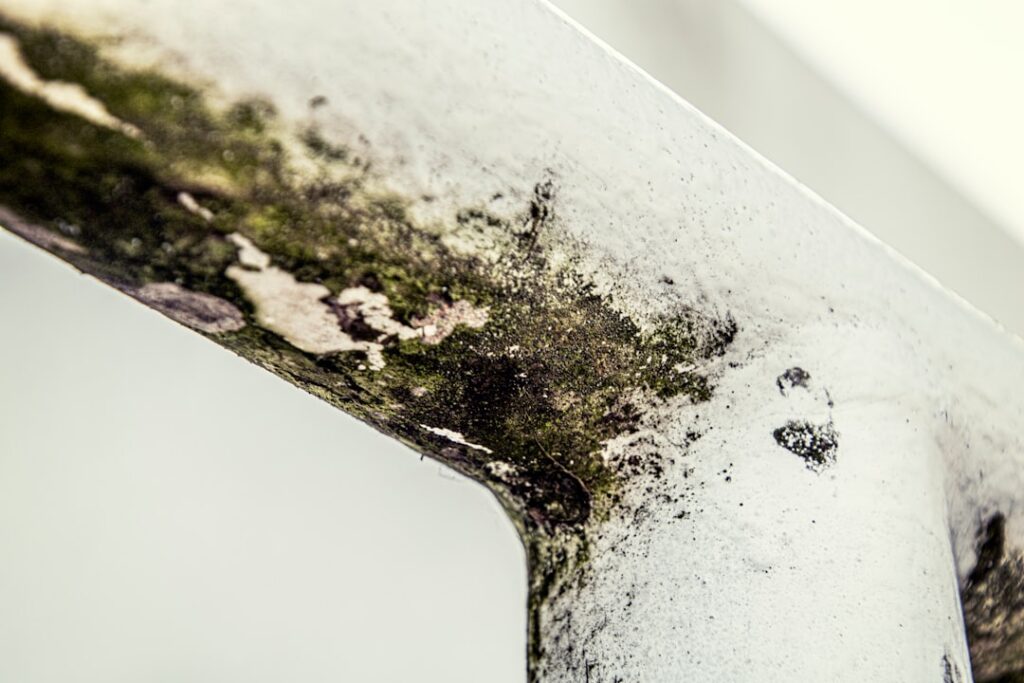
HEPA vacuuming is one of the quiet workhorses of a professional mold cleanup. It is not the dramatic part of the process, but it captures the microscopic spores and settled dust that ordinary cleaning leaves behind. Understanding how HEPA vacuuming mold remediation fits into a larger job helps homeowners ask the right questions and recognize when a contractor is cutting corners. This guide summarizes EPA and CDC guidance current as of 2026; it is educational and not a substitute for a licensed remediation professional or your physician.
Is this mold, asbestos, or water damage? Get a free instant screen
Upload a clear photo of the suspect area. You'll get an instant AI screening opinion and what to do next. This is screening guidance, not a professional determination.
Screening guidance only. AI can be wrong. Confirm asbestos, mold type, or lead with lab testing or a licensed professional before acting.
What Is HEPA Vacuuming in Mold Remediation?
HEPA stands for High-Efficiency Particulate Air. A true HEPA filter captures at least 99.97 percent of particles that are 0.3 microns in diameter, which is the size range where filtration is hardest. Mold spores typically run between 2 and 20 microns, so a properly sealed HEPA vacuum traps them reliably rather than blowing them back into the room.
In a remediation job, HEPA vacuuming serves two purposes. First, it removes loose surface spores and contaminated dust from materials that will stay in place, such as framing studs and concrete. Second, it cleans the surrounding area after moldy materials have been removed, so the room is returned to a normal spore level. The EPA describes HEPA vacuuming as a standard final step once mold-damaged porous material has been discarded and remaining surfaces are dry.
The key distinction is sealing. A shop vacuum with a HEPA-labeled cartridge can still leak around gaskets and seams, releasing fine particles. Professional units are built so all the air passes through the filter, not around it.
It also helps to understand what HEPA vacuuming is not. It is not a substitute for removing mold-damaged porous material, and it is not a disinfectant step. Spores embedded in wet drywall or soaked carpet padding cannot be vacuumed clean, because the mold has grown into the material rather than sitting on the surface. HEPA vacuuming addresses surface contamination and airborne settling, while damaged porous goods are discarded. Keeping that boundary clear prevents homeowners from paying for repeated vacuuming when the real fix is removal and drying.
Where HEPA Vacuuming Fits in the Cleanup Sequence
Remediation follows a logical order, and vacuuming appears at specific moments rather than randomly. A typical job runs like this:
The area is contained with plastic sheeting and negative air pressure so spores do not migrate. Heavily contaminated porous materials, like wet drywall or carpet padding, are bagged and removed because they cannot be reliably cleaned. Then semi-porous and non-porous surfaces are HEPA vacuumed to pull off loose spores, followed by damp wiping with a detergent solution. After everything dries, a final HEPA vacuuming pass captures any settled dust before containment comes down.
This before-and-after pattern matters. Vacuuming before wiping prevents you from smearing dry spores into a paste. Vacuuming again at the end addresses the dust kicked up during demolition and cleaning. Skipping the final pass is a common shortcut that leaves a room looking clean but still loaded with fine debris.
Timing also interacts with drying. Vacuuming a surface that is still damp can clog the filter quickly and smear residue rather than lifting it cleanly. That is why the final pass waits until air movers and dehumidifiers have brought moisture readings back to normal. A contractor who rushes this sequence to finish in a single day is often trading thoroughness for speed.
Why Ordinary Vacuums Make Mold Problems Worse
A standard household vacuum without HEPA filtration acts like a spore distributor. It pulls in particles, then exhausts the finest ones straight through the filter media and back into the breathing zone. Because mold spores are small and light, they stay airborne for a long time and settle across the whole room.
This is why guidance from the CDC and EPA stresses appropriate equipment for any cleanup beyond a small patch. For an area larger than roughly 10 square feet, agencies recommend bringing in a professional with containment and HEPA-rated gear. Homeowners who try to vacuum visible mold with a regular machine often find the problem appears to spread in the days afterward, which is really just newly settled spores becoming visible.
There is also a cross-contamination risk. A vacuum used on a moldy basement and then on living-room carpet can carry spores upstairs. Professionals dedicate their HEPA units to contaminated work and follow decontamination steps between areas. If you are weighing whether to handle a small spot yourself or call someone, our overview of local mold testing options can help you understand the scale of the problem before you buy or rent equipment.
What Makes a HEPA Vacuum Effective for Mold
Not every vacuum marketed as HEPA performs at the level remediation requires. A few features separate effective units from marketing claims.
Sealed Construction
The whole housing must be sealed so unfiltered air cannot bypass the filter. Look for the phrase “sealed HEPA” or “true HEPA system,” not just “HEPA filter.” A filter is only as good as the seal around it.
Adequate Filter Staging
Quality units use a pre-filter and sometimes a bag before the HEPA element. Staging keeps larger debris from clogging the expensive final filter, which preserves airflow and extends filter life during a dusty job. Skipping staging means the HEPA element loads up fast, suction drops, and the operator is tempted to remove the filter mid-job.
Sufficient Airflow
A vacuum that filters perfectly but moves little air will not lift settled spores from rough surfaces like unfinished framing. Professional remediation vacuums balance high filtration with enough suction to clean masonry, wood, and HVAC components.
Proper Filter Handling
Loaded HEPA filters and collection bags are themselves contaminated and must be sealed in plastic and disposed of carefully. A reputable crew changes filters inside containment, not in your driveway, to avoid releasing captured spores back into the air.
HEPA Vacuuming and HVAC Systems
Mold in ductwork and air handlers is a special case. Contaminated systems can recirculate spores through the entire house every time the blower runs, so HEPA vacuuming is often paired with mechanical agitation tools that loosen debris inside the ducts.
This work generally belongs to specialists rather than a general cleaner. The agitation brushes and high-capacity HEPA collection units used on ducts are different from the portable vacuums used on framing. The coil, blower, and drain pan also need attention, because a clogged condensate line is a frequent moisture source that feeds duct mold. If you suspect mold has reached your supply or return system, our guide to HVAC mold removal and hiring help walks through what a qualified team should do and what to avoid.
Verifying the Work Was Done Correctly
Because HEPA vacuuming captures particles you cannot see, homeowners need ways to confirm the job met its goal rather than just trusting that it looks tidy. A few practical checks help.
Ask the contractor to document the equipment used, including the make and model of the vacuum and confirmation that it carries a true HEPA rating. Reputable firms keep this on file. Request that final cleaning include a documented second HEPA pass after surfaces dry, not just a single early-stage vacuuming.
Many remediation projects close with a post-remediation verification, sometimes called clearance testing, performed by an independent party. This can include air sampling to confirm indoor spore counts are comparable to outdoor levels. The EPA notes that the real measure of success is the absence of visible mold and the absence of moldy odor, combined with a moisture problem that has been corrected.
That last point is the one homeowners most often overlook. HEPA vacuuming removes spores, but it does nothing about the leak, condensation, or humidity that fed the mold. Cleanup without moisture control simply resets the clock for regrowth. A complete scope names the water source and how it was fixed alongside the vacuuming and wiping steps.
Colorado Front Range Considerations
The Front Range climate is dry, which leads some homeowners to assume mold is a coastal problem. In practice, Denver-area mold tends to be driven by specific moisture sources rather than ambient humidity: ice dams and snowmelt against north-facing walls, basement seepage during spring runoff, swamp-cooler condensation, and plumbing leaks in finished basements.
Because the dry air can mask a problem, mold often hides inside wall cavities and below grade rather than spreading across visible surfaces. That makes thorough HEPA vacuuming of framing and concrete especially relevant once contaminated finishes are removed. The Colorado Department of Public Health and Environment publishes plain-language mold guidance tailored to the state’s conditions, and it reinforces the same core message: fix the water, remove the damaged material, then clean the rest.
Front Range homes with finished basements deserve particular attention, because a slow foundation leak can keep stud bays damp behind drywall for months before any stain appears. Once the wet drywall and insulation come out, the exposed framing and concrete are HEPA vacuumed and dried before anything is reclosed.
Personal Protection During HEPA Vacuuming
Even with a sealed vacuum, the act of cleaning mold disturbs spores, so personal protection matters. The EPA recommends at least an N-95 respirator, gloves, and eye protection for routine cleanup, and more substantial protection for larger jobs. A loose surgical-style mask does not filter mold spores adequately, which is a common homeowner mistake.
Skin and eye contact should be limited because some people react to mold even without inhaling it. Long sleeves, disposable coveralls for bigger jobs, and goggles without ventilation holes reduce exposure. Anyone with asthma, allergies, or a compromised immune system should not perform the work at all, and the CDC specifically advises sensitive individuals to stay out of the area during cleanup. These precautions are not optional add-ons; they are part of doing the job safely, and a professional crew treats them as standard practice rather than a courtesy.
Ventilation also helps. Where containment allows, exhausting air outdoors through a HEPA-filtered fan reduces the spore load in the breathing zone while work proceeds. After vacuuming, used filters, bags, gloves, and coveralls are sealed in plastic before they leave the work area so captured spores are not released somewhere else in the home.
Common Mistakes Homeowners Should Avoid
Several missteps undermine an otherwise reasonable cleanup. The first is dry scrubbing before vacuuming, which aerosolizes spores and spreads the problem. The second is relying on a non-sealed vacuum, which recirculates fine particles. The third is treating bleach or fragrance as a fix; killing surface mold does not remove the allergenic material or correct the moisture that fed it.
Another frequent error is stopping at the visible patch. Mold often extends behind the surface, so cleaning only what shows leaves an active colony in the wall cavity. And perhaps the most expensive mistake is ignoring the water source entirely, which guarantees the mold returns and the vacuuming was wasted effort. A methodical approach, vacuum then wipe then dry then verify, paired with fixing the leak, is what actually resolves the problem.
When to Call a Professional
HEPA vacuuming a small, dried patch on a hard surface is within reach for many homeowners, provided they use sealed equipment and protective gear. Larger contamination, recurring growth, HVAC involvement, or any situation affecting someone with asthma or a weakened immune system calls for a professional with containment, negative air, and clearance testing.
If you are unsure where your situation falls, start with an assessment rather than equipment purchases. A clear scope keeps you from spending money on a partial fix. You can review the broader picture of testing, cleanup, and verification on our mold inspection and testing hub before committing to any single approach. The goal is a dry, verified space, not just a clean-looking one.
References
- Mold Cleanup in Your Home — U.S. Environmental Protection Agency
- About Mold and Health — Centers for Disease Control and Prevention
- Mold and Your Health — Colorado Department of Public Health and Environment
- Mold Remediation Guide — U.S. Environmental Protection Agency
If you are on the Front Range and want a clear assessment before paying for cleanup, reach out through our contact page to connect with a vetted local inspector who can scope the problem first.