Best Way to Kill Black Mold: A Homeowner Guide
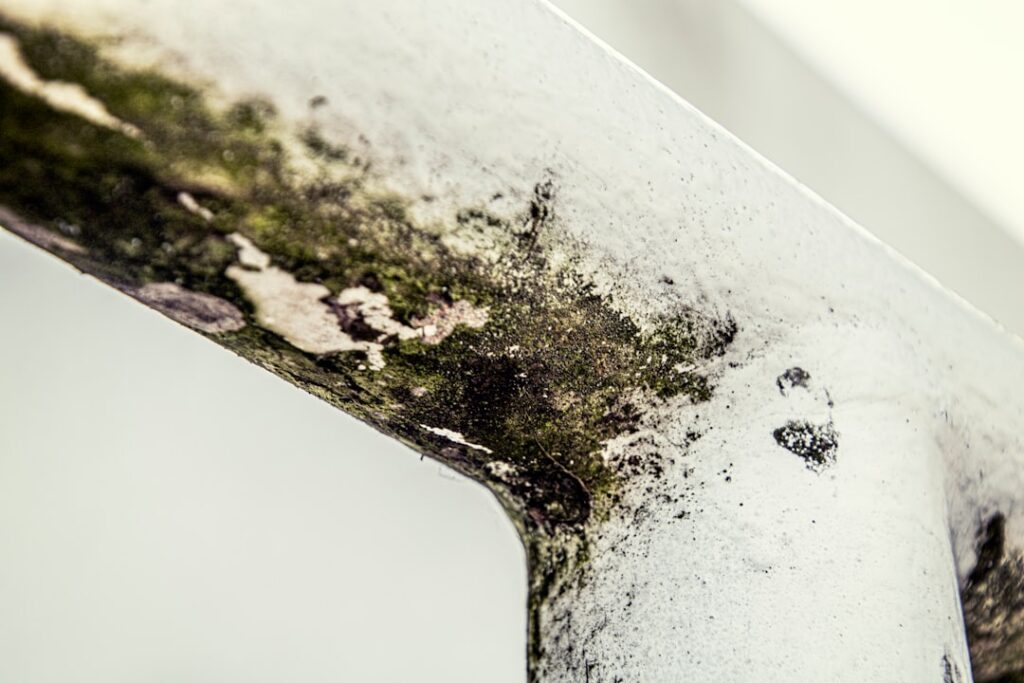
Black mold inspires more search-engine panic than almost any other household problem, and most of that panic is fed by product marketing rather than guidance from health authorities. The honest answer to what the best way to kill black mold is starts with a reframe: the goal is not to “kill” mold with a magic spray, it is to physically remove the growth and eliminate the moisture feeding it. Dead mold can still cause problems, and a coating sprayed over an active colony fails. This guide compares the real methods, explains where each fits, and points homeowners toward the approach that actually works. It summarizes EPA and CDC guidance current as of 2026 and is educational only; consult a physician about health symptoms and a certified professional for testing or remediation decisions.
Is this mold, asbestos, or water damage? Get a free instant screen
Upload a clear photo of the suspect area. You'll get an instant AI screening opinion and what to do next. This is screening guidance, not a professional determination.
Screening guidance only. AI can be wrong. Confirm asbestos, mold type, or lead with lab testing or a licensed professional before acting.
What Is the Best Way to Kill Black Mold?
The most effective approach, endorsed by the EPA, is physical removal combined with fixing the water source. For hard, non-porous surfaces, that means scrubbing the mold off with detergent and water, then drying the area completely. For porous materials that have absorbed mold and moisture, drywall, carpet, ceiling tile, the material is removed and discarded rather than treated, because cleaning cannot reliably reach mold embedded in the structure.
This matters because killing mold is not the same as removing it. The CDC notes that dead mold and mold fragments can still cause allergic reactions in sensitive people, so a method that merely kills surface mold while leaving it in place, and leaving the moisture that caused it, does not solve the problem. The “best” method is therefore the one that removes the growth, dries the structure, and corrects the leak or humidity, not the product with the most aggressive label claim.
Is “Black Mold” Actually More Dangerous?
The term “black mold” usually refers to Stachybotrys chartarum, a greenish-black mold that grows on water-saturated cellulose materials. It earned its reputation from media coverage, but the EPA and CDC take a measured position: all indoor mold should be removed regardless of color or species, and there is no scientific basis for treating one color of mold as categorically more toxic in a way that changes the cleanup response.
Plenty of common molds are dark in color without being Stachybotrys, and the only way to know a species for certain is laboratory analysis. Because the response is the same either way, spending money to identify the species rarely changes what a homeowner should do. The practical takeaway is to treat any sizeable indoor growth seriously and skip the anxiety about which exact organism it is.
Cleaning Methods Compared
Homeowners face a wall of products and folk remedies. Here is how the common options stack up against authoritative guidance.
Detergent and Water
The EPA’s recommended method for hard surfaces. Scrubbing with ordinary detergent and water physically removes mold, and thorough drying afterward prevents regrowth. It is cheap, effective, and the method professionals rely on for salvageable surfaces. The catch is that it only works on non-porous materials and only when the moisture is fixed.
Bleach
The most common DIY instinct, and the most misunderstood. The EPA does not recommend routine bleach use for mold cleanup in homes. Bleach is mostly water, so on porous surfaces it can leave moisture behind that feeds regrowth, and it does nothing to address the underlying water source. It may lighten a stain, which fools homeowners into thinking the problem is solved.
Vinegar and Hydrogen Peroxide
Popular household alternatives. They can help clean small areas of surface mold and are gentler than bleach, but like any cleaner they do not fix moisture and are not a substitute for removing porous materials. They are reasonable tools for a tiny, non-porous patch, not a strategy for a real infestation.
Encapsulants and “Mold Killer” Sprays
Products that claim to seal in or permanently kill mold should be treated with skepticism as standalone fixes. The EPA’s position is that mold must be removed, not painted over. A coating applied over active growth and ongoing moisture eventually fails, and the homeowner ends up paying for both the spray and the real cleanup.
Why Killing Mold Without Fixing Moisture Always Fails
Mold is a symptom. The disease is water. Every authoritative source, the EPA, CDC, and state health departments, returns to the same point: mold cannot grow without a moisture source, and removing the growth without removing the water simply restarts the clock. A homeowner who scrubs a basement wall clean and walks away will see the mold return within weeks if the humidity or leak that caused it remains.
This is why the most expensive-looking quote, the one that includes finding and repairing a hidden leak, is often the only one that actually solves the problem. The cheap option that treats the visible mold and ignores the source is not a bargain; it is a deposit on a second cleanup. Understanding this reframes the entire question of what the best method is.
How to Remove Small Areas of Black Mold Yourself
For surface mold under about 10 square feet on hard materials, the EPA’s guidance supports a careful DIY approach. The steps are straightforward.
Protect Yourself First
Wear an N95 respirator that fits, nitrile gloves, and eye protection. A cloth or dust mask does not filter spores adequately. Open a window for ventilation and seal the room off from the rest of the house with plastic and tape so disturbed spores do not spread.
Remove and Clean
Scrub hard surfaces with detergent and water until the visible mold is gone. Do not just wet it and walk away; the physical scrubbing is what removes the growth. Bag and discard any porous materials, drywall, carpet, ceiling tile, that absorbed mold or water, because they cannot be reliably cleaned.
Dry Completely
This is the step most homeowners shortchange. Run fans and a dehumidifier until the area is dry to the touch and stays that way. A moisture meter, even an inexpensive one, confirms the material has actually dried rather than merely feeling dry on the surface.
When to Stop and Call a Professional
DIY has clear limits. The EPA advises calling a professional for mold larger than about 10 square feet, any growth tied to sewage or contaminated water, mold inside HVAC systems, and situations where occupants have serious health conditions. A few specific signs should end the DIY attempt:
- The mold keeps returning after cleaning, indicating an unresolved water source.
- There is a persistent musty odor with no visible cause, suggesting hidden growth.
- The affected material is structural, or the area is too large to contain safely.
- Anyone in the home has asthma, allergies, or a compromised immune system.
Professionals bring containment, HEPA filtration, moisture detection, and clearance verification that DIY work cannot match. On a large job, paying for those is far cheaper than the cross-contamination cleanup that follows a botched attempt. For homeowners weighing cost, the guide on how affordable mold removal is priced explains where the money goes.
Choosing a Product or a Pro: What Actually Matters
The marketplace pushes homeowners toward products because products are easy to sell. But the deciding factor in killing black mold for good is rarely the cleaner. It is the combination of physical removal, complete drying, and moisture correction. A bottle of premium “mold killer” applied to a damp wall loses to a bucket of detergent applied to a wall that was then dried and sealed against future moisture.
When the job exceeds DIY scope, the equivalent of choosing the right product is choosing the right professional. The best remediation is documented: a written scope, containment, removal of unsalvageable materials, drying to a measurable target, and independent clearance verification. A contractor who promises to “kill the mold” with a proprietary spray and no moisture work is selling the same false premise as the retail sprays. Whether the choice is a cleaner or a crew, the test is the same, does it remove the growth and fix the water.
How to Keep Black Mold From Coming Back
Prevention is the only permanent way to kill black mold, because it never gets the chance to grow. The CDC’s core recommendation is to keep indoor relative humidity below 50 percent. Around that anchor, a handful of habits do most of the work:
- Fix leaks the day you find them; mold can establish on damp materials within 24 to 48 hours.
- Run bathroom and kitchen exhaust fans that vent outdoors, and leave them on after showering.
- Use a dehumidifier in damp basements and crawl spaces.
- Direct roof and surface water away from the foundation with maintained gutters and extended downspouts.
- Keep furniture slightly off exterior walls so air can circulate.
None of these cost much, and together they make the expensive version of this problem far less likely. The broader mold inspection and testing hub collects prevention checklists worth bookmarking.
Common Surfaces and the Right Approach for Each
The “best way” changes with the material, because porosity decides whether mold can be cleaned off or has to be cut out.
Drywall and Plaster
Painted drywall with light surface mold can sometimes be cleaned and dried if the paper backing is intact and dry. Once mold has penetrated the paper face or the drywall has been saturated, it cannot be reliably cleaned, and the affected section is cut out and replaced. Plaster is denser and occasionally salvageable, but a soft or stained section behind the surface signals removal.
Wood Framing and Subfloor
Structural wood is usually salvageable. Mold on framing is HEPA-vacuumed and scrubbed or sanded off, then the wood is dried to a measurable moisture content. Wood is removed only when rot has compromised its strength, which is a structural decision, not a cosmetic one.
Tile, Metal, and Glass
Non-porous surfaces are the easiest case. Bathroom tile, grout, fixtures, and metal can be scrubbed with detergent and water and dried. Grout sometimes holds staining even after the mold is gone, which is cosmetic rather than a sign of remaining growth.
Carpet, Insulation, and Ceiling Tile
Porous soft materials that absorb mold and water are discarded. Carpet padding in particular acts like a sponge and cannot be cleaned. Trying to save these materials is one of the most common reasons a cleanup fails.
The Role of HVAC in Spreading Black Mold
One reason small mold problems become whole-house problems is the heating and cooling system. When growth sits near a return vent, in a damp closet that houses an air handler, or in ductwork that collected moisture, the system can distribute spores to every room it serves. The EPA specifically flags mold inside HVAC systems as a situation that calls for a professional rather than DIY cleaning.
For homeowners, the practical implication is to consider the air path when deciding how to respond. Cleaning a visible patch in one room while the same colony quietly seeds the ductwork accomplishes little. If there is any reason to suspect the system is involved, a musty smell that intensifies when the air runs, visible growth near registers, the response moves beyond a bucket of detergent and into professional territory. Tools like a moisture meter help confirm whether the materials around an air handler are actually wet.
Why “Permanent Mold Killer” Claims Mislead
Marketing language around mold products leans hard on permanence: “kills mold forever,” “permanent mold barrier,” “guaranteed mold-proof.” These claims collide with the basic biology. Mold spores are present in essentially all indoor air and on most surfaces at low, harmless levels; they are impossible to eliminate permanently and harmless until they get the water they need to grow. No product changes that.
What a product can do is clean a surface in the moment. What it cannot do is prevent regrowth on a surface that gets wet again. A “permanent” coating over a wall that still receives moisture is fighting a losing battle against physics. The durable result comes from removing the growth and removing the water, after which ordinary indoor spore levels stay harmless on their own. Treating a spray as the solution, rather than as a minor cleaning tool, is the conceptual error the marketing encourages.
Containment: The Step DIYers Skip
Even on a job a homeowner can legitimately handle, containment separates a clean result from a spread problem. Disturbing mold, scrubbing it, cutting out drywall, pulling up carpet, releases spores into the air, and without a barrier those spores drift into rooms that were never affected. The EPA recommends sealing the work area for anything beyond the smallest patch, and the principle scales up to professional negative-air containment on larger jobs.
For a small DIY job, containment can be as simple as taping plastic over doorways, closing HVAC registers in the room so the system does not pull spores into the ductwork, and opening a window for ventilation. Skipping these steps is how a homeowner turns a contained bathroom problem into a complaint of musty air throughout the house weeks later. The cleaning method matters, but where the disturbed spores go matters just as much.
Comparing the True Cost of Each Approach
The cheapest-looking option is rarely the cheapest outcome. A few dollars of bleach that lightens a stain without removing the mold or fixing the moisture buys nothing but a delay. A bottle of “permanent” mold spray applied over a damp wall fails when the wall gets wet again. Both feel like savings and function as deposits on a future, larger cleanup.
Detergent, scrubbing, complete drying, and moisture correction, by contrast, cost little more and actually resolve a small problem. For larger jobs, a documented professional remediation costs more up front but avoids the cross-contamination and regrowth that follow a botched DIY attempt. Weighing methods by their real total cost, including the likelihood of paying twice, consistently points back to removal plus moisture control as the best value as well as the best result.
The Bottom Line on Killing Black Mold
Strip away the marketing and the answer is consistent across every health authority. The best way to kill black mold is to physically remove it from hard surfaces with detergent and water, discard porous materials it has invaded, dry the structure completely, and eliminate the moisture source. Bleach, vinegar, and proprietary sprays are minor tools at best and distractions at worst; none of them substitute for removal and moisture control. For anything beyond a small surface patch, or any case involving health risks or hidden growth, a documented professional remediation is the method that holds.
References
- Mold Cleanup in Your Home — U.S. Environmental Protection Agency
- About Mold and Your Health — Centers for Disease Control and Prevention
- Ten Things You Should Know About Mold — U.S. Environmental Protection Agency
- Mold and Indoor Air Quality — American Lung Association
Front Range homeowners who want a connection to a vetted local inspector before buying or after a water event can reach out through our contact page.
Mold removal & cleanup picks
For a small, contained patch (under ~10 sq ft) these EPA-friendly removers handle surface mold. Larger or recurring growth warrants a professional assessment first.
| Product | Why | Buy |
|---|---|---|
 RMR-86 Instant Mold Stain Remover RMR-86 Instant Mold Stain Remover | Fast-acting on stains; ventilate and wear PPE. | Amazon — $29.99 |
 Concrobium Mold Control Concrobium Mold Control | No-bleach formula that also helps prevent regrowth. | Amazon — $13.48 |
 Mold Armor Mold & Mildew Remover Mold Armor Mold & Mildew Remover | Widely stocked bathroom/surface remover. | Amazon — $22.98 |