What Kills Black Mold on Concrete: A Homeowner Guide
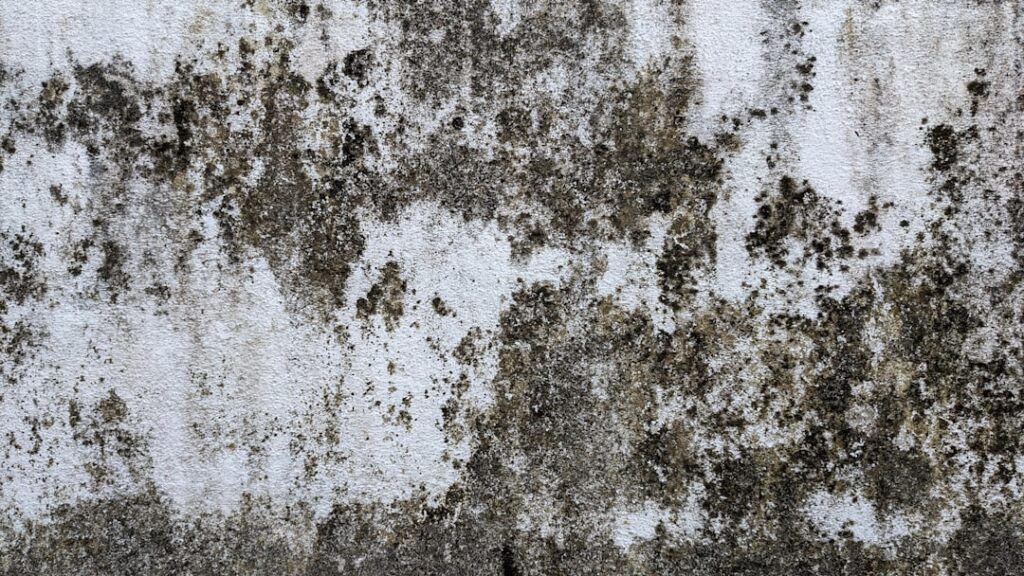
Concrete floors and walls in basements, garages, patios, and crawlspaces are prime spots for mold, because concrete is cool, holds moisture in its pores, and collects the dust and organic film that mold feeds on. The question of what kills black mold on concrete has a practical answer: several common products work, and the bigger task is controlling the moisture that let it grow. Concrete is more forgiving than wood or drywall because it does not rot, but its porous surface still needs the right approach. This guide summarizes EPA and CDC guidance current as of 2026; it is not medical advice, and anyone with symptoms should consult a physician while a certified professional handles larger contamination.
Part of our Black Mold & Your Health guide — start there for the full picture →
Is this mold, asbestos, or water damage? Get a free instant screen
Upload a clear photo of the suspect area. You'll get an instant AI screening opinion and what to do next. This is screening guidance, not a professional determination.
Screening guidance only. AI can be wrong. Confirm asbestos, mold type, or lead with lab testing or a licensed professional before acting.
What Kills Black Mold on Concrete?
Several effective options exist, and the best choice depends on severity. For routine growth, white vinegar (undiluted) kills many common molds and is safe to use indoors with ventilation. A detergent-and-water scrub, the EPA’s baseline for hard surfaces, lifts much of the growth. For heavier or set-in mold, a dedicated concrete or masonry mold remover handles what household products leave behind.
Match the strength of the product to the severity of the growth rather than reaching for the harshest option first. Light, recent growth often yields to vinegar or detergent alone, while thick, established mold or algae that has darkened the surface for months may need a dedicated masonry cleaner and a stiff or wire brush. Starting mild and stepping up only as needed protects both the surface and your lungs, and it avoids the overkill of strong chemicals on a problem a simple scrub would have solved.
Because concrete is non-porous enough to clean in place yet porous enough to hold staining, the goal is to kill and physically remove the colony, not just lighten the color. The EPA stresses that all indoor mold should be removed regardless of the species, and that color does not identify the organism. The mold inspection and testing hub explains why the moisture source matters more than which product you pick.
Step-by-Step Cleaning of Concrete
Concrete mold under about 10 square feet is a homeowner job. Ventilate the area, wear an N95 respirator, gloves, and goggles, and fix the moisture source before you start.
Pre-Wet and Apply
Lightly dampen the surface so spores do not go airborne, then apply your cleaner, vinegar, detergent solution, or a masonry mold remover, and let it dwell for the time the product specifies (about 10 minutes for vinegar).
Scrub With a Stiff Brush
Work a stiff-bristled or wire brush into the textured surface and pores of the concrete, since mold settles into the texture. A scrub brush on a pole helps for floors and high walls.
Rinse, Extract, and Dry
Rinse or wipe away the residue, extract standing water with a wet vacuum, and dry the area completely with fans and a dehumidifier. Concrete holds water, so thorough drying is essential to prevent regrowth.
Does Bleach Work on Concrete?
Bleach is commonly used on concrete and can lighten staining, but it has limits worth understanding. Chlorine bleach is water-based, and on porous concrete its active ingredient struggles to reach mold rooted in the pores, so it often bleaches the surface color while leaving viable growth behind. The added water can also feed regrowth if the slab does not dry fully.
For these reasons, vinegar or a purpose-made masonry mold cleaner frequently outperforms bleach on concrete, even though bleach makes the surface look clean faster. If you do use bleach, never mix it with vinegar, ammonia, or other cleaners, since the combination releases hazardous gases. Our look at black mold killer sprays compares product types by surface so you can match the cleaner to the job.
Concrete Does Not Rot, but It Still Needs Attention
One reassuring fact about concrete mold is that the concrete itself is not a food source and does not rot the way wood and drywall do, so cleaning a concrete surface rarely means structural replacement. The mold lives on the film of dust, dirt, soap, and organic residue on the surface and in the pores, not on the concrete. Remove that food and the moisture, and the mold has nothing to live on.
That does not make concrete mold harmless or self-correcting. The same growth releases spores and odors into the air, and the moisture that feeds it can damage adjacent materials, rotting the bottom of wood framing resting on the slab, ruining stored belongings, and degrading any flooring installed over it. A persistently damp slab also signals a water-management problem that can affect the whole structure over time. So while you usually will not be tearing out concrete, treating slab mold as a sign to fix moisture, rather than a cosmetic nuisance to scrub away, protects the materials and air around it. The durability of concrete is a reason to act on the cause, not a reason to ignore the symptom.
Why Mold Grows on Concrete and How to Stop It
Concrete itself is not food for mold, but the dust, dirt, and organic film on its surface are, and concrete readily wicks and holds moisture. Basement and garage slabs sit against cool, damp soil; patios and exterior walls collect rain and shade-driven dampness. The recurring theme is water, so prevention is moisture control.
In below-grade spaces, run a dehumidifier to keep humidity in the EPA’s 30 to 50 percent range, fix foundation seepage and plumbing leaks, and direct downspouts and grading away from the foundation. Consider a vapor barrier and, for chronically damp slabs, a concrete sealer that reduces moisture wicking. Keep the surface clean of the dust that feeds mold. These steps follow the same logic that governs crawl space mold, where sealing soil and controlling humidity is the durable fix.
Sealing and Long-Term Protection
Once the concrete is clean and dry, a penetrating concrete sealer reduces how much moisture the slab absorbs, making it harder for mold to return. Sealers suit basement floors, garage slabs, and exterior concrete alike, though the product type differs by application. Sealing is not a substitute for moisture control, but combined with a dehumidifier and good drainage, it markedly slows regrowth.
Reapply sealer per the manufacturer’s schedule, and keep watching the moisture conditions, since a sealed slab over chronically wet soil can still sweat. In garages and basements, avoid storing cardboard and fabric directly on concrete, since those wick moisture and grow mold against the slab, which can look like the concrete itself is affected.
Choose the sealer to match the slab and the moisture it faces. Penetrating sealers, silanes, siloxanes, and silicates, soak into the concrete and leave the surface looking natural while reducing water absorption, which suits interior floors and walls. Film-forming sealers, such as acrylics and epoxies, create a surface coating that resists water and is easy to wipe, common on garage and basement floors, though they can trap moisture if applied over a slab that is wicking water from below. That last point matters: sealing a slab that has active moisture coming up through it can cause the coating to peel and can push the dampness to find another path. Confirm the slab is dry and the underlying moisture is controlled before sealing, or the sealer becomes part of the problem rather than the solution.
Pressure Washing Exterior Concrete
For patios, driveways, walkways, and exterior walls, a pressure washer is the most efficient way to clear mold and the algae and grime that often accompany it over large areas. Pair it with a concrete-safe mold cleaner or a dedicated exterior cleaner, applying the solution first and letting it dwell before washing so the chemistry does the killing and the water does the removal. Use a fan tip and keep the nozzle moving to avoid etching the concrete, and work in sections.
A few precautions apply. Direct the runoff away from storm drains where local rules require, and protect nearby plantings from harsh cleaners. After washing, let the concrete dry fully, then consider a sealer to slow regrowth, since shaded, north-facing, and frequently damp exterior concrete is prone to coming back. Pressure washing alone removes what is there but does nothing about the moisture and shade that invited it, so on chronically green or black exterior surfaces, improving drainage, trimming back vegetation to let sunlight in, and sealing the surface extend the time between cleanings considerably.
Mold Versus Efflorescence on Concrete
Concrete surfaces show a white, powdery deposit called efflorescence that homeowners sometimes mistake for mold, and the two need opposite responses. Efflorescence is mineral salt left behind when water moves through the concrete and evaporates at the surface. It is white or grayish, dry, crystalline, and brushes off as a powder, and it has no musty smell. While it is not mold, its presence is a useful warning, because it confirms water is passing through the concrete, exactly the condition that lets mold grow on the dust and organic film nearby.
Mold, by contrast, is usually black, green, or dark gray, can be fuzzy or slimy, smears rather than powders when wiped, and carries a musty odor. The practical distinction: efflorescence is a dry mineral you brush away and treat as a moisture clue, while mold is a living growth you kill, remove, and prevent. Seeing efflorescence on a basement wall is a prompt to address the moisture before mold follows. Treating one as the other, scrubbing efflorescence with a fungicide or ignoring mold as harmless mineral, misses the real issue in both cases.
Different Concrete Surfaces, Different Approaches
The same product works across concrete, but the setting changes the strategy. On a basement floor or wall, the priority is the chronic below-grade moisture driving growth, so cleaning pairs with a dehumidifier and drainage fixes. On a garage slab, road salt, vehicle drips, and stored cardboard add organic food, so keeping the floor clean and items off the concrete matters as much as the cleaner. On exterior patios and walls, shade and persistent dampness feed growth, and a pressure washer with a concrete-safe cleaner handles large areas efficiently.
Painted or sealed concrete behaves more like a non-porous surface, so growth tends to sit on top and wipe off, while bare concrete needs scrubbing into the texture and pores. For painted basement walls showing mold, check whether moisture is pushing through from behind, since trapped moisture under paint both grows mold and lifts the coating. Matching the approach to the specific surface and its moisture exposure produces a longer-lasting result than treating every concrete surface identically.
When to Call a Professional
Call a professional when the moldy concrete area exceeds about 10 square feet, when the slab is chronically wet from seepage or a high water table, when mold returns repeatedly despite cleaning and sealing, when it follows sewage or floodwater, or when household members have asthma, allergies, or weakened immunity. Persistent concrete mold usually signals a water-management problem that a brush and spray bottle cannot solve.
A qualified inspector can measure moisture, identify whether the source is groundwater, condensation, or a leak, and recommend drainage, waterproofing, or dehumidification before you keep recleaning. That assessment ties cleanup to the moisture fix that actually keeps the slab dry and mold-free.
References
- Mold Cleanup in Your Home — U.S. Environmental Protection Agency
- A Brief Guide to Mold, Moisture and Your Home — U.S. Environmental Protection Agency
- Mold and Your Health — Colorado Department of Public Health and Environment
Frequently asked questions
What is the best thing to kill black mold on concrete?
Undiluted white vinegar kills many common molds and is safe indoors with ventilation, while a detergent scrub lifts most growth. For heavy or set-in mold, a dedicated masonry mold remover works best. Whatever you use, scrub the porous surface and dry it fully.
Does bleach kill mold on concrete?
Bleach can lighten the stain but often leaves viable mold in the pores because it is water-based and struggles to penetrate porous concrete. Vinegar or a masonry mold cleaner frequently works better. Never mix bleach with vinegar or ammonia.
Why does mold keep growing on my concrete?
Concrete wicks and holds moisture, and the dust on its surface feeds mold. Recurring growth means a moisture problem, such as seepage, condensation, or poor drainage. Control humidity, fix leaks, and consider sealing the slab to stop it.
Should I seal concrete after removing mold?
Yes, a penetrating concrete sealer reduces how much moisture the slab absorbs and slows regrowth. It is not a substitute for moisture control, but combined with a dehumidifier and good drainage it markedly helps keep concrete mold-free.
If concrete mold keeps returning in your Front Range basement or garage, connect with us through our contact page to reach a vetted inspector who can pinpoint the moisture source.