Will Vinegar Kill Black Mold: What Homeowners Know
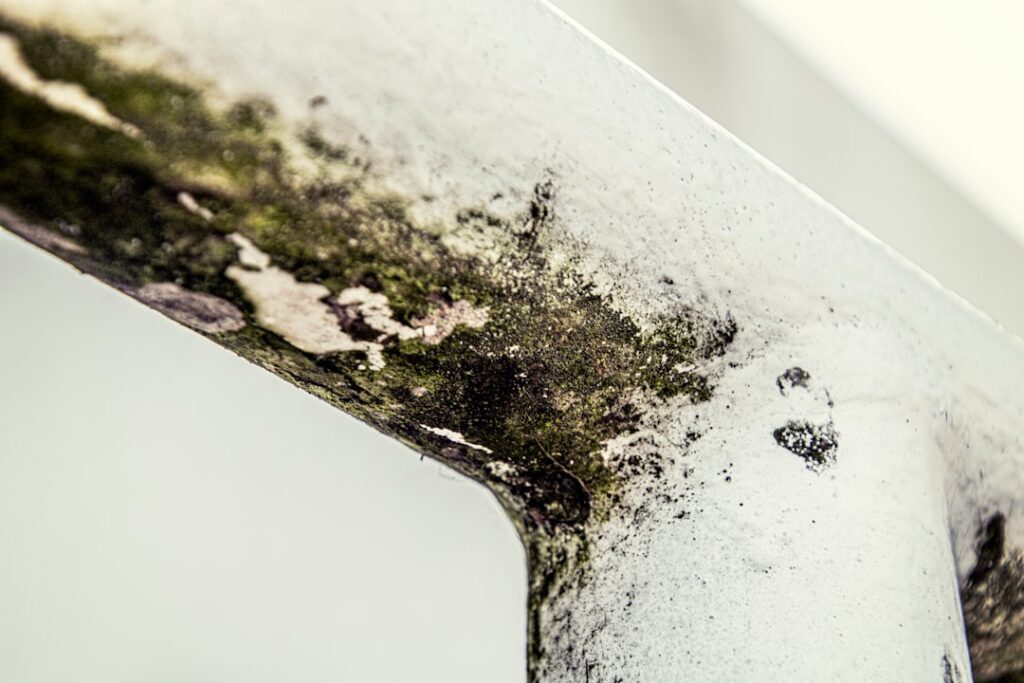
White vinegar sits in nearly every kitchen, and it is a popular first reach for a dark patch of mold. The appeal is obvious: cheap, non-toxic, and no harsh fumes. But popularity is not the same as proven effectiveness, and black mold raises the stakes. This guide examines will vinegar kill black mold, where it works, where it falls short, and how to use it without making things worse. It summarizes EPA and CDC guidance current as of 2026; consult your physician for symptoms and a certified professional for testing or large-scale removal decisions.
Is this mold, asbestos, or water damage? Get a free instant screen
Upload a clear photo of the suspect area. You'll get an instant AI screening opinion and what to do next. This is screening guidance, not a professional determination.
Screening guidance only. AI can be wrong. Confirm asbestos, mold type, or lead with lab testing or a licensed professional before acting.
Will Vinegar Kill Black Mold?
White vinegar can be effective against mold on hard, non-porous surfaces, but the picture is nuanced. Distilled white vinegar contains roughly 5 percent acetic acid, and its acidity can disrupt and kill many types of mold on surfaces like tile, glass, and sealed countertops. Some sources report it handles a majority of common household mold species on those surfaces.
The key limitation is the surface. The EPA stresses that mold on porous materials such as drywall, ceiling tiles, and carpet penetrates below the surface, where a sprayed liquid cannot reach the rooted growth. Vinegar may lighten the visible stain on porous material while the mold survives underneath and returns. On hard surfaces vinegar performs reasonably well; on absorbent ones it disappoints.
There is also an important framing point. The EPA’s central message is that removing mold and eliminating moisture matters more than which product “kills” it. Whether you use vinegar, detergent, or a diluted bleach solution, the growth must be physically removed and the surface dried, or it will regrow regardless of the cleaner.
How to Use Vinegar on Mold Safely
The method is simple. Pour undiluted white vinegar into a spray bottle, saturate the moldy surface, and let it sit for at least an hour so the acid can work. Then scrub with a stiff brush, wipe clean, and dry the area thoroughly. Reapplying and letting it dwell improves results compared with a quick spray-and-wipe.
Wear protection even for a vinegar job. The act of scrubbing disturbs mold and releases spores, so an N-95 respirator, gloves, and eye protection are appropriate. Ventilate the space. Do not mix vinegar with bleach, because the combination can produce harmful chlorine gas. If the smell of vinegar bothers you, it dissipates as the surface dries and is far safer than chemical alternatives.
Vinegar Versus Bleach for Black Mold
Homeowners often debate vinegar against bleach. Bleach is a strong disinfectant and can remove mold and its stain from hard surfaces, but the EPA notes bleach is not always necessary for routine cleanup and that detergent and water work for many jobs. Bleach also struggles on porous materials for the same reason vinegar does: it cannot penetrate to reach embedded growth.
Vinegar has the edge in safety and odor, with no toxic fumes when used alone. Bleach has the edge in stain removal and disinfection on hard surfaces. Neither solves a moisture problem, and neither restores heavily contaminated porous material. The guide on whether white vinegar kills black mold compares the two in more detail for specific surfaces.
Where Vinegar Works Well
Vinegar shines on small mold patches on hard surfaces. Bathroom tile and grout, glass shower doors, sealed countertops, sinks, and finished metal all respond to a vinegar treatment followed by scrubbing and drying. Window sills, refrigerator gaskets, and washing machine seals are other good candidates, since these spots collect moisture but are non-porous.
For these jobs, vinegar is a sensible, low-risk choice. The growth is on the surface, the area is small, and the surface tolerates an acidic cleaner. Combined with diligent drying and improved ventilation, vinegar can keep these spots clear. The guide on killing black mold in the shower walks through the routine for the most common vinegar use case.
Where Vinegar Falls Short
Vinegar is the wrong tool for porous and structural materials. Saturated drywall, ceiling tiles, carpet, upholstery, and insulation hold mold deep inside, and surface treatment leaves the colony alive. The EPA recommends discarding heavily contaminated porous items rather than trying to clean them. Spraying vinegar on such material may fade the stain and create false confidence while the problem persists.
Vinegar also does nothing about the moisture that caused the growth. A patch cleaned with vinegar will return within days if the leak, condensation, or humidity remains. And on large areas, generally anything beyond about 10 square feet, the EPA recommends professional remediation regardless of the cleaner. Reaching for vinegar on a wall-sized infestation wastes effort and risks spreading spores.
The Moisture Problem Vinegar Can’t Solve
Every mold guide circles back to the same truth: mold needs water. The EPA’s position is that controlling moisture is the only durable way to control mold. Vinegar treats a symptom; it does not address the cause. If you find yourself spraying the same spot repeatedly, the real fix is upstream.
Common moisture sources include plumbing leaks, roof drips, poor bathroom ventilation, basement humidity, and condensation on cold surfaces. Keep indoor relative humidity below 50 percent, run exhaust fans, and dry wet materials within 24 to 48 hours. When growth keeps returning despite cleaning, a hidden source is usually at work, and the mold inspection and testing hub explains how professionals locate it.
Vinegar Versus Hydrogen Peroxide and Borax
Vinegar is one of several household mold remedies, and comparing it with the alternatives clarifies when to reach for each. Hydrogen peroxide at around 3 percent is an oxidizer that kills many surface molds and offers more stain-lifting power than vinegar, making it useful on discolored grout, though it can lighten some surfaces. It also breaks down quickly, so it must be applied fresh.
Borax, a mineral powder mixed with water, leaves an alkaline residue that discourages regrowth and works well for scrubbing hard surfaces, but it should be kept away from children and pets. Vinegar’s edge is its low hazard and the fact that it leaves no harmful residue. None of the three penetrates porous materials any better than the others, and none addresses moisture. Some homeowners use vinegar first, let it dwell, then follow with hydrogen peroxide for stubborn staining, never mixing the two in the same bottle. The guide on sprays that kill mold compares these household options with commercial products.
Is Vinegar Safe for Pets and Children?
Part of vinegar’s appeal is that it avoids the harsh chemistry of bleach and commercial cleaners, which matters in homes with children and pets. Diluted acetic acid is far less hazardous than chlorine bleach, produces no toxic fumes on its own, and rinses away cleanly, so a vinegar-treated surface poses little risk once dry. This makes it a reasonable choice for spots that little hands or curious pets might contact.
Common sense still applies. Keep children and pets out of the room while you clean, since scrubbing releases spores regardless of the cleaner, and the strong vinegar smell can be unpleasant in a confined space until it dissipates. Store the spray bottle out of reach, and ventilate the area during and after the work. Compared with the precautions bleach demands, vinegar is a gentler option for a household-friendly cleanup, which is a genuine point in its favor for small surface jobs. For the larger or hidden problems vinegar cannot solve, the mold inspection and testing hub outlines the professional route.
Why Vinegar Works Against Mold at All
The reason vinegar has any effect on mold comes down to chemistry. Distilled white vinegar is roughly 5 percent acetic acid, and that acidity lowers the pH of the surface enough to disrupt many molds’ cell structures. Fungi generally prefer a near-neutral environment, so flooding a surface with an acidic liquid creates conditions hostile to growth and can kill the organisms it directly contacts.
The catch is reach. Acetic acid only works where it physically touches the mold, which is why vinegar succeeds on a smooth tile face and fails on drywall, where the growth extends below the surface beyond the liquid’s reach. The acidity also weakens over time and as it dries, so a single light spray does less than a thorough soak with a long dwell. Understanding the mechanism explains both vinegar’s modest successes and its clear limits, and it underscores why agencies emphasize physical removal and drying over reliance on any single product.
Does Vinegar Remove Mold Stains?
Killing mold and removing its stain are two different outcomes, and vinegar is better at the first than the second. After a vinegar treatment kills surface growth, a dark discoloration may remain, especially on grout, caulk, and aged surfaces where pigment has penetrated the material. The mold may be dead, but the cosmetic stain lingers.
For staining, a baking soda paste scrubbed into grout can help lift discoloration, and a diluted bleach solution removes stains more effectively than vinegar on hard surfaces. On silicone caulk, embedded staining often will not come out at all, and replacing the bead is the practical fix. The takeaway is to separate the two goals: use vinegar to address the living growth, and accept that stubborn staining may need a different approach or a material replacement. The guide on sprays that kill mold compares vinegar with the commercial products marketed for both killing and stain removal.
How Often Should You Re-Treat?
If a surface keeps growing mold despite vinegar treatments, the frequency of re-treatment is a diagnostic clue, not a routine to accept. A surface that needs vinegar every week or two has an active moisture problem feeding constant regrowth. Repeatedly treating it without addressing the water is like bailing a boat without patching the leak.
For a surface kept properly dry, an occasional preventive wipe may be all that is needed, and growth should not return between treatments. The right cadence, in other words, approaches zero once the moisture is controlled. Rather than scheduling regular vinegar sessions, treat persistent regrowth as a signal to improve ventilation, lower humidity, or find a hidden leak. The mold inspection and testing hub explains how professionals trace the source when repeated cleaning is not enough.
When to Call a Professional Instead
Vinegar is a homeowner remedy for small, surface-level mold. Step away from the spray bottle when the affected area exceeds about 10 square feet, when mold sits on porous materials, when there is a musty smell with no visible source, or when growth follows flooding or sewage. These situations call for professional remediation that includes containment, removal of contaminated materials, and drying.
Anyone in the household with asthma, allergies, or a weakened immune system should also avoid doing the cleanup. A qualified professional can identify the moisture source, scope the contamination, and remediate it properly. Vinegar has a real place in the cleaning cabinet, but recognizing its limits is what keeps a small problem from becoming a recurring one. The honest summary is that vinegar is a fine first response to a small patch on a hard surface, and the wrong tool for anything larger, hidden, or rooted in porous material, where it only masks a problem that needs a different solution.
References
- Mold Cleanup in Your Home — U.S. Environmental Protection Agency
- About Mold and Health — Centers for Disease Control and Prevention
- A Brief Guide to Mold, Moisture and Your Home — U.S. Environmental Protection Agency
- Mold and Your Health — Colorado Department of Public Health and Environment
If vinegar keeps failing because mold returns to the same spot, a hidden moisture source is likely the cause. We can connect Front Range homeowners with a vetted local inspector to find it. Reach out through our contact page to get started.
Mold removal & cleanup picks
For a small, contained patch (under ~10 sq ft) these EPA-friendly removers handle surface mold. Larger or recurring growth warrants a professional assessment first.
| Product | Why | Buy |
|---|---|---|
 RMR-86 Instant Mold Stain Remover RMR-86 Instant Mold Stain Remover | Fast-acting on stains; ventilate and wear PPE. | Amazon — $29.99 |
 Concrobium Mold Control Concrobium Mold Control | No-bleach formula that also helps prevent regrowth. | Amazon — $13.48 |
 Mold Armor Mold & Mildew Remover Mold Armor Mold & Mildew Remover | Widely stocked bathroom/surface remover. | Amazon — $22.98 |