Black Mold Vinegar: What Homeowners Need to Know
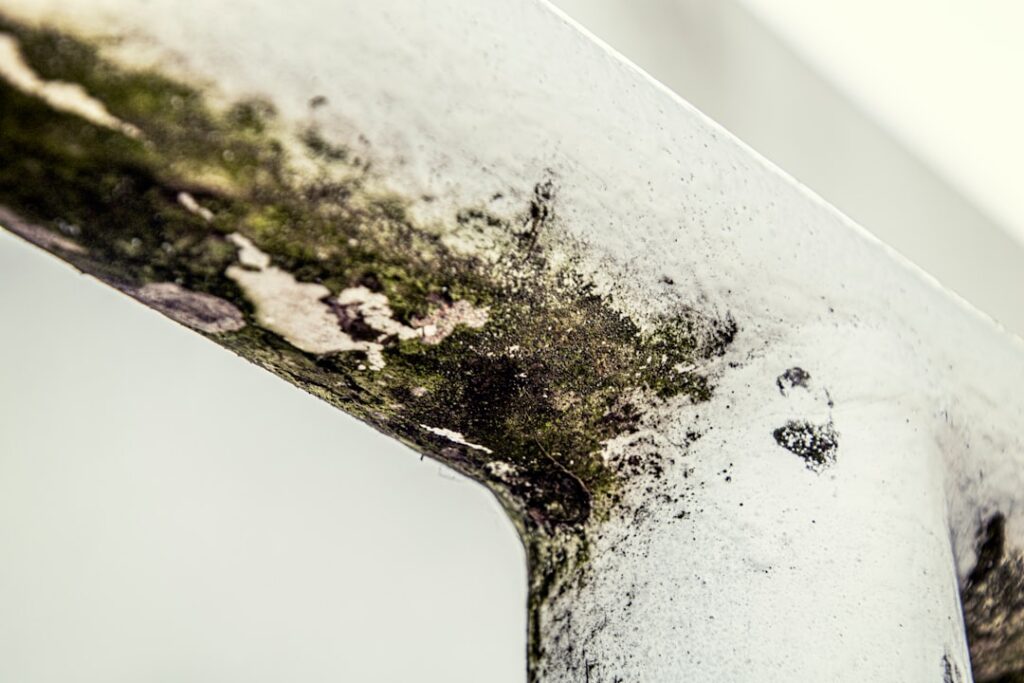
White vinegar is one of the most common household weapons homeowners reach for when they spot dark growth on a windowsill or bathroom grout. The pairing of black mold vinegar searches reflects a genuine question: can a cheap pantry staple really handle something with such a frightening reputation? The honest answer is nuanced. Vinegar can kill many surface molds, but it has clear limits, and using it wrong can leave a problem festering behind a wall. This guide summarizes EPA and CDC guidance current as of 2026 and is educational only; consult a certified professional for testing decisions and your physician for any health concerns.
Part of our Black Mold & Your Health guide — start there for the full picture →
Is this mold, asbestos, or water damage? Get a free instant screen
Upload a clear photo of the suspect area. You'll get an instant AI screening opinion and what to do next. This is screening guidance, not a professional determination.
Screening guidance only. AI can be wrong. Confirm asbestos, mold type, or lead with lab testing or a licensed professional before acting.
Does Vinegar Actually Kill Black Mold?
White distilled vinegar contains roughly 5 to 8 percent acetic acid, and that acidity is what gives it mild antimicrobial properties. On non-porous surfaces, vinegar can kill many common household mold species when applied at full strength and left to sit. It is not a registered disinfectant, so it will not match a commercial product’s kill claims, but for small areas of surface growth it is often effective enough.
The important caveat is that “black mold” is a loose term. It may refer to Stachybotrys chartarum or to any of several dark molds, and color alone does not reveal the species. The EPA’s guidance applies regardless: remove visible mold and fix the moisture that feeds it. Vinegar addresses the removal step on suitable surfaces, but it does nothing about the dampness that allowed the mold to grow in the first place.
How to Use Vinegar on Mold Safely
For a small, contained patch on a hard surface, the process is straightforward. Pour undiluted white vinegar into a spray bottle, saturate the affected area, and let it sit for at least an hour. Then scrub with a stiff brush, wipe away the residue, and dry the surface completely. Drying is not optional; leftover moisture invites regrowth.
Personal protection matters even for small jobs. The CDC recommends wearing gloves and, for anyone sensitive, an N-95 respirator and eye protection, because disturbing mold releases spores into the air. Ventilate the room by opening a window or running an exhaust fan. Never mix vinegar with bleach or ammonia; the combination can release hazardous fumes. Homeowners weighing vinegar against other options can compare it with our look at household mold-killing methods and our broader treatment overview to choose the right tool.
Vinegar vs. Bleach for Black Mold
Homeowners often assume bleach is the gold standard, but the picture is more complicated. The EPA does not recommend routine use of bleach for mold cleanup, and on porous materials bleach struggles because its water content can soak in while the active chlorine stays on the surface. Vinegar, being more able to penetrate, can sometimes reach growth that surface bleaching misses.
That said, neither product fixes porous materials that are heavily colonized. Drywall, carpet padding, and ceiling tile with deep growth generally need removal, not treatment. For a side-by-side comparison of approaches and where each falls short, our guide on using bleach on black mold lays out the trade-offs. The practical rule: use either product only on small, non-porous surface growth, and remove anything porous and saturated.
Where Vinegar Falls Short
Vinegar is a surface treatment, and surfaces are only part of the story. Mold visible on a wall is frequently the tip of a larger colony living inside the cavity, fed by a leak or condensation. Spraying vinegar on the visible portion can make the wall look clean while the hidden growth continues to spread.
Vinegar also cannot address the root cause. If a bathroom keeps growing mold in the same corner, the real problem is humidity, ventilation, or a slow leak, and no amount of acetic acid solves that. Large areas, recurring growth, and any mold tied to contaminated water are beyond what a spray bottle can handle. In those cases, the visible cleanup is the least important part of the job.
When Black Mold Is Too Much for Vinegar
The EPA offers a useful threshold: cleanups smaller than roughly ten square feet are reasonable for a careful homeowner, while larger areas generally warrant professional remediation. Mold inside HVAC systems, growth across multiple rooms, or any infestation following sewage or floodwater also exceeds DIY scope.
Health considerations matter too. People with asthma, allergies, or compromised immune systems should avoid disturbing mold themselves. If occupants experience symptoms that improve when they leave the home, that pattern suggests an indoor air problem worth professional evaluation. The mold inspection and testing hub explains how an assessment can reveal whether visible growth is the whole problem or just a symptom of something hidden.
Preventing Mold After You Clean
Cleaning is wasted effort if the conditions that bred the mold remain. Controlling moisture is the durable fix. The EPA recommends keeping indoor relative humidity below 60 percent, and ideally between 30 and 50 percent, which usually means running exhaust fans, using a dehumidifier in damp spaces, and repairing leaks quickly.
In bathrooms, run the fan during and after showers and squeegee wet surfaces. In basements, a dehumidifier set to maintain around 45 to 50 percent humidity makes a measurable difference. After any water intrusion, dry affected materials within 24 to 48 hours. These habits keep small vinegar-treated spots from turning into recurring problems.
Step-by-Step: Treating a Small Spot
For a manageable patch on tile, grout, glass, or sealed surfaces, the routine is simple. Gear up with gloves and a respirator, ventilate the room, and spray full-strength white vinegar until the area is wet. Wait at least an hour so the acid has time to work.
Scrub the surface, wipe away loosened mold and residue, and rinse if appropriate. Dry the area thoroughly with a fan or towel. Watch the spot over the following weeks; if it returns, the moisture source is still active and needs to be found and corrected rather than re-treated. Persistent regrowth is the clearest signal that the problem is bigger than vinegar can solve.
Why Mold Returns After Vinegar Treatment
One of the most common frustrations homeowners report is mold reappearing in the same spot days or weeks after a vinegar treatment that seemed to work. The explanation is almost always moisture. Vinegar removes the visible growth, but if the conditions that produced it remain, new spores settle and colonize the damp surface again. The acetic acid does nothing to address a leak, condensation, or chronic humidity.
The pattern is diagnostic in itself. A spot that returns repeatedly is telling you the moisture source is still active and needs to be found and corrected, not re-sprayed. In a bathroom, that often means inadequate ventilation, so the fan runs too little or vents into an attic instead of outdoors. On a window frame, it usually means winter condensation. Along a basement wall, it points to seepage or high humidity. Treating the recurring spot without solving the underlying dampness becomes an endless chore, which is why the durable fix is moisture control rather than another bottle of vinegar.
Tracking Down the Moisture Source
Locating the source takes a little detective work. Note when the mold appears, since seasonal timing points toward condensation or humidity, while a sudden patch may indicate a leak. Check for plumbing drips under sinks and behind toilets, inspect for water stains on ceilings and walls, and feel for dampness along the base of walls. A simple hygrometer reveals whether a room’s humidity is high enough to feed growth. When the source stays hidden, a professional with moisture meters can find dampness behind surfaces that a homeowner cannot detect by sight or touch.
Common Mistakes When Using Vinegar on Mold
Several avoidable errors undercut vinegar’s effectiveness. The most frequent is diluting it. While diluted vinegar is fine for general cleaning, mold treatment calls for full-strength application so the acetic acid concentration is high enough to matter. Watering it down weakens the very property doing the work.
A second mistake is wiping too soon. Vinegar needs dwell time, ideally an hour, to penetrate and act, yet many people spray and immediately scrub, removing the solution before it has finished. A third error is skipping the drying step. Leaving a surface damp after cleaning simply invites regrowth within days, defeating the purpose. Finally, some homeowners mix vinegar with bleach hoping to boost results; this is dangerous and can release toxic chlorine gas. Using vinegar correctly means full strength, adequate dwell time, thorough scrubbing, complete drying, and never combining it with other cleaning chemicals.
Protecting Yourself During Cleanup
Even a small vinegar job disturbs spores, so protection is not optional. The CDC recommends gloves, eye protection, and an N-95 respirator for anyone sensitive, along with good ventilation. Open a window or run an exhaust fan, and avoid touching your face during the work. After finishing, wash hands and launder any clothing that contacted the mold. These simple precautions keep a routine cleaning task from becoming an unnecessary exposure.
Which Surfaces Vinegar Works On
Vinegar’s usefulness depends heavily on the material. On hard, non-porous surfaces it performs reasonably well because the acetic acid stays where it is applied and the mold sits on top rather than rooted within. Glazed tile, glass, sealed countertops, finished metal, and glossy painted trim all fall into this category, and a vinegar treatment followed by scrubbing and drying can clear surface growth effectively.
Grout and caulk are intermediate cases. They are somewhat porous, so vinegar may not reach growth that has penetrated below the surface, and stained silicone caulk often needs replacement rather than cleaning. Truly porous materials, including drywall, unsealed wood, carpet, ceiling tile, and fiberglass insulation, are where vinegar fails. The mold roots into the material, and a surface spray cannot reach it. Saturated porous materials generally need removal, not treatment, which is the dividing line between a cleaning task and a remediation project. Matching the method to the material prevents wasted effort on surfaces vinegar was never going to fix.
How Vinegar Compares to Commercial Products
Homeowners often wonder whether a store-bought mold and mildew product is worth the extra cost over pantry vinegar. EPA-registered products carry tested kill claims and may include surfactants that help the solution cling to vertical surfaces, which vinegar lacks. For visible, stubborn surface growth, a registered product can be more convenient.
That said, the EPA repeatedly emphasizes that physical removal matters more than the specific agent, so for small jobs the practical difference is modest. Vinegar’s advantages are cost, low cost, ready availability, and far gentler fumes than bleach. Its disadvantages are a strong smell during application and limited cling on vertical surfaces. The honest summary is that vinegar is a competent budget option for small, non-porous surface mold, while neither it nor a commercial product addresses the moisture source or salvages porous materials. Homeowners comparing approaches can also weigh natural options against commercial sprays in our coverage of household mold-control methods, which puts each tool in context.
When to Call a Professional
Reach out to a qualified remediation provider when growth covers more than about ten square feet, when it keeps returning after cleaning, when it appears inside walls or ductwork, or when contaminated water was involved. Anyone with respiratory conditions should also leave significant mold cleanup to professionals who use containment and proper protective equipment.
A professional remediation addresses the moisture source, contains the work to prevent spreading spores, and verifies that the space is dry afterward. Vinegar has a real place in a homeowner’s toolkit for small surface jobs, but it is a starting point, not a substitute for fixing what caused the mold.
References
- Mold Cleanup in Your Home — U.S. Environmental Protection Agency
- About Mold and Health — Centers for Disease Control and Prevention
- A Brief Guide to Mold, Moisture and Your Home — U.S. Environmental Protection Agency
- Mold and Your Health — American Lung Association
Frequently asked questions
Does vinegar kill black mold completely?
Vinegar can kill many surface molds on non-porous materials when applied full-strength and left to sit. It will not penetrate deep into porous materials like drywall, and it does not remove the moisture source, so heavy or hidden growth needs more than vinegar.
Should I dilute vinegar to kill mold?
No. Use undiluted white vinegar for the best effect on small surface patches. Diluting it weakens the acetic acid that provides the antimicrobial action.
Can I mix vinegar and bleach to kill mold faster?
Never mix vinegar with bleach or ammonia. The combination can release toxic chlorine gas. Use one product at a time and ventilate the area well.
How long should vinegar sit on mold?
Let full-strength vinegar sit on the affected surface for at least an hour before scrubbing. Then wipe the area clean and dry it completely to discourage regrowth.
If mold keeps returning after you clean it, the real problem is usually hidden moisture. Front Range homeowners can get in touch through our contact page to connect with a vetted inspector who can find the source.