Baking Soda and Vinegar for Drains: Does It Really Work?
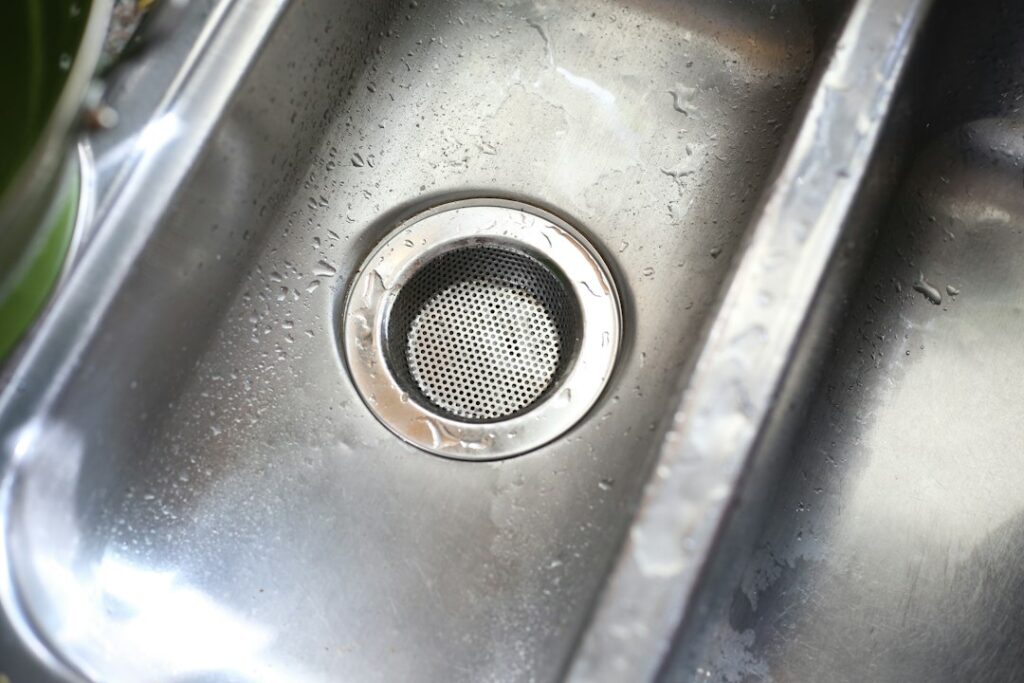
Pouring baking soda and vinegar down the drain is one of the most repeated household tips around, and the dramatic fizz makes it feel like something powerful is happening inside the pipe. Sometimes it does help. A sink that smells a little sour, or a bathroom drain that runs slightly slower than it used to, may respond to the routine, mostly because of the hot water that usually follows. A drain that is packed with grease, wrapped in hair or invaded by tree roots is a different problem, and no amount of fizzing will fix it. This guide explains the chemistry in plain language, where the method makes sense, where it falls short, how boiling water can damage some fixtures and pipes, and which mechanical tools tend to work better. It also covers septic systems, garbage disposals and recurring sewer odors, which often point to something an inspector or plumber should look at.
Part of our Plumbing & Water guide — start there for the full picture →
Plumbing problem? Talk to a local plumber now.
📞 Call (877) 637-1527Does Baking Soda and Vinegar Actually Unclog a Drain?
The short answer: it can loosen light buildup and help with mild odors, but it is not a reliable way to clear a true blockage. When the two ingredients meet, the reaction is fast and visible, yet most of its energy is spent within seconds, often in the drain opening rather than down at the clog.
Think of it as a gentle maintenance rinse rather than a drain opener. If water still pools in the sink after the treatment, the obstruction is almost certainly something the reaction cannot dissolve, and continuing to repeat the routine only delays the real fix.
What the fizz actually is
Baking soda is sodium bicarbonate, a mild base. Household white vinegar is a dilute solution of acetic acid in water. When an acid meets a base, they neutralize each other. In this case the products are carbon dioxide gas, water and sodium acetate, a mild salt. The carbon dioxide is what creates the bubbles and foam.
That neutralization is the key point. Each ingredient on its own has some cleaning value: vinegar’s acidity can soften light mineral film, and baking soda is a gentle abrasive and deodorizer. Once they are mixed, much of that acid and base cancels out, leaving salty water with some lingering bubbles. The scrubbing action of the foam is real but mild, and it is short-lived.
None of the products are harmful in the quantities used in a household drain, which is the main reason the method stays popular. It is cheap, it is low-risk for most plumbing, and it does not produce the fumes associated with caustic drain openers.
When Baking Soda and Vinegar Helps and When It Does Not
Matching the method to the problem saves time. The table below summarizes common drain complaints and whether the fizz routine is a reasonable first try.
| Drain problem | Likely cause | Will the fizz help? | Better next step |
|---|---|---|---|
| Mild sour or musty odor | Light film of soap, food residue or biofilm in the trap | Often, especially with a hot-water flush afterward | Clean the stopper and trap; check for a dry trap in rarely used fixtures |
| Slightly slow bathroom sink | Soap scum and toothpaste film, a few hairs | Sometimes | Pull and clean the pop-up stopper; use a small plastic drain-cleaning strip |
| Shower or tub draining slowly | Hair tangled with soap scum | Rarely | Remove the strainer and pull out hair with a hook tool or hand snake |
| Kitchen sink backing up | Congealed grease, food solids, coffee grounds | Unlikely | Plunge with the other basin sealed; clean the trap; snake the line |
| Several fixtures slow at once | Blockage in the main or branch line, possibly roots | No | Call a plumber; consider a sewer camera inspection |
| Toilet not flushing | Paper or an object lodged in the trapway | No | Flange plunger or closet auger |
Where it falls short: grease, hair and roots
Grease plugs. Kitchen drains clog mostly because fats and oils cool, harden and trap food particles along the pipe walls. A brief fizz does not melt or dissolve a grease plug. Our guide to a kitchen sink drain walks through trap cleaning and the venting issues that can make a kitchen line chronically slow.
Hair clogs. Hair binds with soap scum into a rope-like mass, usually just below the strainer or at the tub’s drain crossbar. Chemistry does very little here; pulling the hair out is the fix. The shower drain guide covers strainer types and how to reach that clog.
Root intrusion and main-line problems. When tree roots enter a cracked clay or cast-iron sewer lateral, or when a section of pipe sags and holds waste, the symptoms show up as gurgling, slow drains in several rooms and backups in the lowest fixture. That is a structural problem in the sewer line, and the only real diagnosis is a camera. A sewer scope during a home inspection is especially worth considering in older Front Range neighborhoods with mature trees and original clay laterals.
For a broader walk-through of symptoms and fixes across fixtures, see our main guide to a clogged drain.
How to Use Baking Soda and Vinegar Safely
For light odors or slow drainage, a simple routine is reasonable. Quantities are flexible; the goal is to get the baking soda into the drain opening and trap rather than leaving it sitting on the basin.
- Clear standing water if possible. The method works poorly in a sink full of water because the ingredients dilute before reaching the drain.
- Pour in about half a cup of baking soda. Push it into the opening with a spoon or old toothbrush.
- Follow with roughly a cup of white vinegar. Expect immediate foaming.
- Wait several minutes. Many routines suggest 15 to 30 minutes. Longer waits are harmless but do not add much, since the reaction is finished well before then.
- Flush with plenty of hot tap water. This rinse does most of the actual work of carrying loosened film away.
Hot tap water is generally a safer final rinse than a kettle of boiling water, for reasons covered in the next section. If the drain is still slow after one or two tries, stop and move to a mechanical method rather than repeating the routine indefinitely.
A few safety points apply even though the ingredients are mild. Wear eye protection if you are working at face level, such as under a sink with the trap removed, since foam can splash. Keep the pour slow. And never use the method directly after a chemical drain opener has been poured into the same drain, because vinegar is an acid and can react with whatever product is still sitting in the trap.
Boiling Water: Useful but Not for Every Fixture
Many drain-cleaning instructions call for boiling water, either alone or after the baking soda and vinegar. EPA’s septic system guidance even suggests boiling water or a drain snake as alternatives to chemical drain openers for a clogged drain. Heat does help soften soap film and some grease. It is not harmless in every situation, though, and a little caution is warranted.
PVC and other plastic pipe
Most homes built or remodeled in recent decades use PVC or ABS plastic drain piping. Plastic drain pipe is generally intended for typical household wastewater temperatures, and repeated pours of water straight off a rolling boil may stress solvent-welded joints or soften older pipe over time. The risk from an occasional pour is debated and probably modest, but there is little upside to taking it. Letting the kettle sit for a minute or two, or simply using the hottest water from the tap, reduces the concern.
Porcelain toilets and sinks
Vitreous china and porcelain can crack from sudden temperature change. Pouring boiling water into a cold toilet bowl is a commonly cited cause of hairline cracks in the bowl or trapway. For a toilet, skip the boiling water entirely and use a flange plunger or closet auger. Our clogged toilet guide explains both tools.
Safer Mechanical Options That Usually Work Better
For a genuine blockage, physically moving or removing the material is more effective than any pour-in remedy. These tools are inexpensive and available at most hardware stores.
Cup plunger and flange plunger
A flat cup plunger seals over sink and tub drains; a flange plunger, with a soft extension at the bottom, is shaped for toilets. Plunging works best with a few inches of water covering the cup. On a double kitchen sink, seal the other drain with a wet rag or stopper so the pressure goes toward the clog rather than out the second opening. On a bathroom sink or tub, cover the overflow hole for the same reason.
Plastic drain-cleaning strips
Thin barbed plastic strips slide past a bathroom sink stopper or shower strainer and pull hair out. They are cheap, disposable and often the fastest fix for a slow lavatory sink.
Hand drain snake (auger)
A hand-cranked snake with a quarter-inch cable can reach through a sink trap or down a tub drain to break up or retrieve a clog. If the cable hits something hard and will not pass, or the clog returns within days, the problem may be further down the line.
Cleaning the trap
The curved P-trap under a sink is where much of the debris collects. With a bucket underneath, many traps can be unscrewed by hand, emptied and rinsed. Check the washers when reassembling and run water to confirm there are no leaks.
If plunging, snaking and trap cleaning do not restore normal flow, or if more than one fixture is affected, it is time for a plumber. Persistent problems in a home you are buying are also worth flagging during the inspection period. The plumbing and water section of our hiring guide explains what a general inspector typically checks and when a specialist is warranted.
Never Mix Drain Cleaners With Other Products
Commercial drain openers are a different category from kitchen-pantry remedies. Many contain strong bases such as sodium hydroxide, oxidizers such as sodium hypochlorite (bleach), or strong acids. These products can cause chemical burns, and combining them with each other, or with other household cleaners, can release toxic gases or cause violent reactions in the drain.
EPA’s mold and moisture guide gives a clear example of the general rule: never mix chlorine bleach solution with cleaning solutions or detergents that contain ammonia, because toxic fumes could be produced. The same caution applies to drains. Practical rules of thumb:
- Use only one product in a drain at a time, and follow the label exactly.
- Do not pour vinegar, baking soda or another cleaner on top of a commercial drain opener that is still in the pipe.
- Do not plunge a drain that has caustic cleaner standing in it, since splashback can reach skin and eyes.
- Tell a plumber what has been poured into the drain before they start work.
- Store drain cleaners in their original containers, out of reach of children.
That last point matches the Consumer Product Safety Commission’s poison prevention advice, which recommends keeping chemicals and cleaning supplies stored in a locked cabinet or box out of children’s reach and in their original child-resistant containers.
Septic Systems, Garbage Disposals and Drain Smells
Homes on a septic system
Many properties in rural Weld, Larimer, Elbert and Douglas counties, and in foothills communities west of the metro area, rely on an onsite septic system rather than a municipal sewer. EPA’s guidance on caring for a septic system advises homeowners to avoid chemical drain openers for a clogged drain and to use boiling water or a drain snake instead. It explains that the system contains living organisms that digest and treat household waste, and that pouring toxins down the drain can kill those organisms. EPA also lists drain cleaners, household chemicals, grease and coffee grounds among the things not to pour down the drain.
Small amounts of baking soda and vinegar are unlikely to upset a working septic tank. Large, frequent doses of any cleaner are a different matter, and recurring slow drains on a septic property can signal a full tank or a struggling drainfield rather than a simple clog. EPA notes that household septic systems should generally be inspected at least every three years by a septic professional. If you are buying a home with a septic system, our guide to septic tank inspection explains what that evaluation involves.
Garbage disposals
Running baking soda and vinegar through a disposal can freshen odors, and it will not hurt the unit. It will not, however, fix a jammed motor, dull grinding components or a leak at the housing. EPA also advises septic households to eliminate or limit garbage disposal use, since it adds fats, grease and solids to the tank. For hums, jams and leaks, see the garbage disposal repair guide.
Persistent sewer or rotten-egg smells
A drain that smells like sewage after it has been cleaned is often not dirty at all. Common causes include a dried-out trap in a guest bathroom or basement floor drain, a missing or failed vent, a loose wax ring under a toilet, or a cracked line. Pouring water into rarely used drains refills the trap seal and is a quick first check. If the odor persists, our guide to sewer smell in the house walks through the likely sources in order.
When a Slow Drain Is a Bigger Plumbing Issue
Most single-fixture clogs are routine. A few patterns suggest the problem is beyond the reach of any household remedy:
- Water backs up in a tub or floor drain when a toilet is flushed or the washing machine drains.
- Several fixtures gurgle or slow down at the same time.
- Clogs keep returning in the same drain within days or weeks of clearing.
- Wastewater appears at a basement floor drain or cleanout.
- Soggy areas, lush patches of grass or odors appear over the sewer line or drainfield outside.
These symptoms point toward the main drain, the sewer lateral or the septic system. In a home you already own, a licensed plumber with a camera can locate the issue and recommend repair or cleaning. In a home you are buying, the inspection contingency period is the time to ask questions. A general home inspector evaluates visible plumbing and how fixtures drain, but the sewer lateral is underground and out of sight, which is why many buyers add a sewer scope for older homes. Our guide to hiring a home inspector covers how to add specialty services and what to expect from each.
Baking soda and vinegar has a place in routine upkeep. It is gentle, inexpensive and unlikely to cause harm when used with hot tap water. It just is not a drain opener, and treating it like one can let a growing plumbing problem go unnoticed.
References
- How to Care for Your Septic System — U.S. Environmental Protection Agency
- A Brief Guide to Mold, Moisture and Your Home — U.S. Environmental Protection Agency
- Poison Prevention — U.S. Consumer Product Safety Commission
Frequently asked questions
Is it safe to pour baking soda and vinegar down the drain?
For most household plumbing, yes. The reaction produces carbon dioxide, water and sodium acetate, which are mild. Avoid using it on top of a commercial drain cleaner still in the pipe, and follow it with hot tap water rather than boiling water in toilets or older plastic lines.
How long should baking soda and vinegar sit in a drain?
Many routines suggest 15 to 30 minutes before flushing with hot water. The fizzing reaction is over within a few minutes, so waiting longer adds little. If the drain is still slow after one or two tries, switch to a plunger, trap cleaning or a drain snake.
Will baking soda and vinegar clear a grease clog?
Usually not. Grease plugs are hardened fats that trap food particles along the pipe wall, and a brief fizz does not dissolve them. Plunging with the other basin sealed, cleaning the trap and snaking the line are more effective.
Is baking soda and vinegar safe for a septic system?
Small amounts are unlikely to disrupt a working septic tank. EPA advises septic owners to avoid chemical drain openers and to use boiling water or a drain snake instead, and to keep grease and household chemicals out of the drains.
When should a slow drain be checked by a professional?
Call a plumber when several fixtures are slow at once, a clog keeps returning, water backs up into a tub or floor drain, or sewer odors persist. Buyers of older homes may also want a sewer scope during the inspection period.
Seeing slow drains or sewer odors in a Front Range home you are about to buy? Send us a note through our contact page and we can help you line up an inspection, including a sewer scope where it makes sense.