Does White Vinegar Kill Mold? A Homeowner Guide
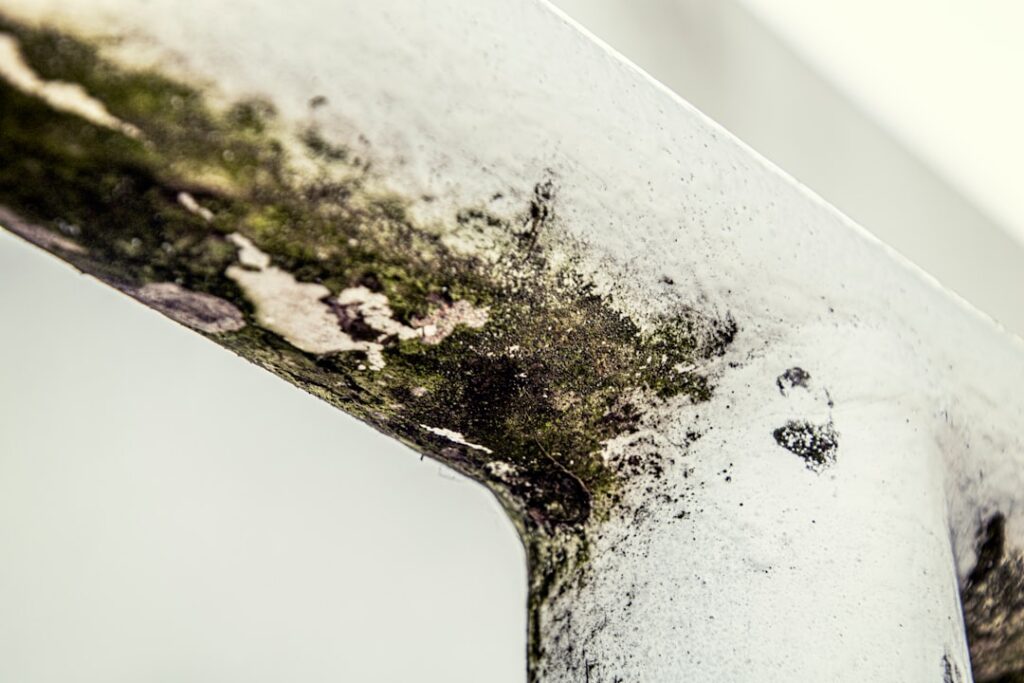
White vinegar sits in nearly every pantry, and it has become a popular natural answer to household mold. The pitch is appealing: cheap, non-toxic, and able to reach into porous surfaces where bleach struggles. The reality is more measured. Whether white vinegar kills mold depends on the mold, the surface, and how it is used. This guide summarizes EPA and CDC guidance current as of 2026 and is educational only. Consult your physician about symptoms and a certified professional for large or hidden contamination, because no cleaner replaces fixing the moisture that caused the problem.
Is this mold, asbestos, or water damage? Get a free instant screen
Upload a clear photo of the suspect area. You'll get an instant AI screening opinion and what to do next. This is screening guidance, not a professional determination.
Screening guidance only. AI can be wrong. Confirm asbestos, mold type, or lead with lab testing or a licensed professional before acting.
Does white vinegar kill mold?
White vinegar can kill many common household molds, though not all of them, and not instantly. Its active ingredient is acetic acid, typically around 5 percent in standard distilled white vinegar. That acidity disrupts the cell structure and pH balance of many mold species, killing surface growth on contact over time. Research and laboratory testing suggest vinegar is effective against a range of common molds, while some hardier species resist it.
Vinegar’s edge over bleach shows up on porous materials. Because it is acidic rather than a chlorine oxidizer suspended in water, it penetrates surfaces like grout and wood somewhat better, reaching more of the growth instead of only bleaching the top layer. It will not always reach deeply rooted mold, but for light surface infestations on a porous surface, it often outperforms a bleach solution that leaves the roots alive. Readers weighing the two can compare with our breakdown of whether bleach kills mold.
The mechanism is worth understanding because it sets realistic expectations. Acetic acid lowers the pH of the surface it sits on, and most molds cannot tolerate a strongly acidic environment, so sustained contact disrupts their cells and halts growth. The key word is sustained; vinegar does not flash-kill mold the way a strong oxidizer attacks the color on contact. It needs time on the surface to do its work, which is why the application method matters as much as the product. A quick spray-and-wipe gives the acid no chance to act, while a thorough soaking followed by a wait lets it reach its potential. Vinegar also does not bleach out the dark pigment the way chlorine does, so a surface can be mold-free yet still show a stain, which sometimes leads people to wrongly conclude the vinegar failed.
How to use white vinegar on mold
Vinegar works best undiluted, given contact time, on the right surface. The basic method:
- Ventilate the room and wear gloves and an N95 respirator; spores get disturbed during cleaning.
- Pour plain white vinegar into a spray bottle without diluting it.
- Spray the moldy surface until it is thoroughly wet.
- Let it sit for at least an hour so the acid can work, rather than wiping immediately.
- Scrub with a brush, wipe clean, and then dry the surface completely.
The two most common mistakes are diluting it and wiping it off too soon. Both reduce its effectiveness. The strong smell dissipates as the vinegar dries and is harmless, unlike bleach fumes. For stubborn patches, some people follow vinegar with a baking soda paste for scrubbing power, but the two should be applied in sequence, not mixed into a fizzing slurry that neutralizes both.
The vinegar-then-baking-soda sequence trips up a lot of people, so it is worth being precise. Mixing an acid (vinegar) and a base (baking soda) together produces a satisfying fizz, but that reaction neutralizes both into mostly water and a salt, leaving you with a far weaker cleaner than either alone. The correct approach is to apply vinegar first, let it dwell and do its antifungal work, scrub, and only then use a separate baking soda paste as a gentle abrasive to lift residue and stains. Used in that order, each does its own job. Combined in a bowl beforehand, they largely cancel each other out, which is the opposite of what the homeowner intended.
Where vinegar works and where it falls short
Matching the tool to the job is what determines success.
Surfaces where vinegar does well
- Bathroom grout and caulk with light mold
- Tile, glass, and sealed surfaces
- Painted walls with surface growth
- Shower curtains and some washable fabrics
- Window frames and sills
Where vinegar is not enough
- Deeply rooted mold in drywall paper or saturated wood
- Large infestations over about 10 square feet
- Mold inside HVAC systems or wall cavities
- Contamination from sewage or floodwater
- Hardy species that resist acetic acid
On porous materials that stayed wet, vinegar may knock back the surface while living mold persists in the substrate. The EPA’s guidance holds regardless of the cleaner chosen: porous materials that cannot be fully cleaned should be removed and replaced. And because dead mold still triggers allergic reactions, the growth must be physically removed, not merely killed in place. Our wider mold inspection and testing hub covers when surface treatment is genuinely enough.
How vinegar stacks up against hydrogen peroxide is a common follow-up question. Both are gentler alternatives to bleach, and both penetrate porous surfaces reasonably well. Hydrogen peroxide is an oxidizer, so it can lighten stains somewhat as it kills mold, where vinegar leaves discoloration behind. Peroxide also tends to act a bit faster. Vinegar’s advantages are cost, availability, and a complete absence of bleaching risk to colored materials, though its smell is stronger during use. Many homeowners keep both on hand and choose based on the surface: vinegar for a quick, low-risk treatment of grout and bare wood, peroxide when a stain needs lightening along with the mold killed.
Is vinegar safer than bleach for mold?
For most households, yes, in the sense that it carries fewer acute hazards. Vinegar produces no toxic gas, does not require the same heavy ventilation, and will not create dangerous fumes if it accidentally contacts another cleaner. The CDC warns specifically about mixing bleach with ammonia, a risk vinegar does not share to the same degree, though vinegar should still never be mixed with bleach because the combination releases chlorine gas.
Vinegar is mildly acidic, so prolonged contact can dull natural stone like marble or limestone and corrode some metals over time. On those specific surfaces, a different cleaner is wiser. For the everyday tile, grout, and painted-wall mold most homeowners face, vinegar is a low-risk first attempt before reaching for stronger products.
When to skip DIY and call a professional
Vinegar is a small-job tool. The EPA recommends professional remediation when mold covers more than about 10 square feet, when it followed sewage or flooding, when it keeps returning after cleaning, when it is hidden in walls or HVAC systems, or when an occupant has asthma, a serious allergy, or a weakened immune system. No amount of spraying will fix mold that is rooted inside building cavities or fed by an ongoing leak.
The recurring-mold trap deserves emphasis. If vinegar clears a spot and it comes back to the same place, the cleaner is not the problem; the moisture is. Front Range homes with humid finished basements, swamp coolers, and spring snowmelt against the foundation see this pattern often. Fixing the water source, sometimes with professional help, is the only durable answer.
The bottom line on vinegar for mold
Vinegar earns its popularity honestly for the right jobs. It is inexpensive, non-toxic, free of dangerous fumes, and genuinely effective against many common household molds on light surface infestations, especially on porous materials where bleach falls short. For a homeowner facing a small patch of mold on grout, a painted wall, a window frame, or bare wood, undiluted white vinegar applied properly and given time to work is a sensible first attempt.
Its limits are equally real. It works slowly, some hardy molds resist it, it cannot reach deeply rooted growth in saturated materials, and it does nothing about the moisture that caused the problem. Treating vinegar as a small-job tool, paired with humidity control in the EPA’s recommended 30 to 50 percent range and prompt leak repair, sets expectations correctly. When the growth is large, hidden, recurring, or in a home with a vulnerable occupant, the question stops being which cleaner to use and becomes whether a professional should handle it instead.
Using vinegar to prevent mold, not just kill it
Vinegar has a quieter role as a preventive maintenance tool that gets less attention than its mold-killing reputation. Lightly spraying and wiping the surfaces that habitually grow mold, shower walls and door tracks, window sills that collect condensation, the rubber gasket of a front-loading washer, can keep growth from establishing in the first place. Used as part of a regular cleaning routine in these damp-prone spots, it disrupts the early film of mold before it becomes a visible patch.
This preventive use plays to vinegar’s strengths and sidesteps its weaknesses. There is no deep-rooted growth to reach because the goal is to interrupt mold before it roots, the low toxicity makes frequent use safe around the household, and the absence of fumes means it can be used in a closed bathroom without concern. It does not replace the structural fixes that control moisture, ventilation, exhaust fans, and humidity management, but as a routine wipe-down of the surfaces those measures cannot fully keep dry, vinegar is a sensible, inexpensive habit. The combination of controlling humidity and regularly wiping the chronic trouble spots does more to keep a bathroom or laundry area mold-free than any single dramatic cleaning after the fact.
Common questions about vinegar and mold
A few practical questions come up often enough to address directly. Does the type of vinegar matter? Standard distilled white vinegar at around 5 percent acetic acid is the usual choice; cleaning vinegars at higher concentrations are somewhat stronger but also more irritating to skin and lungs, so they call for the same ventilation and gloves any cleaner deserves. Apple cider and other flavored vinegars offer no advantage and may leave residue, so plain white vinegar remains the sensible pick.
Will the smell linger? The sharp vinegar odor is strong during use but dissipates as the surface dries, typically within an hour or so, leaving no lasting scent, which is a meaningful contrast with the persistent harshness of bleach fumes. Can vinegar damage anything? Its mild acidity can dull or etch natural stone like marble and limestone and can corrode some metals over prolonged contact, so those surfaces call for a different cleaner. On the everyday tile, grout, painted walls, and bare wood that make up most household mold spots, vinegar used properly is both safe and effective, which is the combination that keeps it a staple answer to the question of what to reach for first.
The honest summary is that white vinegar deserves its place in the cleaning cabinet without being asked to do more than it can. It kills many common molds, penetrates porous surfaces better than bleach, costs little, and carries none of the fume and mixing hazards of chlorine products. Those qualities make it a strong first choice for small, light infestations on suitable surfaces. It is not a remedy for large infestations, deeply rooted growth, hidden mold, or the moisture that causes any of it, and treating it as one leads to the familiar cycle of a spot that clears and returns. Used for what it does well, and paired with the humidity control and prompt repairs that actually keep mold away, vinegar is a practical, low-risk tool that earns the popularity it has. For anything larger, hidden, recurring, or in a home with a vulnerable occupant, the sensible move is to stop reaching for a bottle and bring in a professional who can address the scale and the moisture source together.
References
- Mold cleanup in your home — U.S. Environmental Protection Agency
- Mold cleanup and remediation guidance — Centers for Disease Control and Prevention
- A brief guide to mold, moisture and your home — U.S. Environmental Protection Agency
If vinegar keeps clearing a spot that returns season after season in your Front Range home, the moisture source is still active. Get in touch through our contact page to connect with a vetted local inspector.
Mold removal & cleanup picks
For a small, contained patch (under ~10 sq ft) these EPA-friendly removers handle surface mold. Larger or recurring growth warrants a professional assessment first.
| Product | Why | Buy |
|---|---|---|
 RMR-86 Instant Mold Stain Remover RMR-86 Instant Mold Stain Remover | Fast-acting on stains; ventilate and wear PPE. | Amazon — $18.38 |
 Concrobium Mold Control Concrobium Mold Control | No-bleach formula that also helps prevent regrowth. | Amazon — $13.48 |
 Mold Armor Mold & Mildew Remover Mold Armor Mold & Mildew Remover | Widely stocked bathroom/surface remover. | Amazon — $22.98 |