Green Mold on Walls: Causes, Risks, and Cleanup
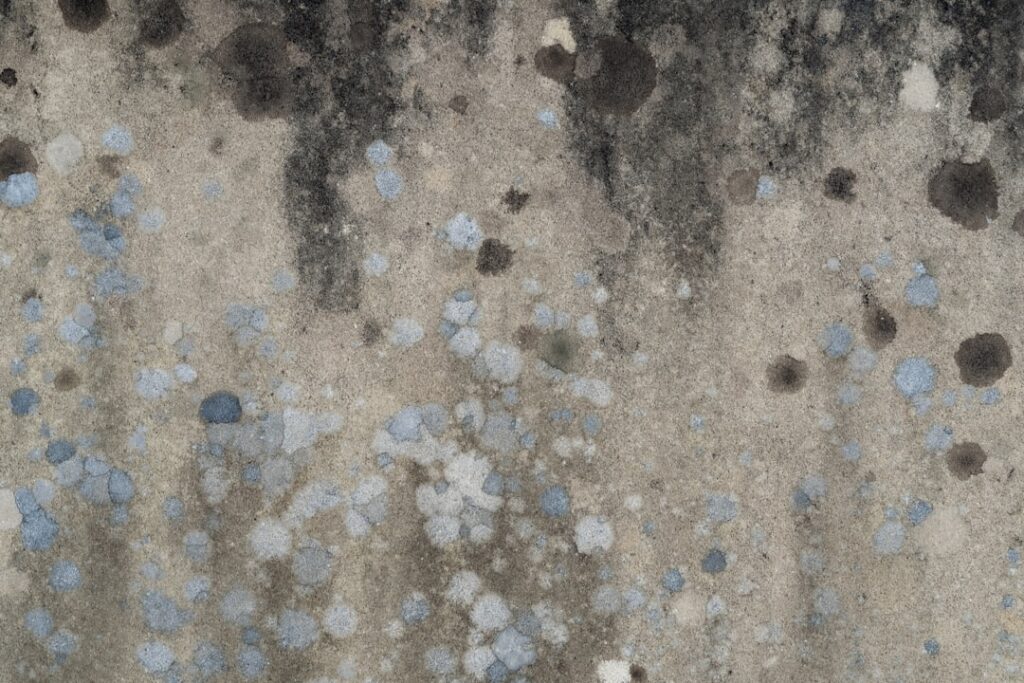
Green mold on walls catches the eye fast — fuzzy, powdery, or velvety patches in shades from pale sage to deep forest. The color can be alarming, but green mold is among the most common indoor molds and is rarely the rare “toxic” species homeowners fear. What it always signals is the same thing every mold does: a moisture problem that needs fixing. This guide summarizes EPA and CDC guidance current as of 2026 and is educational only; consult a physician about health symptoms and a certified professional for testing and removal decisions.
Is this mold, asbestos, or water damage? Get a free instant screen
Upload a clear photo of the suspect area. You'll get an instant AI screening opinion and what to do next. This is screening guidance, not a professional determination.
Screening guidance only. AI can be wrong. Confirm asbestos, mold type, or lead with lab testing or a licensed professional before acting.
What Causes Green Mold on Walls?
Green mold on walls is caused by excess moisture meeting a food source — the paper facing on drywall, paint, wood, or accumulated dust. The green color comes from common genera such as Cladosporium, Aspergillus, and Penicillium, which produce green-pigmented spores. These molds are everywhere in normal indoor air as dormant spores; they only colonize a wall when that surface stays damp long enough.
The moisture usually comes from one of a handful of sources: condensation on cold exterior walls, a plumbing leak inside the wall cavity, rising damp in basements, roof or window leaks, or chronically high indoor humidity. The EPA is clear that mold cannot be eliminated from indoor air, only controlled by managing moisture — so identifying the water source is the first and most important step. For a wider view of how moisture and mold relate across a home, see our mold inspection and testing hub.
Is Green Mold on Walls Dangerous?
Color is not a reliable indicator of how harmful a mold is. Green molds like Cladosporium and Aspergillus are generally allergenic rather than acutely toxic, and the CDC notes there is no established link between common household mold and serious illness in healthy people. For most occupants, green wall mold causes, at most, allergy-type symptoms: sneezing, congestion, itchy eyes, throat irritation, or coughing.
The picture changes for sensitive groups. People with asthma, mold allergies, weakened immune systems, or chronic respiratory disease can react more strongly, and certain Aspergillus species can cause infections in immunocompromised individuals. The American Lung Association links damp, moldy indoor environments to increased respiratory symptoms regardless of the specific species. The sensible response is to remove it promptly and dry the wall, not to assume the worst about the color. If you are weighing green against the dreaded black variety, our comparison of how mold types differ puts the risks in context.
Where Green Mold Shows Up on Walls
Green mold concentrates where moisture and stagnant air meet, and the locations are predictable once you know the pattern. Exterior-facing walls are prime sites because they stay cooler than interior walls and collect condensation, especially behind furniture pushed flat against them where no air circulates. North-facing rooms that get little sun and stay cool and damp are common too.
Other frequent spots include the lower few inches of walls in basements, where rising damp wicks up from the foundation; around windows, where condensation forms on cold glass and runs down onto the wall and sill; behind appliances like refrigerators and washing machines that produce moisture or hide slow leaks; and inside closets on exterior walls, where stored items block airflow. Bathrooms and kitchens, with their steam and splashing, round out the list. Recognizing these hot spots helps you both find existing growth and anticipate where it might start.
Green Mold vs. Other Wall Discoloration
Before treating, confirm it is actually mold. Green mold typically has texture — fuzzy, powdery, or raised — and may smear or release a musty odor when disturbed. It often appears in patches that spread outward and concentrate near moisture sources like corners, baseboards, and behind furniture against exterior walls.
By contrast, mildew tends to be flatter and lives on surfaces; algae growth (more common on exterior walls) is slimy; and efflorescence on masonry is a white, crystalline salt deposit that brushes off as powder, not a living organism. Water stains are flat and brown or yellow without texture. If the patch is fuzzy, colored green, and smells musty, mold is the likely answer. When you cannot tell, a professional assessment or lab sample settles it.
Common Green Mold Species and What They Mean
While you never need to identify a species to clean it, knowing the usual suspects puts the risk in context. Cladosporium is one of the most common indoor molds, appears olive-green to black, and grows on damp walls, fabrics, and wood; it is a frequent allergen but generally low-risk for healthy people. Penicillium often shows up blue-green and spreads quickly across water-damaged materials, and is a common cause of the musty smell in damp homes. Aspergillus covers a large group that can appear green, yellow-green, or other shades; most species are harmless to healthy people, but a few can cause infections in those with weakened immune systems.
The takeaway is not to memorize these but to recognize that “green mold” is a broad category of ordinary household fungi, not a single dangerous organism. The EPA’s guidance to treat all indoor mold the same applies precisely because telling these apart by eye is impossible and rarely changes the response. What matters is the same in every case: remove the growth and eliminate the moisture that fed it.
How to Remove Green Mold From Walls Safely
For a small area on a nonporous or painted surface — under roughly 10 square feet — homeowners can usually clean green mold themselves following EPA guidance.
Protect Yourself and the Room
Wear an N95 respirator, gloves, and eye protection. Open windows for ventilation and seal off the room from the rest of the house so spores do not migrate during cleaning. Lay down plastic or old towels to catch debris.
Clean the Surface
On painted drywall, plaster, or other hard surfaces, scrub with detergent and warm water, then dry the area completely. The EPA notes that bleach is not necessary to remove mold from hard surfaces and warns against mixing bleach with ammonia. The goal is physical removal of the growth, followed by thorough drying so spores cannot reactivate.
Know When the Wall Has to Come Out
If the mold has penetrated porous drywall — the paper is stained through, the board is soft, or the growth keeps returning — surface cleaning will not solve it. The affected section must be cut out and replaced. The same applies to mold inside the wall cavity, which surface scrubbing cannot reach. Our guide on how to treat mold on drywall walks through when to clean versus replace.
What Green Mold Tells You About Hidden Problems
Surface green mold on a wall is sometimes just the visible edge of a larger issue inside the cavity. When mold appears in the same spot repeatedly, or when a patch is larger and darker near the center, it can signal that water is entering the wall from behind — a leaking pipe, a roof or flashing failure, or moisture wicking through the foundation. The wall surface is simply where the colony finally became visible.
Clues that the problem runs deeper include drywall that feels damp or cool to the touch, paint that bubbles or peels, a musty smell stronger than the visible patch would explain, and staining that bleeds back through after you paint over it. In these cases, scrubbing the surface accomplishes little because the moisture source and much of the growth are out of reach. Confirming hidden growth typically means opening a small inspection area or using moisture meters, which is a good point to involve a professional rather than guess. Catching a behind-the-wall problem early, before it reaches the framing, is far cheaper than addressing structural damage later.
When to Call a Professional
Bring in a qualified remediation professional when green mold covers a large area, recurs after cleaning, appears alongside a known leak or flooding, is suspected inside the wall cavity or HVAC system, or when occupants have asthma, allergies, or compromised immunity. A professional can locate hidden moisture, assess the true extent behind the wall, and remediate under containment so spores are not spread through the home. Trying to DIY a large or hidden infestation often spreads it and costs more in the end.
A qualified inspector or remediator brings tools and methods a homeowner usually lacks: moisture meters and thermal imaging to map dampness behind finishes, containment and negative-air equipment to keep spores from spreading during removal, and the judgment to decide what can be cleaned versus what must be replaced. They also identify the moisture source, which is the part most DIY efforts miss. The cost of professional help is almost always lower than the cost of a problem that was spread or left to grow because the cause was never found.
Step-by-Step Removal in More Detail
For a small, surface-level patch on a hard or painted wall, a careful homeowner can usually handle the job. Begin by stopping any active moisture — there is no point cleaning a wall that is still getting wet. Move furniture away, lay down plastic or towels to catch debris, and set up ventilation to the outside.
Mist the moldy area lightly with water or cleaning solution before scrubbing; dry brushing sends spores airborne, while a damp surface keeps them down. Scrub with detergent and warm water using a sponge or soft brush, working from the edges inward, and rinse your cloth often in a separate bucket so you are not just spreading growth around. Wipe the area clean and then dry it completely with fans or a dehumidifier, because lingering moisture invites the colony straight back. Dispose of cleaning materials in a sealed bag.
After cleaning, watch the spot for a couple of weeks. If green mold returns quickly, the moisture source is still active or the growth has penetrated the drywall, and surface cleaning will not solve it. That is the signal to investigate the cause or remove the affected section rather than scrub again. Our guidance on treating mold on drywall explains where cleaning ends and replacement begins.
Preventing Green Mold From Returning
Removal only lasts if the moisture is controlled. Keep indoor relative humidity below 60 percent — ideally 30 to 50 percent — using ventilation and dehumidifiers. Fix plumbing, roof, and window leaks promptly, since mold can begin growing within 24 to 48 hours of a surface getting wet. Improve airflow around exterior walls by pulling furniture a few inches away so air can circulate and condensation cannot build behind it.
In Colorado’s dry climate, ambient humidity is usually low, but localized problems — a basement seep, a swamp cooler running on a humid summer afternoon, or condensation on an under-insulated exterior wall in winter — can still feed green mold. Address insulation gaps and direct foundation water away from the house. Consistent moisture control is the only durable defense the EPA endorses.
A few low-cost habits make the difference. Keep an inexpensive hygrometer in rooms that tend to feel damp and act when readings climb above 60 percent. Run bathroom and kitchen exhaust fans during and after moisture-generating activities. In winter, watch the cold corners of exterior-facing rooms for the first signs of condensation, and crack a window briefly to exchange humid indoor air when cooking or showering raises it. For closets and behind large furniture on exterior walls, leave a few inches of clearance so air can move and moisture cannot accumulate against the drywall.
When green mold has already appeared once, treat the spot as a known weak point. Recheck it periodically after cleaning, address any recurring dampness immediately, and consider whether an insulation or drainage improvement would remove the underlying condition for good. The goal is not just to clean the wall but to change the conditions that let the mold colonize it in the first place — which is the difference between a recurring chore and a solved problem.
References
- Mold Cleanup in Your Home — U.S. Environmental Protection Agency
- About Mold and Your Health — Centers for Disease Control and Prevention
- Mold and Dampness — American Lung Association
If green mold on your walls keeps coming back, Front Range homeowners can reach out through our contact page to connect with a vetted local inspector who can trace the moisture source.