Mold Inspection Alexandria VA: A Homeowner’s Guide
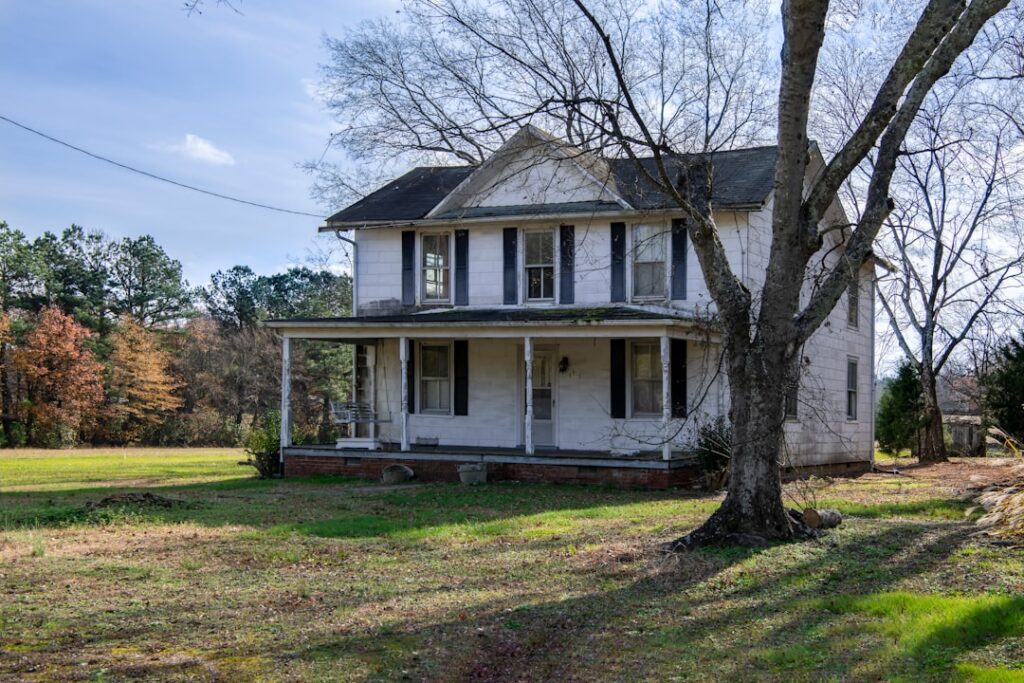
Alexandria’s Old Town brick rowhouses, Del Ray bungalows, and West End mid-century homes all share one trait that drives mold inquiries: humid summers paired with dense building stock. The Potomac River corridor pushes dew points into the seventies for months at a stretch, and the city’s pre-1940 housing was built with porous masonry, plaster, and wood that absorb moisture readily. This guide explains what a mold inspection Alexandria VA homeowners commission should actually cover, how Mid-Atlantic climate factors shape findings, and how to read a written report critically. This guide summarizes EPA and CDC guidance current as of 2026 — consult your physician for symptoms and a certified professional for testing decisions. InspectandTest’s hands-on inspector network currently routes leads on the Colorado Front Range only; the framework below is general guidance for the Alexandria climate.
Is this mold, asbestos, or water damage? Get a free instant screen
Upload a clear photo of the suspect area. You'll get an instant AI screening opinion and what to do next. This is screening guidance, not a professional determination.
Screening guidance only. AI can be wrong. Confirm asbestos, mold type, or lead with lab testing or a licensed professional before acting.
What a mold inspection looks like in Alexandria
A proper inspection has three parts. First, a visual survey of every room including basement, crawl space, and attic — looking for staining, efflorescence, condensation patterns, and visible growth. Second, moisture testing with pin and pinless meters on suspect substrates. Third, often air sampling: spore traps that pull a known volume of air over a sticky slide for lab analysis, with at least one outdoor control sample for comparison.
Virginia does not license mold inspectors at the state level, though Maryland next door does. That means Alexandria homeowners need to vet credentials directly. IAC2, ACAC, or InterNACHI mold certifications are common; ask which certifications the inspector holds and how long they’ve worked the Northern Virginia market specifically.
Why Alexandria homes develop mold
The Potomac corridor produces some of the highest summer dew points in the Mid-Atlantic. From June through September, outdoor air can hold more than twelve grains of water per pound. Any cool indoor surface — uninsulated basement wall, supply duct, north-facing closet — pulls that moisture out of the air as condensation. Old Town rowhouses with stone foundations and dirt-floor cellars are especially vulnerable because there’s no vapor barrier between the soil and the living space above.
Newer construction in Eisenhower East and Carlyle has different problems. Tight-envelope condos with undersized HVAC sometimes can’t dehumidify adequately during shoulder seasons when cooling load is low. Bathrooms with poorly ducted exhaust fans dump steam into wall cavities. Window AC units in older buildings leak condensate behind walls if not pitched correctly.
What to expect on inspection day
Allow two to four hours for a typical Alexandria home — longer for properties with finished basements and detached garages. The inspector should walk the exterior first, looking at grading, downspout discharge, and obvious flashing failures. Inside, they’ll work top-down: attic, upper floors, main level, basement, crawl space. Expect them to open access panels, lift ceiling tiles in finished basements, and look behind furniture in closets.
Moisture mapping
The inspector takes meter readings along baseboards, around windows, and at any visible staining. Readings get logged with location so a follow-up visit can compare. Elevated moisture without visible mold sometimes warrants a delayed re-inspection rather than immediate sampling — the meter caught the problem early.
Air and surface sampling
Air sampling makes sense when occupants report symptoms but no visible growth exists, when a real-estate transaction needs documentation, or when post-remediation verification is required. Surface tape lifts or swabs identify what species is growing on visible material. Both go to an accredited lab; results take three to seven business days.
What an Alexandria inspection costs
Northern Virginia mold inspection pricing tracks the broader DC-metro market. Visual-only inspections of single-family homes typically fall in the lower range. Add air sampling (usually two indoor plus one outdoor control) and pricing moves into a mid range that reflects lab fees. Comprehensive inspections of larger homes, with multiple air samples and surface samples, sit at the upper end. Some inspectors bundle sampling into a flat fee; others itemize. Itemized invoices are easier to compare across quotes.
Beware of free mold inspections offered by remediation companies. The economics force them to find work — a finding of “no significant issue” doesn’t pay their day. An independent inspector who does not also offer remediation gives you a defensible report you can use to compare remediation bids. Our walkthrough on how to vet a qualified mold professional covers conflict-of-interest patterns.
Reading the report
A useful report names the rooms surveyed, lists meter readings with locations, identifies visible growth, photographs each finding, and recommends specific next steps. Air sample results should appear as a chain-of-custody lab report with raw counts of spore types compared to the outdoor control. Indoor concentrations should generally be lower than outdoor — when indoor counts exceed outdoor for the same species, that’s a meaningful flag. When indoor shows species absent outdoors (Stachybotrys, Chaetomium), that’s a stronger flag.
Reports that recommend remediation without identifying a moisture source are incomplete. Mold doesn’t grow without water; if the source isn’t named, the remediation will fail. Push back on findings that say “moisture intrusion of unknown origin” — the inspector’s job is to identify it.
Alexandria climate context
EPA recommends maintaining indoor relative humidity between 30 and 60 percent, ideally 50 percent or below. Alexandria summers make that hard. From mid-June through early September, outdoor dew points routinely exceed 70°F, and indoor RH without aggressive dehumidification climbs into the 60s. A whole-house dehumidifier, a properly sized HVAC system (oversized AC is a frequent culprit because it cools quickly without dehumidifying), and supplemental basement dehumidifiers help.
Old Town homes with field-stone foundations need encapsulation more than dehumidification — the moisture source is the soil itself. A polyethylene barrier on the floor and walls, sealed with mechanical fasteners, dramatically reduces moisture migration into the living space above. This is structural remediation, not mold remediation, and it should be priced separately.
When sampling is worth it
Air sampling is overused. If you can see growth, sampling rarely changes the remediation scope — the visible material has to come out either way. Sampling earns its cost in three situations: (1) post-remediation verification, where it documents that the area is now clean; (2) hidden growth suspected from symptoms or odor; (3) legal or insurance documentation requirements. Outside these scenarios, money is better spent on moisture mapping and source identification.
Surface samples are most useful in real-estate transactions where the buyer needs to know whether visible staining is active mold or historic, dried-out material that no longer poses a problem. A tape-lift sample answers that in a few hundred dollars.
Health considerations for Alexandria residents
The EPA and CDC consistently emphasize that mold is an irritant and allergen, not a pathogen in healthy adults. Asthmatic and allergic occupants experience symptoms most readily. Immunocompromised residents — chemotherapy patients, organ-transplant recipients, advanced-HIV patients — face genuine infection risk from heavy exposure. Sensitive occupants should consider temporary relocation during active remediation regardless of containment quality.
Symptoms that resolve when you leave the house and return when you re-enter point toward a building-related cause. Symptoms that persist away from the home point toward something else — allergens, viruses, unrelated conditions. A physician’s input matters; mold inspection answers an environmental question, not a medical one.
What to do after the inspection
If the report identifies a moisture source and growth, get two or three remediation bids using the inspector’s scope of work as the common reference. Bids that wildly diverge in price probably have different assumed scopes — clarify before choosing. The inspector can review bids on a fee basis if you want a second set of eyes.
If the report identifies elevated moisture but no growth, address the source immediately and re-inspect in 30 days. Dry materials don’t grow mold; you’ve caught it early. Document everything for insurance and for the next owner. For broader process context, the InspectandTest mold inspection and testing guide walks through assessor selection and scoping for any market.
References
- Mold Cleanup in Your Home — U.S. Environmental Protection Agency
- Mold FAQs — Centers for Disease Control and Prevention
- Mold and Indoor Air Quality — National Institute of Environmental Health Sciences
- Mold and Indoor Air — American Lung Association
Front Range homeowners looking for a connection to a qualified local inspector can get in touch here; Alexandria readers should use the framework above to vet a Northern Virginia certified inspector.