Does Bleach Kill Mold? What Homeowners Need to Know
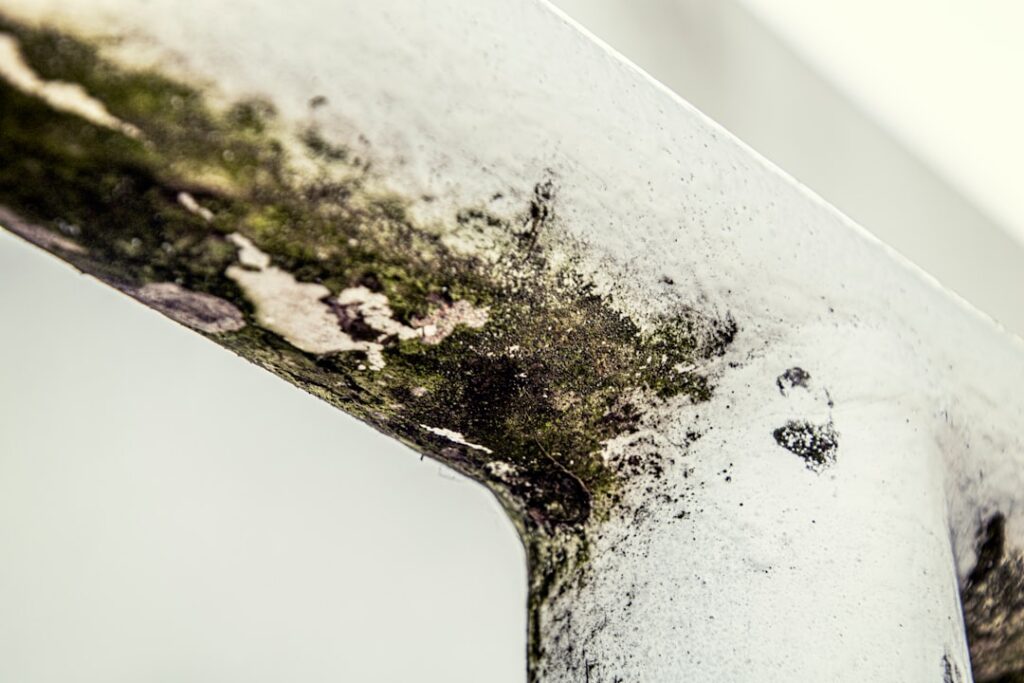
Reach for the bleach bottle the moment mold appears, and you are following advice handed down through generations. The truth is more conditional than the habit suggests. Whether bleach kills mold depends almost entirely on the surface it is sitting on, and on porous materials it often disappoints. This guide summarizes EPA and CDC guidance current as of 2026 and is educational only; consult your physician about any health symptoms and a certified professional for large or hidden contamination, since neither a webpage nor a spray bottle can substitute for fixing the underlying moisture problem.
Is this mold, asbestos, or water damage? Get a free instant screen
Upload a clear photo of the suspect area. You'll get an instant AI screening opinion and what to do next. This is screening guidance, not a professional determination.
Screening guidance only. AI can be wrong. Confirm asbestos, mold type, or lead with lab testing or a licensed professional before acting.
Does bleach actually kill mold?
On hard, non-porous surfaces, yes. Chlorine bleach diluted with water kills mold spores and removes the visible stain from materials like glazed tile, glass, sealed countertops, sinks, and tubs. The active ingredient, sodium hypochlorite, is a strong oxidizer that destroys the cell structures of surface fungi on contact. For a smooth bathroom tile with a dark patch in the grout line, a bleach solution can both sanitize and brighten the area.
The catch is the word “surface.” Bleach is mostly water, and water is exactly what mold needs to live. On porous materials, the chlorine portion stays at the surface and evaporates while the water component soaks into the material and feeds the roots underneath. The visible stain may fade, leaving the impression of success, but the living growth below the surface often returns within weeks. This limitation is why the EPA does not recommend bleach as a routine mold-cleanup product for typical building materials.
There is a chemistry detail worth understanding behind the old advice. For generations, bleach was treated as the universal mold killer because it so visibly erased the dark color. But killing surface mold and removing a mold problem are different goals. The chlorine in household bleach is also unstable; it begins losing potency from the moment the bottle is opened and degrades faster with heat and light, so an old jug under the sink may be far weaker than its label suggests. Even at full strength, its action is confined largely to the surface it can wet and stay in contact with, which on a smooth tile is the whole story and on porous wood is only the beginning of one.
Why bleach fails on porous surfaces like drywall and wood
Mold is not just a stain sitting on top of a material. It sends root-like structures called hyphae down into porous surfaces. Drywall paper, bare wood, ceiling tile, grout, and unsealed concrete all have microscopic pores and fibers that the hyphae penetrate. A surface treatment cannot reach them.
When bleach is applied to wood or drywall, the result is usually cosmetic. The pigment that gives mold its color gets oxidized and the patch looks clean, but the organism is alive in the substrate. Add the water that carried the bleach in, and conditions can actually improve for regrowth. For these materials, the EPA’s guidance is to scrub with detergent and water, dry thoroughly, and discard anything that stays saturated or stained. Readers tackling framing, subfloor, or sheathing should see our dedicated guide on how to kill mold on wood, where the material behaves very differently from tile.
Drywall is the clearest illustration of why bleach disappoints on porous materials. The paper facing on drywall is essentially a thin layer of food for mold, and once growth has penetrated that paper, no surface spray reaches the colonized layer. Homeowners who bleach a moldy drywall patch frequently report that the dark spot returns to the exact same spot a few weeks later, sometimes larger than before. The honest answer in that case is that the drywall section needs to be cut out and replaced, not treated, because the EPA classifies paper-faced drywall among the porous materials that should be removed when they cannot be fully cleaned. Spending repeated effort bleaching it only delays an inevitable replacement.
What about the OSHA and EPA position?
Both agencies have softened the old “bleach everything” reflex. The EPA’s mold remediation documents emphasize physical removal of growth and correction of moisture rather than chemical disinfection, and they note that dead mold can still cause allergic reactions, so killing it is not the same as removing it. That single point reframes the whole question: even where bleach does kill mold, the dead spores and fragments left behind can still trigger symptoms until they are physically cleaned away.
Safety risks of using bleach on mold
Bleach is not a benign household helper to use freely in poorly ventilated spaces. Sodium hypochlorite releases fumes that irritate the eyes, nose, throat, and lungs, a real concern for anyone with asthma or other respiratory conditions. The CDC warns specifically against mixing bleach with ammonia or other cleaners, because the reaction produces toxic chloramine gas that has sent people to emergency rooms after well-intentioned cleaning sessions.
Practical precautions matter. Open windows and run an exhaust fan, wear gloves and eye protection, never combine bleach with another product, and keep children and pets out of the area. For anyone in a sensitive risk group, the irritation from the cleaning agent can rival the irritation from the mold itself, which is one more reason the EPA leans toward plain detergent and water for routine jobs.
Better alternatives for cleaning mold at home
For most household mold on washable surfaces, a few approaches outperform or safely match bleach:
- Detergent and water. The EPA’s default recommendation. Scrubbing physically removes growth from hard surfaces, and there is no toxic-gas risk.
- White vinegar. Mildly acidic and able to penetrate porous surfaces somewhat better than bleach, vinegar handles many light infestations. Our breakdown of whether white vinegar kills mold covers its real limits.
- Hydrogen peroxide. A 3 percent solution oxidizes mold and is gentler on materials than chlorine.
- Commercial EPA-registered mold products. Designed for the job and labeled with surface and safety instructions.
None of these is a license to skip the most important step. The broader mold inspection and testing resource stresses that any cleaner is temporary unless the moisture source is corrected first.
It is worth noting why these alternatives often outperform bleach despite sounding less aggressive. Detergent and water win because the mechanism is physical removal rather than chemical bleaching; lifting the growth off the surface and capturing it does more for indoor air than oxidizing its color in place. Hydrogen peroxide and vinegar both penetrate porous surfaces somewhat better than chlorine bleach, reaching a bit more of the growth instead of stopping at the top layer. And EPA-registered commercial products carry tested instructions for specific surfaces, taking the guesswork out of dwell time and dilution. The common thread is that none of them rely on flooding a porous material with water the way a bleach solution does.
How to clean a small mold patch the right way
For an area under roughly 10 square feet on a washable surface, the sequence is straightforward. Ventilate the room and put on gloves, eye protection, and an N95 respirator. Scrub the area with detergent and water or your chosen cleaner. Rinse and then dry the surface completely, because lingering moisture invites the mold straight back. Discard porous items that stay stained or smelly. Finally, hunt down and fix the water source, whether that is a dripping supply line, a humid basement, or a bathroom fan that never gets switched on.
When bleach is not enough and you need a professional
Some situations are beyond any bottle. The EPA recommends professional remediation when the contaminated area exceeds about 10 square feet, when mold followed sewage or floodwater, when it keeps returning, when it is growing inside walls or the HVAC system, or when an occupant has asthma, a serious allergy, or a weakened immune system. In those cases, a remediation contractor uses containment, negative air pressure, and HEPA filtration to remove growth without spreading spores through the rest of the house.
Along the Front Range, finished basements and homes with swamp coolers create the steady humidity that lets mold reappear no matter how diligently a surface is bleached. If a stain returns to the same wall season after season, the problem is moisture, not the cleaning product, and a professional moisture assessment is the better next dollar to spend.
Common bleach mistakes to avoid
Even when bleach is the right tool for a hard surface, a few habits undercut it or create hazards. Diluting it too far weakens the action, while using it straight from a bottle that has sat open for a year applies a product that has already lost much of its strength. Wiping the surface dry immediately after application removes the bleach before it has fully acted, and leaving the area damp afterward invites regrowth.
The dangerous mistakes are about mixing and ventilation. Combining bleach with an ammonia-based glass cleaner, a vinegar solution, or certain other products releases toxic gases, a hazard the CDC warns about explicitly. Working in a small, closed bathroom without ventilation concentrates the fumes in a space where they are most likely to irritate the lungs. The safer routine is simple: use one product at a time, open a window and run the fan, wear gloves and eye protection, and give the bleach time to work before drying the surface thoroughly. For anyone uncertain whether their situation calls for bleach at all, defaulting to detergent and water sidesteps the chemical risks entirely while still removing the growth.
Where bleach still makes sense
None of this means bleach has no place. On hard, non-porous surfaces, it remains a fast and effective option, and there are situations where its speed and stain-lifting power are genuinely useful. A glazed bathroom tile with a dark patch in the grout, a glass shower door, a fiberglass tub, or a sealed countertop all clean up well with a diluted bleach solution, and the visible stain disappears quickly. For routine bathroom cleaning where the surfaces are non-porous and the mold is superficial, bleach does the job.
The key is matching it to those conditions rather than reaching for it reflexively on every surface. When the surface is non-porous, the area is small, the room can be ventilated, and no other cleaner is in play, bleach is a reasonable tool used as directed. When the surface is porous, the area is large, or the question is whether to salvage water-damaged material, bleach is the wrong instrument, and detergent and water, vinegar, peroxide, or removal and replacement serve better. Understanding that distinction, rather than treating bleach as either a cure-all or a villain, lets a homeowner use it where it works and skip it where it does not.
The broader lesson behind the bleach question applies to every mold cleaner. The product is only ever half the job. Even the most effective treatment on the most suitable surface accomplishes nothing lasting if the leak, condensation, or humidity that grew the mold is left in place. A homeowner who matches the cleaner to the surface and then fixes the moisture has solved the problem; one who debates products while ignoring the water will be cleaning the same spot indefinitely.
A final word on the dead-mold point, because it reshapes how success should be judged. Even when bleach genuinely kills surface mold, the EPA notes that dead spores and fragments remain allergenic until they are physically removed. A bleached surface that still has dead growth on it can continue to provoke reactions in sensitive people, which is why scrubbing to lift the material off the surface matters as much as the killing step. Judging the job by whether the dark color is gone misses this; the better measure is whether the growth has been physically removed and the surface left clean and dry. For a sensitive household in particular, that distinction between killing and removing is the difference between a treatment that helps and one that only looks like it did.
References
- Mold cleanup in your home — U.S. Environmental Protection Agency
- Mold cleanup and remediation guidance — Centers for Disease Control and Prevention
- Mold remediation in schools and commercial buildings — U.S. Environmental Protection Agency
If mold keeps coming back on the same Front Range wall no matter how often it is cleaned, the moisture source is still active. Reach out through our contact page to connect with a vetted local inspector who can find it.
Mold removal & cleanup picks
For a small, contained patch (under ~10 sq ft) these EPA-friendly removers handle surface mold. Larger or recurring growth warrants a professional assessment first.
| Product | Why | Buy |
|---|---|---|
 RMR-86 Instant Mold Stain Remover RMR-86 Instant Mold Stain Remover | Fast-acting on stains; ventilate and wear PPE. | Amazon — $25.99 |
 Concrobium Mold Control Concrobium Mold Control | No-bleach formula that also helps prevent regrowth. | Amazon — $13.48 |
 Mold Armor Mold & Mildew Remover Mold Armor Mold & Mildew Remover | Widely stocked bathroom/surface remover. | Amazon — $22.98 |