Aspergillus Terreus: What Homeowners Need to Know
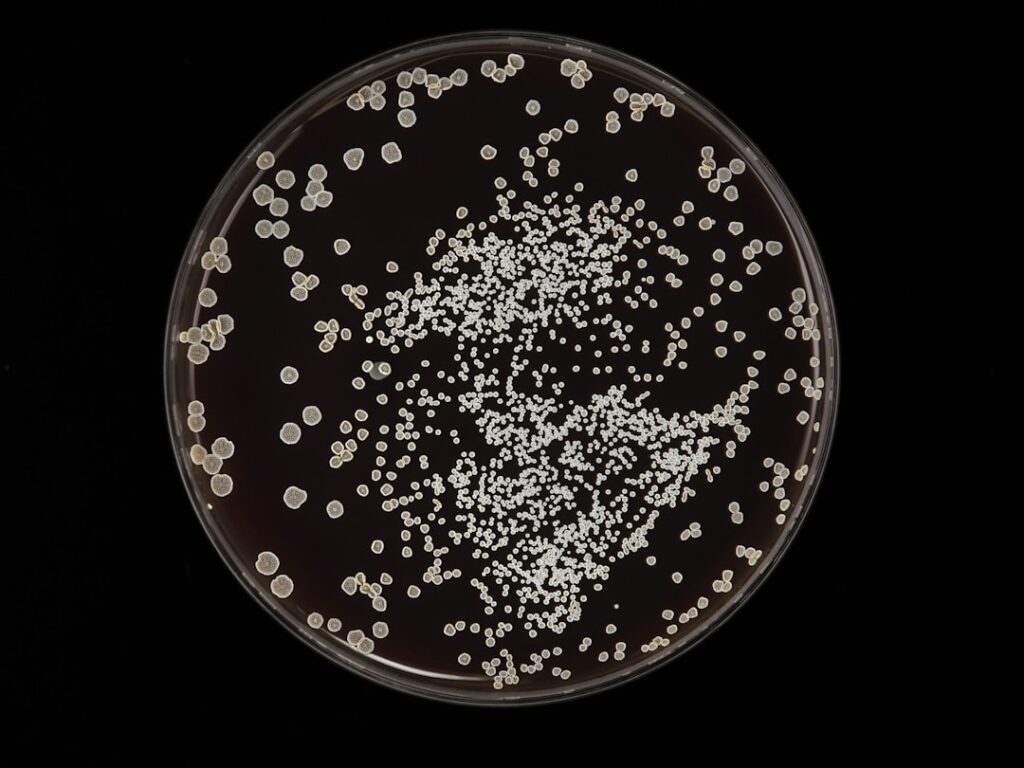
Among the many species in the Aspergillus genus, Aspergillus terreus turns up occasionally on mold lab reports and in medical literature. Homeowners who see the name want to know what it is and whether it matters indoors. The species has both industrial uses and medical relevance, but for most households the practical response is the same as for any indoor mold. This guide summarizes EPA and CDC guidance current as of 2026 — consult your physician for symptoms and a certified professional for testing decisions.
Part of our Types of Mold guide — start there for the full picture →
Dealing with mold or water damage? Talk to a remediation pro now.
📞 Call (833) 723-1134What is Aspergillus terreus?
Aspergillus terreus is a soil-dwelling mold found worldwide. It belongs to the large Aspergillus genus and typically appears with a cinnamon-brown coloring in culture. The species is best known in two arenas: industrial fermentation, where it has been used to produce compounds including a precursor to a cholesterol-lowering drug, and clinical medicine, where it is one of several Aspergillus species capable of causing infection in vulnerable people.
In the environment, terreus lives mainly in soil and decaying vegetation. Like other Aspergillus species, its spores can become airborne and drift indoors. Finding low levels indoors is not unusual, because spores from many molds are part of normal background air. A handful of spores on an air sample reflects the constant exchange between indoor and outdoor air rather than an indoor problem; what matters is whether indoor levels rise well above the outdoor baseline, which would point to an active source inside the home.
Where does Aspergillus terreus grow?
Outdoors, terreus favors warm soils and organic debris. Indoors, like other molds, it requires moisture and a food source such as drywall paper, wood, or accumulated dust. It can appear on water-damaged building materials, in HVAC systems, and in chronically damp areas, though it is generally less common indoors than species like Aspergillus niger or fumigatus and the Penicillium group.
For homeowners, the growing conditions matter more than the species. Any Aspergillus indoors signals that moisture is present, and moisture is what you control. Our guide on mold on walls covers how growth establishes on common building surfaces.
How it compares to other Aspergillus species
Aspergillus is a broad genus with very different members. Some, like the koji molds, are food-safe and beneficial. Others, including terreus, fumigatus, and flavus, carry medical relevance in specific contexts. Our explainer on Aspergillus flavus covers a species known for the toxins it can produce on stored crops. The genus name alone never tells the whole story.
Is Aspergillus terreus a health concern?
For healthy people, environmental Aspergillus exposure usually causes, at most, allergy-type symptoms — congestion, coughing, irritation. Aspergillus terreus is notable in medicine mainly because it can cause infection in people with severely weakened immune systems, and certain strains are less responsive to some antifungal treatments. That clinical concern centers on hospitalized, immunocompromised patients, not the general public.
The CDC notes that mold-related infections are uncommon in healthy individuals. The presence of terreus on a home lab report is not, by itself, cause for alarm. It is a signal to address indoor moisture and remove growth, and to take extra care if a vulnerable person lives in the home.
How do you identify Aspergillus terreus?
Species-level identification requires laboratory work — culture, microscopy, or DNA analysis. You cannot identify terreus, or any mold species, by sight. On a routine spore-trap air sample, Aspergillus is often grouped with Penicillium because their spores look alike, so naming terreus specifically usually requires culturing or molecular testing.
Homeowners rarely need species-level identification. It becomes useful when a household member is immunocompromised, when a physician requests it, or when documenting a specific medical or legal concern. For typical moisture-driven growth, removal and moisture control are the priorities, not naming the species. Our hub on mold inspection and testing for homeowners explains when detailed identification is worthwhile.
How do you handle Aspergillus growth at home?
The approach is the same as for other indoor mold. Control moisture first: keep indoor relative humidity between 30 and 50 percent, fix leaks promptly, and ventilate damp areas to the outside. Along the Front Range, basements and crawl spaces are common sources, so dehumidification and vapor barriers help.
For small areas of hard-surface growth — under about 10 square feet per EPA guidance — clean with detergent and water, dry thoroughly, and discard porous materials that stayed wet. Wear an N95 respirator, gloves, and eye protection. Larger areas, HVAC contamination, or growth where a vulnerable person lives warrant professional remediation.
What industrial uses does Aspergillus terreus have?
Beyond its medical relevance, Aspergillus terreus has a notable industrial history. It naturally produces compounds that became the basis for an early statin, a class of cholesterol-lowering medication, through fermentation. It also generates organic acids and enzymes used in various manufacturing processes. These applications, like the koji molds used in food, rely on carefully controlled cultivation rather than wild growth.
This dual identity — industrially useful yet medically relevant in vulnerable patients — illustrates a recurring theme in mycology. A single species can be valuable in a controlled setting and concerning in the wrong context. For homeowners, the industrial uses are background information; the practical concern remains keeping indoor moisture low so the species, and any other mold, lacks the conditions to grow inside the home.
How common is Aspergillus terreus indoors?
Aspergillus terreus is generally less common in indoor air samples than several other molds. Cladosporium, Penicillium, and other Aspergillus species typically dominate indoor and outdoor counts. Terreus prefers warm soils and is more associated with certain climates and outdoor environments. When it does appear indoors, it points, like any mold, to a moisture source supporting growth.
Because it is relatively uncommon indoors and is often grouped with Penicillium on routine spore-trap samples, terreus is rarely singled out unless a lab cultures the sample or a physician requests species-level detail for a vulnerable patient. For everyday homeowners, the appearance of any Aspergillus on a report is a cue to investigate moisture rather than to research the specific species. Our guide on house fungus identification covers how indoor molds are typically reported.
What should homeowners actually do?
The action plan does not change with the species name. Identify and fix the moisture source, whether a leak, condensation, or high humidity. Remove visible growth using proper precautions, discarding porous materials that cannot be cleaned. Keep indoor relative humidity between 30 and 50 percent and ventilate damp areas to the outside. These steps address terreus and every other indoor mold at once.
For households with a vulnerable member, act faster and consider professional assessment even for moderate growth. Reducing exposure quickly matters most for those at higher risk. A physician guides any medical concern, while moisture control and remediation handle the building. This division of labor keeps both the home and its occupants protected without getting lost in species names.
How do you prevent Aspergillus growth at home?
Prevention for terreus is identical to prevention for any indoor mold, because all of them need moisture. Keep indoor relative humidity between 30 and 50 percent, and below 60 percent at all times, using a hygrometer to monitor and a dehumidifier in chronically damp spaces. Repair plumbing and roof leaks the moment you find them, and dry any wet materials within 24 to 48 hours before growth can establish.
Ventilation supports moisture control. Vent bathrooms, kitchens, and laundry areas to the outside, run exhaust fans, and improve circulation in stagnant corners and closets. Along the Front Range, basements and crawl spaces are common sources, so vapor barriers and dehumidification matter. Outdoors, grade soil away from the foundation and keep gutters clear so water does not pool against the house. These habits remove the dampness that terreus and every other indoor mold depend on. Our guide on the dehumidifier for home use covers keeping damp spaces in range.
When should you call a professional?
Call a certified mold professional when growth is widespread, keeps returning, appears in HVAC systems, or when a household member is immunocompromised and mold is present. A professional can sample, identify species when clinically needed, and remediate at the right scale. For medical questions, a physician is the right professional.
Aspergillus terreus is one species among hundreds. Its appearance on a report points to the same practical fix that nearly all indoor mold requires: find the water, stop it, and remove the growth.
How does Aspergillus terreus appear on a lab report?
On a routine spore-trap air sample, an analyst usually cannot separate Aspergillus from the look-alike Penicillium, so the report shows a grouped “Aspergillus/Penicillium” count rather than naming terreus specifically. To identify terreus by name, a lab must culture the sample so the colony’s structures can be examined, or run DNA analysis. These methods cost more and take longer, so they are used only when species detail matters.
When a culture or molecular test does name terreus, the result still needs context. A small presence may simply reflect normal infiltration of outdoor spores, while elevated indoor levels compared with an outdoor sample suggest an active indoor source. The species name does not change the basic response for most homes: investigate moisture and remove growth. Our guide on the grouped Aspergillus penicillium result explains why labs report them together.
What is the bottom line on Aspergillus terreus?
Aspergillus terreus is one species in a large, varied genus, with both industrial value and medical relevance in vulnerable patients. For healthy homeowners, its appearance on a report is not cause for alarm but a prompt to address moisture and remove any growth. The species is relatively uncommon indoors and is rarely singled out unless a lab cultures the sample or a physician requests detail.
The practical response never depends on the species name. Control indoor humidity, fix leaks, ventilate damp areas, and remove visible mold safely. For households with a vulnerable member, act faster and consider professional assessment, coordinating any medical questions with a physician. This consistent approach handles terreus and every other indoor mold without getting lost in Latin names. Our guide on checking for mold in the home covers the hands-on steps.
Does seeing terreus on a report change anything?
For most homeowners, seeing Aspergillus terreus named specifically on a report does not change the basic plan. The presence of any Aspergillus indoors, whether grouped with Penicillium or identified to species, signals that moisture is supporting growth. The response — find the water, fix it, and remove the growth — is the same regardless of which species the lab names. The species detail is useful mainly to physicians managing vulnerable patients, not to the cleanup itself.
Where it can matter is in a clinical context. If a household member is immunocompromised and a physician is evaluating a possible infection, species information from clinical testing can inform treatment, since some species respond differently to certain antifungals. That is a medical decision, separate from the home cleanup. Homeowners should let the doctor weigh species in the patient’s care while they focus on reducing exposure through moisture control and remediation. Keeping those roles distinct prevents the species name from complicating an otherwise straightforward home response.
References
- About Mold and Your Health — Centers for Disease Control and Prevention
- Mold Cleanup in Your Home — U.S. Environmental Protection Agency
- Mold Health Effects Research — National Institute of Environmental Health Sciences
Frequently asked questions
Is Aspergillus terreus dangerous in a home?
For healthy people, environmental Aspergillus usually causes at most allergy-type symptoms. Terreus is notable mainly because it can infect people with severely weakened immune systems, a concern centered on vulnerable patients rather than the general public.
Where does Aspergillus terreus grow?
Outdoors it lives in soil and decaying vegetation. Indoors it needs moisture and a food source like drywall or wood, appearing on water-damaged materials, in HVAC systems, and in chronically damp areas.
Can I identify Aspergillus terreus myself?
No. Species identification requires lab culture, microscopy, or DNA analysis, and routine air samples often group Aspergillus with look-alike Penicillium spores. Homeowners rarely need species-level detail.
How do I handle Aspergillus growth at home?
Control moisture, fix leaks, and clean small hard-surface areas under about 10 square feet with detergent and water while wearing protection. Discard porous materials that stayed wet and call a professional for larger or HVAC contamination.
If a mold report or a vulnerable household member has you concerned, you can connect with a vetted Front Range inspector through our contact page.
DIY mold test kits
A test kit can confirm whether a suspect patch is mold and (with lab analysis) what type — though visible mold over ~10 sq ft generally warrants a professional.
| Product | Why | Buy |
|---|---|---|
 DIY Mold Test (lab included) DIY Mold Test (lab included) | Surface + air-sampling options. | Amazon — $49.99 |
 Healthful Home 5-Minute Mold Test Healthful Home 5-Minute Mold Test | Rapid screening strips. | Amazon — $35.47 |
 Mold Test Plates (DIY petri dishes) Mold Test Plates (DIY petri dishes) | Settle-plate style sampling you culture at home. | Amazon — $22.99 |