Aspergillus Tubingensis: What Homeowners Should Know
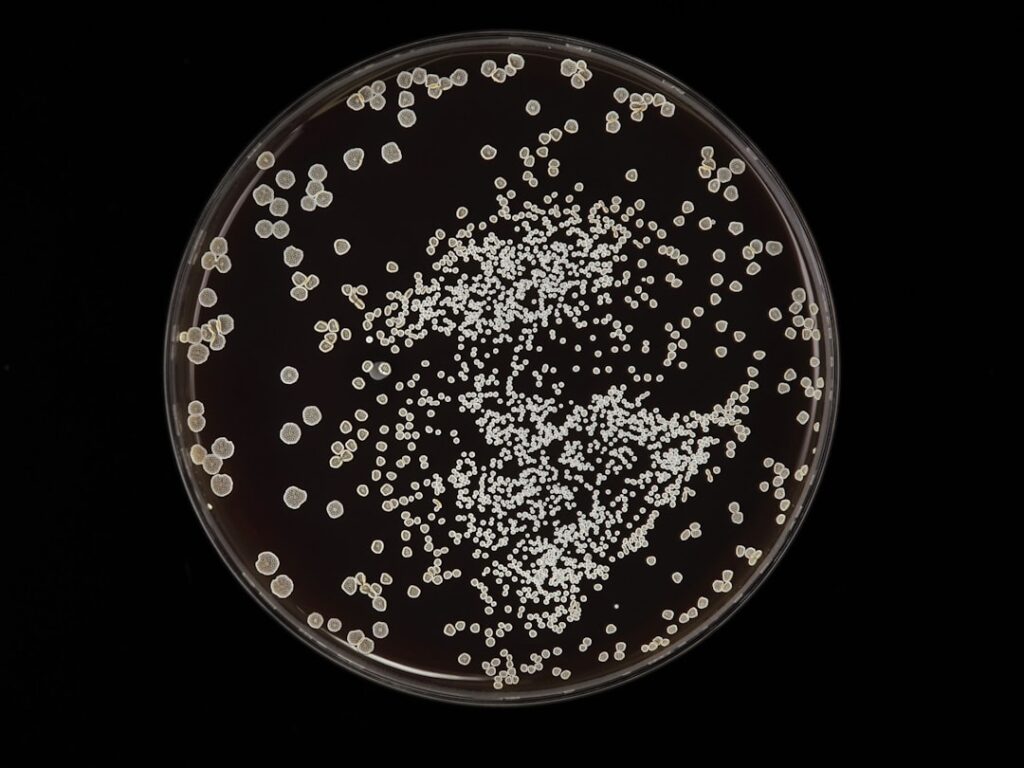
Mold test reports sometimes come back with names that mean little to a homeowner, and Aspergillus tubingensis is one of them. It belongs to a large and familiar group of black molds that turn up in soil, on food, and inside damp buildings around the world. Knowing what this species is, where it tends to grow, and how seriously to treat it helps you read a lab report with less anxiety and make better decisions. This guide summarizes EPA, CDC, and NIH-aligned guidance current as of 2026; it is educational only, and a certified mold professional should interpret testing and guide remediation while a physician handles any health questions.
Part of our Types of Mold guide — start there for the full picture →
Dealing with mold or water damage? Talk to a remediation pro now.
📞 Call (833) 723-1134What Is Aspergillus Tubingensis?
Aspergillus tubingensis is a species of mold in the Aspergillus genus, part of a closely related cluster known as the Aspergillus niger group, or the black aspergilli. Like its better-known relative Aspergillus niger, it produces dark brown to black spore heads that give colonies their characteristic dusty, dark appearance. It is extremely widespread in nature, found in soil, decaying plant material, stored grain, and the indoor environment of buildings with moisture problems.
For most of its history this species was lumped together with Aspergillus niger because the two look nearly identical under a microscope. Modern DNA sequencing separated them, which is why tubingensis now appears on detailed lab reports that older identification methods would have simply called niger. For practical purposes in a home, the two are managed the same way.
The genus as a whole is one of the most common indoor molds. The cluster guide on a related species, Aspergillus nidulans, explains how the larger group behaves indoors.
Where Aspergillus Tubingensis Grows in Homes
This mold needs the same thing every mold needs: moisture and an organic food source. Indoors it colonizes damp building materials and surfaces that collect dust and humidity. Common locations include water-damaged drywall, the back of wallpaper, damp wood, HVAC components, and surfaces in humid bathrooms and basements.
Because black aspergilli tolerate a range of conditions, they show up both in chronically damp spaces and on items that only occasionally get wet. They are frequently isolated from house dust even in homes without an obvious problem, since spores drift in from outdoors. Growth, however, requires sustained moisture. A dry surface with a few settled spores is normal; a colony actively spreading on a wall signals a moisture issue that needs attention.
In Front Range homes, finished basements and bathrooms are the usual hotspots because they combine humidity with cellulose-based materials. Window condensation in winter and summer-storm water intrusion both create the damp conditions this species favors. Air handlers are another reservoir, since damp HVAC components can harbor and spread these molds throughout the home.
How It Differs From Related Aspergillus Species
The Aspergillus genus contains hundreds of species, and a handful matter most indoors. Distinguishing them helps explain why a lab might flag one name over another.
Aspergillus Niger Group
Tubingensis sits inside this group alongside niger itself. Members are the classic black molds of the genus, common on food like onions and grapes and on damp surfaces. They are visually almost indistinguishable without molecular testing.
Aspergillus Fumigatus
Fumigatus is a different species with a green-gray color and greater medical significance because it grows at body temperature and is the leading cause of invasive aspergillosis in vulnerable patients. It is not the same as the black aspergilli, though both share the genus name. Homeowners who see fumigatus on a report can read more in the dedicated guide on what Aspergillus fumigatus is.
Why the Distinction Often Does Not Change Cleanup
The EPA’s position is that identifying the exact species is rarely necessary for cleanup decisions. Whether a report says tubingensis, niger, or simply Aspergillus, the response is the same: remove the growth and correct the moisture. Species identification mainly matters in medical and research contexts, not in routine home remediation.
Health Considerations
For most healthy people, exposure to Aspergillus tubingensis at normal indoor levels causes no serious problem, though it can trigger allergic symptoms in sensitive individuals. The CDC notes that Aspergillus species are common in the environment and that most people breathe in spores daily without getting sick.
The concern rises for specific groups. People with asthma or mold allergies may experience respiratory symptoms. Those with significantly weakened immune systems, such as transplant recipients or people undergoing chemotherapy, face a higher risk of aspergillosis, an infection caused by Aspergillus molds. One reason tubingensis has drawn research attention is that some isolates show resistance to certain antifungal medications, which matters for treating infections but does not change how a homeowner cleans a surface. Any health concern belongs with a physician, not a guesswork diagnosis from a mold report.
Testing and What a Report Tells You
When a mold sample is sent to a lab, identification can be done by looking at spores under a microscope or by DNA analysis. Because the black aspergilli look so similar, only molecular methods reliably separate tubingensis from niger. That is why the name appears on some reports and not others, depending on the lab’s methods.
A report showing this species confirms that black Aspergillus is present, but it does not by itself tell you how much, whether it is actively growing, or where the moisture comes from. The EPA generally discourages routine air testing for diagnosis, since visible mold and moisture are enough to justify cleanup. Testing is most useful for confirming the extent of contamination, clearing a space after remediation, or addressing a specific medical situation under a doctor’s direction. The broader mold inspection and testing hub explains when testing adds real value.
How to Manage Aspergillus Tubingensis at Home
Treatment follows the universal mold playbook. First, find and fix the moisture source, whether a leak, condensation, or high humidity. Mold cannot persist without water, so this step is non-negotiable. Keep indoor humidity below about 50 percent with ventilation and, where needed, a dehumidifier.
For small areas of visible growth on hard, non-porous surfaces, the EPA describes cleaning with detergent and water and drying completely, while wearing an N95 respirator, gloves, and eye protection. Porous materials that are saturated, like drywall and insulation, usually need to be removed because mold roots into them and cannot be fully cleaned.
Call a professional when growth exceeds about 10 square feet, when it keeps returning, when it involves HVAC systems, or when anyone in the home is immunocompromised. A qualified inspector can map moisture, find hidden colonies, and verify that remediation worked. For black aspergilli, the cleanup is the same regardless of the precise species name on the report, so focus your energy on moisture and removal rather than the Latin label.
Why This Species Gets Studied
Aspergillus tubingensis draws scientific interest for reasons that are largely academic from a homeowner’s standpoint but worth understanding. In industry, the black aspergilli including this species are workhorses of biotechnology, used to produce enzymes and organic acids such as citric acid through fermentation. That commercial usefulness has made the group one of the most thoroughly studied in all of fungal science.
Medically, researchers track tubingensis because it can occasionally cause infections similar to those caused by Aspergillus niger, including ear infections and, rarely, more serious disease in vulnerable patients. Some isolates have shown reduced susceptibility to certain antifungal drugs, which matters to clinicians choosing a treatment but has no bearing on how a homeowner cleans a surface. There has also been research interest in the species’ ability to degrade certain plastics, an environmental science curiosity rather than a household concern.
The takeaway for a homeowner is that the depth of scientific attention on this mold reflects its industrial and research value, not an elevated danger in the home. Seeing the name on a report is not cause for alarm beyond the standard response any indoor mold warrants.
How Much Is Too Much Indoors
A frequent question after a mold report is how much Aspergillus is acceptable, and the honest answer is that there is no official numerical limit for indoor mold. The EPA has not set indoor air standards for mold or mold spores because individual sensitivity varies and because the presence of some spores indoors is normal, since they constantly drift in from outside.
What matters more than a number is the comparison and the context. Indoor mold levels are generally interpreted relative to outdoor levels and relative to the types of mold present. A pattern where a specific mold is much higher indoors than outdoors can suggest an indoor source. Active visible growth on a damp surface is a clearer signal than any air-sample count, which is part of why the EPA emphasizes inspecting for moisture and visible mold over routine air testing. For tubingensis specifically, the practical question is not the count but whether there is active growth and a moisture source feeding it. If there is, address it; if there is not, occasional spores in dust are expected and not a problem to chase.
Living With and Managing Black Aspergilli
For Front Range homeowners, black aspergilli including tubingensis are simply part of the normal microbial background that becomes a problem only when moisture lets them grow. Management is therefore about moisture discipline rather than the species. Keep finished basements and bathrooms dry and ventilated, since those are the most common indoor growth sites in the region. Run a dehumidifier in below-grade spaces during humid stretches, especially after spring snowmelt or summer storms introduce water.
Address window condensation in winter, a common trigger for growth on frames and sills, by improving insulation and ventilation. Service HVAC systems and keep condensate drains clear, because air handlers can harbor and spread these molds. When growth appears, clean small hard-surface areas with detergent or vinegar using protective gear, and replace porous materials that have been colonized. Targeted humidity control in basements and bathrooms keeps these molds from establishing in the spaces where Front Range homes are most vulnerable. The name on the report changes nothing about this routine; moisture control is the whole game.
Reading a Lab Report That Lists This Species
When a mold report names Aspergillus tubingensis, homeowners often feel uncertain about what the document is actually telling them, so a brief orientation helps. A typical report lists the molds detected, sometimes with relative amounts or spore counts, and may compare indoor findings to an outdoor sample taken the same day. The outdoor comparison matters because some level of common molds, including Aspergillus, is expected indoors simply from air exchange with outside.
Seeing tubingensis on the report confirms that a black Aspergillus is present in the sampled location. What the report usually cannot tell you on its own is whether there is active growth, where the moisture comes from, or how extensive any hidden colony might be. A spore count from a single air sample is a snapshot influenced by recent activity, ventilation, and timing. This is why the EPA emphasizes visible-growth and moisture inspection over relying on numbers from air sampling.
The most useful interpretation pairs the report with what you can observe: visible growth, dampness, odors, and known water events. If the report shows elevated Aspergillus indoors and you also find active growth on a damp surface, the picture is coherent and the response is clear. If the report shows ordinary levels and there is no visible growth, occasional spores in dust are normal. A qualified professional can place the report in context rather than letting a single Latin name drive an outsized reaction.
The Role of Moisture History
For any Aspergillus finding, the home’s moisture history is the most informative backdrop. Because the species only grows where it has sustained dampness, knowing where and when water has been present points to where active growth is most likely. A finished basement that flooded last spring, a bathroom with a long-running fan problem, or a window that sweats heavily in winter are the kinds of clues that turn a vague report into an actionable plan.
Mapping moisture history involves recalling past leaks, flooding, and water intrusion, and identifying chronic damp spots that never quite dry. Surfaces that have repeatedly been wet are prime suspects for hidden growth even when the visible area looks minor. In Front Range homes, the recurring culprits are below-grade walls, window perimeters in winter, and areas affected by snowmelt and summer storms.
Tying the moisture history to the mold finding does two things. It helps locate the growth that the report alone cannot pinpoint, and it directs the fix toward the root cause rather than just the surface. Removing visible black Aspergillus without correcting the moisture that allowed it guarantees its return. A professional assessment that combines the lab data with a moisture investigation gives the most complete answer, especially when a hidden reservoir like ductwork is feeding growth that surface inspection cannot reach.
References
- About Aspergillosis — Centers for Disease Control and Prevention
- Mold Cleanup in Your Home — U.S. Environmental Protection Agency
- Mold Health Topic — National Institute of Environmental Health Sciences
Frequently asked questions
Is Aspergillus tubingensis the same as black mold?
It is one of the black aspergilli, a group of dark-spored Aspergillus species that includes Aspergillus niger. It is not the same as Stachybotrys, the species often labeled toxic black mold. The two look different and grow in different conditions.
Do I need to know the exact species to clean it up?
Usually not. The EPA says species identification is rarely necessary for cleanup decisions. Whether a report says tubingensis, niger, or just Aspergillus, the response is the same: remove the growth and fix the moisture source.
Is Aspergillus tubingensis dangerous to my health?
Most healthy people breathe in Aspergillus spores daily without harm. It can trigger allergy or asthma symptoms in sensitive people, and it poses a higher infection risk for those with weakened immune systems. Any health concern should be discussed with a physician.
Front Range homeowners who want a vetted local inspector to find the moisture feeding black mold and confirm a proper cleanup can get in touch through our contact page.
DIY mold test kits
A test kit can confirm whether a suspect patch is mold and (with lab analysis) what type — though visible mold over ~10 sq ft generally warrants a professional.
| Product | Why | Buy |
|---|---|---|
 DIY Mold Test (lab included) DIY Mold Test (lab included) | Surface + air-sampling options. | Amazon — $26.09 |
 Healthful Home 5-Minute Mold Test Healthful Home 5-Minute Mold Test | Rapid screening strips. | Amazon — $35.47 |
 Mold Test Plates (DIY petri dishes) Mold Test Plates (DIY petri dishes) | Settle-plate style sampling you culture at home. | Amazon — $22.99 |