What Is Aspergillus Fumigatus: A Plain Guide
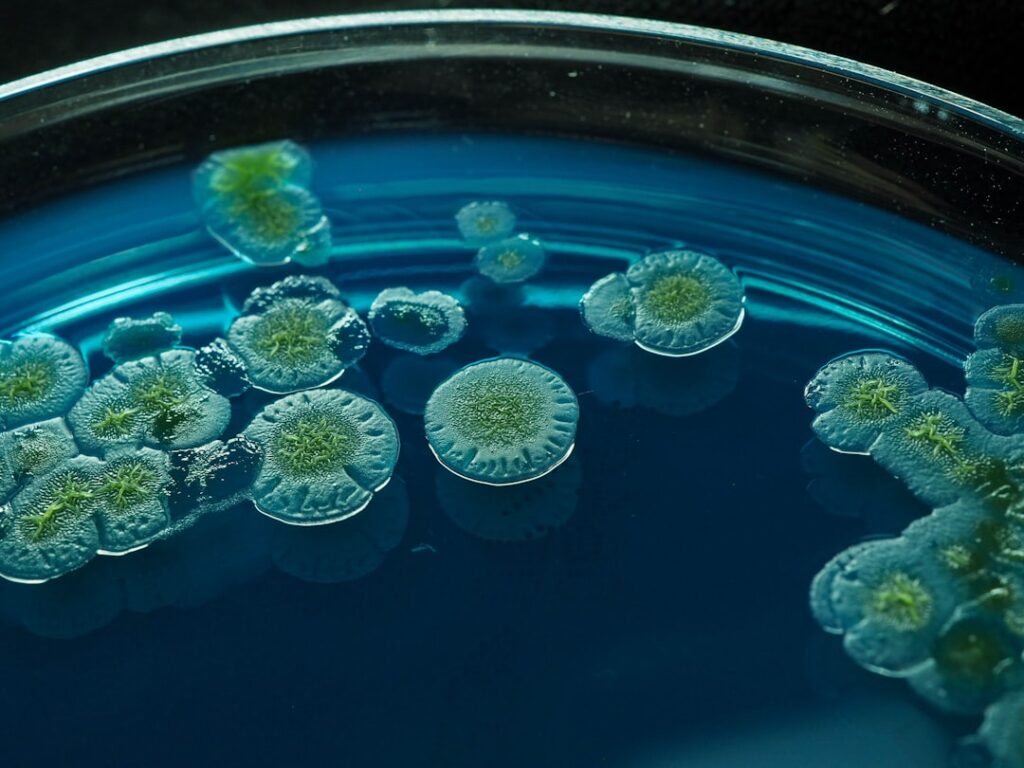
Among the molds that turn up in homes and on lab reports, Aspergillus fumigatus stands out because it carries more medical weight than most. It is common in the environment, hard to avoid entirely, and usually harmless to healthy people, yet it is also the leading cause of a serious fungal infection in vulnerable patients. Understanding what is Aspergillus fumigatus helps homeowners read a mold report sensibly and know when to be concerned. This guide summarizes EPA, CDC, and NIH-aligned guidance current as of 2026; it is educational only, and a certified professional should assess home mold while a physician handles any health concern.
Part of our Types of Mold guide — start there for the full picture →
Dealing with mold or water damage? Talk to a remediation pro now.
📞 Call (833) 723-1134What Is Aspergillus Fumigatus?
Aspergillus fumigatus is a species of mold in the Aspergillus genus, recognizable in culture by its blue-green to gray-green color and powdery texture. It is one of the most widespread molds on Earth, living in soil, compost, decaying vegetation, and household dust. People inhale its tiny spores every day without realizing it, and for the vast majority that exposure causes no illness.
Two features set this species apart from other common indoor molds. First, its spores are exceptionally small, which lets them travel deep into the lungs. Second, it grows well at human body temperature, around 98.6 degrees Fahrenheit, while many environmental molds prefer cooler conditions. That thermotolerance is part of why fumigatus, more than its relatives, can occasionally establish itself in human tissue.
It belongs to the same genus as the black aspergilli covered in the guide on Aspergillus tubingensis, but it is a distinct species with different color and greater clinical significance.
Where Aspergillus Fumigatus Grows
Outdoors, this mold thrives in compost piles, decaying leaves, soil, and stored organic matter, where the heat of decomposition suits its preference for warm conditions. Gardeners turning compost can release clouds of spores, which is why composting is a recognized exposure activity for the species.
Indoors, it colonizes damp building materials, dust, potted-plant soil, and HVAC systems. Like all molds it requires moisture, so growth concentrates in water-damaged areas, humid basements, and around chronic leaks. Air handlers and ductwork can act as reservoirs that spread spores throughout a house, a problem detailed in the guide on mold in an air handler.
Because the spores are so light and abundant, finding small amounts in indoor air or dust is normal and does not necessarily indicate a problem. What matters is active growth on damp materials inside the home, which signals a moisture issue that needs correcting. In Front Range homes, finished basements and poorly ventilated mechanical rooms are common indoor sites.
Why Aspergillus Fumigatus Matters for Health
For healthy people with normal immune systems, breathing in Aspergillus fumigatus spores typically causes no harm; the body clears them routinely. The concern centers on specific groups and conditions recognized by the CDC and NIH.
Aspergillosis in Vulnerable People
Aspergillosis is the family of diseases caused by Aspergillus, and fumigatus is the most common cause. Invasive aspergillosis, the most serious form, mainly affects people with severely weakened immune systems, such as transplant recipients, people with certain blood cancers, and those on long-term immunosuppressive drugs. In these patients the mold can invade lung tissue and spread, which is why it is treated as a significant medical threat in hospitals.
Allergic and Chronic Forms
People with asthma or cystic fibrosis can develop allergic bronchopulmonary aspergillosis, an allergic reaction to the mold in the airways. Others with lung cavities from prior disease may develop an aspergilloma, a fungus ball. These conditions are managed by physicians and are not something a homeowner can diagnose or treat at home.
Antifungal Resistance
Health agencies have flagged growing resistance in some Aspergillus fumigatus strains to azole antifungal drugs, partly linked to agricultural fungicide use. This is a clinical and public-health issue that affects treatment, not home cleanup methods.
Testing and Identifying the Species
Aspergillus fumigatus is identified in a lab by its color, microscopic structure, growth at high temperature, or DNA analysis. On a home mold report, seeing the genus Aspergillus is common; pinning down fumigatus specifically requires more detailed methods.
The EPA generally advises that routine air testing is not necessary to decide whether to clean up mold, because visible growth and moisture are sufficient reasons to act. Testing has a clearer role in two situations: clearing a space after remediation, and supporting a medical evaluation when a doctor is investigating a patient at risk for aspergillosis. Even then, the presence of a common environmental mold in indoor air must be interpreted carefully, since some level is expected. The broader mold inspection and testing hub explains when testing genuinely helps.
How Homeowners Should Respond
The response to Aspergillus fumigatus indoors is the same as for any mold, because cleanup does not depend on the species. Start by finding and fixing the moisture source, whether a leak, condensation, or high humidity, and keep indoor relative humidity below about 50 percent. Without moisture the mold cannot persist.
Small areas of growth on hard, non-porous surfaces can be cleaned with detergent and water and dried completely, using an N95 respirator, gloves, and eye protection per EPA guidance. Saturated porous materials such as drywall and insulation generally need replacement. Households that include someone with a weakened immune system, asthma, or cystic fibrosis should be especially proactive and may want professional help even for smaller problems, ideally coordinated with the patient’s physician.
Call a remediation professional for growth larger than about 10 square feet, hidden colonies, HVAC contamination, or any high-risk occupant. A qualified inspector can locate the moisture, assess the extent, and verify that cleanup succeeded. Practical prevention, controlling humidity, ventilating well, and addressing water quickly, keeps this widespread mold from gaining a foothold in the first place.
The Forms of Aspergillosis Explained
Because Aspergillus fumigatus is the leading cause of aspergillosis, understanding the disease’s forms clarifies who is actually at risk. Aspergillosis is not a single illness but a family of conditions that differ enormously in severity, and the form depends largely on the person’s immune status and lung health.
Allergic Forms
Allergic bronchopulmonary aspergillosis affects some people with asthma or cystic fibrosis, in whom the immune system mounts an allergic reaction to Aspergillus in the airways, worsening wheezing and lung function. Allergic fungal sinusitis is a related condition affecting the sinuses. These are allergic, not invasive, and are managed medically over time.
Chronic and Localized Forms
In people with pre-existing lung cavities, often from prior tuberculosis or other lung disease, the mold can form an aspergilloma, a ball of fungus that sits in a cavity. Chronic pulmonary aspergillosis is a slowly progressive lung infection seen in people with underlying lung conditions but reasonably intact immunity.
Invasive Aspergillosis
The most serious form, invasive aspergillosis, occurs almost exclusively in people with severely weakened immune systems. Here the mold invades lung tissue and can spread to other organs. It is a medical emergency treated with antifungal drugs in a hospital setting. The key point for homeowners is that this severe form is confined to a specific, identifiable high-risk group and is not a risk the general healthy population faces from ordinary indoor exposure.
Why Its Spores Are So Effective
Part of what makes Aspergillus fumigatus medically notable is the design of its spores. They are very small, roughly two to three micrometers, which lets them stay airborne easily and travel deep into the smallest airways and air sacs of the lungs, beyond where larger particles are filtered out by the upper respiratory tract. This deep penetration is why the species, more than larger-spored molds, can reach lung tissue.
The spores are also produced in enormous numbers and are extremely common in outdoor and indoor air, so exposure is essentially universal. A healthy immune system handles this constant low-level exposure without trouble, clearing inhaled spores routinely. The species’ tolerance of body temperature, unusual among environmental molds, completes the picture: a spore that reaches warm lung tissue can, in a vulnerable host, germinate rather than simply being cleared. Understanding these traits explains both why the mold is everywhere and why it is mainly a concern for immunocompromised people rather than the general public.
Reducing Exposure for High-Risk Households
For most homes, ordinary mold-prevention habits are enough. But households that include someone with a significantly weakened immune system, such as a transplant recipient or a person undergoing cancer treatment, may warrant extra care, ideally coordinated with the patient’s medical team. The CDC offers guidance for people at high risk that goes beyond standard homeowner advice.
Practical measures include keeping the home dry and promptly addressing any water intrusion, since active growth raises spore counts. Avoiding activities that disturb large amounts of spores, such as gardening, composting, and turning soil or mulch, reduces acute exposure for the at-risk individual; these tasks can be delegated to others. Good HVAC filtration and clean, dry ductwork help, since contaminated ducts can distribute spores throughout a home. During any home renovation or demolition, which can release spores from disturbed materials, the high-risk person should ideally stay elsewhere.
For Front Range households, the same finished-basement and bathroom moisture controls that prevent other molds also limit Aspergillus growth. The difference for high-risk homes is the margin of caution: act sooner, ventilate better, and bring in a professional more readily, always with the patient’s physician informed.
Where It Shows Up on a Mold Report
Homeowners most often encounter Aspergillus fumigatus not in the abstract but as a line on a mold report, so understanding what that means in context is valuable. Many reports group findings under the combined category Aspergillus/Penicillium because the spores of these two common genera look nearly identical under a microscope and cannot be told apart by standard spore-trap analysis. Pinning the result specifically to fumigatus usually requires culturing the sample or DNA analysis.
This matters for interpretation. A report listing Aspergillus/Penicillium does not necessarily mean fumigatus is present; it means molds in those genera were detected, and they are among the most common indoor and outdoor molds everywhere. Finding some is normal. The meaningful signal is when levels are notably higher indoors than in a same-day outdoor sample, or when there is visible active growth, which together suggest an indoor source.
For most homes, the practical response does not change based on whether fumigatus is specifically identified. The EPA’s guidance to inspect for moisture and visible growth, then clean up and fix the water, applies regardless. Species-level identification becomes relevant mainly in a medical context, when a physician is evaluating an at-risk patient, rather than for routine home decisions. A homeowner reading a report should focus on the broader picture, growth, moisture, and indoor-versus-outdoor comparison, rather than fixating on a single species name.
Composting, Gardening, and Outdoor Exposure
Because Aspergillus fumigatus thrives in decomposing organic matter, certain outdoor activities deserve a mention, particularly for at-risk individuals. Composting is a recognized exposure activity, since the heat of decomposition suits the mold’s preference for warm conditions and turning a compost pile can release a cloud of spores. Handling mulch, moldy hay, grass clippings, and decaying leaves does the same.
For healthy people, these exposures are part of normal life and rarely cause problems, as the immune system clears the inhaled spores. The picture differs for someone with a significantly weakened immune system, for whom the CDC suggests caution around such activities or delegating them to others. Wearing a well-fitting mask during dusty yard work can reduce inhalation for those who choose to do it.
For Front Range gardeners, the seasonal rhythm of yard cleanup in spring and fall coincides with periods of decaying organic matter, so a household with an at-risk member may want to plan accordingly. Indoors, keeping potting soil and houseplant areas from staying soggy limits a small but real exposure source. The broad point is that Aspergillus fumigatus is a normal part of the outdoor environment that most people coexist with effortlessly; the precautions apply chiefly to the specific high-risk groups, and even then they are about reducing heavy exposure rather than achieving impossible avoidance.
References
- About Aspergillosis — Centers for Disease Control and Prevention
- Mold Cleanup in Your Home — U.S. Environmental Protection Agency
- Mold Health Topic — National Institute of Environmental Health Sciences
Frequently asked questions
Is Aspergillus fumigatus dangerous to healthy people?
For most people with normal immune systems, breathing in its spores causes no harm, and the body clears them routinely. The serious risk falls on people with weakened immune systems or certain lung conditions, who can develop aspergillosis and should be under a physician's care.
How is Aspergillus fumigatus different from black mold?
It is a blue-green to gray-green species, distinct from the black aspergilli and from Stachybotrys, the species often called toxic black mold. Its spores are very small and it grows at body temperature, which gives it more medical significance than most indoor molds.
Do I need special cleanup for Aspergillus fumigatus?
No. Cleanup does not depend on the species. Fix the moisture source, keep humidity below about 50 percent, clean small hard-surface areas with detergent and water using protective gear, and call a professional for large or hidden growth or when a high-risk person lives in the home.
Front Range homeowners who want a vetted local inspector to find the moisture feeding indoor mold and confirm a thorough cleanup can get in touch through our contact page.
DIY mold test kits
A test kit can confirm whether a suspect patch is mold and (with lab analysis) what type — though visible mold over ~10 sq ft generally warrants a professional.
| Product | Why | Buy |
|---|---|---|
 DIY Mold Test (lab included) DIY Mold Test (lab included) | Surface + air-sampling options. | Amazon — $26.09 |
 Healthful Home 5-Minute Mold Test Healthful Home 5-Minute Mold Test | Rapid screening strips. | Amazon — $35.47 |
 Mold Test Plates (DIY petri dishes) Mold Test Plates (DIY petri dishes) | Settle-plate style sampling you culture at home. | Amazon — $22.99 |