Aspergillus Nidulans: Lab Model Mold and Home Facts
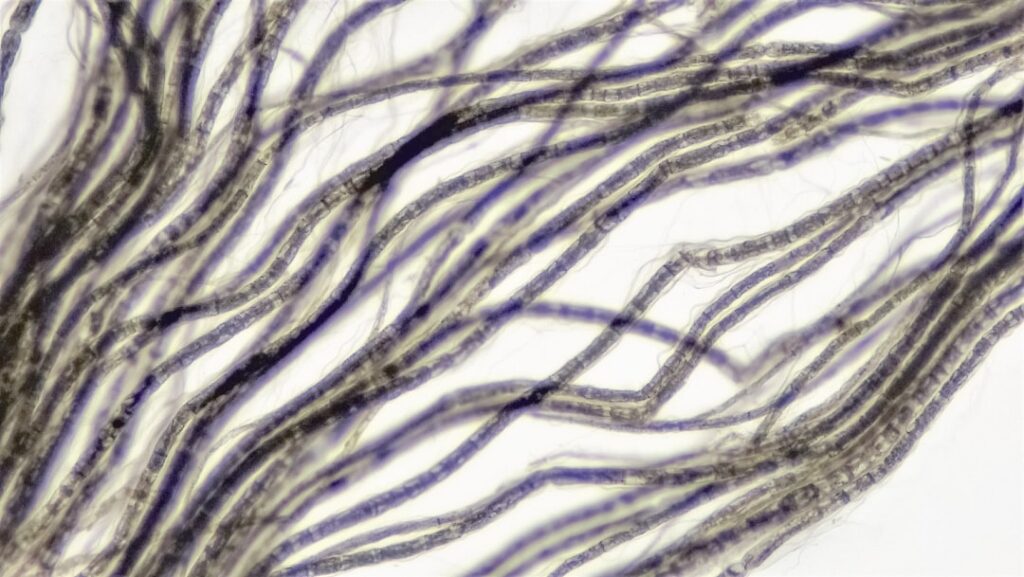
Aspergillus nidulans is one of the better-known names in the Aspergillus genus, but most of its fame comes from laboratories rather than basements. Scientists have studied it for decades as a model fungus for genetics and cell biology, while in the wider environment it lives quietly in soil and decaying plant matter. It can occasionally turn up indoors, and on rare occasions it causes serious infections in people with a specific inherited immune disorder. For homeowners, the more practical questions are simpler: what does the name mean on a mold report, how worried should anyone be, and what cleanup actually works? This guide answers those questions using CDC, EPA and NIH-hosted sources current as of 2026. It is general education, not medical advice; anyone with symptoms or a weakened immune system should talk with a physician.
Part of our Types of Mold guide — start there for the full picture →
Dealing with mold or water damage? Talk to a remediation pro now.
📞 Call (833) 723-1134What Aspergillus Nidulans Is
Aspergillus is a large genus of molds found almost everywhere, indoors and outdoors. CDC’s aspergillosis page states that there are approximately 180 species of Aspergillus, that fewer than 40 of them are known to cause infections in humans, and that Aspergillus fumigatus is the most common cause of human Aspergillus infections. CDC lists A. flavus, A. terreus and A. niger as other common species. A. nidulans is not on that short list of the most common, which is a useful first clue about how often it matters in a typical home. The genus as a whole is covered in the Aspergillus overview, and the way molds are grouped into genera and species is explained in the guide to the classification of mold.
The species name “nidulans” comes from a Latin root associated with nests, which is often linked in general descriptions to the small nest-like clusters of cells that form around its sexual fruiting bodies. That detail matters to mycologists more than to homeowners, but it points to one of the reasons the species became popular in research: it can reproduce both sexually and asexually and is relatively easy to grow and manipulate under controlled conditions.
In general descriptions, colonies of A. nidulans are commonly reported as green, often a darker or more muted green than some other Aspergillus species, sometimes with buff or yellowish areas and a darker reverse side. Color on a wall or in a petri dish is never a reliable identifier on its own, though. Many molds look green at some stage of growth, and lighting, surface material, moisture and colony age all change appearance. A confident species-level identification usually needs a laboratory.
A model organism in genetics and cell biology
Outside of home inspection, A. nidulans is widely described as a classic model organism. Researchers have used it for many years to study how genes are regulated, how cells divide, how fungal cells grow in long branching threads, and how fungi produce a range of natural compounds. Its role in research is somewhat like that of baker’s yeast or fruit flies in other fields: an organism that is practical to work with and that reveals general biological principles. Many published studies describe it simply as a model fungus.
Where Aspergillus Nidulans Grows
Like most Aspergillus species, A. nidulans is generally described as a soil fungus that also lives on decaying vegetation and other organic debris. Compost, leaf litter, stored plant materials and dust can all carry Aspergillus spores. From there, spores move indoors on air currents, shoes, pets, firewood, potted plants and clothing. That outdoor-to-indoor movement is normal, and it is why some Aspergillus spores show up in almost any air sample.
Spores turning into an actual indoor colony is a different matter. EPA’s Brief Guide to Mold, Moisture and Your Home makes the core point plainly: mold spores are present nearly everywhere, and the way to control indoor mold growth is to control moisture. Spores need a damp surface and something to feed on before they become visible growth. In homes, that typically means areas such as:
- Drywall and wood behind a slow plumbing leak, under sinks, or around toilets and tubs.
- Window frames, sills and nearby drywall where condensation collects in winter.
- Basements and crawl spaces with damp foundation walls or poor drainage.
- Carpet, pad and stored cardboard that stayed wet after a spill or flood.
- Dusty, damp areas in or near HVAC components where moisture lingers.
On the Colorado Front Range, the dry climate means indoor growth is usually tied to a specific water event rather than general humidity. Common examples are a failed water-heater connection, a roof leak after a heavy spring snow, ice damming at eaves, a sprinkler-line leak near a foundation, or a basement that takes on water during an intense summer storm. Once the source is found, the mold species involved is usually secondary to the moisture fix.
Health Effects: Who Is at Risk
CDC’s aspergillosis page says that most people breathe in Aspergillus spores every day without getting sick, and that people with weakened immune systems or lung diseases are at a higher risk of developing health problems due to Aspergillus. CDC also notes that aspergillosis cannot be spread between people or between people and animals. Different forms of aspergillosis range from allergic reactions to chronic lung conditions to invasive infections that spread through the body, and CDC describes people who recently had an organ or stem cell transplant among those at risk of invasive infection.
Chronic granulomatous disease and A. nidulans
A. nidulans has a specific and well-documented association in the medical literature: chronic granulomatous disease, usually shortened to CGD. CGD is an inherited condition in which certain immune cells cannot properly kill some bacteria and fungi. A 2023 research article hosted on NIH’s PubMed Central describes invasive aspergillosis as the most prevalent infectious complication in patients with CGD, and states that A. nidulans appears to show a preference for the X-linked form of CGD. The same article describes the X-linked CGD host as exquisitely vulnerable to A. nidulans infection, and notes that clinical presentation can differ between A. nidulans and A. fumigatus infections in CGD patients.
For the general public, the important takeaway is how narrow that risk group is. Infections caused by A. nidulans are generally described as rare, and the clearest risk is concentrated in people with CGD and other serious immune problems. People with CGD and their care teams typically already receive specific guidance on avoiding exposure to sources such as compost, mulch and construction dust. Anyone in that situation who finds mold at home should involve their physician early rather than relying on general guidance like this page.
Allergy, asthma and irritation
For healthy people, the relevant concerns are the same ones that apply to indoor mold in general. CDC’s mold page says exposure to damp and moldy environments can cause a stuffy nose, sore throat, coughing or wheezing, burning eyes, or skin rash, and that people with asthma or mold allergies may have severe reactions. CDC also notes that immune-compromised people and people with chronic lung disease may get infections in their lungs from mold. None of those effects are unique to A. nidulans, and the response is the same regardless of species: remove the growth and fix the moisture. People comparing symptom lists sometimes land on the guide to black mold symptoms, which covers the general respiratory and allergy picture in more detail.
Aspergillus Nidulans at a Glance
The table below summarizes what is generally known about the species from a homeowner’s perspective. Entries that rely on general descriptions are hedged accordingly.
| Aspect | Detail |
|---|---|
| Genus | Aspergillus, a genus CDC says has approximately 180 species, fewer than 40 of which are known to infect humans |
| Typical colony color | Commonly described as green to dark green, sometimes with buff or yellowish areas; color alone is not diagnostic |
| Natural habitat | Generally described as soil, decaying plant matter, compost and dust |
| Indoor presence | Possible on damp building materials, but not among the species CDC lists as most common in human infection |
| Research role | Widely used as a model organism in genetics and cell biology |
| Main health concern | Rare invasive infections, notably in people with chronic granulomatous disease, per NIH-hosted research |
| Healthy-person effects | Same as general indoor mold: possible allergy, asthma and irritation symptoms |
| How it appears on reports | Often within an “Aspergillus/Penicillium-like” spore count; species names usually come from culture or other lab methods |
| Cleanup approach | Same as other molds: fix moisture, clean hard surfaces, remove porous materials that stay moldy |
What Aspergillus Nidulans Means on a Lab Report
Seeing a species name on a mold report can be alarming, especially when an online search turns up pages of research literature. The first step is to understand which kind of test produced the result, because different methods report results at different levels of detail.
Spore trap results
The most common residential air test is a spore trap, which collects airborne particles on a sticky surface that an analyst examines under a microscope. Aspergillus and Penicillium spores are small, round and very similar in appearance under a standard microscope, so many labs report them together as a single “Aspergillus/Penicillium” or “Asp/Pen-like” group. That is why queries such as “aspergillus penicillium spores” are so common. A spore trap report will usually not name A. nidulans at all, because the method cannot reliably tell species apart. The relationship between the two genera is covered in the guide to Aspergillus/Penicillium results, and the way analysts read spore shapes and fungal threads is explained in the guides to the mold microscope and hyphae.
Culture results
A species name like A. nidulans usually comes from a culture. In a culture test, a sample from air, a swab or a piece of material is placed on a growth medium, and the colonies that develop are identified by their appearance and microscopic structures, sometimes supported by additional methods. The guide to mold culture testing explains how this works and its limits. A culture shows which organisms were alive and able to grow in the lab under the conditions used; it does not, by itself, measure how much mold is in a home or how much people are exposed to.
How to interpret the result
EPA’s Brief Guide notes that there are no EPA or other federal limits set for mold or mold spores, so sampling cannot be used to check a building’s compliance with federal mold standards. EPA also says sampling should be done by professionals with specific experience in designing sampling protocols and interpreting results. In practice, a useful report interpretation weighs:
- Whether indoor counts for a group are noticeably higher than an outdoor comparison sample taken at the same time.
- Whether the indoor mix of molds differs from outdoors, which can point to an indoor source.
- Whether visible growth, staining, musty odor or a known water event backs up the lab result.
- Whether a vulnerable person, such as someone with CGD or a transplant, lives in the home.
An A. nidulans identification in a home with no visible growth and normal moisture readings carries very different weight from the same identification next to a wet, stained wall. The species name should prompt a look for moisture, not panic.
How It Compares With Other Aspergillus Species
A. nidulans is one of several Aspergillus species that come up in homeowner questions. Each has its own reputation, but the household response is nearly identical across all of them.
- A. fumigatus is, according to CDC, the most common cause of human Aspergillus infections. It is the species most associated with aspergillosis in people with weakened immune systems.
- A. flavus is listed by CDC among the other common species and is often discussed because of its association with aflatoxins on crops. The Aspergillus flavus guide covers it in detail.
- A. niger has black spores and is frequently confused with so-called “toxic black mold.” The Aspergillus niger guide explains where it grows and its industrial uses.
- A. terreus is another CDC-listed common species, often described as cinnamon-brown in culture. The Aspergillus terreus guide covers it.
- A. nidulans stands out mainly for its research use and its documented link with CGD, rather than for being a frequent indoor problem.
For homeowners, the species list matters far less than the presence of moisture and visible growth. A remediation plan for A. nidulans looks the same as one for A. niger or A. flavus. Broader context on the mold types seen in homes is available in the mold types hub.
Cleanup and Moisture Control
EPA’s Brief Guide states that the key to mold control is moisture control, and that if mold is a problem in a home, it should be cleaned up promptly and the water problem fixed. EPA says it is important to dry water-damaged areas and items within 24 to 48 hours to prevent mold growth. Those two principles apply to A. nidulans exactly as they apply to every other indoor mold.
Small areas a homeowner can handle
EPA’s guidance says that if the moldy area is less than about 10 square feet, roughly a 3-foot by 3-foot patch, in most cases a homeowner can handle the job, following EPA’s cleanup guidelines. Key points from EPA’s guidance include:
- Fix the water or humidity problem first, or the mold will return.
- Scrub mold off hard surfaces with detergent and water, and dry completely.
- Absorbent or porous materials, such as ceiling tiles and carpet, may have to be thrown away if they become moldy, because mold can fill crevices in those materials and be difficult or impossible to remove completely.
- Avoid breathing in mold or spores. EPA suggests gloves, goggles, and an N-95 respirator to limit exposure during cleanup.
- Do not paint or caulk over moldy surfaces; clean and dry them first.
EPA also says that the use of a chemical or biocide that kills organisms, such as chlorine bleach, is not recommended as a routine practice during mold cleanup, and that the purpose of cleanup is to remove the mold. Dead mold can still cause allergic reactions in some people, so removal matters more than killing.
When to bring in a professional
EPA recommends professional help when there has been a lot of water damage, when the mold area exceeds roughly 10 square feet, when the HVAC system may be contaminated, or when water damage came from sewage or other contaminated water. EPA also says people with health concerns should consult a health professional before starting cleanup. For a household that includes someone with CGD, a transplant or another serious immune condition, it is reasonable to have cleanup handled by others, with the vulnerable person away from the work area, after discussing the plan with their physician.
If hiring a contractor, EPA advises making sure the contractor has experience cleaning up mold, checking references, and asking the contractor to follow EPA or other professional guidelines. A mold inspection can be useful before remediation to find the moisture source and map the extent of damage, and again afterward to confirm that cleanup and drying worked. The mold inspection pillar explains what a typical inspection covers.
Preventing regrowth
EPA’s moisture-control recommendations are practical and specific: keep indoor humidity low, ideally between 30 and 50 percent; vent bathrooms, dryers and other moisture sources to the outside; fix leaky plumbing and roofs promptly; keep gutters clean; and make sure the ground slopes away from the foundation. On the Front Range, low outdoor humidity often keeps indoor humidity well within that range for much of the year, so recurring growth almost always points back to a leak, condensation point or drainage problem rather than climate. A simple hygrometer and a habit of checking under sinks, around the water heater and along basement walls catch most problems before they turn into mold.
Should You Test Specifically for Aspergillus Nidulans?
For most homes, species-level testing for A. nidulans is not necessary. EPA’s Brief Guide says that in most cases, if visible mold growth is present, sampling is unnecessary, because the response is the same regardless of the species: clean it up and fix the moisture. Sampling becomes more useful in a few situations:
- A musty odor or health complaints with no visible source, where testing may help confirm a hidden problem.
- Post-remediation verification, to check that a cleaned area is not still releasing elevated spore counts.
- A household member with CGD or another serious immune condition, where a physician may want to know more about the specific organisms present.
- Real estate or legal situations where documentation of conditions is needed.
In those cases, the testing plan should be designed by someone with experience, and the lab method should match the question. A spore trap answers “how much Aspergillus/Penicillium-type material is in the air compared with outdoors?” A culture answers “which species were alive and able to grow from this sample?” Neither one answers every question alone, which is why the inspection findings and moisture readings matter as much as the lab report.
Key Points for Homeowners
A. nidulans is a soil and decay fungus that has become famous in science as a model organism. It can appear indoors where moisture allows mold to grow, and it is associated in the medical literature with rare but serious infections in people with chronic granulomatous disease. For almost everyone else, its significance is the same as that of any other indoor mold: a sign that something stayed wet too long.
References
- CDC: About Aspergillosis
- CDC: Mold and Health
- U.S. EPA: A Brief Guide to Mold, Moisture and Your Home
- NIH PubMed Central: Characterisation of invasive aspergillosis in a murine model of X-linked chronic granulomatous disease (2023)
Frequently asked questions
Is Aspergillus nidulans dangerous to healthy people?
Infections caused by Aspergillus nidulans are generally described as rare. CDC says most people breathe in Aspergillus spores every day without getting sick, though mold exposure can still trigger allergy or asthma symptoms in sensitive people.
Why is Aspergillus nidulans linked to chronic granulomatous disease?
CGD is an inherited immune disorder in which certain immune cells cannot properly kill some fungi. NIH-hosted research describes invasive aspergillosis as the most common infectious complication in CGD and notes that A. nidulans appears to favor the X-linked form of the disease.
Why do scientists study Aspergillus nidulans?
It is widely used as a model organism in genetics and cell biology because it is practical to grow and study in the lab. Its research fame does not mean it is common or especially hazardous in homes.
Will a spore trap test identify Aspergillus nidulans?
Usually not. Spore traps typically report a combined Aspergillus/Penicillium group because the spores look alike under a standard microscope. Species names generally come from culture or other lab methods.
How should Aspergillus nidulans be cleaned up at home?
The same way as other molds. EPA advises fixing the moisture source, scrubbing hard surfaces with detergent and water, discarding porous materials that stay moldy, and getting professional help for areas larger than about 10 square feet.
Got a lab report naming Aspergillus nidulans and not sure what it means for your home? Send us the report and a few details about the area, and we can help you decide whether an inspection or moisture assessment makes sense.
DIY mold test kits
A test kit can confirm whether a suspect patch is mold and (with lab analysis) what type — though visible mold over ~10 sq ft generally warrants a professional.
| Product | Why | Buy |
|---|---|---|
 DIY Mold Test (lab included) DIY Mold Test (lab included) | Surface + air-sampling options. | Amazon — $49.99 |
 Healthful Home 5-Minute Mold Test Healthful Home 5-Minute Mold Test | Rapid screening strips. | Amazon — $35.47 |
 Mold Test Plates (DIY petri dishes) Mold Test Plates (DIY petri dishes) | Settle-plate style sampling you culture at home. | Amazon — $22.99 |