Mold in Air Handler: What Homeowners Need to Know
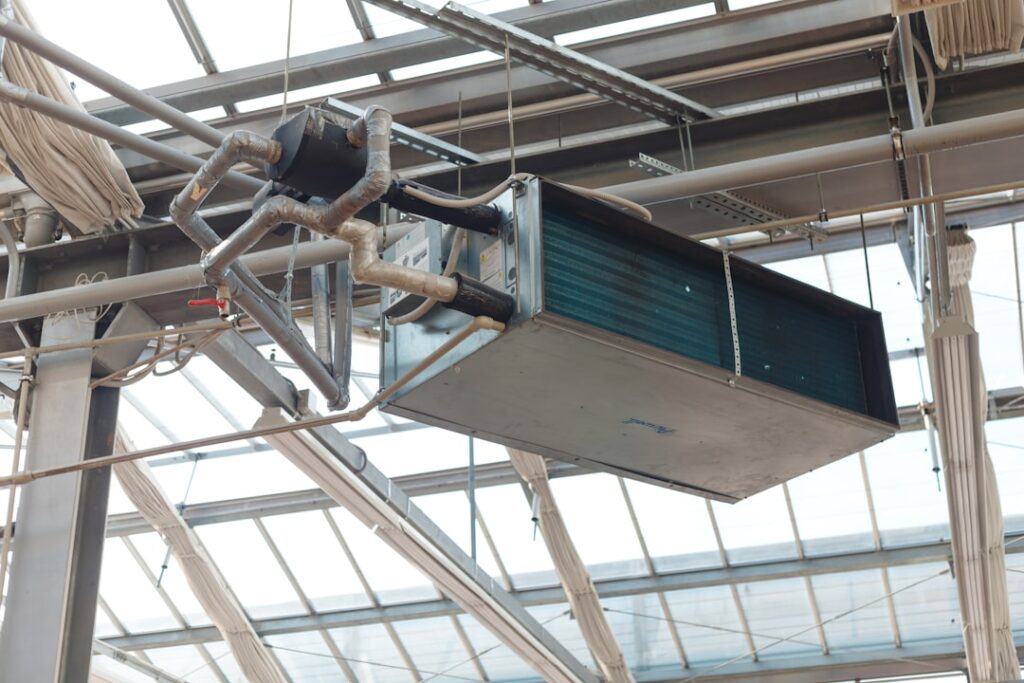
The air handler is the heart of a home’s heating and cooling system, the cabinet that holds the blower, the evaporator coil, and often the filter. It is also one of the most common places for mold to take hold, because it combines moisture from condensation with the dust and debris that feed growth. Mold in air handler equipment is a serious concern precisely because the unit’s job is to push air into every room, turning a contained colony into a whole-house spore distributor. This guide summarizes EPA and CDC guidance current as of 2026 for general education only and is not a diagnosis. For extensive contamination or health concerns, consult a certified professional and your physician.
Part of our Mold Around the Home guide — start there for the full picture →
Is this mold, asbestos, or water damage? Get a free instant screen
Upload a clear photo of the suspect area. You'll get an instant AI screening opinion and what to do next. This is screening guidance, not a professional determination.
Screening guidance only. AI can be wrong. Confirm asbestos, mold type, or lead with lab testing or a licensed professional before acting.
Why Air Handlers Grow Mold
The conditions inside an air handler are nearly perfect for mold. When the system cools air, the evaporator coil gets cold and water condenses on it, just as a cold drink sweats on a summer day. That condensation drains into a pan and out through a condensate line. When the drain clogs, the pan overflows, or the coil stays persistently wet, moisture lingers. Add the dust, pollen, and organic debris that collect on the coil and in the cabinet, and the EPA’s three mold requirements, moisture, food, and time, are all met in a dark enclosed box.
Several specific failures drive it. A clogged condensate drain or a cracked, rusted drain pan leaves standing water. A dirty filter lets debris coat the coil and provide food. An oversized system that cycles too quickly fails to dehumidify properly, leaving high moisture inside. Poor airflow from a restricted return lets dampness stagnate. Each of these is a maintenance issue, which is why air-handler mold is largely preventable. The related problem of growth spreading downstream is covered in our guide on mold in ductwork.
The Condensate System: Where Most Trouble Starts
If there is a single component worth understanding, it is the condensate system, because clogged or failed drainage is behind a large share of air-handler mold. When the system cools air, water condenses on the cold evaporator coil and runs down into a collection pan beneath it, then exits through a condensate drain line, often a length of PVC that routes to a drain, a sump, or the outdoors. That drain line is prone to clogging, since the same damp, dark interior that grows mold also grows the biological slime that blocks the pipe. Once the line clogs, the pan fills and overflows, leaving standing water that keeps the coil and cabinet wet and feeds growth continuously.
Many systems include a secondary or emergency drain pan and a float switch designed to shut the system off if water backs up, but these safeguards do not exist on every unit and can themselves fail or be disconnected. Telltale signs of a condensate problem include water stains or pooling beneath the air handler, a unit that shuts off unexpectedly on a hot day from a tripped float switch, or a musty smell that worsens during heavy cooling. Periodically flushing the drain line, confirming the pan drains fully, and checking that the float switch is connected are simple measures that prevent the standing water at the root of most air-handler mold.
Warning Signs of Mold in the Air Handler
Because the air handler is usually tucked in a closet, attic, basement, or crawl space, the signs often reach you through the air before you ever open the cabinet. A musty smell that appears or intensifies whenever the system runs is the classic indicator; the smell rides the airflow into living spaces. Visible mold around supply vents, on the air-handler cabinet, or on the filter is a stronger sign.
Other clues include water around or under the unit from a backed-up drain pan, a noticeable increase in allergy-like symptoms among occupants when the system runs, and dark growth visible on the coil or blower when you inspect with a flashlight. The CDC notes that exposure to mold can aggravate asthma and cause upper-respiratory irritation in sensitive people, so symptoms that track with HVAC operation are worth investigating. The same musty-when-running pattern shows up with mold in the HVAC system more broadly.
What to Do First: Stop Running a Contaminated System
If you suspect significant mold in the air handler, the EPA advises against running an HVAC system you believe is contaminated, because operating it spreads spores throughout the home. Turn the system off until the problem is assessed and addressed. This single step prevents a localized issue from contaminating every room while you arrange a fix.
Next, change the air filter if it is dirty or moldy, and inspect the condensate drain and pan. A clogged drain line is the most common root cause; clearing it and confirming the pan drains properly removes the standing water that feeds growth. These are reasonable homeowner checks. Deeper cleaning of the coil and blower, however, often requires professional access and care, because those components are delicate and the spaces are tight.
How Air-Handler Mold Spreads Through the Home
What makes air-handler mold different from a patch on a bathroom wall is the delivery system attached to it. The blower exists to push conditioned air through the supply ducts into every room, so any spores released at the coil or in the cabinet are not confined; they become part of the air the household breathes throughout the house. A small colony in one closet-sized cabinet can therefore raise spore levels in bedrooms and living areas far from the equipment, which is why occupants sometimes notice symptoms that improve when the system is off and return when it cycles on. The ductwork can also become a secondary reservoir, with spores settling in the duct interior and on porous duct liner, then resuspending each time airflow resumes.
This whole-house reach is the reason the response to suspected air-handler mold is more cautious than for an isolated surface. Turning the system off is not only about protecting the equipment; it stops the active distribution of spores while the problem is assessed. It is also why simply cleaning the visible cabinet surface rarely settles the issue when ducts or liner are involved, since the system can keep reseeding the air from contamination you cannot see. Understanding that the air handler is a hub, not a dead end, frames why professional involvement is so often warranted for anything beyond a dirty filter and a clogged drain.
Cleaning Mold in and Around the Air Handler
For accessible hard surfaces such as the cabinet interior, drain pan, and visible non-coil surfaces, the EPA’s general guidance applies: detergent and water with scrubbing removes mold from hard, non-porous surfaces, and no special chemical is required. Wear an N95 respirator, gloves, and eye protection, and ventilate the area, since disturbing mold releases spores. Dry every surface thoroughly afterward.
The evaporator coil is the harder problem. Coils have fine, closely spaced fins that bend easily and trap debris, and aggressive cleaning can damage them or push contamination deeper. Coil cleaning is generally a job for an HVAC professional using appropriate coil cleaners and methods. Porous components, insulation lining the cabinet or ducts, and saturated filters that are moldy should be replaced rather than cleaned, since mold penetrates porous material beyond the reach of surface cleaning. Never spray a household cleaner into electrical components or onto the blower motor.
Preventing Air-Handler Mold
Prevention is mostly routine HVAC maintenance. Change the air filter on schedule, typically every one to three months depending on the filter and household, so debris does not coat the coil. Keep the condensate drain clear; periodic flushing prevents the clogs that cause standing water, and some homeowners add a drain-pan treatment recommended by their HVAC contractor. Schedule annual professional maintenance, during which a technician inspects and cleans the coil, checks the drain and pan, and verifies the system dehumidifies properly.
Whole-home humidity control matters too. The EPA recommends keeping indoor relative humidity below 60 percent. A properly sized system that runs long enough to dehumidify, rather than short-cycling, keeps the air and the equipment drier. In Colorado’s generally dry climate, summer cooling still produces coil condensation, so the drain and pan deserve attention even where ambient humidity is low. A high-quality filter also reduces the dust and organic debris that mold feeds on, as discussed in our guide on getting rid of mold spores in the air.
One detail many homeowners miss is the condensate drain trap and pan treatment. The condensate line carries away the water the coil sheds during cooling, and a partial clog lets that water back up into the pan where it stagnates and grows mold. Flushing the line periodically, and confirming the pan drains fully rather than holding a film of water, removes the standing moisture that growth depends on. Where an HVAC contractor recommends a pan tablet or treatment, it can help keep the drain clear between visits. Pairing the right filter, a clear drain, and a correctly sized system that runs long enough to dehumidify addresses all three of the mold requirements at once, which is far more effective than reacting after a musty smell appears.
UV Lights, Coil Coatings, and Other Add-Ons
Homeowners researching air-handler mold often encounter add-on products marketed to prevent it, and it helps to view them realistically. Ultraviolet lamps installed to shine on the coil can inhibit growth on the illuminated surfaces and are used in some systems, but they are a supplement to, not a substitute for, the fundamentals of a clean coil, a clear drain, and controlled humidity. A UV lamp over a coil that still sits in standing water from a clogged drain will not solve the problem. Antimicrobial coil coatings and treated drain pans similarly help at the margins but do not remove the moisture and debris that drive growth in the first place.
The order of priority matters. Fixing drainage and airflow, changing filters, and keeping humidity in range address the root causes and do the heavy lifting; add-ons like UV lamps can then provide an extra layer where a system is prone to recurring growth. Treating an add-on as the primary defense, while neglecting maintenance, tends to disappoint. Any of these enhancements is best discussed with an HVAC professional who can confirm it suits the specific equipment and is installed where it will actually reach the surfaces that matter.
When to Call a Professional
Air-handler and HVAC mold is one of the situations where the EPA specifically points toward professional help, because the system distributes air throughout the home and the contaminated area can be hard to assess and reach. Call an HVAC professional or qualified remediation contractor when there is visible mold on the coil or inside the cabinet, when the musty smell persists after filter and drain checks, when mold appears at multiple supply vents indicating duct involvement, or when occupants have asthma, allergies, or weakened immune systems and should not disturb the mold.
A professional can clean the coil and blower correctly, remediate or replace contaminated insulation and ductwork, correct the drainage and airflow problems that caused the growth, and confirm the system is safe to run again. For Front Range homeowners, pairing this with an overall air-quality assessment helps confirm the home’s air is clean once the source is addressed. The broader picture of testing and remediation lives in our mold inspection and testing hub.
One reason to involve a professional sooner rather than later with air-handler mold is that the system keeps spreading the problem until it is addressed, so delay tends to widen the affected area from a single cabinet to the ducts and rooms beyond. A contractor can also determine whether the underlying cause is a fixable maintenance issue, like a clogged drain or dirty filter, or a design problem such as an oversized system that short-cycles without dehumidifying. Correcting the cause is what prevents the mold from simply returning after a cleaning, which is the outcome homeowners most want to avoid given the expense and the whole-house reach of the equipment.
References
- Mold Cleanup in Your Home — U.S. Environmental Protection Agency
- Should You Have the Air Ducts in Your Home Cleaned? — U.S. Environmental Protection Agency
- About Mold and Your Health — Centers for Disease Control and Prevention
Frequently asked questions
How do I know if there is mold in my air handler?
The most common sign is a musty smell that appears or worsens whenever the system runs, because the odor rides the airflow into living spaces. Other signs include visible mold around vents or on the filter, water around the unit from a backed-up drain pan, and allergy-like symptoms that track with HVAC operation.
Should I run my AC if I think the air handler has mold?
No. The EPA advises against running an HVAC system you suspect is contaminated, because operating it spreads spores throughout the home. Turn it off until the problem is assessed, then change a dirty filter and check the condensate drain while arranging a professional inspection.
Can I clean mold in the air handler myself?
You can check and replace a moldy filter, clear a clogged condensate drain, and clean accessible hard surfaces like the drain pan with detergent and water while wearing protection. The evaporator coil and blower usually require an HVAC professional, since coils are delicate and improper cleaning spreads contamination or causes damage.
How do I prevent mold in an air handler?
Change the filter on schedule, keep the condensate drain clear, and schedule annual professional HVAC maintenance to clean the coil and check drainage. Keep indoor humidity below 60 percent and ensure the system runs long enough to dehumidify rather than short-cycling.
If a musty smell follows your HVAC system through a Front Range home, a vetted local inspector or HVAC pro can confirm whether the air handler is the source; reach out through our contact page for a connection.