Penicillium/Aspergillus: What Homeowners Should Know
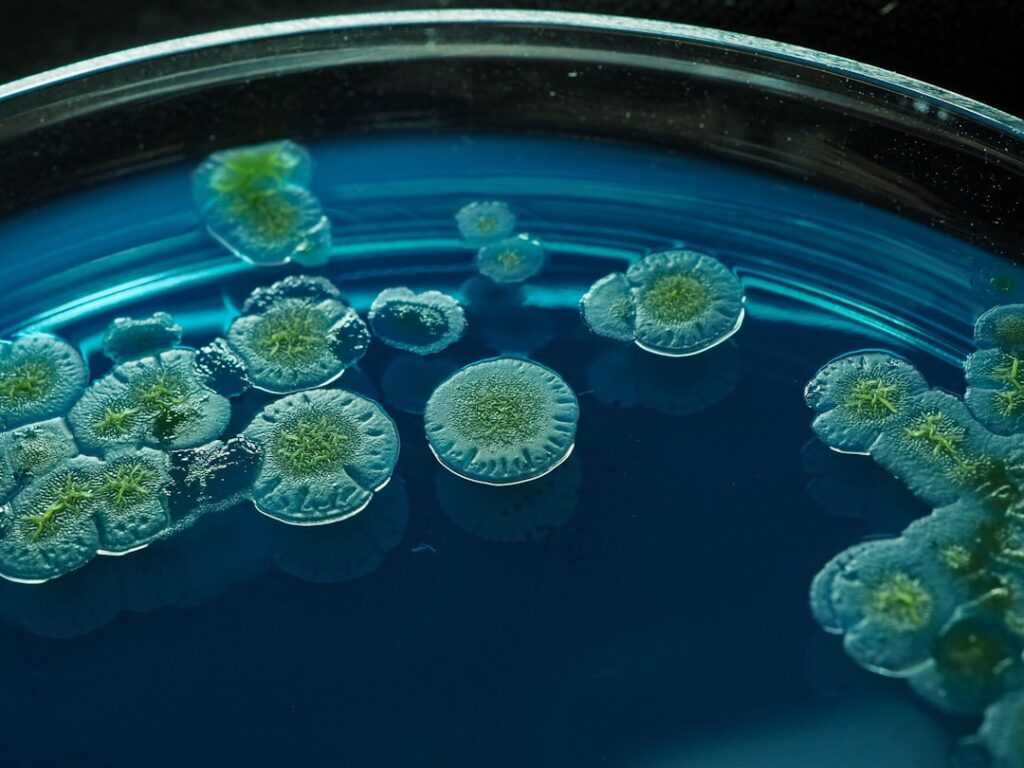
If you have had an air sample taken in your home, your lab report probably listed “penicillium/aspergillus” as a single line item with a spore count beside it. Many homeowners read that and assume it names one specific mold. It does not. The penicillium/aspergillus result is a grouped category, and understanding why labs combine these two genera helps you read your report correctly. This guide summarizes EPA and CDC guidance current as of 2026 and is not medical advice; consult your physician for symptoms and a certified professional for testing decisions.
Dealing with mold or water damage? Talk to a remediation pro now.
📞 Call (833) 723-1134Why is penicillium/aspergillus listed as one result?
Air sampling labs identify spores by their physical appearance under a microscope. Penicillium and Aspergillus produce spores that look nearly identical at that magnification. Both are small, round, and smooth, and they cannot be told apart by sight alone. Rather than guess, analysts report them together as “penicillium/aspergillus types.” Separating the two requires culturing the sample or DNA analysis, which most standard air tests do not include.
So a penicillium/aspergillus count tells you that spores from one or both of these common genera were present, and roughly how many. It does not tell you the exact species or whether a toxic strain is involved.
This is a frequent source of needless worry. A homeowner sees a single combined line item with a high number and assumes the worst, picturing a dangerous toxic mold. In reality the result is one of the most common findings in indoor air anywhere, because these genera are everywhere. The number is meaningful only in context: compared against the outdoor air, against visible evidence, and against the home’s moisture history. On its own, the line item is a starting point for investigation, not a verdict.
What are penicillium and aspergillus?
Both are extremely common molds found in indoor and outdoor air worldwide.
Penicillium
Penicillium is often blue-green and velvety. It colonizes water-damaged building materials quickly, so it is a frequent finding after leaks, floods, or chronic condensation. It grows on drywall, wallpaper, carpet, insulation, and spoiled food. Penicillium is best known as the source of the antibiotic penicillin, but indoor species are studied mainly as allergens.
Aspergillus
Aspergillus is one of the most widespread molds on earth and appears in many colors. Most species are harmless to healthy people, but a few, especially Aspergillus fumigatus, can cause serious lung infections in immunocompromised individuals. For broader context on how this genus relates to lung illness, see our guide on fungal pneumonia symptoms.
What does a high penicillium/aspergillus count mean?
There is no federal “safe” threshold for indoor mold spores, so a number on its own is hard to interpret. Labs and inspectors typically compare the indoor count to an outdoor control sample taken the same day. If the indoor penicillium/aspergillus count is much higher than outdoors, that suggests an active indoor source. If indoor and outdoor are similar, the spores may simply have drifted in from outside.
The EPA stresses that the presence of spores is normal and that sampling is most useful for confirming a suspected problem or checking cleanup, not for proving a home is “safe.” A count is one data point, read alongside visible growth, moisture readings, and odor.
Weather and season also affect the numbers. Outdoor mold counts rise in damp months and after rain, and some of that drifts indoors every time a door opens. A summer reading and a winter reading from the same house can differ substantially without anything being wrong inside. This is another reason a same-day outdoor control sample is essential; it accounts for what is simply in the air that day rather than what your home is producing.
How the spore count is interpreted
A qualified assessor looks at several things together rather than fixating on one number. They compare indoor to outdoor counts, check whether the indoor sample is dominated by water-loving species, look for visible growth and moisture, and consider the home’s history of leaks or flooding. An indoor count modestly above outdoor with no visible growth often means normal infiltration. A count many times higher than outdoor, especially with water-indicator species, points to an active indoor source that needs to be found.
The species mix can be telling even within a combined category. Inspectors sometimes order culturing precisely because the proportion of Penicillium and Aspergillus, and the specific species, can hint at how chronic the moisture problem is. For most homeowners, though, this level of detail is unnecessary; the visible signs and moisture readings tell the story.
Is penicillium/aspergillus dangerous?
For most healthy people, exposure to ordinary indoor levels causes no infection, though it can trigger allergy symptoms such as sneezing, congestion, and asthma flare-ups. The risk profile changes for vulnerable groups. The CDC identifies people with weakened immune systems, chronic lung disease, or asthma as more likely to experience health effects. Because the lab cannot tell you the exact Aspergillus species from a standard count, it cannot rule in or out the strains of greater medical concern.
The practical takeaway is consistent with all household mold: control moisture, remove visible growth, and protect at-risk residents. Our overview of the penicillium-aspergillus mold group goes deeper on where these spores tend to settle indoors.
How to handle a penicillium/aspergillus result
Start by finding moisture, not by chasing the species. A high indoor count almost always traces back to water: a slow leak, a damp basement, condensation, or past flooding. The EPA’s guidance applies here. Fix the water problem first, then clean or remove affected materials.
- Repair leaks and dry the area within 24 to 48 hours of any water event.
- Keep indoor humidity below 60 percent, ideally 30 to 50 percent.
- Clean small areas of hard-surface growth with detergent and water, then dry thoroughly.
- Remove porous materials like drywall and carpet that are heavily colonized.
For moisture management, our guide on controlling humidity to stop mold covers dehumidifiers, ventilation, and target ranges. The mold inspection hub explains when retesting after cleanup makes sense.
If you choose to retest after cleanup, wait until the area is fully dry and the cleanup is complete, then sample again with a matching outdoor control. A successful remediation should bring indoor penicillium/aspergillus levels back in line with outdoor levels. A result that stays elevated suggests either remaining moisture, hidden growth, or that the source was never fully addressed.
Common questions about the combined result
Many homeowners want to know whether a penicillium/aspergillus finding means their home is unsafe. By itself, no. These spores are present in essentially all indoor environments, and a finding only becomes actionable when it is clearly elevated relative to outdoors or paired with visible growth, water damage, or persistent odor. The presence of the category on a report is expected, not alarming.
Others ask whether they should pay extra to identify the exact species. For most households the answer is no, because it would not change the cleanup. The exception is a home with an immunocompromised resident, where a physician might find species-level data useful. In that case, ask your testing company specifically for culturing or DNA-based identification rather than a standard spore count, since the standard test cannot separate the two genera.
A final point on health framing: any mold-related symptoms, whether allergy-like or respiratory, are a matter for a physician, not an air sample. The test tells you about your environment; it cannot diagnose a person. People sometimes hope a spore count will explain symptoms, but the count and the clinical picture are separate questions. Use the test to guide what you do with the home, and see a doctor about how anyone is feeling. Keeping those two tracks distinct prevents both over-reaction to a number and under-reaction to genuine symptoms.
When to call a professional
Call a certified mold professional when the indoor penicillium/aspergillus count is significantly above outdoor levels, when growth covers more than about 10 square feet, when it returns after cleaning, or when a household member is immunocompromised or has chronic respiratory disease. A professional can locate hidden moisture, scope the cleanup, and decide whether species-level identification through culturing is worth the added cost. For health symptoms, a physician, not an inspector, is the right contact.
References
- Mold Testing or Sampling — U.S. Environmental Protection Agency
- About Mold — Centers for Disease Control and Prevention
- Mold Health Topic — National Institute of Environmental Health Sciences
If you are in the Denver metro or Front Range and want a vetted inspector to interpret a mold report or check your home, reach out through our contact page.