Mold On Walls: What Homeowners Need to Know
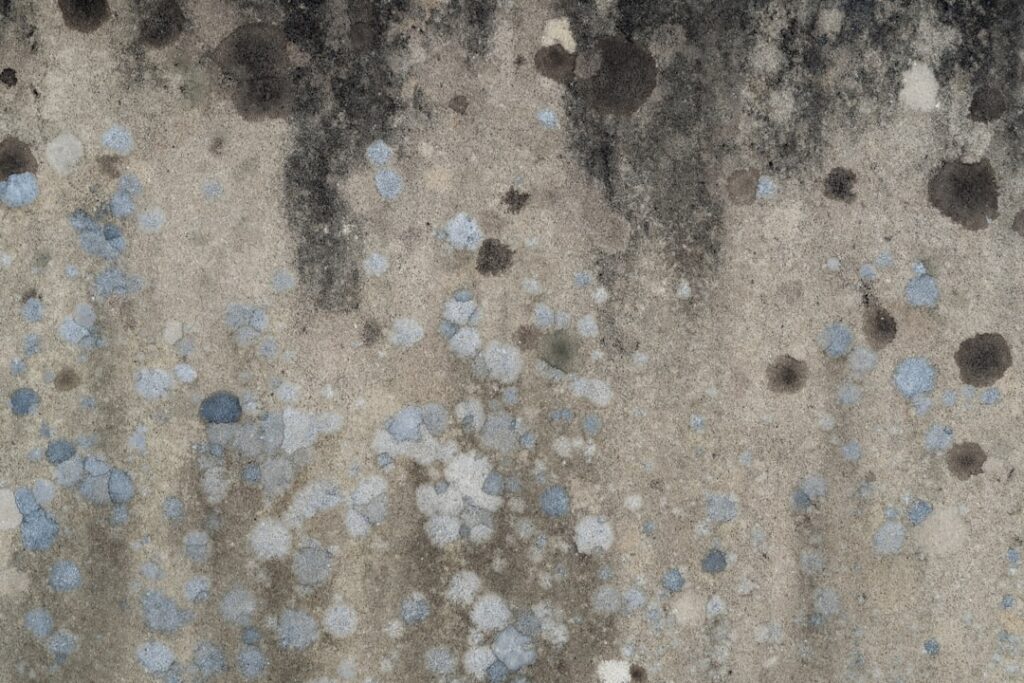
Few sights worry a homeowner more than a spreading dark patch on an interior wall. Mold on walls is one of the most common indoor mold problems, and it is almost always a sign that moisture is reaching the surface from somewhere, whether the humid room air, a hidden leak, or a cold exterior wall. Treating the stain without finding the moisture guarantees it returns. This guide summarizes EPA and CDC guidance current as of 2026; for active growth or health symptoms, consult a certified professional and your physician rather than relying on a web explainer.
Part of our Mold Around the Home guide — start there for the full picture →
Is this mold, asbestos, or water damage? Get a free instant screen
Upload a clear photo of the suspect area. You'll get an instant AI screening opinion and what to do next. This is screening guidance, not a professional determination.
Screening guidance only. AI can be wrong. Confirm asbestos, mold type, or lead with lab testing or a licensed professional before acting.
What Mold on Walls Tells You
Mold grows on a wall only when that surface stays damp long enough. So the growth is really a symptom: it points to a moisture source you need to find. That source might be high humidity in the room, condensation on a cold exterior wall, a plumbing leak inside the wall cavity, or water wicking up from a damp foundation. Because the visible patch is the end of a moisture path, the lasting fix always involves the source, not just the surface. This is the heart of mold inspection and testing for homeowners: find the water, then deal with the growth.
Common Causes of Mold on Walls
A handful of causes account for most wall mold.
High Indoor Humidity
When room humidity stays above 60 percent, walls, especially cooler exterior ones, hold enough surface moisture for mold to grow.
Condensation on Cold Walls
Exterior walls and corners run colder than the room. Warm, humid air touching them condenses, leaving the persistent damp that mold needs.
Hidden Leaks
A slow plumbing leak inside the wall, a roof or window leak, or failed flashing can soak the cavity and feed growth that appears as a patch on the surface.
Below-Grade Moisture
Basement walls can wick groundwater, especially in spring along the Front Range, leaving the lower wall chronically damp.
How to Tell Mold From Other Wall Stains
Not every wall discoloration is mold. Mold is typically fuzzy, raised, or slimy, comes in green, black, or other colors, and often spreads in irregular patches. Efflorescence, a white crystalline deposit on basement walls, is mineral salt left by evaporating water, not living growth. Soot and dirt are flat residues. Water stains alone are brown rings without texture. When the patch is fuzzy and spreading, treat it as mold; when in doubt, our detailed guide on how to identify mold on walls walks through the distinctions.
Health Context
The CDC notes that exposure to mold can cause allergic and respiratory symptoms in sensitive people, such as sneezing, congestion, and eye or throat irritation, while many people are unaffected. Wall mold in a bedroom or living area means occupants may be exposed regularly, which is a reason to act, but it is not cause for panic. This is general information, not a diagnosis; anyone with persistent symptoms should consult a physician. The home response is the same regardless of the mold species: control moisture and remove the growth.
Cleaning Small Areas of Wall Mold
The EPA describes homeowner cleanup of small areas of growth, under roughly ten square feet, on hard, non-porous surfaces. For painted, sound drywall with surface growth, scrub with an appropriate cleaner, wearing gloves and eye protection, and dry the area thoroughly. Crucially, fix the moisture source first or the growth returns. Cleaning is appropriate only when the drywall itself is still solid and the growth is on the surface, not when the material is soft, crumbling, or stained through from within.
When Wall Mold Means Removing Drywall
Drywall is porous, and its paper facing is excellent mold food. When mold has penetrated the material, when the drywall is soft or crumbling, or when growth is inside the cavity from a leak, surface cleaning cannot reach the colony. In those cases the affected drywall, and often the insulation behind it, must be removed. The EPA advises that areas larger than about ten square feet generally warrant professional remediation. Removing material also exposes the cavity so the underlying leak can be found and repaired.
Mold Behind Wallpaper and Paneling
Some of the most stubborn wall mold hides behind finishes that trap moisture. Vinyl wallpaper, in particular, can act as a vapor barrier on the wrong side of the wall, trapping moisture in the drywall behind it where mold flourishes unseen until the paper bubbles, peels, or releases an odor. Wood paneling and built-in cabinetry against exterior walls create still-air pockets where condensation collects out of view. In these cases the visible wall looks fine while growth advances behind it, and the first sign may be a musty smell or a section of wallpaper lifting. When mold is suspected behind such a finish, removing a section to inspect is often necessary, and finding growth usually means taking down the finish and addressing the drywall and moisture beneath. This hidden potential is one reason a persistent odor or recurring symptom near a finished wall, even with no visible growth, warrants investigation rather than dismissal.
Bathroom and Kitchen Walls Specifically
Walls in wet rooms face the heaviest moisture load and follow their own patterns. Bathroom walls around showers and tubs absorb vapor and splash, and growth often starts at the ceiling above the shower, along the top of tile, and where caulk has failed and let water behind the surface. Kitchen walls behind sinks, dishwashers, and refrigerators with ice makers can hide growth fed by slow plumbing leaks. The defenses are specific: run the exhaust fan during and after showering and cooking, maintain caulk and grout so water cannot get behind tile, fix dripping fixtures promptly, and pull appliances out periodically to check the wall behind them. Because these rooms generate moisture daily, they reward consistent ventilation and prompt repair more than almost any other part of the house, and they are where surface mildew most readily crosses into deeper wall mold if leaks go unaddressed.
Preventing Mold on Walls
Prevention is moisture management. Keep indoor humidity between 30 and 50 percent, the EPA’s recommended range, using exhaust fans and a dehumidifier in damp rooms. Improve airflow around exterior walls and corners, and pull furniture a few inches off cold outside walls so air can circulate. Insulate cold walls where condensation is chronic. Fix leaks promptly and route gutters and grading away from the foundation. Our explainer on mold and humidity covers why cold surfaces stay damp even when room humidity reads moderate.
Reading the Pattern of Growth on a Wall
The shape and location of wall mold often reveals its moisture source, which is the key to a lasting fix. Growth concentrated in a lower corner or along the base of a wall points to moisture entering low, from a damp foundation, a slab leak, or water wicking up. A vertical streak running down from the ceiling suggests water entering high, from a roof leak, failed flashing, or a leak on the floor above. A patch spreading outward from behind a fixture, a sink, a shower, a washing machine, implicates the plumbing there. Even, diffuse growth across a cool exterior wall or in a closet usually means condensation driven by high room humidity rather than a discrete leak. Reading these patterns before tearing into anything helps target the investigation and avoids the frustration of cleaning a patch that returns because the actual source was never found.
What You Find When You Open the Wall
When wall mold traces to a leak, opening the wall often reveals more than the surface suggested. The paper facing of the drywall, an ideal mold food, may be colonized well beyond the visible patch. Insulation behind it can be damp and harboring growth, and wet fiberglass or cellulose insulation loses much of its value and usually must be replaced. Framing lumber may show staining and, with prolonged saturation, the beginnings of rot. The cavity itself may still be damp, confirming an active source. This is why the EPA treats larger areas as professional remediation territory: the work involves containing the area to avoid spreading spores, removing affected materials, drying the structure, fixing the source, and rebuilding, a sequence beyond a simple surface clean. Knowing this in advance helps homeowners set realistic expectations when a small patch turns out to be the visible edge of a larger problem.
Preventing Condensation on Cold Walls
A large share of wall mold, especially in bedrooms and closets on exterior corners, comes from condensation rather than leaks, and it responds to a specific set of fixes. The problem occurs when warm, humid indoor air meets a wall surface cold enough to bring that air to its dew point, leaving the surface damp. Lowering indoor humidity into the 30-to-50 percent range raises the margin before condensation forms. Improving airflow across the wall helps: pull furniture and beds a few inches off cold exterior walls, leave closet doors open, and run a fan in chronically still corners. Where a wall is persistently cold, adding insulation raises its surface temperature above the dew point so condensation stops forming in the first place. These measures address the root cause, which is why they succeed where repeated cleaning of the same spot fails.
Repainting and Refinishing After Mold
Once wall mold is cleaned or the affected drywall is replaced, the finishing steps matter for keeping it gone. Paint over living mold on a damp wall does not work; it peels as the growth continues underneath, which is why the surface must be genuinely clean and dry and the moisture source resolved before any refinishing. For walls that had surface growth on sound drywall, allow the area to dry fully after cleaning before priming and painting. Mold-resistant primers and paints, which contain agents that discourage growth, can add a margin of protection in chronically damp-prone rooms like bathrooms, but they are a supplement to moisture control, not a substitute for it. The order is fixed: stop the moisture, remove or clean the growth, dry thoroughly, then refinish. Skipping straight to fresh paint over a damp, moldy wall simply hides the problem until it bleeds through again.
A Quick Action Plan for Wall Mold
When mold appears on a wall, a clear sequence keeps the response effective. First, treat the growth as a symptom and look for the moisture source, reading the pattern of the patch for clues about where water is coming from. Second, measure the room’s humidity and the dampness of the wall itself if possible, since condensation and leaks call for different fixes. Third, stop the moisture, repair the leak, lower the humidity, improve airflow, or insulate the cold surface. Fourth, address the growth: clean small surface areas on sound drywall, or remove penetrated, soft, or large areas of material. Fifth, dry the area fully before refinishing. Following this order, source before surface, prevents the most common outcome, a cleaned patch that returns within weeks because the water feeding it was never addressed.
When to Call a Professional
Bring in a professional for wall mold larger than about ten square feet, growth that has penetrated or softened the drywall, growth fed by a hidden leak inside the cavity, recurring growth after cleaning, or any situation with occupant health symptoms. A qualified inspector can locate the moisture source with tools like a moisture meter, determine how far the growth extends behind the surface, and scope the removal needed. Homeowners can review what an evaluation covers in our overview of mold assessments.
References
- Mold Cleanup in Your Home — U.S. Environmental Protection Agency
- About Mold — Centers for Disease Control and Prevention
- Mold Course Chapter 2: Why and Where Mold Grows — U.S. Environmental Protection Agency
Frequently asked questions
What causes mold on walls?
Mold grows where a wall stays damp, from high indoor humidity, condensation on cold exterior walls, a hidden leak in the cavity, or moisture wicking up from a damp foundation. The visible patch points to a moisture source you need to find.
Can I clean mold off a wall myself?
Small areas under about ten square feet on sound, non-porous surfaces can be cleaned per EPA guidance: scrub with a cleaner, wear gloves and eye protection, and dry thoroughly. Fix the moisture source first, or it returns.
When does wall mold require removing drywall?
When mold has penetrated the porous drywall, the material is soft or crumbling, or growth comes from a leak inside the cavity. Surface cleaning cannot reach it, so the affected drywall and often the insulation must be removed.
How do I stop mold from coming back on walls?
Control moisture: keep humidity between 30 and 50 percent, use exhaust fans and a dehumidifier, improve airflow around cold walls, pull furniture off exterior walls, and fix leaks and drainage. Removing the moisture source is what prevents recurrence.
If mold keeps returning on a wall in your Front Range home, a vetted local inspector can find the hidden moisture behind it. Reach one through our contact page.