Beginning Mold on Walls: A Homeowner’s Guide
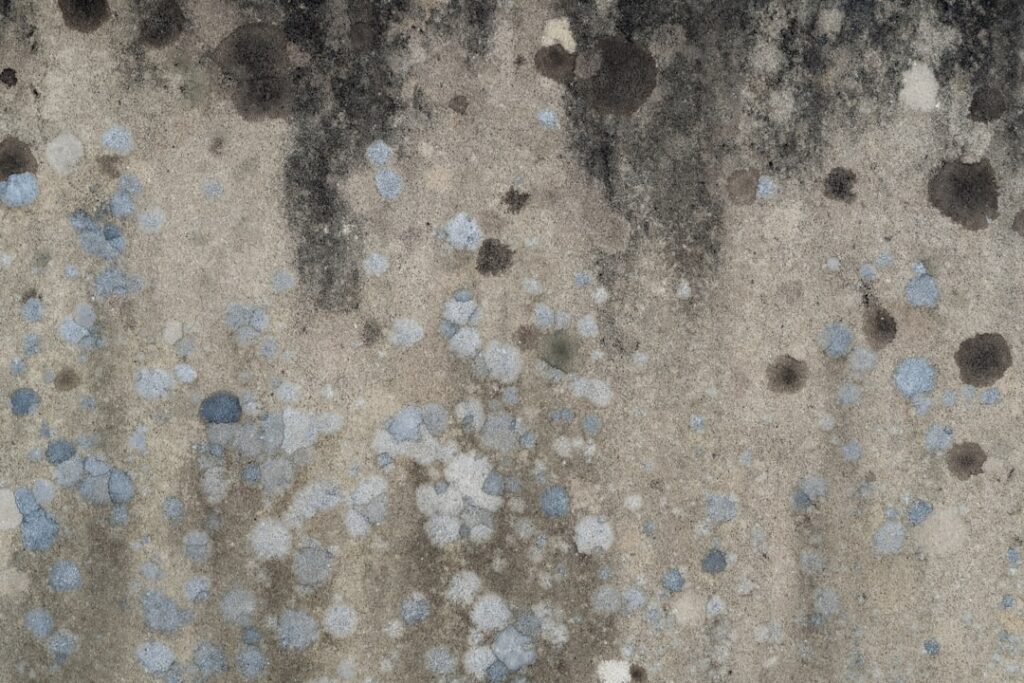
Early wall growth rarely announces itself. A faint gray smudge near a baseboard, a cluster of black pinpoints in a corner, a patch that looks like dust but wipes back the next week. Catching beginning mold on walls in those first days is the difference between a wipe-down and a remediation invoice. This guide summarizes EPA and CDC guidance current as of 2026; consult your physician for symptoms and a certified professional for testing decisions. Front Range homes, with their dry winters and humid bathrooms, give mold both the cold surfaces and the moisture spikes it needs to take hold.
Is this mold, asbestos, or water damage? Get a free instant screen
Upload a clear photo of the suspect area. You'll get an instant AI screening opinion and what to do next. This is screening guidance, not a professional determination.
Screening guidance only. AI can be wrong. Confirm asbestos, mold type, or lead with lab testing or a licensed professional before acting.
What does beginning mold on walls look like?
The earliest stage usually appears as scattered specks rather than a solid patch. Colors range from green and gray to black, brown, or even orange depending on the species and the surface. On painted drywall, early growth often looks fuzzy or velvety under angled light. On bathroom grout it reads as a darkening of the lines.
Texture matters. Surface dirt smears when you rub it. Mold tends to stay put and may smear a faint stain into the paint. If a damp cloth lifts the spot cleanly and it does not return, it was probably dust. If it comes back in the same place, you are looking at active growth.
Why mold starts on walls in the first place
Mold needs moisture, a food source, and time. Drywall paper, paint binders, and dust all feed it. The moisture usually comes from condensation on cold exterior walls, a slow plumbing leak inside the cavity, or humid air that never gets vented. In Denver and Boulder County basements, cool foundation walls meeting warm interior air create a steady condensation line where colonies often begin.
Indoor humidity above roughly 60 percent gives spores the foothold they want. The EPA recommends keeping indoor relative humidity between 30 and 50 percent to suppress growth. Bathrooms and laundry rooms that lack working exhaust fans are the most common starting points.
Common spots where early growth appears
Corners catch the least airflow and stay coolest, so they grow mold first. Behind furniture pushed flat against an exterior wall, the trapped air goes stagnant. Around window frames, condensation pools on the sill and wicks into the wall below.
Bathrooms top the list. Our guide to bathroom mold and why it keeps coming back covers the shower-wall and ceiling patterns in detail. Closets on north-facing exterior walls run a close second because they trap humid clothing and rarely get aired out.
Is beginning mold on walls dangerous?
Most early wall growth is a nuisance and a building-material problem before it is a major health threat. That said, the CDC notes that mold exposure can trigger congestion, eye irritation, coughing, and wheezing, and that people with asthma or weakened immune systems react more strongly. Reactions vary widely from person to person.
The honest answer is that no one can tell you a “safe” amount of mold to live with. If household members report new respiratory symptoms that ease when they leave the house, raise it with a physician rather than guessing at the cause yourself.
How to tell mold from mildew or stains
Mildew is a flat, powdery surface growth that usually stays gray or white. Deeper mold colonies are raised, darker, and often fuzzy. Water stains from old leaks are brown and dry, with no texture and no spread over time.
A quick field test: dab a drop of diluted bleach on the spot. If it lightens within a minute or two, it is likely mold or mildew. If the color stays put, it is probably dirt or an old stain. This only identifies the spot; it does not clean the colony or tell you the species.
Cleaning beginning mold on walls yourself
The EPA says homeowners can generally handle hard-surface mold patches smaller than about 10 square feet, roughly a 3-by-3-foot area. Beyond that, professional remediation is the safer call. Early growth almost always falls under the DIY threshold.
Wear an N95 respirator, gloves, and eye protection. Open a window and run a fan vented outdoors, not into another room. Scrub non-porous surfaces with detergent and water, then dry the area completely. Drywall paper is porous, so heavily colonized sections may need to be cut out and replaced rather than scrubbed.
Does bleach actually work on walls?
Bleach kills surface mold on non-porous tile and grout but struggles on porous drywall, where the roots survive below the paint. For a fuller breakdown, see our look at whether bleach kills black mold. Detergent and thorough drying matter more than the disinfectant you pick.
What to do after you clean
Cleaning the visible spot solves nothing if the moisture stays. Find the water source first. Check for a dripping supply line, a failed window seal, a downspout dumping against the foundation, or simply a bathroom with no fan.
Run a dehumidifier in damp basements and aim for under 50 percent relative humidity. Improve airflow by pulling furniture a few inches off exterior walls. Recheck the cleaned area weekly for a month; regrowth means the moisture problem is unsolved.
When early growth means a hidden problem
Mold that returns within days, or that appears in a perfectly dry-looking room, often signals moisture inside the wall cavity. Slow pipe leaks, ice-dam intrusion, and failed flashing can keep drywall damp from behind while the front looks fine.
If patches recur after cleaning, or if you smell a persistent musty odor with no visible source, a moisture meter and a trained eye can find what the surface hides. The broader mold inspection and testing hub walks through when professional assessment is worth it.
Preventing mold from coming back
Ventilation is the cheapest defense. Run bathroom fans during showers and for 20 minutes after. Vent dryers and kitchens outdoors. In Colorado’s swingy seasons, watch for winter condensation on cold exterior walls and summer humidity in basements.
Fix leaks within 24 to 48 hours, the window the EPA cites for stopping mold before it establishes. Keep gutters clear, grade soil away from the foundation, and insulate cold walls where condensation keeps forming.
Tools that help you catch it early
A few inexpensive tools turn guesswork into evidence. A handheld hygrometer, available for under twenty dollars, tells you whether a room sits above the 50 percent humidity line where mold gains ground. Keeping one in the basement and one in the bathroom gives you an early read on trouble.
A pinless moisture meter, pressed against drywall, flags damp spots you cannot see or feel. Inspectors use the same principle with more sensitive gear. For homeowners, even a budget meter helps distinguish an old dry stain from a wall that is actively wet behind the paint.
Seasonal patterns in Front Range homes
Colorado’s climate creates two distinct mold seasons. In winter, warm indoor air meets cold exterior walls and windows, and the condensation that forms feeds growth along baseboards and in corners. North-facing rooms and bedrooms kept cool at night are the usual sites.
Summer brings a different driver. Basements that stayed dry all winter can turn humid as warm outdoor air sinks into cool lower levels and condenses. Homeowners in Douglas and Arapahoe counties often report basement growth appearing after a string of humid July days, even with no visible leak.
What not to do with early growth
Do not paint over it. Covering a spot with primer or stain-blocking paint hides the symptom while the colony keeps growing underneath, and the stain usually bleeds back through within weeks. Painting also makes a later assessment harder.
Do not dry-brush a large patch without protection, since that sends spores into the air you breathe. And do not assume a one-time wipe solved it. Early growth is a signal that conditions favor mold, so the real work is changing those conditions, not just erasing the evidence.
How early growth differs from a stain
Water stains and mold often appear together, which causes confusion. A stain is the dried record of past moisture: brown, flat, and stable, with no texture and no change over time. Mold is alive, so it has dimension and it spreads.
The test is time. Photograph a questionable spot and check it in a week. If the edges have crept outward or the color has deepened, it is active growth. If it looks identical, it is most likely an old stain that needs a moisture check but not necessarily cleaning.
When to call a professional
Call a remediation specialist if growth covers more than about 10 square feet, keeps returning after cleaning, follows sewage or floodwater, or is paired with household health complaints. An inspector can also confirm whether what you see is the whole problem or the visible edge of something inside the wall.
Professionals bring containment, HEPA filtration, and moisture mapping that DIY cleanup cannot match. For early, small patches caught fast, you can usually handle it yourself and save the pro call for when the scope grows. The judgment call is less about the size of the visible spot and more about whether the moisture behind it is something you can find and fix.
Reading the color of early growth
Homeowners often try to diagnose risk from the color of a new patch, but color is an unreliable guide. Early growth can be green, gray, black, brown, or orange depending on the species and the surface it feeds on, and the same species can look different on painted drywall than on bare wood. None of these colors reliably indicates whether a mold is harmless or worth more concern.
What matters more is behavior. Growth that spreads, recurs after cleaning, or appears with a musty smell signals an active moisture problem regardless of its shade. The EPA and CDC both advise treating visible indoor growth the same way, removing it and fixing the water, rather than trying to judge danger by appearance alone.
Documenting growth before you clean
Before you wipe anything away, photograph it. A dated photo records the size, location, and color of the patch, which gives you a baseline to judge whether cleaning worked or the growth returned. If the problem later involves an insurance claim or a professional assessment, that documentation is genuinely useful.
Note the conditions too: the room’s humidity if you have a hygrometer, recent weather, and any nearby water sources like a window, pipe, or exterior wall. This small habit turns a vague memory into evidence, and patterns across several photos often point straight at the moisture source feeding the growth.
How early action saves money
The strongest argument for catching wall mold early is financial. A patch addressed at a few square feet is a short DIY job costing little more than supplies and an afternoon. The same problem left for months, while moisture keeps feeding it inside the wall, can become a remediation contract running into the thousands.
Early action also limits collateral damage. Mold caught before it penetrates drywall rarely requires cutting out and replacing material, while established growth often does. Checking corners, baseboards, and exterior walls a few times a year is a small habit that heads off the larger expense and disruption of a major cleanup.
References
- Mold Cleanup in Your Home — U.S. Environmental Protection Agency
- About Mold and Health — Centers for Disease Control and Prevention
- A Brief Guide to Mold, Moisture and Your Home — U.S. Environmental Protection Agency
- Mold and Indoor Air Quality — Colorado Department of Public Health and Environment
If you are on the Front Range and want a trusted local inspector to confirm whether early wall growth is hiding a bigger moisture problem, reach out through our contact page and we will connect you with a vetted professional.