Black Mold on Wall: Causes, Risks, and Removal
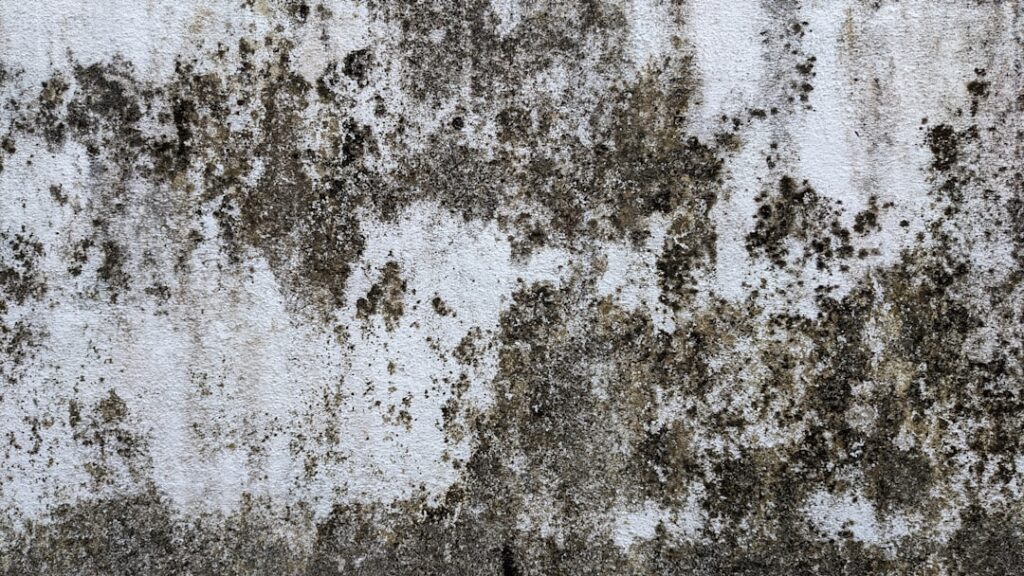
Discovering black mold on a wall sets off an understandable wave of worry. Dark, spreading patches near a window, in a corner, or behind furniture usually mean moisture has been collecting there long enough for growth to take hold. The good news is that not every dark patch is the dreaded toxic variety, and many small cases are manageable. This guide summarizes EPA and CDC guidance current as of 2026 and covers what causes black mold on a wall, how to assess it, and when to clean it yourself. Consult your physician for symptoms and a certified professional for testing.
Part of our Black Mold & Your Health guide — start there for the full picture →
Is this mold, asbestos, or water damage? Get a free instant screen
Upload a clear photo of the suspect area. You'll get an instant AI screening opinion and what to do next. This is screening guidance, not a professional determination.
Screening guidance only. AI can be wrong. Confirm asbestos, mold type, or lead with lab testing or a licensed professional before acting.
What causes black mold on a wall
Mold needs three things: moisture, a food source, and time. Walls supply all three when water gets in. Common drivers include condensation on exterior walls, roof or plumbing leaks, rising damp at floor level, and chronic high humidity in rooms without ventilation. The paper facing on drywall is an ideal food source, so growth often spreads fast once it starts. Find and fix the moisture, and you remove the condition that lets mold return.
Is it really black mold or just a stain
Dark marks on walls are not always mold. Soot from candles or a furnace, water staining, dirt accumulation, and even mildew can all look similar. True mold is usually fuzzy or slimy and often carries a musty odor, while a stain is flat and dry. A quick test is to dab the spot with a little diluted detergent on a cloth. Mold smears and spreads; a stain mostly stays put. When in doubt, sampling is the only way to be certain.
The truth about toxic black mold
The term toxic black mold usually refers to Stachybotrys chartarum, a greenish-black species that grows on very wet, cellulose-rich material. The CDC notes that no mold color reliably identifies the species, and many harmless molds also appear black. You cannot confirm Stachybotrys by sight. What matters more than the exact species is that any sizable indoor mold problem should be cleaned up promptly, regardless of color.
Health risks of wall mold
The CDC associates indoor mold exposure with nasal congestion, throat irritation, coughing, and aggravated asthma and allergy symptoms. People with weakened immune systems or chronic lung conditions may be more affected. Reactions vary widely between individuals. Health symptoms are a medical matter, so anyone feeling unwell in a moldy space should describe the pattern to a physician rather than relying on what the mold looks like.
How to assess the size of the problem
The EPA uses a rough threshold of ten square feet, about the size of a sheet of plywood, to separate do-it-yourself jobs from professional ones. Smaller patches on a non-porous, intact wall are often within reach for a homeowner. Larger areas, growth that keeps returning, or mold soaked into the drywall itself usually call for a professional. Sizing the affected area honestly is the first decision point.
Cleaning small areas safely
For a contained patch on a hard surface, the EPA recommends scrubbing with detergent and water, then drying completely. Wear an N95 respirator, gloves, and eye protection, and ventilate the room. Skip mixing cleaning chemicals, and never combine bleach with ammonia. The guide on whether bleach actually kills black mold explains why detergent and moisture control usually beat harsh chemicals on porous surfaces.
When the wall material has to go
Drywall is porous, so mold roots into it rather than sitting on top. If a patch is soft, crumbling, or stained through to the back, cleaning the surface will not solve it. In those cases the affected section is cut out and replaced. This is also where hidden growth often hides, since the visible face may show only a fraction of what is inside the cavity.
Finding the moisture source
Removal without fixing the cause guarantees a return. Trace the water: check for roof leaks above the spot, plumbing inside the wall, condensation on a poorly insulated exterior wall, or grading that pushes water against the foundation. A moisture meter helps confirm wet zones behind paint. The pillar hub on mold inspection and testing covers how professionals map moisture before any cleanup begins.
Black mold in specific rooms
Where the wall mold appears hints at the cause. Bathroom walls point to shower humidity and weak ventilation. Bedroom walls behind furniture often suffer from poor air circulation and condensation. Basement and garage walls below grade tend to deal with foundation moisture. Matching the location to the likely water path speeds up both diagnosis and a lasting fix.
Preventing wall mold from returning
Once an area is clean and dry, keep humidity in check. Run bathroom and kitchen exhaust fans, use a dehumidifier in damp basements, and aim to hold indoor humidity below about 50 percent. Improve air circulation around furniture set against exterior walls, and address leaks the moment they appear. Prevention is far cheaper than repeated removal.
When black mold keeps coming back
Recurring mold in the same spot is a signal, not a nuisance. It almost always means an unresolved moisture source: a slow leak, a condensation problem, or water entering the wall cavity. Repeated surface cleaning treats the symptom while the cause keeps feeding new growth. Persistent recurrence is a strong reason to bring in a professional who can find what surface inspection misses.
What black mold on a wall looks like up close
Up close, black mold on a wall often appears as clustered spots that merge into larger patches, sometimes with a slightly slimy or speckled texture when the surface is damp. It may show a greenish or grayish tint mixed with the black, and the edges can look fuzzy rather than sharp. Dried-out colonies appear powdery. None of these traits confirms the species, but a raised, textured, spreading patch is far more likely to be living growth than a flat stain.
How fast black mold spreads on walls
Given moisture and a food source, mold can begin colonizing drywall within a day or two and become visible within a week. The paper facing on drywall accelerates this because it is an ideal nutrient. A patch that visibly grows from one week to the next signals an active, ongoing moisture supply. The speed of spread is one reason prompt action matters: a small patch caught early is a far simpler job than one allowed to expand across a wall.
Behind-the-wall growth you can’t see
The visible patch on a wall is often the smaller part of the problem. When moisture comes from inside the cavity, a leaking pipe or condensation on the back of the drywall, growth can be extensive behind the surface while only a small spot shows through the paint. This is why professionals open suspect cavities and use moisture meters rather than judging by the visible area alone. Assuming the surface tells the whole story underestimates many wall mold problems.
Protective gear for wall mold cleanup
Even small cleanups deserve basic protection. The EPA recommends an N95 respirator, rubber gloves, and goggles that seal against splashes and spores. Open windows for ventilation, and avoid running fans that could spread spores to clean rooms. People with asthma, allergies, or weakened immune systems should avoid doing the cleanup themselves and let someone else handle it. Disposable clothing or washable work clothes that go straight into the laundry afterward limit tracking spores through the home.
Black mold and home value
Visible mold and a musty smell raise red flags during a home sale, and buyers often request remediation or a price reduction. Documenting that a wall mold problem was properly remediated, with the moisture source fixed and clearance verified, reassures buyers far more than a fresh coat of paint. Sellers who address mold honestly before listing usually fare better than those who hide it, since inspectors routinely find concealed growth and undisclosed problems can derail a deal.
Condensation versus leaks on walls
Wall mold splits broadly into two moisture types: leaks and condensation. A leak introduces water from a pipe, roof, or foundation, often producing a localized wet patch or staining that traces back to a source. Condensation, by contrast, forms when humid indoor air meets a cold wall surface, spreading mold diffusely across cold corners and behind furniture without any dripping water. Telling the two apart matters because the fixes differ: leaks need repair, while condensation needs warmer surfaces, better airflow, and lower humidity.
Bathroom and bedroom patterns
The room narrows the cause. Bathroom walls almost always reflect shower steam and weak ventilation, with growth near the ceiling, around the shower surround, and along grout lines. Bedroom walls more often show condensation mold in cold exterior corners or behind furniture pushed flat against an outside wall. Basement walls point toward foundation moisture. Matching the location to the typical pattern steers you to the right fix instead of treating every wall the same way.
Mistakes that make wall mold worse
Several common responses backfire. Painting over mold seals it in temporarily while the colony continues underneath. Scrubbing aggressively without containment spreads spores to clean rooms. Using bleach on porous drywall wets the material further while leaving roots behind. Ignoring a small patch lets it expand across the wall and into the cavity. Each of these treats the symptom while the moisture keeps feeding growth, which is why finding and fixing the water source comes before any cleanup.
Keeping a treated wall mold-free
After a wall is cleaned, dried, and the source corrected, a few habits keep it clear. Hold indoor humidity below about 50 percent, run exhaust fans in moisture-heavy rooms, and keep furniture a few inches off exterior walls so air can circulate. In damp basements, a dehumidifier earns its keep. When rebuilding a damaged section, mold-resistant drywall and primer add a margin of protection in humidity-prone areas. These steps turn a one-time fix into a lasting one.
Why bleach is often the wrong tool
Bleach is the instinctive choice for many homeowners, but it has real limits on porous walls. The EPA’s guidance for routine cleanup centers on detergent and water, not bleach. On drywall and other porous materials, bleach’s water content can soak in and feed the very growth it is meant to kill, while the active ingredient stays on the surface. Bleach also produces harsh fumes and should never be mixed with ammonia. For most wall mold, scrubbing and thorough drying outperform reaching for the bleach bottle.
Testing versus cleaning a wall patch
Homeowners often wonder whether to test a wall patch before cleaning it. For a small, visible patch with an obvious cause, the EPA’s position is to simply clean it; identifying the species rarely changes the response. Testing makes sense when a musty smell has no visible source, when growth keeps returning, when hidden cavity growth is suspected, or when a home sale or dispute requires documentation. In those cases, professional sampling with outdoor baselines turns suspicion into evidence you can act on.
When wall mold signals a structural issue
Sometimes wall mold is a symptom of a larger building problem. Persistent growth low on a basement wall can indicate foundation moisture or drainage failure. Mold that follows a specific line may trace a hidden pipe or a roof leak tracking down inside the wall. Recurring growth despite cleaning often means the structure is letting water in somewhere. Treating these cases as a structural moisture problem, rather than a surface nuisance, leads to a fix that actually holds.
When to call a professional
Call a certified mold professional when the affected area is larger than about ten square feet, when mold returns after cleaning, when it has spread inside the wall cavity, or when household members have ongoing respiratory symptoms. A professional can contain the work area, prevent cross-contamination, identify the moisture source, and verify the space is dry afterward. For a single small, clearly contained patch, careful DIY cleaning is usually reasonable.
References
- A Brief Guide to Mold, Moisture and Your Home — U.S. Environmental Protection Agency
- About Mold and Your Health — Centers for Disease Control and Prevention
- Mold Cleanup in Your Home — U.S. Environmental Protection Agency
- Mold Inspection Guidance — InterNACHI
Frequently asked questions
Is black mold on a wall always toxic?
No. Many harmless molds appear black, and no color reliably identifies the species. The CDC notes you cannot confirm toxic Stachybotrys by sight. Any sizable indoor mold should be cleaned up promptly regardless of color.
Can I clean black mold off a wall myself?
For a contained patch under about ten square feet on a hard, intact surface, yes. Scrub with detergent and water, dry fully, and wear an N95, gloves, and eye protection. Porous, soaked drywall usually needs replacing.
Why does black mold keep coming back on my wall?
Recurring mold means the moisture source was never fixed. A slow leak, condensation, or water in the wall cavity keeps feeding new growth. Surface cleaning alone treats the symptom, not the cause.
What causes black mold to grow on walls?
Mold needs moisture, a food source, and time. Walls provide all three through condensation, leaks, rising damp, or chronic high humidity. Drywall paper is an ideal food source, so growth can spread quickly.
Front Range homeowners dealing with stubborn wall mold can get connected with a qualified local inspector through our contact page to find the moisture source and confirm the cleanup is complete.