Mold on Wall: Causes, Cleanup, and Prevention
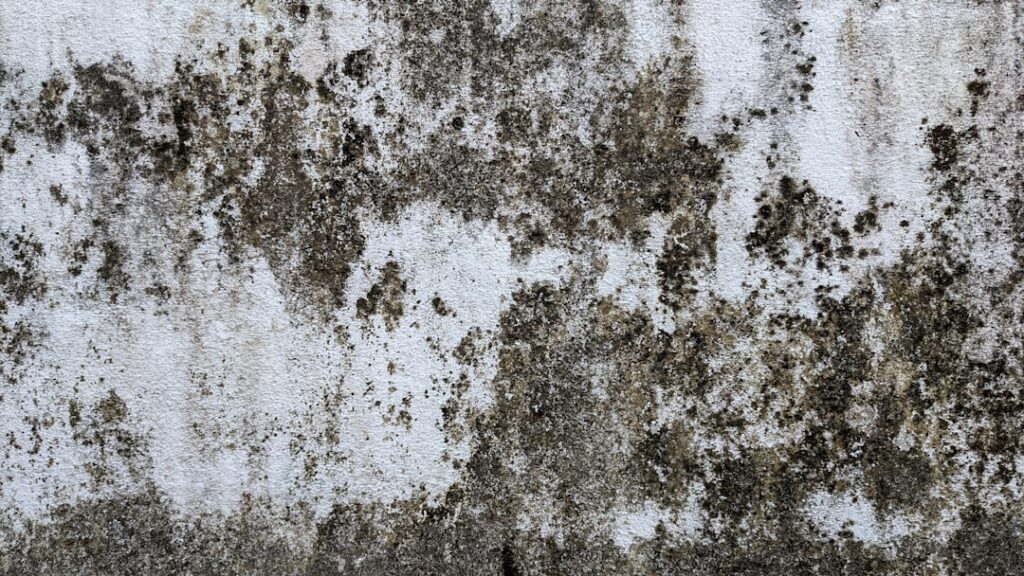
Mold on a wall is one of the most common moisture problems homeowners face, and it shows up in bedrooms, bathrooms, basements, and behind furniture alike. Wherever it appears, it carries the same message: moisture is collecting on or inside that wall. Treating the surface without addressing the water guarantees a return engagement. This guide summarizes EPA and CDC guidance current as of 2026 and walks through what causes mold on a wall, how to clean small areas safely, and how to keep it from coming back. Consult your physician for symptoms and a certified professional for testing decisions.
Is this mold, asbestos, or water damage? Get a free instant screen
Upload a clear photo of the suspect area. You'll get an instant AI screening opinion and what to do next. This is screening guidance, not a professional determination.
Screening guidance only. AI can be wrong. Confirm asbestos, mold type, or lead with lab testing or a licensed professional before acting.
What causes mold on a wall
Mold needs moisture, a food source, and time, and walls supply all three when water finds its way in. Condensation on cold exterior walls, plumbing leaks inside the wall, roof leaks tracking down, rising damp at floor level, and chronic humidity in unventilated rooms are the usual causes. Drywall’s paper facing is an ideal food source, so growth can spread quickly. Pinpointing the moisture source is the first and most important step toward a lasting fix.
Is it mold or just a stain
Not every dark mark is mold. Water stains, dirt, soot, and scuffs can all resemble it. True mold is usually fuzzy, slimy, or raised and often carries a musty odor, while a stain is flat and dry. Wiping the spot with a damp cloth helps: mold smears and may spread, while a stain mostly stays put. The guide on beginning mold on walls covers what early growth looks like before it becomes obvious.
Where wall mold tends to appear
Location offers a strong clue to the cause. Bathroom walls suffer from shower humidity and weak ventilation. Bedroom walls behind furniture or in corners often deal with poor air circulation and condensation on cold exterior surfaces. Basement and garage walls below grade face foundation moisture. Matching where the mold appears to the likely water path narrows the diagnosis before you open anything up.
Health context
The CDC links indoor mold exposure to coughing, congestion, throat and eye irritation, and worsened asthma and allergy symptoms, with sensitivity varying from person to person. People with weakened immune systems or chronic respiratory conditions may be more affected. The appearance of the mold does not diagnose a health condition. Anyone with symptoms that ease away from home should describe the pattern to a physician rather than self-treating.
How to assess the size of the problem
The EPA uses a rough ten-square-foot threshold to separate DIY cleanup from professional work. A small patch on an intact, non-porous wall may be within a homeowner’s reach. Larger areas, growth that returns, or mold that has soaked into the drywall itself usually call for a professional. Be honest about the size, since the visible patch may be only part of what is growing inside the wall.
Cleaning small areas of wall mold
For a contained patch on a hard surface, the EPA recommends scrubbing with detergent and water, then drying thoroughly. Wear an N95 respirator, gloves, and eye protection, and ventilate the room. Do not mix cleaning chemicals, and never combine bleach with ammonia. The guide on mold killer sprays for walls compares common products, though moisture control matters more than any specific cleaner.
When the wall has to be replaced
Drywall is porous, so mold roots into it rather than sitting on top. If a patch is soft, crumbling, or stained through to the back, surface cleaning will not resolve it and the section needs cutting out and replacing. This is also where concealed growth hides, since the painted face often shows a fraction of what is inside the cavity. Replacing compromised material is frequently the only durable answer.
Finding and fixing the moisture source
Removal without correcting the cause guarantees recurrence. Check for roof leaks above, plumbing inside the wall, condensation on poorly insulated exterior walls, and grading that pushes water against the foundation. A moisture meter confirms wet zones behind paint. The pillar hub on mold inspection and testing describes how professionals trace moisture before any cleanup begins.
Why painting over mold doesn’t work
Painting over mold, even with mold-resistant paint, seals the surface but not the problem. The growth continues behind the new coat because the moisture and the colony remain. Mold-resistant paint can help prevent new growth on a clean, dry surface, but it is not a treatment for existing mold. The EPA is clear that mold must be removed and the moisture corrected, not simply covered.
Preventing wall mold from returning
Once an area is clean and dry, control humidity. Run bathroom and kitchen exhaust fans, use a dehumidifier in damp basements, and aim to keep indoor humidity below about 50 percent. Improve air circulation around furniture set against exterior walls, and fix leaks the moment they appear. In Colorado’s dry climate, targeted humidity control in bathrooms and basements usually does the job.
Condensation as a hidden cause
Many wall mold problems are not leaks at all but condensation. When warm, humid indoor air meets a cold exterior wall, moisture condenses on the surface, especially behind furniture or in poorly heated corners where air does not circulate. This is common on north-facing walls and in bedrooms during cold months. Because there is no dripping leak to find, condensation-driven mold is often misdiagnosed. The fix is warmer surfaces, better airflow, and lower indoor humidity rather than hunting for a pipe.
Bathroom walls versus bedroom walls
Where wall mold appears narrows the likely cause. Bathroom walls almost always reflect shower humidity and weak ventilation, with growth concentrating around the shower, near the ceiling, or along grout. Bedroom and living-room walls more often show condensation mold in cold corners or behind furniture pushed against exterior walls. Basement walls point to foundation moisture. Matching the room to the pattern speeds diagnosis and steers you toward the right fix rather than a generic cleanup.
The role of ventilation
Poor ventilation is behind a large share of wall mold. Rooms that trap humid air, bathrooms without working fans, bedrooms kept closed, basements with little airflow, give moisture nowhere to escape, so it settles on walls. Improving ventilation with exhaust fans, open interior doors, and in damp spaces a dehumidifier addresses the root condition. Without adequate airflow, even a freshly cleaned wall tends to grow mold again once humidity rebuilds.
Mold-resistant materials for repairs
When wall material has to be replaced, the rebuild is a chance to reduce future risk. Mold-resistant drywall, sometimes called green board or purple board, and mold-resistant primers resist growth better than standard materials in damp-prone areas like bathrooms and basements. These products are not immune to mold if moisture persists, but on a properly dried wall with the source fixed, they add a margin of protection. They are worth considering for any repair in a humidity-prone room.
How professionals verify the fix
A professional does not consider wall mold resolved until the area is dry, the growth is removed, the moisture source is corrected, and the readings confirm it. Moisture meters verify the wall and cavity are dry, and clearance testing can confirm spore levels returned to normal. This verification matters because wall mold so often hides inside the cavity, where a surface that looks clean can sit over lingering dampness. Confirming dryness is what separates a lasting repair from a temporary one.
Early signs before mold becomes obvious
Wall mold rarely appears fully formed. Early signs include small clusters of dark or greenish specks, a faint musty smell near the wall, slight discoloration, and paint that bubbles or peels as moisture works behind it. Catching these early signs lets you address a small problem before it spreads across the wall and into the cavity. A periodic glance at moisture-prone walls, behind furniture, in bathroom corners, and along basement walls, catches trouble while cleanup is still simple.
Should you test the wall
Testing is not always necessary. If you can see a small mold patch with an obvious cause, the EPA’s guidance is to clean it rather than test. Testing earns its place when a musty smell has no visible source, when growth keeps returning, when you suspect hidden growth in the cavity, or when a home sale or dispute hinges on documentation. In those cases, professional air or surface sampling with outdoor baselines turns suspicion into a documented finding you can act on.
The full prevention checklist
A durable defense against wall mold combines several habits. Keep indoor humidity below about 50 percent, run exhaust fans in bathrooms and kitchens, and use a dehumidifier in damp basements. Improve airflow around furniture on exterior walls, insulate cold walls to reduce condensation, and fix leaks immediately. Direct downspouts and grading away from the foundation to keep basement walls dry. Together these measures address the moisture that every wall mold problem depends on, making recurrence far less likely.
Why mold keeps returning to the same spot
Mold that reappears in the same place after cleaning is sending a message: the moisture source was never fixed. A slow leak inside the wall, ongoing condensation on a cold surface, or water entering the cavity keeps feeding new growth no matter how often the surface is scrubbed. Recurrence is not bad luck; it is a sign that the underlying water problem persists. The only durable response is to stop treating the symptom and find what is keeping the wall damp.
Basement walls and foundation moisture
Basement walls are a special case because the moisture often comes through the foundation. Hydrostatic pressure pushes groundwater through concrete, condensation forms on cool below-grade walls, and poor exterior drainage sends water toward the foundation. Mold low on a basement wall usually reflects one of these. Addressing it means improving exterior grading and drainage, managing humidity with a dehumidifier, and sometimes sealing the foundation, rather than simply cleaning the visible growth that the moisture keeps regenerating.
What replacement involves
When drywall is too saturated to clean, replacement is the realistic fix. The affected section is cut out back to clean, dry material, the cavity is inspected and dried, the moisture source is corrected, and new material goes in, ideally mold-resistant board in a damp-prone room. This is more involved than cleaning but is the only way to remove mold that has rooted into the material. Done properly, with the source fixed, it ends the cycle rather than postponing it.
When to call a professional
Call a certified professional when the affected area exceeds about ten square feet, when mold returns after cleaning, when it has spread inside the wall cavity, when a hidden leak is suspected, or when household members have respiratory symptoms. A professional can find concealed moisture, contain the work, remove compromised materials, and verify the result. For a single small, dry, isolated patch on a hard surface, careful DIY cleaning following EPA guidance is usually reasonable.
References
- Mold Cleanup in Your Home — U.S. Environmental Protection Agency
- About Mold and Your Health — Centers for Disease Control and Prevention
- A Brief Guide to Mold, Moisture and Your Home — U.S. Environmental Protection Agency
- Mold Inspection Guidance — InterNACHI
Front Range homeowners battling recurring wall mold can reach out through our contact page to connect with a vetted local inspector who can locate the moisture source and confirm the fix.