How to Kill Black Mold: A Plain-Language Guide
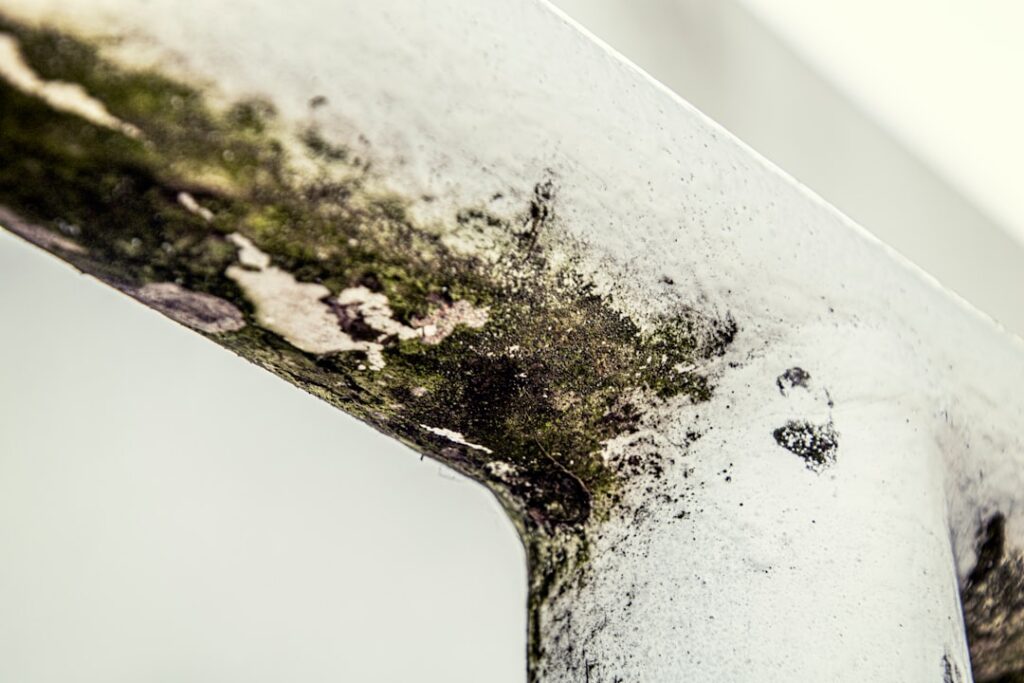
The phrase “how to kill black mold” is everywhere, but the more useful goal is to remove it and keep the area dry. The EPA emphasizes physical removal over chemical killing because even dead mold can trigger allergic reactions. Color does not identify a species or its hazard, so black mold gets the same treatment as any other. This guide summarizes EPA and CDC guidance current as of 2026; consult a certified professional for testing decisions and your physician for health concerns. Front Range homeowners most often confront black mold after basement leaks, ice dams, and chronic bathroom humidity.
Is this mold, asbestos, or water damage? Get a free instant screen
Upload a clear photo of the suspect area. You'll get an instant AI screening opinion and what to do next. This is screening guidance, not a professional determination.
Screening guidance only. AI can be wrong. Confirm asbestos, mold type, or lead with lab testing or a licensed professional before acting.
Why “Kill” Is the Wrong Frame
Mold is not a germ you sterilize and forget. A surface that looks dead but stays damp grows new mold quickly, and dead spores still cause reactions. The EPA’s guidance centers on physically removing the mold and the material it grew on, then drying. Shifting from “kill it” to “remove it and keep it dry” leads to methods that actually last.
First, Scope the Job
The EPA’s rule of thumb lets homeowners handle areas under about 10 square feet. Larger areas, mold after sewage or flooding, or growth inside HVAC systems call for a professional. People with asthma, allergies, or weakened immune systems should not perform the work themselves. Decide honestly before you start.
Protective Gear
Wear an N95 respirator, nitrile or rubber gloves past the wrist, and non-vented goggles. Use clothing you can wash hot or discard. Ventilate to the outdoors while sealing interior doorways and turning off central air so disturbed spores do not spread through the house.
Removing Mold From Hard Surfaces
On tile, glass, metal, or sealed surfaces, scrub the growth with detergent and water, rinse, and dry. The EPA notes physical removal matters more than chemical killing, so the goal is getting the mold fully off the surface, not just bleaching the color. Our companion guide to getting rid of black mold walks through the same steps in detail.
What to Do With Porous Materials
Drywall, carpet, insulation, and ceiling tiles let mold root deep, beyond the reach of any cleaner. The EPA recommends removing and replacing heavily affected porous materials rather than treating them in place. No product changes this; the material itself has to go.
Do Chemicals Actually Help?
Detergent and water is the EPA baseline. Vinegar and hydrogen peroxide can assist on hard, non-porous surfaces. Bleach is overrated: its water soaks into porous materials while the disinfectant stays on top, and it can lighten a stain while living mold persists in grout or seams. Never mix products. Our guide to what kills mold compares them honestly.
The Stain-Lightening Illusion
Bleaching a dark stain pale is not the same as removing the colony. Homeowners often declare victory when the discoloration fades, only to see growth return because the mold and moisture remained.
Dry the Area Completely
Removal is unfinished until the area dries below the level where mold regrows. Run fans and a dehumidifier, and verify dryness before rebuilding or repainting. The CDC recommends keeping indoor humidity below 60 percent. In Colorado’s dry air, surfaces dry quickly, but moisture trapped behind vapor barriers lingers and needs checking.
Fix the Moisture Source
Black mold returns wherever water keeps arriving. Trace the leak, condensation, or humidity problem to its origin and correct it, or expect a repeat within 24 to 48 hours. Common Front Range sources include foundation seepage, failing window seals, and roof leaks after heavy snow. Our overview on how to stop mold from growing covers the durable approach.
Do Natural Remedies Kill Black Mold?
Vinegar, hydrogen peroxide, tea tree oil, and baking soda all appear in home remedies. On hard, non-porous surfaces, several can assist when combined with scrubbing and drying. None reaches mold embedded in porous materials, and none substitutes for moisture control. Natural products are not inherently more effective than detergent and water, which remains the EPA baseline. Use them as optional surface helpers if you prefer, but do not expect any of them to solve a problem rooted in an active leak.
Killing Black Mold in the Bathroom
Bathrooms breed black mold through constant humidity. Scrub tile and glass with detergent and water and dry them. Grout holds mold in its pores, so a baking soda paste and a brush help, with regrouting when staining penetrates. Caulk that has blackened through is best cut out and replaced. The durable fix is ventilation: run the exhaust fan during and after showers. Our guide to cleaning shower mold covers the bathroom case in detail.
Killing Black Mold in the Basement
Basements combine below-grade dampness and poor airflow. Remove moldy drywall, carpet, and insulation, clean salvageable masonry and framing, and dry the space with fans and a dehumidifier. Then fix the water: improve exterior drainage, seal the sump pit, and direct snowmelt away from the foundation. On the Front Range, foundation seepage after snowmelt is a frequent trigger that must be corrected, or the mold returns no matter how thoroughly you clean.
Why Moisture Control Beats Any Product
The reason no spray kills black mold for good is simple: spores are always present, and they regrow the moment a surface gets wet. Controlling moisture, keeping humidity in the 30 to 50 percent range, fixing leaks, and drying wet materials within 24 to 48 hours, is the only durable defense. A dehumidifier in a damp basement does more than any cleaner. Our overview on preventing mold growth through building science details the moisture fixes that matter.
Safety Reminders
Never mix cleaning products; combining bleach with ammonia or vinegar releases toxic gases. Always ventilate to the outdoors and wear an N95 respirator, gloves, and goggles when disturbing mold. Keep children, pets, and anyone with respiratory conditions out of the work area. The CDC associates mold exposure with allergic and respiratory reactions in sensitive people, so the gear matters even on a small job. If you feel unwell during the work, stop and consult a physician.
Killing Black Mold on Walls
On painted drywall with light surface growth and intact paint, careful cleaning and thorough drying may suffice. When the drywall is soaked, soft, or the staining returns, the porous core is contaminated and that section should be cut out and replaced. Always check the wall cavity behind it for hidden growth and lingering moisture before closing it up. Our overview on mold removal from walls walks through removing and replacing affected drywall safely.
Killing Black Mold on Wood and Framing
Wood framing and subfloor are usually structural and worth saving. Surface black mold on sound wood can be HEPA-vacuumed and scrubbed with detergent and water, then dried thoroughly. Light sanding sometimes lifts staining once the wood is dry. If the wood is soft, crumbling, or rotting, it has structural damage beyond a cleaning problem and may need replacement. Verify dryness with a moisture meter before sealing or painting, since trapped moisture restarts growth.
Disposing of Contaminated Materials
Bag porous debris inside the contained work area before carrying it out, and seal the bags so spores do not shed onto clean surfaces. Most household quantities of moldy drywall and insulation go out with regular construction debris, though large volumes may carry local disposal requirements worth checking. Wipe down tools and equipment before leaving the work zone, and launder work clothes separately in hot water. Careful disposal keeps you from spreading the problem during cleanup.
Verifying Black Mold Is Truly Gone
After cleaning and drying, confirm materials are genuinely dry with a moisture meter rather than relying on touch, then watch the area through the next wet season. Returning stains or a musty odor mean the moisture source was missed. Keep indoor humidity in the 30 to 50 percent range to discourage regrowth. For larger jobs, independent clearance testing confirms the work succeeded. Our overview on keeping mold from growing covers the monitoring that makes results last.
When to Call a Professional
Handle small surface mold yourself. Call a certified remediation firm for areas over about 10 square feet, contamination after flooding or sewage, HVAC involvement, or when occupants are medically vulnerable. Ask for a written scope, confirm containment and HEPA equipment, and arrange independent clearance testing. A pro removes affected materials and verifies the result rather than relying on a spray.
Killing Black Mold in the Attic
Attic black mold usually grows on roof sheathing from trapped moisture, poor ventilation, roof leaks, or exhaust fans venting into the attic. Surface growth on sound sheathing can be HEPA-vacuumed and scrubbed, but moldy insulation comes out. The durable fix is correcting ventilation and rerouting any vents to discharge outdoors. Because attics are confined and the work often overlaps with roofing, extensive attic black mold frequently warrants a professional. Our guide to preventing mold growth covers the ventilation principles involved.
Why Stronger Chemicals Are Not the Answer
When black mold persists, the instinct is to reach for a harsher product, but that rarely helps. Mold in porous materials survives any surface chemical, and a stronger spray on a damp wall still loses to the moisture feeding the growth. The EPA’s guidance points the other way: remove the material, dry the area, and fix the water. Escalating chemicals while ignoring the source wastes effort and can damage finishes. The solution is structural and moisture-based, not chemical strength.
Confirming the Mold Is Gone for Good
After cleaning, check that staining and odor are gone, that surrounding materials are dry by meter, and that the moisture source is repaired. Black mold often extends beyond the visible patch, so inspect the area around and behind it. For larger jobs, independent clearance testing gives objective confirmation before reconstruction. Regrowth within weeks signals a missed water source rather than poor cleaning, so trace the moisture before considering the job complete and rebuilding the space.
Preventing Black Mold From Returning
The final step is moisture control, the only thing that truly keeps black mold dead. Keep indoor humidity in the 30 to 50 percent range, run bathroom and kitchen exhaust fans, fix leaks promptly, and dry wet materials within 24 to 48 hours. Direct gutter downspouts away from the foundation and grade soil to shed water. In basements, a sealed sump pit and a properly sized dehumidifier make a lasting difference. Our overview on keeping mold from growing details the routines that hold.
The Bottom Line on Killing Black Mold
No spray kills black mold permanently while moisture remains, because spores regrow the moment a surface gets wet. The durable answer is to remove the growth and any soaked materials, dry the area below the point of regrowth, and fix the water source. Protective gear keeps you safe, and verification confirms success. Reframing the task from killing to removing and keeping dry is what leads to results that last rather than a stain that fades and returns. The method, not the chemical, is what matters.
References
- Mold Cleanup in Your Home — U.S. Environmental Protection Agency
- Mold Frequently Asked Questions — Centers for Disease Control and Prevention
- A Brief Guide to Mold, Moisture and Your Home — U.S. Environmental Protection Agency
- About Mold and Health — Centers for Disease Control and Prevention
If black mold keeps coming back and you’re along the Front Range, a vetted inspector can locate the moisture feeding it. Reach out through our contact page, or explore our mold inspection and testing hub.
Mold removal & cleanup picks
For a small, contained patch (under ~10 sq ft) these EPA-friendly removers handle surface mold. Larger or recurring growth warrants a professional assessment first.
| Product | Why | Buy |
|---|---|---|
 RMR-86 Instant Mold Stain Remover RMR-86 Instant Mold Stain Remover | Fast-acting on stains; ventilate and wear PPE. | Amazon — $25.99 |
 Concrobium Mold Control Concrobium Mold Control | No-bleach formula that also helps prevent regrowth. | Amazon — $13.48 |
 Mold Armor Mold & Mildew Remover Mold Armor Mold & Mildew Remover | Widely stocked bathroom/surface remover. | Amazon — $22.98 |