What Kills Mold: A Plain-Language Guide
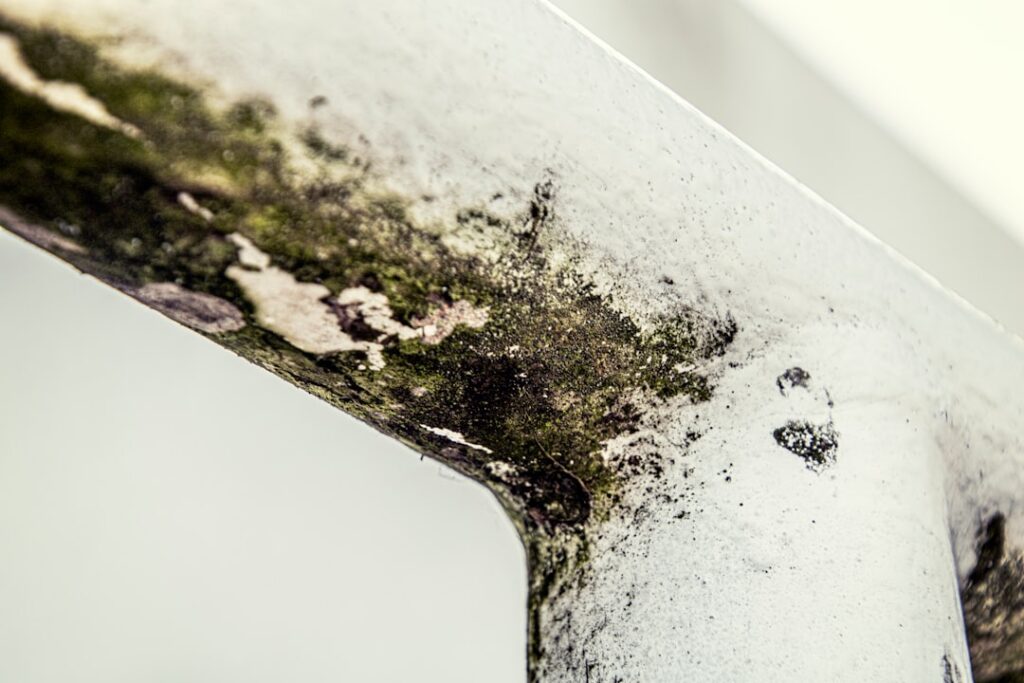
The honest answer to what kills mold is that physical removal plus controlling moisture beats any single product. Spray bottles get the attention, but the EPA emphasizes that getting mold off surfaces and keeping materials dry matters more than chemically killing it. This guide summarizes EPA and CDC guidance current as of 2026; consult a certified professional for testing decisions and your physician for health concerns. For Front Range homeowners sorting through cleaners and home remedies, this breakdown separates what actually works from what just looks satisfying.
Is this mold, asbestos, or water damage? Get a free instant screen
Upload a clear photo of the suspect area. You'll get an instant AI screening opinion and what to do next. This is screening guidance, not a professional determination.
Screening guidance only. AI can be wrong. Confirm asbestos, mold type, or lead with lab testing or a licensed professional before acting.
The Key Idea: Removal Over Killing
Mold is not like a germ you sterilize and forget. Even dead mold can trigger allergic reactions, so the EPA’s guidance centers on physically removing it and the material it grew on, then drying the area. A surface that looks clean but stays damp will grow mold again. Reframing the goal from “kill” to “remove and keep dry” changes which methods make sense.
Detergent and Water
The EPA’s baseline recommendation for hard surfaces is plain detergent and water with a scrub brush. It lifts mold off non-porous materials reliably and carries no fumes. Follow it with thorough drying. This unglamorous method is the workhorse of routine mold cleanup and handles most small jobs.
Vinegar
White vinegar is a popular home remedy that can address some surface mold on hard, non-porous materials. It is mild and low-fume, which makes it convenient. On porous materials, though, it cannot reach embedded growth, so its value is limited to surfaces you can fully clean and dry. Treat it as a helper, not a cure-all.
Bleach: The Overrated Default
Bleach dominates mold folklore, but the EPA does not list it as a required step. On porous materials, the water in bleach soaks in while the disinfectant stays on top, sometimes feeding regrowth. Bleach can lighten stains on hard surfaces, which makes the area look clean even when mold remains in porous layers. Never mix bleach with ammonia. Our guide to the best thing for mold expands on this.
Why “It Looks Gone” Is Misleading
Lightening a stain is not the same as removing the colony. Bleach can bleach the discoloration while living mold persists in grout, caulk, or drywall, leading homeowners to declare victory too early.
Hydrogen Peroxide and Other Products
Hydrogen peroxide is another surface option some homeowners use on hard materials. As with vinegar, it works best where you can scrub and dry completely. Commercial mold cleaners vary; the active step is still physical removal, not the spray sitting on the surface. Read labels, ventilate, and never combine products.
What Doesn’t Kill Mold for Good
No product overcomes a moisture problem. Spraying a cleaner on growth fed by an active leak buys days at most. Painting over mold, including with mold-resistant paint, traps it rather than removing it. The single biggest mistake is treating the stain while ignoring the water. Our overview on how to stop mold from growing covers the durable approach.
The Real Fix: Moisture Control
The CDC’s guidance is consistent: keep indoor humidity below 60 percent, ideally 30 to 50 percent, fix leaks promptly, and dry wet materials within 24 to 48 hours. Mold cannot grow without moisture, so controlling water is what actually keeps it dead. Front Range homeowners should watch swamp-cooler humidity, basement seepage, and bathroom ventilation in particular.
Porous Materials: Remove, Don’t Treat
Drywall, carpet, insulation, and ceiling tiles harbor mold deep inside, beyond the reach of any spray. The EPA recommends removing and replacing heavily affected porous materials rather than trying to kill the mold in place. No product changes this; the material itself has to go.
Tea Tree Oil and Other Natural Remedies
Tea tree oil, grapefruit seed extract, and similar natural products circulate widely as mold cures. On hard, non-porous surfaces they may help when paired with scrubbing and drying, but they share the same limitation as vinegar: they cannot reach mold embedded in porous materials. Natural does not mean more effective, and some essential oils carry strong fumes that warrant ventilation. Treat these as optional surface helpers, not replacements for physical removal and moisture control.
What Works on Different Materials
The right approach depends on the surface. Hard, non-porous materials, tile, glass, metal, sealed countertops, respond well to detergent, scrubbing, and drying. Semi-porous materials like wood and concrete can often be cleaned because they are structural and worth saving, though deep growth may require sanding or professional treatment. Porous materials, drywall, carpet, insulation, ceiling tiles, generally cannot be salvaged and should be removed. Matching method to material is what determines whether cleaning actually works.
Why Killing Mold Is Not the Goal
It bears repeating because so much marketing implies otherwise: the EPA’s guidance centers on removal, not killing. A product that kills mold but leaves the dead residue on a surface still leaves allergens behind, and a killed colony on a damp surface is quickly replaced by new growth. Reframing the goal as remove and keep dry steers you toward methods that last. Our guide to methods that actually work on mold expands on this distinction.
The Dehumidifier as a Mold Tool
If one device deserves a place in a mold-prone home, it is a dehumidifier rather than a spray. Keeping indoor humidity in the 30 to 50 percent range, as the CDC advises, removes the condition mold depends on. In Front Range basements and laundry rooms, a properly sized dehumidifier does more to suppress mold than any cleaner. Pair it with a humidity monitor so you know when levels climb. Controlling moisture is the closest thing there is to actually killing mold for good.
Products and Combinations to Avoid
Never mix cleaning products. Combining bleach with ammonia or with vinegar produces toxic gases that can cause serious harm. Avoid sealing or painting over mold, which traps it rather than removing it. Be skeptical of any product promising to permanently eliminate mold, since spores exist in all indoor air and no spray changes that. The safest, most effective toolkit is unglamorous: detergent, water, a scrub brush, protective gear, and a dehumidifier.
Does Heat or UV Light Kill Mold?
Sunlight and UV exposure can inhibit some surface mold, which is why items dried in direct sun fare better, but UV does not penetrate porous materials or reach mold inside walls. Heat treatments and ozone generators are sometimes marketed for mold; the EPA cautions that ozone is a lung irritant and not a recommended consumer fix. Neither heat nor light replaces physical removal and moisture control. Treat these as marginal helpers at best, not solutions you can rely on for a real mold problem.
What About Mold-Resistant Paint?
Mold-resistant and antimicrobial paints can slow growth on a clean, dry surface, but they are a preventive coating, not a treatment. Painting over existing mold traps it, and the growth resumes beneath the new coat while moisture remains. Use these paints only after the surface is fully cleaned, dried, and the moisture source fixed. On a damp wall, even the best mold-resistant paint fails. The order matters: clean and dry first, then consider a resistant finish as added insurance.
Why Drying Is the Step That Seals the Deal
Even the most effective removal fails if the area stays damp. Mold can re-establish within 24 to 48 hours of a surface getting wet, so drying is not an afterthought but the step that makes everything else hold. Use fans and a dehumidifier, and confirm dryness with a moisture meter rather than touch. Materials should read close to their normal dry baseline before you repaint or rebuild. Skipping or rushing this step is the single most common reason a cleaned area grows mold again.
Matching the Method to the Situation
The right answer to what kills mold depends on where it is. A small spot of surface mold on tile calls for detergent, a brush, and drying. Mold soaked into drywall calls for removal of that material, not a stronger spray. Hidden mold behind a wall calls for a professional to find the source. Recurring mold calls for moisture diagnosis. Reaching for a more aggressive chemical when the real issue is a porous material or an unfixed leak wastes effort. Our guide to the best thing for mold matches approaches to scenarios.
When to Call a Professional
Handle small surface mold under about 10 square feet yourself with detergent, scrubbing, and drying. Call a certified professional for larger areas, hidden mold, contamination after flooding or sewage, HVAC involvement, or when occupants are medically vulnerable. A pro removes affected materials, dries the structure, and verifies the result rather than relying on a spray bottle.
What Kills Mold on Outdoor Surfaces
Decks, siding, fences, and concrete grow mold and algae outdoors, and the same principle applies: physical removal plus addressing why the surface stays wet matters more than the cleaner. Pressure washing with an appropriate exterior product handles most outdoor growth, but avoid driving water into siding seams where it can feed interior mold. Shade, poor drainage, and clogged gutters keep surfaces damp, so trimming vegetation and clearing gutters does more for lasting control than any spray applied to the symptom.
What Kills Mold Smell
The musty odor of mold comes from compounds the growth releases, so the odor disappears only when the mold is removed and the area dried, not when it is masked. Air fresheners and ozone treatments cover or chemically alter the smell without addressing the source, and ozone is a lung irritant the EPA does not recommend for occupied spaces. If a musty smell persists after cleaning, hidden mold or lingering moisture remains. Our guide to finding mold in your house helps track down the source.
Building the Right Toolkit
The most effective anti-mold toolkit is unglamorous: detergent, water, a scrub brush, an N95 respirator, gloves, plastic sheeting for containment, and a dehumidifier with a humidity monitor. Notice that most of these target removal and moisture rather than killing. That reflects the EPA’s central message. Homeowners who invest in moisture control and physical removal, instead of chasing the strongest spray, get durable results. Keeping humidity in the 30 to 50 percent range does more than any chemical to keep mold from coming back.
When Killing Mold Requires a Professional
Some mold problems are beyond any product or DIY method. Mold inside HVAC systems can spread spores house-wide every time the system runs, hidden mold behind walls needs specialized location tools, and contamination after flooding or sewage carries added hazards. In these cases, the question is not which product kills mold but which professional has the containment, drying, and verification equipment to do it safely. Recognizing when a problem has outgrown the spray bottle is itself part of knowing what truly resolves mold for good.
References
- Mold Cleanup in Your Home — U.S. Environmental Protection Agency
- About Mold and Health — Centers for Disease Control and Prevention
- A Brief Guide to Mold, Moisture and Your Home — U.S. Environmental Protection Agency
- Mold Frequently Asked Questions — Centers for Disease Control and Prevention
If you’re on the Front Range and want a vetted inspector to find the moisture behind a stubborn mold problem, reach out through our contact page. For testing and inspection basics, see our mold inspection hub.