What Kills Mold Spores: A Plain-Language Guide
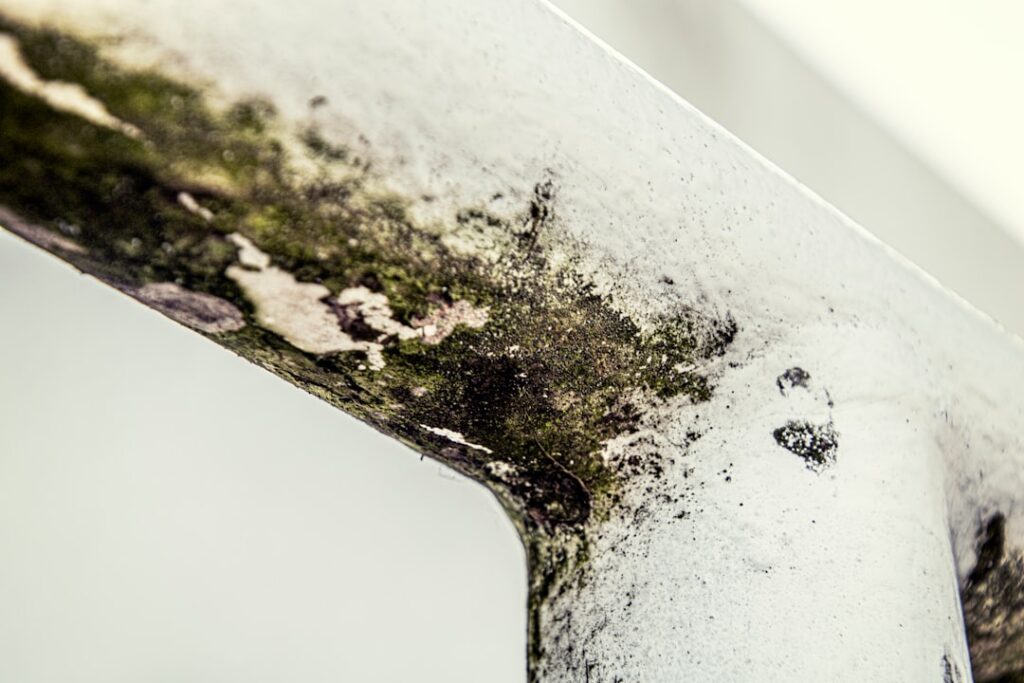
Homeowners often assume there’s a product that simply “kills mold spores” and ends the problem. The truth is more useful once you understand it: spores are everywhere, indoors and out, and you can’t sterilize a house. What you can do is remove active growth, deny spores the moisture they need to germinate, and keep surfaces dry so the spores that remain stay dormant. This guide summarizes EPA and CDC guidance current as of 2026 and is informational only; consult a physician about health symptoms and a certified professional for larger or recurring growth.
Is this mold, asbestos, or water damage? Get a free instant screen
Upload a clear photo of the suspect area. You'll get an instant AI screening opinion and what to do next. This is screening guidance, not a professional determination.
Screening guidance only. AI can be wrong. Confirm asbestos, mold type, or lead with lab testing or a licensed professional before acting.
What Actually Kills Mold Spores?
Several agents can kill or inactivate mold spores on a surface — physical removal by scrubbing and HEPA vacuuming, detergent and water, hydrogen peroxide, vinegar, certain EPA-registered fungicides, and high heat. But here is the key point the marketing skips: killing the spores you can reach does not stop new spores from settling, because mold spores are a normal part of indoor and outdoor air. The CDC and EPA both stress that you cannot and need not eliminate all spores from a home. What matters is removing visible growth and controlling moisture so spores can’t germinate.
In other words, “killing spores” is the wrong goal. Dead spores can still cause allergic reactions, and a perfectly disinfected surface will re-collect spores within hours. The durable solution is a dry surface, not a sterile one. Our broader mold inspection and testing hub explains why moisture control, not disinfection, is the center of every credible plan.
Why Moisture Matters More Than Any Killer
Spores need moisture, a food source (most building materials qualify), and time to grow. Of those, moisture is the only variable a homeowner reliably controls. The EPA’s entire mold strategy is built on this: remove the growth, then fix the water. Keep relative humidity below about 50% and surfaces dry, and the spores in your air simply have nothing to colonize.
This is why pouring bleach on a damp basement wall fails. The bleach may remove visible staining, but the wall stays damp, fresh spores settle, and growth resumes. The same spending on a dehumidifier would prevent the problem. For chronically damp spaces, see our guide on basement mold and moisture.
Comparing the Common “Spore Killers”
Detergent and water
The CDC’s first recommendation for hard surfaces. Physical scrubbing removes growth and spores mechanically; drying afterward prevents return. Cheap, low-hazard, and effective when done thoroughly.
Hydrogen peroxide and vinegar
About 3% hydrogen peroxide and undiluted white vinegar can inactivate surface mold on many non-porous materials with fewer fumes than bleach. Good for small jobs; not a fix for colonized porous material.
Bleach
Removes staining on non-porous surfaces but is not EPA-recommended for routine mold cleanup. It is mostly water, so it can wet porous materials, and it doesn’t penetrate to reach embedded growth. Never mix with ammonia. Our explainer on bleach and black mold covers the trade-offs.
HEPA vacuuming and air filtration
HEPA filtration captures spores rather than killing them, which is exactly what professionals want during remediation. HEPA air scrubbers reduce airborne spore counts in a contained work area, and HEPA-rated vacuums remove settled spores from cleaned surfaces.
UV light and ozone
Marketed aggressively, these have real limits indoors. UV only affects surfaces in direct line of sight, and ozone generators produce a lung irritant the EPA warns against using in occupied spaces. Neither addresses the moisture driving growth.
What Doesn’t Work (and Why)
The recurring theme of failed mold cleanup is treating the symptom while ignoring the cause. Spraying cleaner on visible mold without fixing the leak, painting over growth with “mold-resistant” paint on a damp wall, or running an ozone machine in a humid basement all share the same flaw — they don’t remove the moisture. Mold-resistant paint and additives can help on already-dry surfaces as a supplement, but they’re not a treatment for active growth. Likewise, fogging a house with a biocide may knock down airborne counts briefly, but counts rebound as outdoor air exchanges back in. The CDC’s guidance is consistent: remove the growth, fix the water, keep it dry.
Safe Removal That Actually Reduces Spores
The most effective way to reduce the spores tied to a growth problem is to remove the growth correctly. For small jobs, wear an N95 respirator, gloves, and eye protection. Mist the moldy area lightly to suppress airborne spores, scrub non-porous and semi-porous surfaces with detergent, and cut out and bag heavily colonized porous materials like drywall and carpet. Turn off the HVAC during the work and seal the area so spores don’t migrate. Then dry everything thoroughly. This sequence removes far more spores than any spray-and-wipe, because it eliminates the source rather than treating its surface.
People with asthma, allergies, or weakened immune systems should not perform this work; the CDC notes those groups are more vulnerable to exposure during cleanup.
Keeping Spore Counts Low Long Term
Since you can’t eliminate spores, the goal is a home where they can’t grow. Keep humidity below 50% with ventilation and, where needed, a dehumidifier. Fix leaks within 24 to 48 hours. Ventilate bathrooms and kitchens, insulate surfaces prone to condensation, and direct water away from the foundation. Changing HVAC filters and keeping coils and condensate lines clean prevents the system from becoming a spore distributor. These habits do more to control indoor mold than any product labeled a “spore killer.”
Heat, Cold, and Drying as Spore Controls
Beyond chemicals, physical conditions affect spores in ways worth understanding. High heat can inactivate spores on surfaces — which is part of why a hot dryer helps with moldy fabric — but you can’t realistically heat a whole building hot enough to sterilize it, and the heat does nothing about the moisture that lets new spores grow. Cold has even less effect: freezing temperatures make spores dormant but don’t kill them, which is why mold paused by winter cold resumes growing when conditions warm and dampen. Drying is the genuinely effective physical control, because removing moisture denies spores the one thing they need to germinate.
This is why restoration professionals treat structural drying as the decisive step after any water event. Fans, dehumidifiers, and sometimes heat are deployed not to “kill” spores but to bring materials below the moisture level at which spores can grow. The same logic scales to daily life: a bathroom that dries quickly after a shower, a basement held below 50% humidity, and laundry dried promptly all keep ever-present spores dormant. Control the water and you control the mold, regardless of what the spore-killing product aisle promises.
Dormant vs Active Spores: The Key Distinction
Understanding the difference between dormant and active spores reframes the entire question of “killing” them. A dormant spore is essentially a seed waiting for the right conditions; it is inert, harmless to building materials, and present in the air everywhere whether your home is clean or not. An active, germinating spore is one that has landed on a damp surface and begun growing into a colony — that is what damages materials and produces the bulk of the spores and odors people notice.
The practical implication is that you don’t need to kill dormant spores, and you can’t, because new ones arrive constantly from outdoors. What you need is to prevent germination, and the only switch that controls germination is moisture. A dry surface keeps spores dormant indefinitely; a wet surface flips them active within a day or two. This is also why dead spores still matter for allergy sufferers — killing a spore doesn’t remove the allergenic proteins it carries, so the CDC’s emphasis on physically removing growth, not just disinfecting it, makes sense. Removal takes the allergens out of the home; a biocide that kills spores in place leaves them behind to be inhaled.
How Mold Spores Spread Indoors
Understanding how spores move explains why “killing” them is the wrong frame. Spores are microscopic and constantly drift in from outdoors through open doors, windows, and ventilation, and they hitch rides on clothing, shoes, and pets. Indoors, air currents from HVAC systems, fans, and even foot traffic keep them aloft and redistribute them. When you disturb existing growth — by scrubbing it dry, for instance — you can release a large burst of spores into the air at once, which is exactly why misting the area first and containing it matter.
This constant movement is why a sterilized surface re-collects spores within hours and why fogging a house produces only a temporary dip in airborne counts. The spores you eliminate are immediately replaced by the normal background population. The only variable that determines whether those ever-present spores become a problem is whether they land somewhere damp enough to germinate. Control the moisture and the spores stay inert; leave a surface wet and no amount of killing keeps up with what settles next.
Do Air Purifiers and HVAC Filters Help?
Air filtration has a real but limited role. A portable air purifier with a true HEPA filter captures airborne spores that pass through it, lowering counts in the room while it runs. Upgrading an HVAC filter to a higher MERV rating (within what the system can handle) similarly removes more spores as air circulates. These steps can ease symptoms for sensitive people and are genuinely useful during and after cleanup.
What filtration cannot do is solve a moisture problem. A purifier humming in a damp basement removes some airborne spores while growth continues on the wall behind it, releasing new ones faster than the filter clears them. The Department of Energy and EPA both frame filtration as a complement to source control, not a substitute. Keeping coils, drain pans, and condensate lines clean also prevents the HVAC system itself from becoming a spore source — a point our guide on HVAC mold remediation develops further.
Reference Levels and Why Testing Spore Counts Is Tricky
Homeowners sometimes pay for air sampling that reports spore counts, expecting a clear pass-or-fail number. There is no government health-based threshold for indoor mold spore concentrations, so labs typically compare an indoor sample to a simultaneous outdoor one. A reasonable result is indoor counts at or below outdoor counts with a similar mix of species; markedly higher indoor counts, or species not present outdoors, suggest an indoor source. But counts fluctuate hour to hour with activity, weather, and ventilation, so a single sample is a snapshot, not a verdict. The EPA’s position remains that if you can see or smell mold, testing is usually unnecessary — the response is to remove growth and fix moisture regardless of the number.
When to Call a Professional
Call a professional if growth covers more than about 10 square feet, recurs after cleaning, is inside the HVAC system, follows flooding or sewage, or if anyone in the home is medically vulnerable. A qualified remediator uses containment, HEPA filtration, proper material removal, and structural drying — and identifies the moisture source so the spores that remain have nowhere to take hold. That combination, not a miracle spray, is what genuinely controls mold.
Common Myths About Killing Spores
A few persistent myths deserve direct correction. The idea that a single powerful spray “kills mold permanently” ignores that new spores arrive constantly and will recolonize any damp surface. The belief that bleach is the gold standard overlooks the EPA’s guidance against it for routine cleanup and the fact that detergent and scrubbing handle most hard surfaces. The notion that an ozone machine or UV wand will sterilize a home runs into ozone’s status as a lung irritant the EPA warns against in occupied spaces and UV’s line-of-sight-only reach. And the assumption that “no visible mold” means “no spore problem” misunderstands that dormant spores are everywhere and harmless until they find moisture.
The thread connecting every myth is the wish for a product that substitutes for moisture control. None exists. Removing visible growth properly and keeping surfaces dry is what genuinely manages indoor mold, and recognizing the myths for what they are saves homeowners from spending on solutions that can’t deliver what they promise.
References
- Basic facts about mold and dampness — CDC
- Mold cleanup guidance for homes — EPA
- Ozone generators and indoor air — EPA
If spores keep finding moisture in your home, an inspection can locate the source. Front Range homeowners can reach a vetted local inspector through our contact page.