Mold and Mildew Stain Remover: What Homeowners Know
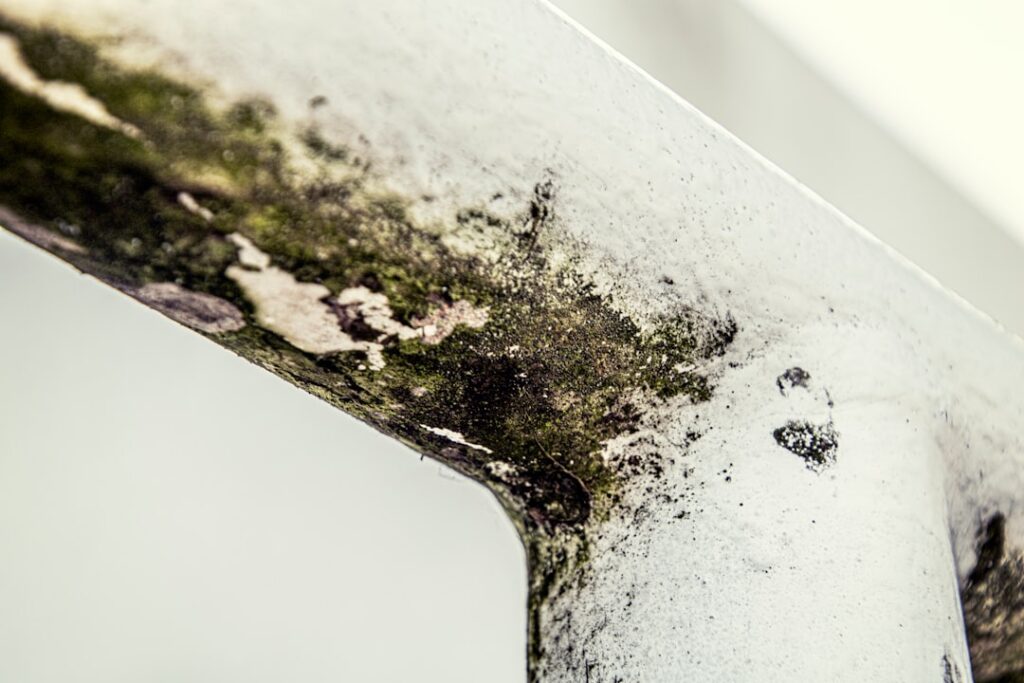
The shelf of products labeled mold and mildew stain remover promises to erase the dark spotting in grout lines, on caulk, and along bathroom ceilings with a spray and a wait. Many of them do lift surface stains impressively. The catch is understanding what they actually accomplish — and what they cannot — so the staining does not march right back. This guide summarizes EPA and CDC guidance current as of 2026 and is educational only, not a substitute for a remediation professional or your physician for health concerns.
Part of our Mold Removal & Remediation guide — start there for the full picture →
Is this mold, asbestos, or water damage? Get a free instant screen
Upload a clear photo of the suspect area. You'll get an instant AI screening opinion and what to do next. This is screening guidance, not a professional determination.
Screening guidance only. AI can be wrong. Confirm asbestos, mold type, or lead with lab testing or a licensed professional before acting.
What does a mold and mildew stain remover actually do?
Most consumer stain removers work in one of two ways. The largest category uses sodium hypochlorite (chlorine bleach) or a related chlorine compound to oxidize and bleach the pigment in mold and mildew, making the dark discoloration disappear. A second category uses surfactants and detergents to lift surface growth physically, sometimes with a mild acid or hydrogen peroxide.
The distinction that matters: bleaching the stain is not the same as removing the organism. On a non-porous surface like glazed tile or glass, a bleach-based remover can both lighten the stain and wipe away the growth. On porous surfaces — grout, silicone caulk, drywall, wood — the bleach decolorizes the visible part while the mold’s structure remains rooted in the material below. The EPA specifically advises against relying on biocides like bleach as a standard cleanup step, because they do not address mold in porous material and the water in the product can even feed regrowth. So a stain remover can make a surface look clean while the underlying problem persists.
Mold versus mildew — and why it changes your approach
The two terms are often used interchangeably on product labels, but there is a practical difference. Mildew is a surface growth, typically gray, white, or light-colored, that sits on top of a material and wipes away relatively easily. The molds people worry about can be darker, fuzzier, and capable of penetrating porous materials. A stain remover designed for mildew on bathroom tile is well-suited to that job. The same product applied to mold that has rooted into drywall or saturated caulk will disappoint, because the growth extends below the reach of a surface spray.
If you can wipe the discoloration off cleanly and it stays gone once the surface is dry, you were likely dealing with mildew or light surface mold. If it returns within days or weeks, the growth is embedded and a stain remover is treating a symptom. Our guide on what kills mold on walls compares the chemical options and where each one genuinely belongs.
Where stain removers work well — and where they don’t
Good candidates
- Glazed ceramic tile and glass in showers — non-porous, so growth and stain both lift.
- Fiberglass and acrylic tub surrounds — surface growth responds to detergent or oxidizing sprays.
- Painted, intact bathroom ceilings with light spotting, provided the paint film is sound.
- Sealed grout where staining is recent and shallow.
Poor candidates
- Unsealed or old grout and silicone caulk — mold roots deep; replacing the caulk is often the only durable fix.
- Drywall and plaster — porous, and surface bleaching leaves roots behind.
- Bare wood and OSB — fibers harbor growth a spray cannot reach.
- Anything larger than about 10 square feet — the EPA’s threshold for considering professional remediation.
For shower-specific staining, our step-by-step guide on how to remove black mold from the shower covers caulk and grout decisions in detail, and the broader mold inspection hub explains when staining signals a hidden moisture problem rather than a cosmetic one.
Using a stain remover safely
These products are chemically active, and safety is not optional:
- Never mix bleach with ammonia or acidic cleaners. The combination produces toxic chloramine or chlorine gases. Read labels before layering products.
- Ventilate aggressively. Open windows and run an exhaust fan; bathroom enclosures concentrate fumes.
- Wear protection. The CDC recommends gloves and eye protection for cleanup; add an N95 respirator when disturbing growth.
- Test an inconspicuous spot first. Bleaching agents can discolor colored grout, fabric, and some finishes.
- Follow dwell times. Most sprays need several minutes of contact, then rinsing or wiping per the label.
After cleaning, dry the surface completely and keep it dry. The CDC and EPA agree on the underlying principle: mold and mildew cannot grow without moisture, so ventilation and humidity control do more for prevention than any spray.
Comparing the common stain-remover types
Product labels blur together, but the active ingredient determines what a remover can and cannot do.
- Chlorine-bleach sprays oxidize pigment fast, so a dark stain on white tile or caulk can vanish in minutes. The catch is that the visible result can outrun the real cleaning — on porous caulk the surface lightens while growth persists underneath.
- Hydrogen-peroxide cleaners also oxidize and lighten stains, often with less harsh fumes, and are a reasonable choice for surface mildew on painted or tiled surfaces.
- Detergent and surfactant products lift growth physically rather than bleaching it, which aligns with the EPA’s preferred removal-over-killing approach. They may leave a faint residual stain on porous material even after the mold is gone.
- Acid-based descalers target mineral buildup more than mold; they can help on hard-water-stained grout but are not mold removers per se, and they must never be mixed with bleach.
The practical takeaway: match the product to the surface, not the marketing. On non-porous tile and glass, almost any of these will both clean and decolorize. On porous grout, caulk, and drywall, decolorizing is the easy part and durable removal is the hard part — which is why replacing failed caulk often beats spraying it again. For shower-specific decisions, our step-by-step on how to remove black mold from the shower covers when to recaulk.
What stain removal does not address
Even a perfect cosmetic result leaves the underlying driver untouched: moisture. A bathroom that mildews repeatedly has a ventilation or humidity problem; a ceiling that stains has water reaching it from somewhere. The CDC and EPA agree that without moisture control, growth returns no matter how thoroughly you clean. A stain remover is the last 10 percent of the job — the visible cleanup — and never a substitute for the ventilation, drying, and leak repair that make up the other 90 percent. Our mold inspection and testing hub frames how to find and fix those moisture sources.
When a stain remover is the wrong tool
Reach beyond the spray bottle when the staining keeps coming back after cleaning, when it covers a large area, when it appears on porous structural materials like drywall or framing, or when there is a known leak or flooding behind the surface. Recurring stains are a signal that a moisture source is feeding the growth — a leaking shower pan, failed grout allowing water behind tile, a roof leak above a ceiling, or chronic humidity with no ventilation. Painting or spraying over it without fixing the water is wasted effort.
Anyone with asthma, mold allergies, or a weakened immune system should limit hands-on cleanup and consider professional help, per CDC guidance. Persistent symptoms warrant a call to your doctor rather than another round of stain remover.
Surface-by-surface: matching remover to material
The right approach changes with the material, and a quick reference helps:
- Glazed tile and glass: nearly any stain remover works; the surface is non-porous, so both growth and stain lift. Detergent often suffices for light cases.
- Fiberglass or acrylic tub surrounds: respond to oxidizing sprays and detergent; avoid abrasive scrubbing that dulls the finish.
- Grout: sealed grout cleans up reasonably; unsealed or aged grout holds growth deep, and a stiff brush plus an oxygen or peroxide cleaner outperforms bleach, which mostly bleaches the color.
- Silicone caulk: the toughest case. Mold roots into the silicone, and once it is embedded, removing and replacing the caulk is usually the only durable fix.
- Painted drywall ceilings: light surface mildew on intact paint responds to detergent or peroxide; anything that returns or covers a large area signals a moisture problem behind the surface.
- Bare wood: porous and absorbent; surface sprays bleach the color while growth persists in the grain, so removal and drying beat any spray.
The unifying principle is porosity. The more porous the material, the less a stain remover accomplishes beyond cosmetics, and the more likely the real fix is removal, replacement, or addressing moisture.
Prevention beats any product
The most effective mold-and-mildew strategy is making surfaces inhospitable so a remover is rarely needed. In bathrooms, that means running an exhaust fan during and after showers, squeegeeing wet walls and glass, and keeping humidity down. Throughout the home, the EPA’s guidance to hold indoor relative humidity below about 50 percent does more to prevent growth than any spray, and a dehumidifier helps in damp basements and during humid stretches.
Fix the small leaks and condensation pathways that keep surfaces wet — a dripping showerhead, failed grout letting water behind tile, a cold uninsulated wall that sweats. Where you do need a remover, use it as the finishing touch after the moisture issue is handled, not as a recurring patch over an ongoing problem. A surface that stays dry simply does not grow mold, which is why ventilation and humidity control are the real long-term answer. The mold inspection and testing hub explains how to find the moisture sources that keep stains coming back.
Reading the label before you buy
Stain-remover labels are written to sell, so a little translation helps. “Kills mold” usually means the product is a biocide — effective on non-porous surfaces but limited on porous ones, where it bleaches without removing roots. “Removes stains” points to an oxidizing or detergent action that lifts discoloration but may not address growth in the material. Phrases like “no scrubbing” are realistic only on smooth, non-porous surfaces; porous grout and caulk almost always need mechanical effort or replacement.
Check the active ingredient: sodium hypochlorite is chlorine bleach, hydrogen peroxide is a milder oxidizer, and quaternary compounds or other biocides have their own profiles. Note safety warnings, especially any instruction not to combine with other cleaners — the bleach-plus-ammonia or bleach-plus-acid combinations that produce toxic gas. And match the product to your actual surface rather than the most aggressive option, since on the right material a gentle detergent often works as well as a harsh spray. A label promising to make everything spotless says nothing about whether it solves the underlying moisture issue, which remains the real determinant of whether a stain stays gone.
Natural and gentler alternatives
Homeowners wary of harsh chemicals have workable options for surface mildew, though their limits mirror those of stronger products. White vinegar, mildly acidic, can address light surface growth on non-porous surfaces and is sometimes preferred for its lower fume profile, but it should never be mixed with bleach. Hydrogen peroxide oxidizes and lightens stains with less harsh odor than chlorine. Baking soda works as a mild abrasive and deodorizer, useful for scrubbing tile and grout. Plain dish detergent and water — the EPA’s preferred general approach — physically lifts surface mold from sound, non-porous surfaces without any biocide at all.
These gentler choices share the same fundamental limitation as commercial removers: on porous materials, they decolorize or surface-clean without reaching embedded growth, so they shine on tile, glass, and intact paint and disappoint on grout, caulk, and drywall. They are a reasonable first reach for routine bathroom mildew, particularly for people sensitive to bleach fumes. As always, the durable result comes from drying the surface and controlling the humidity afterward, not from the cleaning agent itself, which only ever addresses what is already visible.
References
- Mold Cleanup in Your Home — U.S. Environmental Protection Agency
- About Mold and Your Health — Centers for Disease Control and Prevention
- A Brief Guide to Mold, Moisture and Your Home — U.S. Environmental Protection Agency
Frequently asked questions
Does mold and mildew stain remover actually kill mold?
Bleach-based removers oxidize and lighten the stain and can wipe away growth on non-porous surfaces like tile and glass. On porous materials such as grout, caulk, or drywall, they decolorize the surface while mold remains rooted below, so the staining often returns.
Why does the stain come back after I use a remover?
Recurring stains mean the mold is embedded in a porous material or a moisture source is still feeding it. A surface spray treats the symptom; you need to fix the leak or humidity problem and, for caulk and grout, often replace the material itself.
Is it safe to use bleach-based mold removers indoors?
Use them with strong ventilation, gloves, and eye protection, and never mix bleach with ammonia or acidic cleaners, which creates toxic gases. People with asthma or weakened immune systems should limit hands-on cleanup and consider professional help.
When should I stop using stain remover and call a professional?
Call a professional when staining covers more than about 10 square feet, keeps returning, appears on structural materials like drywall or framing, or follows a known leak or flood. These point to a moisture problem a spray cannot fix.
If bathroom or ceiling staining keeps returning despite cleaning, it may signal a hidden leak — contact us to connect with a vetted Front Range inspector who can find the source.