Mold Remover: The Complete Homeowner Guide
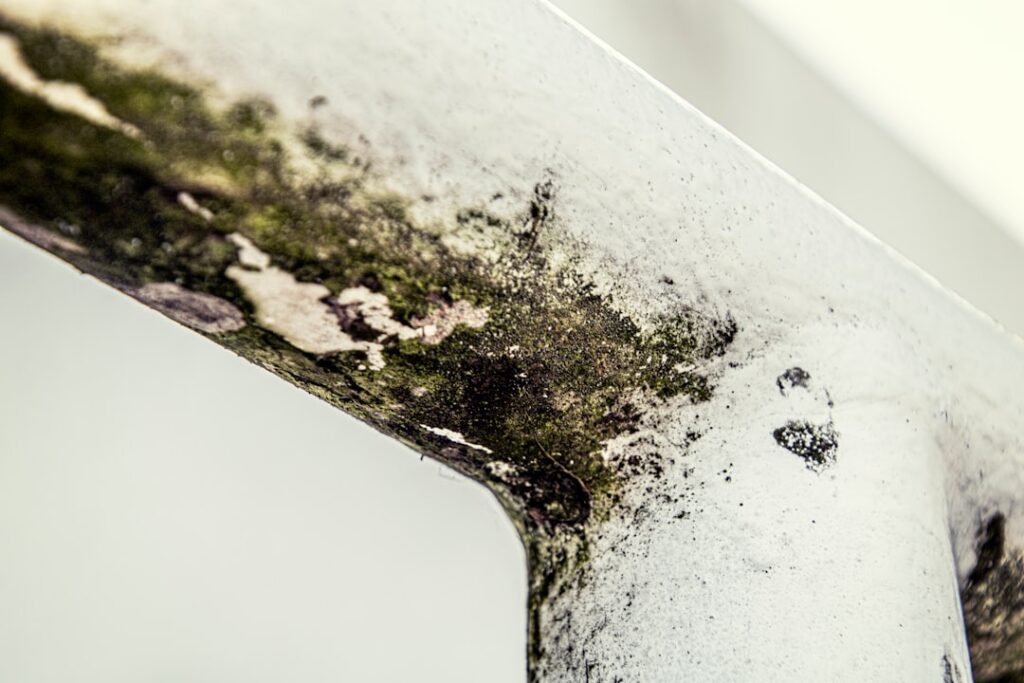
A mold remover is the first thing most homeowners reach for the moment they spot growth on a wall, in a shower, or around a window. The shelves are crowded with sprays, gels, concentrates, and “kill in seconds” claims, and the differences between them matter more than the labels suggest. This guide is the definitive plain-language reference on mold removers: the types, the surfaces they suit, when to do it yourself, and when to step back. It summarizes EPA and CDC guidance current as of 2026 and is for general education only; consult your physician about health symptoms and a certified professional for larger contamination.
Part of our Mold Removal & Remediation guide — start there for the full picture →
Is this mold, asbestos, or water damage? Get a free instant screen
Upload a clear photo of the suspect area. You'll get an instant AI screening opinion and what to do next. This is screening guidance, not a professional determination.
Screening guidance only. AI can be wrong. Confirm asbestos, mold type, or lead with lab testing or a licensed professional before acting.
What a mold remover actually does
A mold remover is any product formulated to lift or destroy mold growth on a surface. Some are cleaners that physically detach the growth; others are biocides that kill the organism; many combine both actions. The single most useful idea, repeated throughout EPA guidance, is that removal beats killing. Dead mold can still trigger health effects and still has to be physically taken off the surface, so a product that kills but leaves residue behind has not finished the job.
That reframes how to judge a remover. The question is not only “does it kill mold” but “does it help me physically remove the growth and then dry the surface.” A remover is one step in a sequence: protect yourself, remove the growth, dry the area, and fix the moisture that caused it. Skipping the last step is why so many people clean the same spot repeatedly.
The main types of mold remover
Products cluster into a few families, each suited to different jobs.
Chlorine bleach products
Sodium hypochlorite is the classic. It oxidizes pigment, so it erases stains fast, and it kills surface organisms on hard, non-porous materials like tile and glazed fixtures. On porous drywall and wood it underperforms, because the water carries the active chlorine poorly into the material. The EPA does not recommend routine bleach use for mold remediation, and bleach must never be mixed with ammonia or acids.
Hydrogen peroxide and oxygen-based removers
These oxidizers break down into water and oxygen, leaving no chlorine residue. They handle light surface mold on a wider range of materials and are gentler on grout and fabric. They are less aggressive on heavy growth and lose potency once opened.
Quat and detergent-based removers
Quaternary ammonium products, common in EPA-registered disinfectants, lift growth with surfactants and leave a residual film. Plain detergent and water, the EPA’s default recommendation for hard surfaces, removes growth mechanically without a strong biocide. For everyday surface mold, this category is often all you need.
Botanical and low-toxicity removers
Products built on thymol, citric acid, or similar ingredients appeal to households wanting fewer harsh chemicals. Some carry EPA antimicrobial registration. They still depend on physical removal and moisture control to work. To see how these families map onto specific products, the overview of mold removal products and how to choose one goes deeper, and the look at store-shelf mold removal products covers what you actually find in the aisle.
Surface decides everything
The most common mistake is choosing a remover by its kill claim instead of by the surface. Material drives the decision. On non-porous tile, glass, and sealed countertops, growth sits on top and nearly any remover works. On semi-porous painted drywall, gentle removal with detergent or peroxide plus careful drying beats soaking the wall. On porous materials such as bare drywall paper, carpet, ceiling tile, and insulation, the EPA’s guidance is direct: when mold penetrates porous material, remove the material, because no remover reliably reaches embedded growth.
This is why “best mold remover” has no single answer. The best remover for a glass shower door is the wrong tool for a wet wall cavity. Identify the surface first, then pick the product, and accept that some surfaces are beyond rescue by any spray. The mold inspection and testing hub ties surface type to the cleaning-versus-removal decision.
The EPA biocide caveat
Any product claiming to kill, control, or prevent mold is making a pesticidal claim and must carry an EPA registration number. That number means efficacy and safety data were submitted for review; its absence on a kill-claim product is a red flag. Products that only claim to clean or remove stains, with no kill language, do not require registration.
The EPA also stresses that biocides are not a routine necessity for mold cleanup. The agency’s standard advice is detergent, water, and thorough drying, reserving stronger biocides for specific situations. Treating a biocide as the default, rather than physical removal plus moisture control, often spends money on the wrong thing. When you do use a registered product, the label dwell time, surface list, and protective requirements are binding instructions, not suggestions.
DIY versus calling a professional
The EPA gives a workable threshold: homeowners can reasonably handle hard-surface mold under about ten square feet using proper protection. Below that line, on visible growth on cleanable surfaces, a do-it-yourself remover is appropriate.
Above that line, the calculus changes. Contamination larger than roughly ten square feet, hidden growth inside walls, mold in HVAC systems, soft or crumbling drywall, contamination from sewage or floodwater, and growth that returns after every cleaning all call for a professional with containment. A remediation pro removes contaminated porous material rather than chemically rescuing it and contains the area so cutting into walls does not scatter spores through the home. Choosing a remover is sensible for small jobs; choosing a pro is sensible when the structure is involved.
How to use a mold remover step by step
A consistent method gets the most from any remover. The sequence is the same whether the product is bleach, peroxide, or detergent.
Prepare the area
Ventilate the space, open a window, and set up a fan venting outward to keep spores from drifting through the house. Move or cover nearby furniture and lay down a sheet to catch debris. Put on an N95 respirator, gloves, and eye protection before you start.
Apply and dwell
Apply the remover to the visible growth plus a margin around it, since the colony usually extends past what shows. Let the product sit for the full dwell time on the label, because the chemistry needs contact time to work. Resist wiping early, the most common reason a product underperforms.
Remove and dry
Physically wipe or scrub the growth away rather than smearing it. On grout, use a stiff brush; on smooth surfaces, a cloth. Bag the used materials. Then dry the surface completely with the fan, because residual moisture invites the mold straight back. Watch the spot over the following days for any return that would signal hidden growth.
Mold removers versus mold cleaners and preventers
The product aisle blends three different jobs, and separating them prevents mismatched purchases. A mold remover targets existing growth, lifting or destroying it on a surface. A mold cleaner emphasizes the grime-lifting side and may or may not carry a kill claim. A mold preventer, such as a resistant coating or an anti-mold maintenance cleaner, aims to keep growth from establishing on a clean surface in the first place.
These overlap in marketing but serve distinct moments. You reach for a remover when growth is already present. You use a maintenance cleaner regularly to keep damp rooms inhospitable. You apply a preventer after cleanup, on a dry surface, as a finishing layer. Buying a preventer when you have active growth, or expecting a maintenance cleaner to remove an established colony, leads to disappointment. The companion overview of mold control and prevention products covers the preventive side in more depth, while this remover guide stays focused on active growth.
One principle ties them together: none of them substitutes for moisture control. Whether you are removing, cleaning, or preventing, the water source determines whether the result lasts. A remover on a wall that keeps getting wet is a temporary fix, no matter how strong the product. Pairing the right product with a moisture repair is what turns a clean surface into a permanent one.
Using a mold remover safely
Protection is non-negotiable. Ventilate the space, wear an N95 respirator, gloves, and eye protection, and use only one product at a time. The CDC advises that people with asthma, allergies, or weakened immune systems avoid the cleanup. The most dangerous mistake is mixing bleach with ammonia or an acidic cleaner, which releases toxic gas.
Apply to the growth plus a margin, observe the dwell time, physically wipe or scrub to remove the growth, then dry the surface completely. Bag the debris. And remember the cause: a remover treats the symptom, while finding and fixing the leak, condensation, or humidity is what keeps the mold from returning.
Store any remaining product in its original labeled container, away from children, pets, and incompatible chemicals, and dispose of concentrates and biocides according to the label and local rules rather than pouring them down a storm drain. Handling a mold remover with the same care you would give any household pesticide protects the people in the home and keeps a routine cleanup from becoming a safety incident or a needless trip to the emergency room. The most common harm from these products comes not from the mold but from careless handling, so a few minutes of preparation and label reading is the cheapest safety measure available.
Matching the remover to the moisture source
The final piece of choosing a mold remover is recognizing that the right product depends on why the mold appeared. A remover used on a wall fed by an active leak is a temporary measure at best, so the moisture source shapes the whole strategy. Condensation problems, plumbing leaks, roof intrusion, and chronic high humidity each call for a different repair alongside the cleanup.
Condensation-driven mold, common on cool exterior walls and around windows, returns until insulation, ventilation, or humidity is addressed; cleaning it without that fix just resets the clock. Leak-driven mold demands the leak be repaired first, because no remover outlasts running water. Humidity-driven growth across a whole room points to a dehumidifier or ventilation upgrade rather than spot treatment, since the air itself is the problem.
This is why experienced guidance always pairs the remover with the cause. Front Range homes show characteristic sources: condensation in finished basements against cool foundation walls, summer humidity from swamp coolers, and meltwater intrusion from ice dams. A homeowner who identifies which source is feeding the growth chooses both the right remover and the right repair, turning a recurring chore into a solved problem. The mold removal products guide helps match the product, and an honest moisture diagnosis matches the repair.
References
- Mold Cleanup in Your Home — U.S. Environmental Protection Agency
- A Brief Guide to Mold, Moisture and Your Home — U.S. Environmental Protection Agency
- About Mold and Your Health — Centers for Disease Control and Prevention
Frequently asked questions
What is the best mold remover?
There is no single best remover; the right choice depends on the surface. Detergent and water suit most hard surfaces, peroxide handles light growth gently, and bleach lightens stains on tile. The EPA stresses physical removal and drying over which product kills the mold.
Does a mold remover need to kill the mold to work?
Not necessarily. The EPA notes that dead mold still causes health effects and must be physically removed anyway. A remover that helps you lift growth off the surface and dry it has done the essential job, killing it or not.
When should I stop using a remover and call a pro?
When the area exceeds about ten square feet, the drywall is soft, the growth is hidden or in HVAC, the source was sewage or floodwater, or the mold keeps returning. Those involve the structure and need containment and material removal.
Is bleach the best mold remover?
Bleach lightens stains on hard, non-porous surfaces but performs poorly on porous drywall and wood, and the EPA does not recommend routine bleach use for mold. Detergent and water plus thorough drying is the agency's default. Never mix bleach with other cleaners.
If a mold problem is bigger than a spray bottle can handle, a Front Range inspector can scope it for you; you can reach out through our contact page.
Mold removal & cleanup picks
For a small, contained patch (under ~10 sq ft) these EPA-friendly removers handle surface mold. Larger or recurring growth warrants a professional assessment first.
| Product | Why | Buy |
|---|---|---|
 RMR-86 Instant Mold Stain Remover RMR-86 Instant Mold Stain Remover | Fast-acting on stains; ventilate and wear PPE. | Amazon — $29.99 |
 Concrobium Mold Control Concrobium Mold Control | No-bleach formula that also helps prevent regrowth. | Amazon — $34.27 |
 Mold Armor Mold & Mildew Remover Mold Armor Mold & Mildew Remover | Widely stocked bathroom/surface remover. | Amazon — $22.98 |