Black Mold on the Ceiling: Causes, Cleanup, and Risks
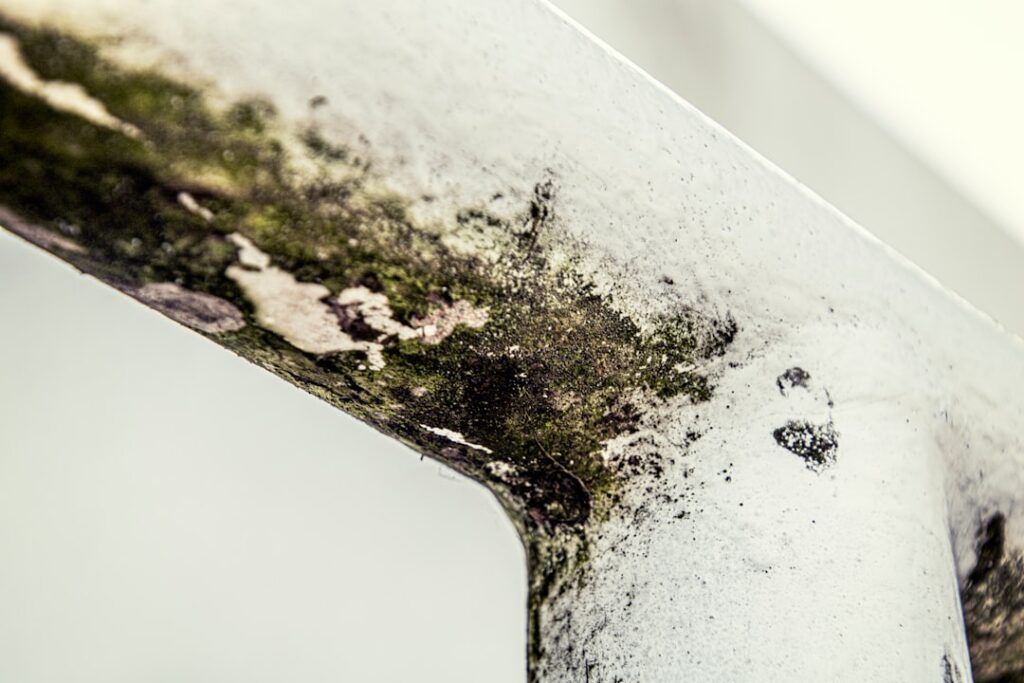
A dark, spreading stain overhead is unsettling, and black mold on a ceiling almost always means water is reaching a surface that should stay dry. Ceilings collect mold from roof leaks, bathroom steam, plumbing in the floor above, and condensation in poorly insulated spaces. The visible patch is sometimes smaller than the moisture problem behind it, so reading the cause correctly matters as much as scrubbing the spot. This guide summarizes EPA and CDC guidance current as of 2026; it is not medical advice, and anyone with symptoms should consult a physician while a certified professional handles larger contamination.
Part of our Black Mold & Your Health guide — start there for the full picture →
Is this mold, asbestos, or water damage? Get a free instant screen
Upload a clear photo of the suspect area. You'll get an instant AI screening opinion and what to do next. This is screening guidance, not a professional determination.
Screening guidance only. AI can be wrong. Confirm asbestos, mold type, or lead with lab testing or a licensed professional before acting.
What Black Mold on a Ceiling Means
Mold needs moisture, a food source, and time, and a ceiling supplies the food (drywall paper, paint, wood) and the time as soon as water arrives. Black or dark-green growth overhead is a signal that a leak, condensation, or trapped humidity has wetted the ceiling material. The color alone does not identify the species or its toxicity; only laboratory sampling can do that, and the EPA notes that all indoor mold should be removed regardless of type.
Mold also tends to advance outward from the wettest point, so a ceiling spot is often the center of a larger damp zone that has not yet darkened. That is why a stain that looks like a small circle today can spread into a patch over the following weeks if the moisture continues. Treating the visible mark as the leading edge of a moisture problem, rather than the whole problem, sets the right expectation for how much ceiling may need cleaning or replacement once you investigate.
The first task is finding the water source. A bathroom ceiling usually points to shower steam or a leak from a fixture above; a bedroom or hallway ceiling often points to a roof or attic problem. The mold inspection and testing hub explains how inspectors trace ceiling moisture back to its origin, which prevents cleaning the same spot repeatedly.
Common Causes by Room
Where the mold appears narrows down the cause.
Bathroom Ceilings
Steam that is not exhausted condenses on the ceiling and feeds mold within weeks. A weak or missing exhaust fan is the usual culprit. Our guide to black mold on a bathroom ceiling covers the ventilation fixes that solve this for good.
Ceilings Under a Roof or Attic
A roof leak, ice-dam meltwater, or condensation in an under-insulated attic can soak the ceiling drywall from above. Stains here often appear after storms or heavy snowmelt and may spread along framing lines.
Ceilings Below a Bathroom or Kitchen
A leaking supply line, drain, or wax ring on the floor above drips into the ceiling cavity, producing a brown-edged stain that grows mold around its perimeter. These require finding and fixing the plumbing before the ceiling is repaired.
Best At Home Mold Test Kit: our top 3 picks
| Product | Best for | Key features | Price | Buy |
|---|---|---|---|---|
| Varify 6-Pack | All-round DIY plate kit |
| $13.39as of Nov 26, 2026 3:47 pm GMT+0000 | Buy now →Check current price |
| KAYENQO 12-Test | Testing many rooms |
| $21.65as of Nov 26, 2026 3:43 pm GMT+0000 | Buy now →Check current price |
| Detekt Indoor Air Quality Kit | HVAC vents |
| $36.99as of Nov 26, 2026 3:46 pm GMT+0000 | Buy now →Check current price |


Prices are Amazon’s listed prices as of the time shown and change often; check Amazon for today’s price. As an Amazon Associate we earn from qualifying purchases.
How to Clean Black Mold From a Ceiling Safely
If the moldy area is smaller than about 10 square feet and the ceiling material is sound, a homeowner can usually clean it. Fix the leak first. Lay drop cloths, wear an N95 respirator, goggles, and gloves, and avoid scrubbing dry mold overhead, which rains spores down on you.
For painted, non-porous ceilings, scrub with a detergent solution, wipe with damp rags, and dry the area with a fan. For a textured or porous ceiling where mold has penetrated, or where the drywall is soft and sagging, cleaning will not reach the roots; that section should be cut out and replaced. The same surface logic applies as with cleaning mold from drywall anywhere in the home: salvage non-porous and lightly soiled surfaces, replace saturated porous ones.
Health Considerations
The CDC and EPA describe consistent indoor effects from mold exposure regardless of color: stuffy nose, wheezing, throat irritation, and eye or skin irritation in healthy people, with stronger reactions in those who have asthma, mold allergies, or compromised immune systems. Sensational claims about a single species causing severe illness outpace the scientific consensus, which holds that any indoor mold growth is a problem to remove and that exposure response varies by individual.
Because reactions differ, the practical guidance is the same for everyone: limit exposure during cleanup, wear protective gear, and remove the mold and its moisture source. Anyone experiencing persistent respiratory symptoms should see a physician rather than trying to self-diagnose from the color of a ceiling stain.
Preventing Ceiling Mold From Returning
Prevention follows the cause. In bathrooms, install or upgrade an exhaust fan rated for the room size and run it during and for 20 to 30 minutes after every shower. In attics, ensure proper insulation and ventilation so warm, moist indoor air does not condense on the underside of the roof. Keep gutters clear and the roof in good repair so rain and snowmelt drain away rather than pooling.
For plumbing-fed leaks, repair the line and confirm the cavity has fully dried before patching the ceiling. After any repair, repaint with a mold-resistant primer and paint in moisture-prone rooms. Check ceilings after major storms and during spring snowmelt, since catching a fresh stain early keeps a small cleaning job from becoming a drywall replacement.
Attic-related ceiling mold deserves special attention in cold climates like the Front Range, where ice dams and winter condensation are recurring threats. When warm, moist indoor air leaks into a cold attic, it condenses on the underside of the roof deck and drips onto the ceiling below, mimicking a roof leak. Adequate attic insulation, air sealing of ceiling penetrations like light fixtures and fans, and proper attic ventilation keep the roof deck cold and dry and prevent that condensation cycle. Ice dams, where melting snow refreezes at the eaves and backs water under the shingles, are addressed the same way, by keeping the attic cold and the roof evenly temperatured, plus good gutters. Homeowners who only clean the ceiling stain without addressing attic conditions tend to see the problem return every winter.
Is It Mold or Just a Water Stain?
Not every dark mark on a ceiling is active mold. A water stain from a past, now-repaired leak is typically a flat brown or yellowish ring with a darker edge, dry to the touch, with no texture and no musty smell. It is a record of where water sat, not living growth. Active mold, by contrast, often looks fuzzy, speckled, or slimy, may be black, green, or gray, smears when wiped, and usually carries a musty odor.
The distinction guides the response. A dry, odorless stain from a fixed leak may only need a stain-blocking primer and fresh paint. Active mold needs cleaning or removal plus correction of the ongoing moisture source. The two can coexist, a fixed leak that nonetheless left mold behind, so check whether the area is currently damp with a moisture meter and whether the mark has the texture and smell of growth. Painting over active mold or a still-damp ceiling only hides the problem temporarily, since the growth continues and bleeds back through the new paint within weeks.
Finding the Water Source Before You Clean
Cleaning a ceiling stain without finding the water behind it guarantees the mold returns, so diagnosis comes first. Start by mapping where the stain sits relative to what is above it. A ceiling stain directly under a bathroom points to a fixture, drain, or wax-ring leak. One under an attic suggests a roof penetration, plumbing vent boot, or condensation. One that appears after rain or snowmelt points to the roof envelope, while one that worsens in winter often signals attic condensation from warm, moist indoor air hitting a cold roof deck.
A moisture meter helps confirm whether the surrounding ceiling is still damp, and where the wettest point is, which is usually closest to the source. In an accessible attic, a flashlight inspection on a rainy day or just after can reveal active dripping, water stains on the rafters, or wet insulation. Track the water uphill from the stain, since it often travels along framing before it drops through the ceiling, meaning the actual leak may sit several feet away from the visible mark. Only once the source is identified and repaired does cleaning or replacing the ceiling make sense.
Repairing and Repainting the Ceiling
After the leak is fixed and the cavity has dried, the repair depends on how much damage the water did. A lightly stained, structurally sound painted ceiling can be cleaned, dried, primed with a stain-blocking mold-resistant primer, and repainted. The primer step matters: water stains and any residual discoloration bleed through ordinary paint, so a sealing primer is what keeps the finished ceiling clean.
Where the drywall sagged, crumbled, or absorbed water through its core, that section is cut out and replaced. Match the cut to the framing so the new piece has support, inspect and replace any wet insulation above, confirm the cavity is dry with a moisture meter, then hang, tape, and finish new board, ideally mold-resistant drywall in moisture-prone rooms. Textured ceilings add a wrinkle, since matching existing texture takes some practice, but the underlying rule is unchanged: salvage sound painted surfaces, replace saturated porous ones, and never paint over active mold.
Safe Cleaning Technique for Overhead Mold
Cleaning mold on a ceiling carries an extra hazard the same job on a wall does not: you are working over your own head, so loosened spores and cleaning solution fall toward your face. Set up to manage that. Lay drop cloths over furniture and flooring, wear an N95 respirator, sealed goggles, and gloves, and consider a hat or hood. Use a sturdy step stool or ladder positioned so you are not overreaching, and keep your face turned slightly aside while you scrub.
Mist the moldy area lightly before touching it so dry spores do not shower down when disturbed. Work in small sections with a sponge or cloth rather than a dripping-wet applicator, wringing it out so liquid does not run down your arm or soak the drywall. Wipe with clean damp rags, change them often, and bag them as you go. Turn off the HVAC during the work so the system does not pull airborne spores into the ducts and distribute them. Take breaks to let the air clear, and once finished, leave a fan running and the room ventilated. These precautions make an overhead job that is otherwise awkward and messy both safer and more effective.
When to Call a Professional
Call a remediation professional when the moldy ceiling area exceeds about 10 square feet, when the drywall is sagging or saturated, when mold returns after cleaning, when it follows a major roof leak or contaminated water, or when household members have asthma, allergies, or weakened immunity. Mold hidden inside the ceiling cavity or insulation also needs professional assessment, since the stain visible from below is often smaller than the growth above it.
A qualified inspector can locate the moisture source, check the cavity and insulation, and define the contaminated area before any repair. That keeps you from patching over active mold or removing more ceiling than necessary, and it ties the cleanup to the roof, ventilation, or plumbing fix that prevents a recurrence.
More Questions About Black Mold on Ceilings
How much does it cost to remove black mold from a ceiling?
Removing black mold from a ceiling typically costs very little when the patch is small and on a painted surface: cleaning supplies, a respirator, and stain-blocking primer usually run well under a hundred dollars.
Costs climb when the drywall is soft or stained through, because cutting out and replacing a ceiling section adds drywall, taping, texture matching, and paint. Industry estimates for professional remediation of a larger ceiling area often reach several hundred to a few thousand dollars, and roof or plumbing repairs to stop the leak are billed separately.
Can black mold on a ceiling spread to other rooms?
Black mold on a ceiling does not travel from room to room on its own, but the spores it releases can settle elsewhere and grow wherever they find moisture.
Spread is more likely when the growth sits near a return air vent, when the ceiling is disturbed during cleanup, or when the same leak wets a wider area above the drywall. Closing the room off during cleaning, turning off the HVAC system, and fixing the water source keep the problem contained to the original spot.
Should you sleep in a bedroom with mold on the ceiling?
Sleeping in a bedroom with a small patch of ceiling mold is not an emergency for most healthy adults, but the patch should be cleaned and its moisture source fixed promptly.
People with asthma, mold allergies, or weakened immune systems are better off sleeping elsewhere until the area is cleaned. A musty smell, a growing stain, or symptoms that ease when away from the room are signs the problem is larger than it looks. A doctor can advise anyone experiencing breathing problems, and a certified mold professional can assess hidden growth above the drywall.
Does homeowners insurance cover black mold on a ceiling?
Homeowners insurance usually covers ceiling mold only when it results from a sudden, covered event such as a burst pipe or storm damage to the roof, and many policies cap mold payouts.
Mold caused by long-term leaks, condensation, or poor maintenance is commonly excluded. Photograph the ceiling, the leak source, and any damaged materials before cleanup, keep repair receipts, and call the insurer early. Policy language varies widely, so reading the mold or fungi endorsement on the actual policy is the only reliable way to know what is covered.
How long does it take for a ceiling leak to cause black mold?
A ceiling leak can start mold growth within 24 to 48 hours if the drywall and insulation stay wet, though visible black spots often take one to several weeks to appear.
Slow, repeated leaks from a roof flashing, an upstairs toilet seal, or a condensation line are the most common cause of ceiling mold because the material never fully dries between events. Drying the ceiling quickly with fans and dehumidifiers, and removing soaked insulation above it, greatly reduces the chance that growth takes hold.
References
- Mold Cleanup in Your Home — U.S. Environmental Protection Agency
- About Mold and Health — Centers for Disease Control and Prevention
- Mold and Indoor Air Quality — American Lung Association
Frequently asked questions
What causes black mold on a ceiling?
Moisture reaching the ceiling material. Bathroom ceilings grow mold from unexhausted shower steam, ceilings under a roof from leaks or attic condensation, and ceilings below a bathroom or kitchen from plumbing drips. Finding and fixing that water source is the first step.
Can I clean black mold off my ceiling myself?
If the area is under about 10 square feet and the ceiling is sound, yes. Fix the leak, wear an N95 respirator and goggles, and scrub painted surfaces with detergent. Saturated, sagging, or textured porous drywall should be cut out and replaced instead.
Is black mold on the ceiling dangerous?
The EPA advises removing all indoor mold regardless of color. Exposure can cause congestion, wheezing, and eye or throat irritation, with stronger reactions in people who have asthma, allergies, or weakened immunity. Anyone with persistent symptoms should see a physician.
How do I stop ceiling mold from coming back?
Fix the cause: upgrade bathroom exhaust fans, improve attic insulation and ventilation, repair roof and plumbing leaks, and keep gutters clear. Dry the area fully before patching, and repaint moisture-prone rooms with mold-resistant primer and paint.
Can you paint over black mold on a ceiling?
Painting over black mold on a ceiling is not a fix. Paint hides the stain temporarily, but mold left underneath keeps growing and usually bleeds through. Clean the area, fix the moisture source, let the surface dry fully, then apply a stain-blocking primer before repainting.
Is black mold on a ceiling a sign of a roof leak?
Black mold on a top-floor ceiling is often a sign of a roof leak, missing insulation, or poor attic ventilation that lets warm, moist air condense. Checking the attic above the stain for wet sheathing, damp insulation, or daylight around roof penetrations usually reveals the source.
What is the black stuff on a ceiling that wipes off?
Black material on a ceiling that wipes off easily may be surface mold, soot from candles or a furnace, or dust drawn along framing lines. Mold usually smells musty and returns in damp spots, while soot and dust patterns follow air movement and do not regrow after cleaning.
If a ceiling stain keeps returning and you are along the Front Range, contact us through our connection page to reach a vetted inspector who can trace the leak before you repaint.