Black Mold and Bleach: Does It Really Work?
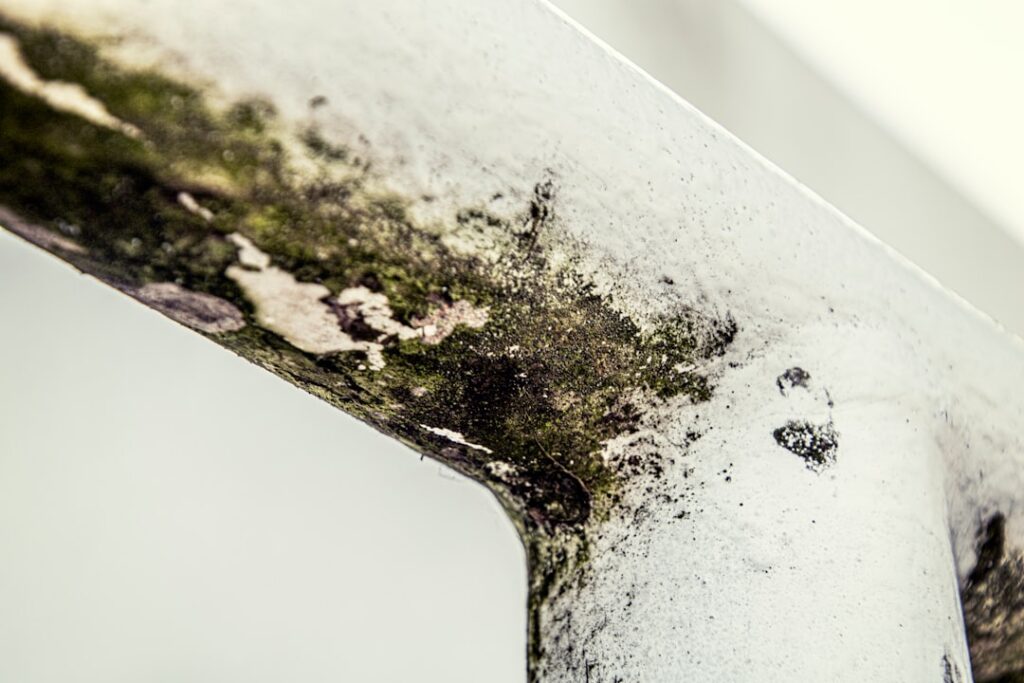
Reaching for chlorine bleach is most people’s first instinct when they spot black mold, and on a shiny tile it often seems to work instantly. The reality is more nuanced: bleach kills mold effectively on hard, nonporous surfaces but does a poor job on porous materials like drywall and wood, where the roots survive below a lightened surface. Knowing where bleach helps, where it fails, and how to use it safely saves both effort and frustration. This guide summarizes EPA and CDC guidance current as of 2026 and is educational only; consult a physician about symptoms and a certified professional for large-area growth.
Part of our Black Mold & Your Health guide — start there for the full picture →
Is this mold, asbestos, or water damage? Get a free instant screen
Upload a clear photo of the suspect area. You'll get an instant AI screening opinion and what to do next. This is screening guidance, not a professional determination.
Screening guidance only. AI can be wrong. Confirm asbestos, mold type, or lead with lab testing or a licensed professional before acting.
Does bleach kill black mold?
Bleach kills mold on hard, nonporous surfaces such as glazed tile, glass, sinks, tubs, and finished metal. On those materials it disinfects the surface and removes the dark staining quickly. The problem is that most mold-prone home surfaces are porous, and that is where bleach disappoints.
On drywall, wood, grout, and other porous materials, mold sends roots, called hyphae, below the surface. Chlorine bleach is mostly water, and while the chlorine bleaches the visible stain and kills surface growth, the water component can soak into the porous material and feed the roots that remain. The result looks clean but the mold often regrows. The EPA does not recommend routine use of bleach for mold remediation and instead emphasizes physically removing mold and fixing the moisture. The agency notes bleach may be appropriate in limited situations, but it is not the all-purpose solution many assume. Our broader guide on how to clean black mold walks through the full method.
Bleach on hard surfaces vs porous surfaces
The single most useful distinction in this topic is surface type, because it determines whether bleach is the right tool.
Hard, nonporous surfaces
Tile, glass, glazed fixtures, metal, and sealed countertops respond well to bleach. The mold cannot root into these materials, so killing and removing the surface growth solves the problem. A diluted bleach solution applied, left to dwell, scrubbed, and rinsed handles small areas on these surfaces effectively. These are also the surfaces where bathroom mold most often appears, which is why bleach has its reputation.
Porous surfaces
Drywall, wood, grout, caulk, ceiling tiles, carpet, and insulation are porous. On these, bleach treats the surface but not the roots, and heavily contaminated porous materials generally need removal rather than cleaning. For grout and caulk, the stain may lighten while growth persists below. For drywall and wood that are stained through or soft, replacement is the real fix. Hydrogen peroxide and vinegar penetrate porous surfaces somewhat better than bleach, which is why many guides, including our comparison of the best mold removers for walls, favor them for those materials.
Why the EPA does not recommend bleach for most mold
It surprises many homeowners that the agency most associated with environmental health does not endorse bleach as the go-to mold remedy, so the reasoning is worth understanding. The EPA’s published guidance on mold cleanup emphasizes physically removing the mold and correcting the moisture, and it notes that the routine use of biocides like bleach is generally not recommended for typical mold cleanup. Several practical reasons sit behind that position.
First, bleach is mostly water, and on porous materials the chlorine evaporates from the surface while the water content soaks in, potentially feeding the very roots the bleach was meant to kill. Second, killing mold is not the same as removing it; dead mold and its fragments still contain allergens that trigger symptoms, so a bleached-but-not-removed patch can keep affecting sensitive people. Third, bleach does nothing about the moisture that caused the growth, so a bleached surface in a still-damp environment simply regrows. Finally, bleach carries real safety hazards, irritating fumes and the danger of toxic gas if mixed with other cleaners, that gentler methods avoid. None of this means bleach is useless; it remains effective for disinfecting and de-staining hard nonporous surfaces. It means bleach is a narrow tool, not the universal mold solution its reputation suggests, and treating it as a cure-all leads to recurring problems.
Safer and more effective alternatives to bleach
For porous surfaces and for households that want to avoid harsh fumes, several alternatives work as well or better.
Distilled white vinegar is a standout. Sprayed on undiluted, left for an hour, then scrubbed and wiped, it kills a wide range of mold species and penetrates porous surfaces better than bleach. It is inexpensive and low-fume, though its smell is strong until it dissipates. Three percent hydrogen peroxide is another effective, low-odor option that also lightens stains; it works on many surfaces and breaks down into water and oxygen. Baking soda paste adds scrubbing power and deodorizes, and pairs well with vinegar on grout.
For any of these, the principle is the same as with bleach: they treat surfaces, not structural problems, and they do not fix the moisture that caused the mold. EPA-registered commercial mold cleaners are also available and are formulated for the job. Whatever you choose, the durable result comes from removing the growth and stopping the moisture, not from the cleaner alone. Our guide to black mold removal sprays compares the commercial options.
How to use bleach on black mold safely
When bleach is the right choice, on hard nonporous surfaces, safety matters because chlorine fumes are irritating and dangerous in combination with other chemicals.
Critical safety rules
Never mix bleach with ammonia, vinegar, or other cleaners; the combinations release toxic chloramine or chlorine gas. Ventilate the area by opening windows and running a fan. Wear rubber gloves, eye protection, and an N95 respirator, since both the fumes and the disturbed spores are irritants. Keep the area accessible to children and pets restricted during and after use.
Step-by-step on hard surfaces
Mix a diluted bleach solution following label directions, typically around one cup of bleach per gallon of water. Apply it to the moldy hard surface, let it dwell for several minutes, scrub with a stiff brush, then wipe and rinse. Dry the surface completely, because residual moisture invites regrowth. For anything beyond a small contained area, or any porous material, reconsider whether bleach is appropriate at all. People with asthma or chemical sensitivities should avoid bleach and opt for gentler alternatives or have someone else do the work.
When to skip the bleach and call a professional
Bleach, vinegar, and every other home cleaner share a limit: they handle surface mold on accessible materials, not structural or hidden growth. Skip the DIY approach and call a professional when the affected area exceeds roughly ten square feet, when mold has rooted into drywall, wood, carpet, or insulation, when it keeps returning despite correct cleaning, when there is a known leak or water damage feeding it, or when household members have asthma or weakened immune systems.
A remediation professional contains the area, removes contaminated porous materials, treats and dries the structure, and verifies the result, then addresses the moisture source so it does not recur. No amount of bleach substitutes for removing soaked drywall or fixing a leaking pipe. For homeowners unsure whether their situation has crossed from a cleaning task into remediation territory, a professional mold inspection with moisture metering provides a clear answer. Front Range homeowners dealing with recurring growth after spring melt or in a poorly ventilated bathroom often find the real fix is moisture control, not a stronger cleaner. The full process, from assessment to repair, is detailed in our guide to mold inspection and removal.
Bleach myths worth retiring
A handful of persistent beliefs keep homeowners reaching for bleach in situations where it does not help. The first is that a disappearing stain means the mold is gone. On porous surfaces, bleach often lightens the discoloration while the living roots remain below, so the surface looks clean even as the colony survives and prepares to regrow. Clean appearance is not the same as eliminated growth.
A second myth is that stronger or undiluted bleach works better. Excess bleach increases fumes and corrosion without improving results, and on porous materials it adds more water that can feed the roots. A third is that bleach prevents future mold; once it dries, it leaves no lasting protective barrier, and growth returns wherever moisture persists. A fourth, and most dangerous, is that mixing bleach with another cleaner boosts its power. Combining bleach with ammonia, vinegar, or acidic bathroom cleaners produces toxic gases that send people to the emergency room every year; bleach must always be used alone. Retiring these myths leads to better decisions: use bleach where it genuinely fits, on hard nonporous surfaces, reach for vinegar or peroxide on porous ones, remove rather than merely kill heavy growth, and treat the moisture as the real cure. That approach, echoed throughout the EPA and CDC guidance, ends recurring mold far more reliably than any bottle of bleach.
References
- Mold Cleanup in Your Home — U.S. Environmental Protection Agency
- About Mold and Your Health — Centers for Disease Control and Prevention
- A Brief Guide to Mold, Moisture and Your Home — U.S. Environmental Protection Agency
Frequently asked questions
Does bleach actually kill black mold?
Bleach kills mold on hard, nonporous surfaces like tile, glass, and metal, where it disinfects and removes the stain. On porous materials such as drywall, wood, and grout, it bleaches the surface but leaves the roots alive below, so the mold often regrows. The EPA does not recommend bleach as a routine mold remedy.
Is vinegar better than bleach for black mold?
For porous surfaces, often yes. Vinegar penetrates better and kills more of the mold's roots, while bleach mainly lightens the surface stain. Bleach still works well on hard nonporous surfaces. Never mix the two, because combining bleach with vinegar releases toxic chlorine gas.
How do I use bleach on mold safely?
Use it only on hard nonporous surfaces, dilute per label directions, and apply, dwell, scrub, and rinse before drying fully. Ventilate the room, wear gloves, eye protection, and an N95 mask, and never mix bleach with ammonia, vinegar, or other cleaners. People with asthma should avoid bleach entirely.
When should I stop using bleach and call a professional?
Call a professional when the area exceeds about ten square feet, when mold has rooted into drywall, wood, or insulation, when it keeps returning, when there is a leak feeding it, or when occupants have asthma or weakened immunity. Cleaners treat surfaces, not structural or hidden growth or the moisture source.
If black mold on the Front Range keeps coming back no matter how much you scrub, connect with a vetted local inspector through our contact page to find the moisture source behind it.