Home Inspection Sewer Scope: What the Camera Reveals
A sewer scope is the ancillary inspection that buyers most often skip and most often regret. The base home inspection covers visible plumbing inside the house — sinks, toilets, drains, supply lines — but stops where the main sewer line leaves the foundation. From there to the city tap (or to the septic tank in rural properties), the line runs 30 to 100 feet underground where no visual inspection can reach. A sewer scope sends a self-illuminated camera down that line and produces video documentation of the line’s actual condition. This guide covers what the camera reveals, what it costs, when to commission it, and how to interpret the findings.
Part of our Specialty Home Inspections guide — start there for the full picture →
What a sewer scope inspection actually involves
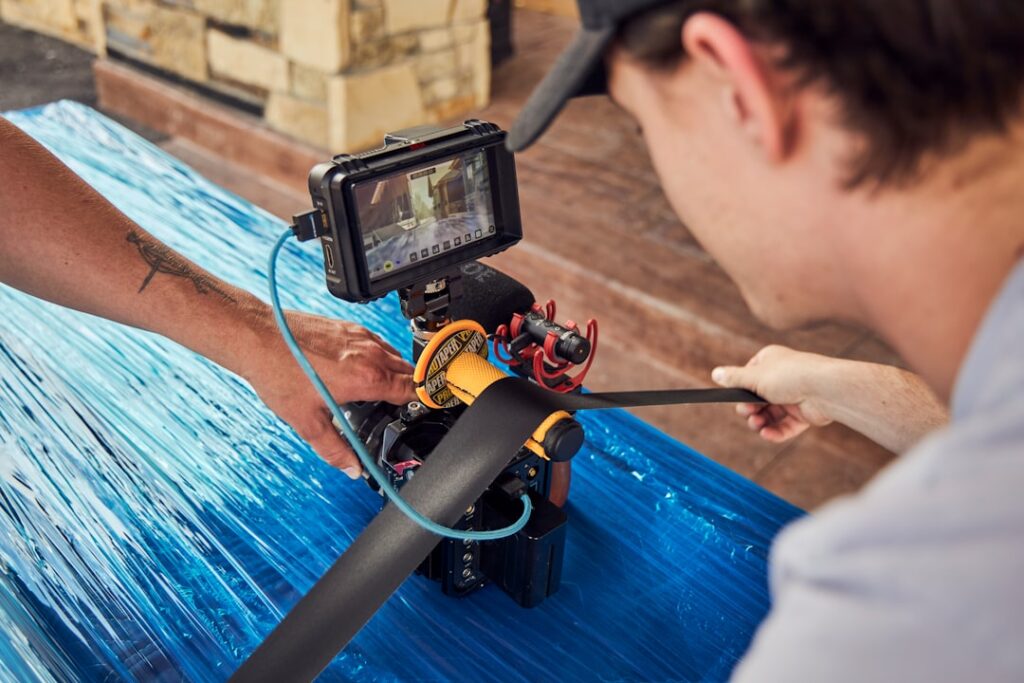
A sewer scope inspection involves feeding a flexible fiber-optic camera (typically called a push camera) down the home’s main sewer line from a cleanout, toilet flange, or roof vent. The camera is on a 100-to-200-foot semi-rigid cable with a self-illuminated lens. The technician pushes the camera through the line, recording video and noting distances at each finding. The inspection takes 30 to 90 minutes depending on line length and complexity.
The deliverable is a video file (typically MP4) plus a written report with screenshot stills of findings and distance markers. Modern scope cameras include locator beacons that allow the technician to mark the surface location of significant findings — useful when planning repairs because the buyer knows exactly where to dig. For broader context on inspection ancillaries, see the hiring a home inspector pillar.
What the camera reveals
Sewer scopes find five primary categories of problems. First, root intrusion — tree and shrub roots that have grown into the line through joint seals or cracks. Roots create flow restrictions and eventually catastrophic blockages. Second, breaks and offsets — sections of pipe that have shifted or fractured, often from ground settlement, earthquake, or vehicle traffic above the line.
Third, bellies — sections of pipe that have sagged below grade, creating low spots where waste collects and flow stalls. Fourth, scale and buildup — accumulated grease, soap scum, and mineral deposits that reduce effective pipe diameter. Fifth, illegal or compromised connections — improper tie-ins, abandoned lines that were never properly capped, and original Orangeburg pipe (tar-paper composite) that should have been replaced decades ago. Each finding has different repair implications.
Why sewer scopes matter on homes over 20 years old
Sewer lines have a defined service life. Cast iron pipes last 60 to 100 years. Clay tile pipes last 50 to 80 years. PVC and ABS plastic pipes last 50-plus years. Orangeburg (bituminous fiber pipe used roughly 1945 to 1972) was rated for 50 years but routinely fails by year 30 to 40. Homes built in the 1950s through 1970s with Orangeburg or aging clay tile are statistically at the highest risk for sewer line failure.
Even on younger homes, tree planting decisions in the 1980s and 1990s have produced 30-to-40-year-old mature trees with root systems that have invaded sewer lines. Cottonwood, willow, silver maple, and oak are the most aggressive root colonizers. Any home with mature trees within 30 feet of the sewer line warrants a scope. The sewer scope home inspection guide covers the real-estate negotiation context.
Cost and pricing variation
Sewer scope inspections cost $200 to $400 in most U.S. markets. Pricing varies by region, the technician’s equipment quality, and whether the scope is bundled with a standard home inspection. Bundled with a home inspection at the same visit, the sewer scope typically costs $200 to $300. As a stand-alone visit, $250 to $400. Premium markets and properties requiring access difficulty (no cleanout, must scope from the roof vent) command higher pricing.
Some inspectors include the sewer scope in the base home inspection fee for homes over a certain age threshold. Others always bill separately. Buyers should clarify the pricing structure upfront because the difference between a $450 inspection with included scope and a $450 inspection plus a $300 scope is meaningful.
When to commission the sewer scope
Several property characteristics make a sewer scope strongly advisable. Homes over 30 years old fall in the recommended zone. Homes with mature trees within 30 feet of the line are at elevated risk. Homes with a history of plumbing backups (which sellers may or may not disclose) are obvious candidates. Homes in older neighborhoods where Orangeburg or original clay tile was the standard pipe material at the time of construction warrant the scope regardless of age.
Scope timing matters. The standard recommendation is to commission the sewer scope at the same visit as the base home inspection — typically within the first 3 to 5 days of the buyer’s option period. That timing leaves room to negotiate findings before the option period expires.
Before versus after standard inspection
Some buyers ask whether the sewer scope should happen before or after the standard inspection. Operationally, the two services can happen simultaneously — the home inspector covers the interior while the sewer scope technician works at the cleanout outside. This bundled approach is the most common scheduling and saves both the buyer and the inspector a return visit.
If scheduling forces a sequence, the standard inspection should happen first because it reveals any access issues (no exterior cleanout, blocked toilet access) that might complicate the sewer scope. The sewer scope can then be scheduled the next day with full access information in hand. Buyers in tight option periods should book both services in the same call to ensure availability.
Reading the scope report and video
The scope report should include a brief written summary, a list of findings with distance markers, and video clips or screenshots illustrating each finding. The video footage shows the actual pipe interior from the camera’s perspective, with the operator’s voice-over noting distances and observations. A typical report runs 5 to 10 pages plus a 15-to-45-minute video file.
Findings are typically graded as minor (cosmetic, no action needed), moderate (preventive maintenance recommended), or major (repair or replacement needed). Root intrusion at 25 feet with no current restriction is minor. Active root intrusion creating 50 percent flow restriction is moderate. A complete pipe collapse or severe belly that has eroded is major.
Common findings and what they cost to repair
Root intrusion is the most common finding. Mechanical rodding to cut existing roots costs $200 to $500 and is preventive only — roots will return within 1 to 3 years. Hydro-jetting (high-pressure water cleaning) costs $400 to $1,000 and lasts longer. Foam root killers add $50 to $200 and slow regrowth.
Pipe replacement is the expensive option. Traditional dig-and-replace excavation costs $50 to $250 per linear foot depending on depth, surface restoration requirements, and accessibility. A 50-foot replacement under a paved driveway can reach $20,000 to $40,000. Trenchless repair methods (pipe lining, pipe bursting) cost $80 to $250 per linear foot and minimize surface disruption. Total repair costs typically range from $2,000 (minor spot repair) to $25,000 (full mainline replacement under hardscape). The sewer scope transaction guide covers negotiation strategy.
How findings affect the purchase negotiation
Sewer scope findings during a buyer’s option period create negotiating leverage. Minor findings (early-stage root intrusion, light scale buildup) rarely justify any negotiation adjustment — they are normal homeowner maintenance items. Moderate findings (active flow restriction, multiple offsets, partial Orangeburg failure) typically result in either a seller credit of $1,500 to $5,000 or a seller-paid repair before closing.
Major findings (collapsed sections, complete Orangeburg failure, severe bellies) often trigger one of three responses: a substantial seller credit of $10,000-plus, seller-paid full mainline replacement before closing, or buyer withdrawal from the contract. The buyer’s right to withdraw based on inspection findings is typically protected by the option period contingency in the purchase contract.
Sewer scope versus septic inspection
Properties on septic systems require septic inspection rather than sewer scope. Septic inspection covers the tank condition, baffles, drain field saturation, and pumping history. A septic inspection costs $300 to $600 and is functionally separate from sewer scope, which inspects sewer line connections to municipal service.
Some rural properties have both: a sewer line from the house to a septic tank, plus a drain field beyond. In these cases, both inspections may be advisable. Sewer scope covers the line from the house to the tank ($200 to $400); septic inspection covers the tank and drain field ($300 to $600). The combined investment of $500 to $1,000 is meaningful protection on rural transactions.
Pipe materials commonly found and their service profiles
Several pipe materials appear in residential sewer lines depending on the home’s construction era and region. Cast iron pipes are common in pre-1970 homes nationwide and last 60 to 100 years before significant degradation. Clay tile pipes appear in pre-1980 homes in many regions and last 50 to 80 years with proper installation. PVC plastic pipes have been standard since the late 1970s in most U.S. markets and offer 50-plus year service life.
Orangeburg pipe (bituminous fiber composite, used 1945 to 1972) is a known failure mode that often appears in scope inspections on homes from that era. ABS plastic pipes (gray or black plastic) appeared briefly in the 1970s and 1980s but were largely replaced by PVC. Concrete pipes appear in some commercial-adjacent residential applications and offer multi-decade service. Identifying the pipe material on a scope helps the buyer understand the remaining service life and likely repair pathway.
Access points and what each enables
Sewer scope inspections require physical access to the sewer line. Exterior cleanouts (a capped pipe rising above the lawn near the foundation) are the easiest access point and produce the most thorough scope because the camera enters at the start of the line and works toward the city tap. Interior cleanouts (in basements or utility rooms) work but require unscrewing the cleanout cap in tight spaces.
If no cleanout exists, the technician scopes from a removed toilet — disconnecting and reseating the toilet around the inspection. This approach takes 30 to 60 minutes longer than cleanout scoping and adds $50 to $150 to the inspection cost. Roof vent scoping is the third option but produces lower-quality footage because the camera must travel down and through several pipe turns before reaching the main line. Buyers commissioning a sewer scope should verify which access point the technician will use because each affects findings completeness.
When to commission a follow-up scope
Buyers who close on a property with documented minor findings should consider a follow-up scope at year 3 to 5 to monitor progression. Buyers who close on a property after a recent rodding or hydro-jet treatment should re-scope at year 2 to verify the treatment held. Buyers who plant new trees or do landscape work near the sewer line should scope before and after major landscaping to document any line damage.
Ongoing scope inspections are inexpensive insurance against escalating problems. A $300 scope every 3 to 5 years detects emerging issues while repair options remain affordable, rather than discovering a $25,000 mainline replacement at the worst possible moment.
References
- Standard of Practice — ASHI
- Sewer Inspection Guidance — InterNACHI
- International Codes — ICC
- Home Inspection Information — HUD
Frequently asked questions
How much does a home inspection sewer scope cost?
Sewer scope inspections cost $200 to $400 in most U.S. markets. Bundled with a standard home inspection at the same visit, $200 to $300. As a stand-alone visit, $250 to $400. Premium markets and difficult-access properties command higher pricing.
Should I get a sewer scope on a 1990s home?
Yes if the home has mature trees within 30 feet of the sewer line. Even modern PVC and ABS pipes are vulnerable to aggressive root systems. The $300 scope cost is small insurance against a potential $10,000-plus repair discovered after closing.
What does a sewer scope find?
The five most common findings are root intrusion, breaks and offsets, bellies (sagging low spots), scale and buildup, and illegal or compromised connections. Each finding has different repair implications ranging from $200 mechanical rodding to $40,000 full mainline replacement.
Can I use the sewer scope findings to negotiate?
Yes. Moderate findings typically result in seller credits of $1,500 to $5,000 or seller-paid pre-closing repair. Major findings (collapsed pipe, complete Orangeburg failure) often trigger $10,000-plus credits or buyer withdrawal under the option period contingency.
Front Range buyers shopping for a sewer scope bundled with a vetted home inspector can connect with a local professional through our contact page.