How to Kill Black Mold in Shower: A Clear Guide
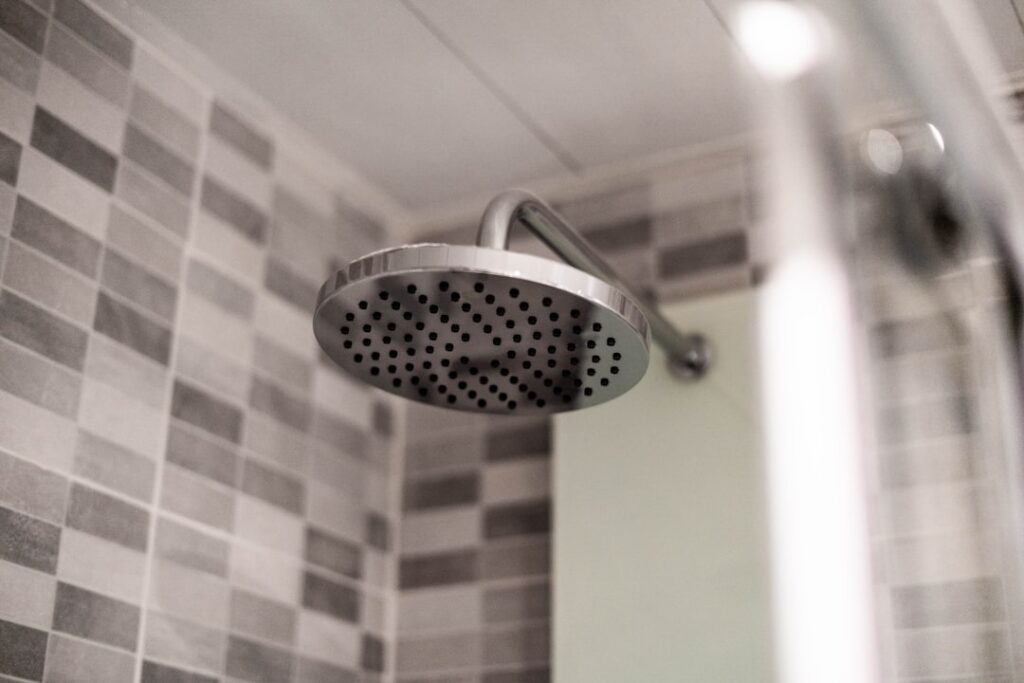
The shower is mold’s home turf. It is warm, wet several times a day, and often poorly ventilated, which is exactly the recipe dark growth needs to settle into grout lines, silicone caulk, and corners. The good news is that shower mold is usually surface-level and within a homeowner’s reach. This guide explains how to kill black mold in shower areas safely, which products actually work, and how to keep it from returning. It summarizes EPA and CDC guidance current as of 2026; consult your physician for symptoms and a certified professional for testing or large-scale removal decisions.
Is this mold, asbestos, or water damage? Get a free instant screen
Upload a clear photo of the suspect area. You'll get an instant AI screening opinion and what to do next. This is screening guidance, not a professional determination.
Screening guidance only. AI can be wrong. Confirm asbestos, mold type, or lead with lab testing or a licensed professional before acting.
How to Kill Black Mold in Shower Surfaces
Shower surfaces are mostly non-porous, tile, glass, fiberglass, and sealed stone, which makes cleaning effective. The EPA says small areas of mold on hard surfaces can be cleaned by scrubbing with detergent and water, then drying. The basic approach is to apply a cleaner, let it dwell, scrub the growth away, rinse, and dry.
Grout and silicone caulk are the trouble spots because they are slightly porous and stay wet. Mold on grout usually scrubs out, but staining on old silicone caulk often penetrates the material, and replacing the caulk bead is faster and more durable than endless scrubbing. The CDC notes “toxic mold” is a misleading term, so the response to dark shower mold is the same as any mold: remove it and control the moisture.
Wear protection even for this routine job: an N-95 respirator, gloves, and eye protection, since scrubbing releases spores. Ventilate the bathroom with the fan and an open door. The guide on how to clean mold covers the general method that applies here.
What Products Actually Work
Several cleaners handle shower mold. Soap and water are sufficient for routine cleaning per the CDC. White vinegar, sprayed undiluted and left to dwell for at least an hour, kills many surface molds and is safe to handle. A diluted bleach solution of no more than one cup of household bleach per gallon of water, as the EPA recommends, removes both mold and staining from hard surfaces.
Hydrogen peroxide at around 3 percent and commercial mold cleaners are other options. The cardinal rule is never to mix products, especially bleach with vinegar or ammonia, because the combination releases toxic gas. For deeply stained grout, a baking soda paste scrubbed in can help lift discoloration. The guide on whether vinegar kills black mold compares the common options.
Step-by-Step Method for Grout and Caulk
Start by ventilating the bathroom and putting on protection. Spray your chosen cleaner generously on the moldy grout and caulk, then let it dwell, several minutes for bleach solution, up to an hour for vinegar, so it can penetrate. Scrub the grout lines with a stiff brush or an old toothbrush, working the bristles into the seams.
Rinse thoroughly and wipe the surfaces dry. Inspect the caulk: if dark staining remains embedded after scrubbing, the silicone has likely absorbed the pigment, and the fix is to cut out the old bead and apply fresh mold-resistant caulk. Dry the entire shower, run the fan, and check the area in a few days to confirm the mold has not returned. Discard the brush or sponge if it contacted heavy growth.
Why Black Mold Keeps Coming Back in Showers
Recurring shower mold is a moisture problem, not a cleaning failure. The shower stays wet long after use, and if the bathroom does not dry out quickly, mold re-establishes. The most common cause is inadequate ventilation: a weak exhaust fan, no fan at all, or a fan that vents into the attic instead of outside.
Other contributors include grout that has lost its seal, cracked or aging caulk that traps water, and the simple habit of leaving wet surfaces undried. The EPA’s guiding principle is to keep indoor humidity below 50 percent, which is hardest in a bathroom. Until the moisture is managed, the same spots will keep needing attention no matter how thoroughly you scrub.
How to Stop Shower Mold From Returning
Prevention is mostly about drying the shower fast. Run the exhaust fan during every shower and for at least 20 to 30 minutes afterward, or crack a window if there is no fan. Squeegee glass doors and walls after showering, and leave the shower door or curtain open so air circulates and surfaces dry.
Reseal grout periodically to keep it from absorbing water, and replace cracked or stained caulk with a mold-resistant product. Wipe down corners and the bottom track of glass doors, where water pools. Confirm the fan actually vents outdoors and moves enough air for the room. These small habits, combined with a working fan, keep shower mold from getting a foothold in the first place.
When Shower Mold Signals a Bigger Problem
Most shower mold is cosmetic and surface-level, but occasionally it hints at something larger. Mold spreading beyond the wet zone, soft or discolored drywall around the shower, a musty smell that lingers, or growth that returns within days despite good cleaning and ventilation can indicate a hidden leak behind the tile or wall.
A failing shower pan, a leaking valve, or water wicking into the wall cavity can feed mold you cannot see. In those cases, surface cleaning is only cosmetic, and the leak must be found and repaired. The guide on cleaning mold on the bathroom ceiling covers related ventilation and moisture issues that often accompany shower problems.
Is the Black Stuff in My Shower Dangerous?
The dark growth in a shower looks alarming, but it is worth keeping in perspective. Most shower mold is a common, surface-dwelling type rather than the feared Stachybotrys, which generally needs chronically soaked cellulose materials like drywall to establish, not glazed tile. The CDC describes the term “toxic mold” as misleading and notes that the so-called black mold is not uniquely dangerous compared with other indoor molds.
That said, all mold can cause allergic and respiratory symptoms in sensitive people, so shower growth should be cleaned rather than ignored. For most healthy people, the dark patches on grout and caulk are an aesthetic and hygiene issue more than a health emergency. People with asthma, allergies, or weakened immune systems may react more and should be cautious during cleaning. The sensible response is to remove the growth promptly, improve ventilation, and not lose sleep over the color. The guide on whether black mold is toxic covers the science behind that reassurance.
Why Showers Grow Black Mold So Easily
The shower combines every condition mold needs in one small space. It is wet multiple times a day, warm from hot water, and often poorly ventilated, so moisture lingers on surfaces long after use. Soap scum and body oils add a thin organic film that gives mold something to feed on, even on otherwise non-porous tile. The result is an environment almost purpose-built for growth.
Certain spots concentrate the problem. Grout and caulk stay damp because they sit at the lowest, wettest points and absorb a little water. Corners and the bottoms of glass doors trap standing water. Shaded areas behind bottles and shelves dry slowly. Understanding why the shower is so hospitable explains why cleaning alone is never a permanent fix: until the surfaces dry quickly after each use, the conditions that grow mold remain. The guide on colors of mold explains why the dark growth in showers is not necessarily the feared Stachybotrys.
Tackling Mold in Specific Shower Spots
Different parts of the shower hold mold for different reasons and respond to different tactics. Grout lines trap water and grime, so scrub them with a stiff brush or old toothbrush after letting cleaner dwell, then reseal the grout once it is clean and dry to keep it from reabsorbing moisture. Silicone caulk along the base and corners often stains deep into the material; when scrubbing fails, cutting out the old bead and replacing it with mold-resistant caulk is the durable fix.
Glass doors and their bottom tracks collect standing water, so squeegee the glass after showering and clean the track regularly, since debris there stays perpetually wet. Showerheads and handheld units can harbor growth inside; soaking them in vinegar clears mineral buildup and mold alike. Fabric shower curtains and liners can often be laundered or simply replaced when growth sets in. Matching the method to the spot is more effective than treating the whole enclosure the same way.
Choosing Between Vinegar, Bleach, and Commercial Cleaners
The cleaner you reach for should match the surface and the severity. White vinegar, applied undiluted and given an hour to dwell, kills many surface molds and is the safest option for routine maintenance, with no toxic fumes. It is a sensible default for a small, regular cleaning.
A diluted bleach solution, one cup per gallon of water, removes both growth and staining more aggressively from non-porous tile and glass, which makes it useful for stubborn discoloration, though it demands ventilation and care. Commercial bathroom mold cleaners combine surfactants and disinfectants for convenience but cost more and are no more effective than vinegar or bleach on porous grout and caulk. The non-negotiable rule across all of them is never to mix bleach with vinegar or ammonia. The guide on sprays that kill mold compares the commercial products with household options.
Building a Mold-Resistant Shower Routine
The most effective long-term strategy is a quick daily habit rather than occasional deep cleans. After each shower, run the exhaust fan for 20 to 30 minutes and squeegee the glass and tile walls to remove the film of water mold needs. Leaving the shower door or curtain open afterward lets surfaces dry rather than trapping humidity.
Weekly, wipe down corners, the door track, and the bottom of the curtain liner, and spray vulnerable grout and caulk with vinegar as a preventive measure. Periodically reseal grout and replace cracked caulk before it stains. Keeping bathroom humidity down, which the EPA frames as staying below 50 percent overall, is harder in a shower than anywhere else, so these small habits carry real weight. A shower that dries quickly after each use simply does not give mold the standing water it requires to establish.
When to Call a Professional
Shower mold is usually a DIY job, but call a professional if growth covers more than about 10 square feet, if a leak behind the tile or wall is suspected, if a musty smell persists with no visible source, or if mold keeps returning despite proper cleaning and ventilation. Anyone with asthma, allergies, or a weakened immune system should avoid doing the cleanup.
A qualified inspector can detect hidden moisture with meters and thermal imaging, and a remediation contractor can address growth inside the wall safely. The mold inspection and testing hub explains when that step is worth it. For a typical patch of mold on grout and caulk, though, a careful clean and better ventilation usually solve the problem for good. The dividing line is simple: if the mold stays on the visible surfaces and the wall behind feels solid and dry, it is a homeowner job, but any sign that water has gotten into the structure shifts it to professional territory.
References
- Mold Cleanup in Your Home — U.S. Environmental Protection Agency
- About Mold and Health — Centers for Disease Control and Prevention
- A Brief Guide to Mold, Moisture and Your Home — U.S. Environmental Protection Agency
- Mold and Your Health — Colorado Department of Public Health and Environment
If shower mold keeps coming back and you suspect a leak behind the wall, we can connect Front Range homeowners with a vetted local inspector to find it. Get in touch through our contact page for a referral.
Mold removal & cleanup picks
For a small, contained patch (under ~10 sq ft) these EPA-friendly removers handle surface mold. Larger or recurring growth warrants a professional assessment first.
| Product | Why | Buy |
|---|---|---|
 RMR-86 Instant Mold Stain Remover RMR-86 Instant Mold Stain Remover | Fast-acting on stains; ventilate and wear PPE. | Amazon — $18.38 |
 Concrobium Mold Control Concrobium Mold Control | No-bleach formula that also helps prevent regrowth. | Amazon — $13.47 |
 Mold Armor Mold & Mildew Remover Mold Armor Mold & Mildew Remover | Widely stocked bathroom/surface remover. | Amazon — $22.98 |