How to Clean Mold On Bathroom Ceiling: A Clear Guide
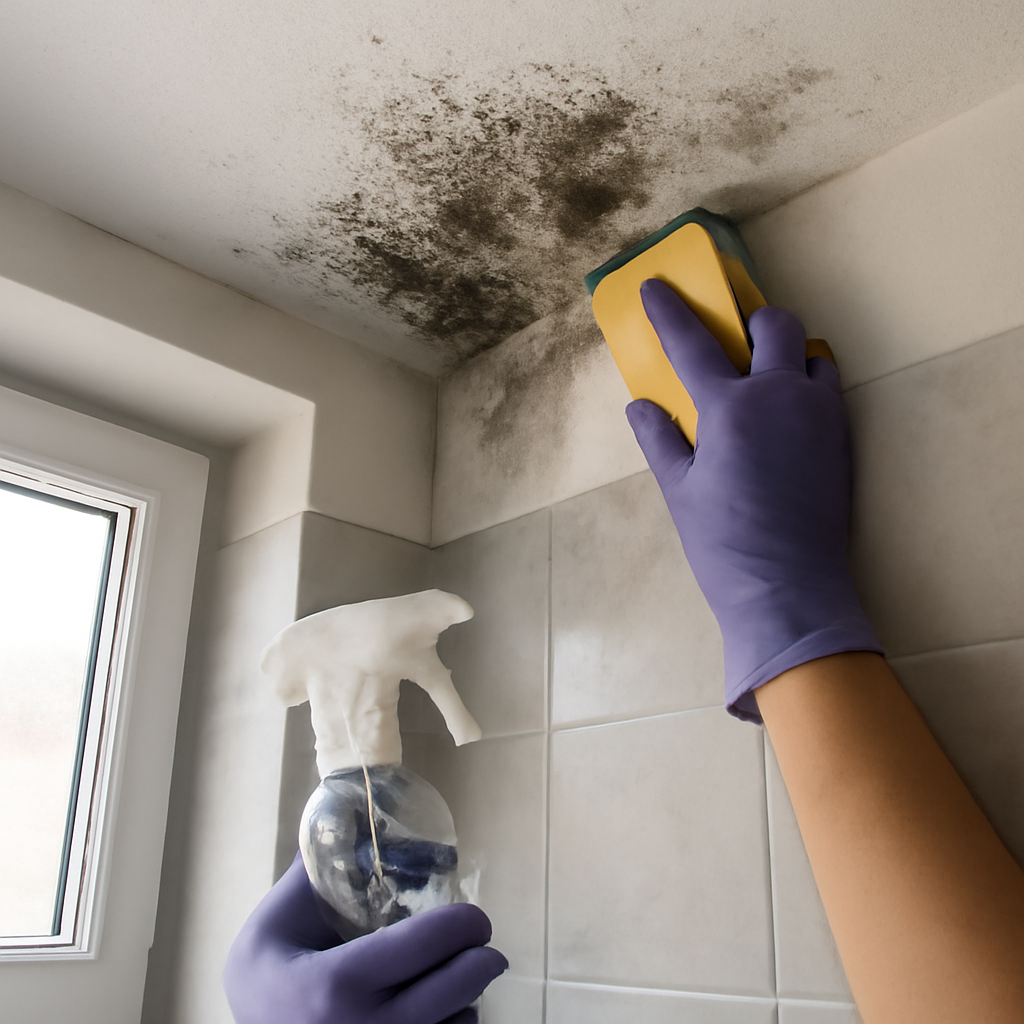
The bathroom ceiling is mold’s favorite stage. Hot showers send moist air upward, it condenses on the cool ceiling, and within weeks a constellation of black or gray spots appears overhead. Cleaning it is usually within a homeowner’s reach, but doing it safely and preventing the rerun takes a bit of method. This guide walks through how to clean mold on bathroom ceiling surfaces, what supplies work, and how to keep the spots from returning. It summarizes EPA and CDC guidance current as of 2026; consult your physician for symptoms and a certified professional for testing or large-scale removal decisions.
Part of our Mold Removal & Remediation guide — start there for the full picture →
Is this mold, asbestos, or water damage? Get a free instant screen
Upload a clear photo of the suspect area. You'll get an instant AI screening opinion and what to do next. This is screening guidance, not a professional determination.
Screening guidance only. AI can be wrong. Confirm asbestos, mold type, or lead with lab testing or a licensed professional before acting.
How to Clean Mold On Bathroom Ceiling Surfaces
For a typical painted drywall ceiling with surface mold under about 10 square feet, the job is a homeowner one. The EPA says small areas of mold on hard surfaces can be cleaned by scrubbing with detergent and water, then drying completely. The core steps are protect yourself, treat the surface, scrub, and dry.
Start by ventilating the room and putting on protection: an N-95 respirator, gloves, and goggles, since cleaning overhead means debris and spores can fall toward your face. Apply your cleaning solution to the ceiling, let it dwell, then gently scrub the spots. Wipe the area clean and dry it thoroughly with a fan running. Avoid soaking painted drywall, because saturating it can damage the surface and feed deeper growth.
If the mold is only on the paint and the ceiling feels firm, surface cleaning usually succeeds. If the drywall is soft, sagging, or stained brown from water, the mold has likely penetrated the gypsum and the affected section may need to be cut out and replaced. The guide on how to clean mold covers the difference between a wipeable surface and a compromised one.
What Supplies You Need
The supply list is short. A household detergent or dish soap, warm water, a sponge or soft scrub brush on an extension pole, microfiber cloths, and a fan or dehumidifier for drying handle most jobs. The CDC notes that for routine cleaning, soap and water are sufficient and bleach is not always necessary.
If you opt to disinfect, the EPA recommends a solution of no more than one cup of household bleach per gallon of water. White vinegar is a milder alternative that works on many surface molds. Never mix bleach with ammonia or vinegar, since the combination releases toxic gas. Because you are working overhead, wear eye protection without vents so nothing drips into your eyes.
Step-by-Step Cleaning Method
Clear the bathroom of towels and toiletries and lay a drop cloth on the floor to catch drips. Open a window and run the exhaust fan. Apply your detergent solution or vinegar to the moldy spots and let it sit for several minutes, or up to an hour for vinegar, so it can loosen the growth.
Scrub gently with a soft brush or sponge, working in small sections to avoid spreading the mold. Wipe each section clean with a damp microfiber cloth, then rinse the cloth frequently. Once the spots are gone, dry the entire ceiling with a fan and keep the room ventilated for several hours. Bag and discard the used cloths and any sponge that contacted heavy growth rather than reusing them. Inspect the ceiling a few days later to confirm the mold has not returned.
Why Mold Grows on Bathroom Ceilings
The cause is almost always condensation. Showers and baths fill the room with warm, moist air that rises and meets the cooler ceiling surface, where it condenses into a thin film of water. That film is all mold needs. Poor ventilation makes it worse by trapping the humid air long enough for growth to establish.
Two ventilation failures dominate. The exhaust fan may be undersized, too weak to clear the moisture before it condenses, or it may vent into the attic rather than outside, dumping humid air into the building cavity. A fan that runs but never seems to help often has one of these problems. Front Range bathrooms with exterior-facing ceilings can also stay cold enough to encourage condensation in winter.
How to Stop Bathroom Ceiling Mold From Returning
Prevention beats repeated scrubbing. Run the exhaust fan during every shower and for at least 20 to 30 minutes afterward to clear lingering moisture. If you do not have a fan, crack a window or door to vent the steam. Confirm that the fan actually exhausts outdoors, not into the attic, and that it moves enough air for the room size.
Keep the bathroom door open after showering when possible, wipe down a small bathroom after heavy use, and address any plumbing leaks promptly. The EPA’s guiding principle is to keep indoor humidity below 50 percent, and a bathroom is where that is hardest to maintain. If condensation persists despite a working fan, improving insulation on a cold ceiling can help. The mold inspection and testing hub describes how a professional traces stubborn moisture when the cause is not obvious.
When the Ceiling Problem Is Bigger Than It Looks
Sometimes a ceiling stain is the tip of a larger issue. A roof leak, a leaking pipe in the floor above, or condensation inside the attic can soak the ceiling from above, producing mold that returns no matter how often you clean the surface. Brown water stains, a persistent damp feel, or mold that reappears within days of cleaning all point to a source beyond the bathroom air.
In those cases, cleaning the visible mold is only cosmetic. The water source has to be found and fixed, and the affected drywall may need replacement. The guide on black mold in the ceiling covers how to tell a surface problem from a structural one.
Preventing Ceiling Mold From Returning
Once the ceiling is clean, a few habits keep it that way. Run the exhaust fan during every shower and for 20 to 30 minutes afterward, leave the bathroom door open when you can so humid air disperses, and wipe down a small bathroom after heavy use. These small routines drop the humidity that condensation needs before mold can re-establish.
For a longer-term safeguard, consider a mold-resistant paint formulated for bathrooms when you next repaint the ceiling, and address any insulation gaps on a cold exterior-facing ceiling. The EPA’s overarching guidance, keeping indoor humidity below 50 percent, is the target, and a bathroom is simply the room where hitting it takes the most attention. A ceiling that dries quickly after each shower rarely grows mold again.
Fixing the Ventilation That Causes It
Since most bathroom ceiling mold traces to condensation, the lasting fix usually lives in the ventilation system. Start by confirming the exhaust fan actually works: hold a square of tissue to the grille while it runs, and if it does not hold against the suction, the fan is weak, clogged, or improperly ducted. A fan that runs but never clears the steam is doing little.
Two upgrades address most problems. First, ensure the fan is sized for the room; a larger bathroom needs a higher airflow rating to clear moisture before it condenses. Second, confirm the duct vents to the outside, not into the attic, where it dumps humid air into the building and can cause mold above the ceiling. Adding a timer or humidity-sensing switch keeps the fan running long enough after a shower without relying on memory. For a cold exterior-facing ceiling, improving attic insulation reduces the cold surface condensation forms on. These fixes attack the cause rather than the symptom, which is what stops the spots from returning.
Choosing the Right Cleaner for Your Ceiling
Different cleaners suit different ceiling situations. For routine surface mold on painted drywall, soap and water or white vinegar is usually enough and gentlest on the paint. White vinegar, sprayed undiluted and left to dwell for an hour, kills many surface molds without harsh fumes, which is an advantage when working overhead in a small, enclosed room.
A diluted bleach solution, no more than one cup per gallon of water, removes both mold and staining more aggressively, but the fumes are stronger and dripping bleach can damage surfaces or skin, so ventilation and eye protection matter even more. Hydrogen peroxide at around 3 percent is a milder alternative that also lifts some staining. Whatever you choose, never combine bleach with vinegar or ammonia, and test a small area first if the ceiling paint is delicate. Matching the cleaner to the severity of the growth avoids both under-treating a stubborn patch and over-applying harsh chemicals to a minor one.
Mold Versus Mildew on the Ceiling
Not every spot on a bathroom ceiling is the same. Mildew is a surface growth, usually powdery and gray or white, that sits on top of the paint and wipes away easily. It is the most common bathroom ceiling growth and rarely indicates a deeper problem beyond humidity. True mold growth can be fuzzier or slimier, may appear black or green, and is more likely to have penetrated the paint or drywall.
The distinction matters for how you respond. Surface mildew clears with a quick clean and better ventilation. Mold that has penetrated, or that returns quickly after cleaning, points to either a persistent moisture problem or growth in the drywall that needs more than a wipe. If a spot smears and reappears within days despite a working fan, treat it as the more serious case and investigate the moisture source rather than simply re-cleaning. The guide on colors of mold helps make sense of what different appearances suggest.
Protecting Yourself While Working Overhead
Cleaning a ceiling concentrates the usual mold-cleanup hazards because everything falls toward you. Wear non-vented goggles so cleaner cannot drip into your eyes, an N-95 respirator to block spores you dislodge, and gloves to protect your hands. A long-sleeved shirt you can launder afterward keeps spores and cleaner off your skin.
Use an extension pole rather than balancing on a ladder where possible, both to reduce fall risk and to keep your face farther from the disturbed mold. Work in short sessions, ventilate continuously, and avoid looking directly up at the spot while scrubbing. People with asthma, allergies, or weakened immune systems should not do overhead mold cleaning at all, since the position maximizes their exposure. A little caution here prevents the irony of giving yourself a reaction while cleaning to prevent one.
When to Call a Professional
Call a professional when the moldy area exceeds about 10 square feet, when the ceiling is soft or sagging from water damage, when mold returns repeatedly despite proper cleaning and ventilation, or when a musty smell has no visible source. Mold tied to a roof leak or upstairs plumbing also warrants a pro, because the water source must be addressed alongside the growth.
Anyone in the household with asthma, allergies, or a weakened immune system should avoid doing overhead mold cleanup. A qualified inspector can pinpoint the moisture source with meters and thermal imaging, and a remediation contractor can remove contaminated material safely. For a routine patch of surface mold on a sound ceiling, though, careful DIY cleaning and better ventilation usually resolve the problem for good.
References
- Mold Cleanup in Your Home — U.S. Environmental Protection Agency
- About Mold and Health — Centers for Disease Control and Prevention
- A Brief Guide to Mold, Moisture and Your Home — U.S. Environmental Protection Agency
- Mold and Your Health — Colorado Department of Public Health and Environment
Frequently asked questions
Can I clean mold off my bathroom ceiling myself?
Yes, if it is surface mold on a sound painted ceiling under about 10 square feet. Scrub with detergent or vinegar, wear an N-95 respirator, gloves, and goggles, and dry the area completely afterward.
What is the best cleaner for bathroom ceiling mold?
Soap and water are sufficient for routine cleaning, per the CDC. White vinegar works on many surface molds, and a diluted bleach solution of one cup per gallon disinfects. Never mix bleach with vinegar or ammonia.
Why does mold keep coming back on my ceiling?
Recurring ceiling mold usually means moisture is not being cleared. Common causes are a weak or improperly vented exhaust fan, poor ventilation, or a hidden leak from the roof or upstairs plumbing.
When should I call a professional for ceiling mold?
Call a pro if the area exceeds about 10 square feet, the ceiling is soft or water-stained, mold returns despite proper cleaning, or there is a musty smell with no visible source. A roof or plumbing leak also needs professional attention.
If bathroom ceiling mold keeps returning and you suspect a hidden leak, we can connect Front Range homeowners with a vetted local inspector to find the source. Get in touch through our contact page for a referral.
Mold removal & cleanup picks
For a small, contained patch (under ~10 sq ft) these EPA-friendly removers handle surface mold. Larger or recurring growth warrants a professional assessment first.
| Product | Why | Buy |
|---|---|---|
 RMR-86 Instant Mold Stain Remover RMR-86 Instant Mold Stain Remover | Fast-acting on stains; ventilate and wear PPE. | Amazon — $29.99 |
 Concrobium Mold Control Concrobium Mold Control | No-bleach formula that also helps prevent regrowth. | Amazon — $11.26 |
 Mold Armor Mold & Mildew Remover Mold Armor Mold & Mildew Remover | Widely stocked bathroom/surface remover. | Amazon — $22.98 |