Black Mold in the Shower: A Clear Homeowner Guide
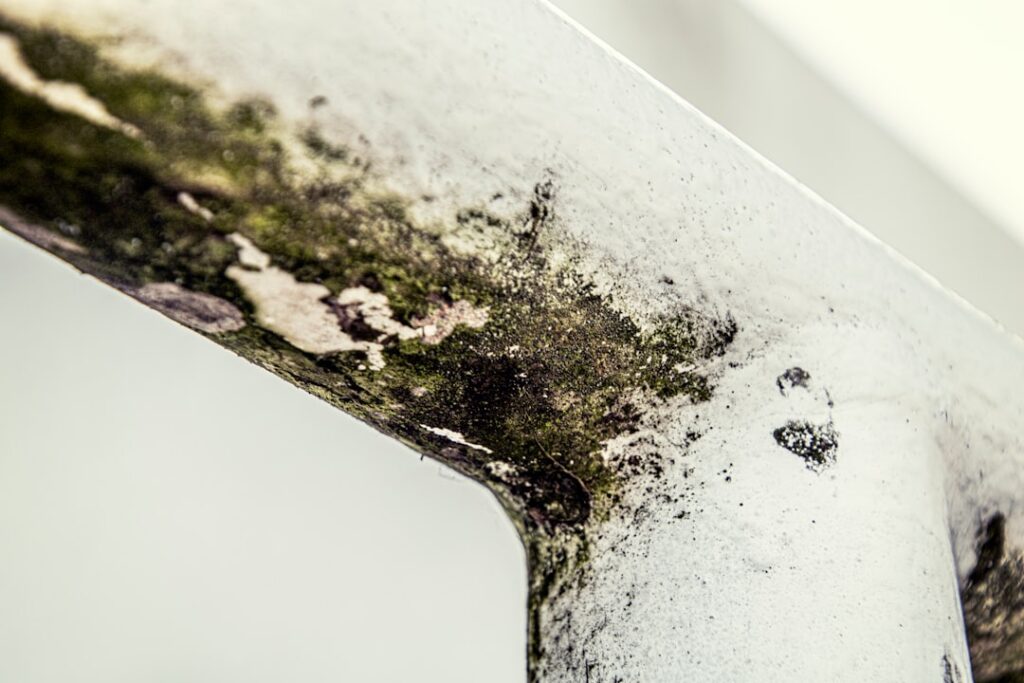
The shower is the most reliable mold factory in a house, combining warmth, constant moisture, and soap residue that mold feeds on. Black mold in the shower is so common that many homeowners assume it is just part of bathroom life, but persistent dark growth can also point to problems behind the tile. This guide explains what the black staining means, how to clean it safely, and how to keep it from returning. It summarizes EPA and CDC guidance current as of 2026; consult a certified professional for testing decisions and your physician for any health symptoms.
Is this mold, asbestos, or water damage? Get a free instant screen
Upload a clear photo of the suspect area. You'll get an instant AI screening opinion and what to do next. This is screening guidance, not a professional determination.
Screening guidance only. AI can be wrong. Confirm asbestos, mold type, or lead with lab testing or a licensed professional before acting.
What causes black mold in the shower?
Showers give mold everything it needs. Each use leaves the surfaces wet, the room warm, and a film of soap and body oil that serves as food. Grout lines, silicone caulk, and any porous surface trap moisture longest, which is why black staining usually starts there rather than on the smooth tile face.
Ventilation is the deciding factor. A bathroom that dries within an hour after a shower resists mold; one that stays humid for hours grows it. Many of the dark spots people call black mold are actually surface mildew, a simpler problem. Our comparison of mildew versus black mold explains how to tell the routine surface stain from something deeper.
Is shower mold dangerous?
Most shower mold is surface growth on grout and caulk rather than the toxic species people fear, and color alone cannot identify it. The CDC advises removing all indoor mold regardless of type, because dampness itself drives the health concern. For most people, occasional shower mildew is a nuisance to clean, not an emergency.
Sensitivity matters, though. People with asthma, allergies, or weakened immune systems can react to even small amounts of mold, so they should clean promptly and wear protection or have someone else handle it. Persistent, spreading black growth that resists cleaning warrants closer attention, since it may indicate moisture behind the wall.
How to clean black mold in the shower
For surface mold on tile, grout, and caulk, cleaning is straightforward but benefits from method. Ventilate the bathroom, wear gloves and eye protection, and pick a single product rather than mixing cleaners. Hydrogen peroxide, white vinegar, or an EPA-registered mold cleaner applied and left to dwell works on most shower surfaces.
Let the product sit for its labeled dwell time before scrubbing with a stiff brush, then rinse and dry. Avoid bleach mixtures, and never combine bleach with other cleaners. For grout that stays stained after cleaning, the discoloration may be set rather than active mold. Our guide to getting rid of black mold in the shower covers the step-by-step routine in detail.
When caulk has to be replaced
Silicone caulk is porous enough that mold roots into it, and once that happens cleaning rarely restores it. Black staining embedded in the caulk seam usually means cutting out the old caulk and re-sealing with a mold-resistant product. Re-caulking a shower is a manageable weekend task and often the only durable fix for moldy seams.
When black mold signals a deeper problem
Sometimes shower mold is a symptom of moisture behind the tile. If staining keeps returning despite good cleaning, or appears on the ceiling and walls outside the wet zone, water may be getting into the wall cavity through failed grout, a cracked tile, or a leaking valve. That hidden moisture feeds mold the surface cleaning cannot reach.
Soft or spongy areas in the shower wall, loose tiles, and musty smells that persist after cleaning all point inward. At that stage, the problem is no longer cosmetic. Moisture meters can reveal dampness behind the tile, and the mold inspection and testing hub explains how professionals assess what lies behind a shower wall.
Preventing shower mold from returning
Prevention comes down to drying the shower faster. Run the exhaust fan during and for at least 20 to 30 minutes after each shower, and confirm it vents outside rather than into the attic. Squeegeeing the walls and glass after showering removes the standing water mold needs.
The EPA recommends keeping indoor humidity below about 60 percent, and a bathroom is the hardest room to hold there. Leaving the door open after showering, wiping down surfaces, and keeping grout sealed all help. A well-ventilated, quickly dried shower simply does not give mold the time it needs to establish.
Bathroom fan and ventilation fixes
An undersized or absent exhaust fan is the root of many recurring shower-mold problems. The fan should be sized to the bathroom’s square footage and ducted to the exterior. A fan that merely recirculates or vents into the attic moves moisture rather than removing it, and can create mold problems above the bathroom.
If your bathroom lacks a fan or relies on a window that stays shut in winter, adding proper ventilation is the highest-value prevention step. It addresses the cause, where cleaning addresses only the symptom. Pairing good ventilation with quick drying after each use breaks the cycle for good.
When to call a professional
Most shower mold is a homeowner job, but some situations call for help. Mold that keeps returning after cleaning and re-caulking, growth spreading beyond the shower onto walls and ceilings, and any sign of moisture inside the wall cavity all suggest a hidden leak that needs professional diagnosis.
Larger areas, anyone in the home with respiratory sensitivity, and structural softness in the wall also justify a call. A professional can determine whether the issue is surface mildew or a leak behind the tile, which decides whether you keep a cleaning bottle handy or open the wall to fix the source.
The role of grout and caulk in shower mold
Grout and caulk are where shower mold concentrates, and understanding why helps you target it. Both are more porous than tile or glass, so they hold moisture longer and give mold a textured surface to anchor in. Grout lines and the caulk seams at corners and along the tub edge stay damp after the tile face has dried.
This is why the same shower can have spotless tile and persistently moldy seams. Cleaning the grout and caulk requires more dwell time and scrubbing than the tile, and caulk that has mold embedded through it usually resists cleaning entirely. Keeping grout sealed and replacing caulk before it stains addresses the two spots where shower mold most stubbornly takes hold.
Why shower curtains and liners grow mold
Fabric and plastic shower curtains and liners are mold magnets because they stay wet and collect soap residue. The folds at the bottom trap water, and the warm, humid environment keeps them damp between uses. Mold and the pink bacterial film both establish here readily, often before they appear on hard surfaces.
Management is simpler than for embedded mold. Washable curtains and liners can be laundered with a mold-targeting additive, and inexpensive liners are often cheaper to replace than to clean thoroughly. Letting the curtain hang spread out to dry, rather than bunched, after each shower removes the trapped moisture that growth depends on.
Condensation versus a hidden leak
Distinguishing condensation-driven mold from leak-driven mold guides your response. Condensation mold appears on surfaces that get wet from steam and humidity and stays surface-level, responding to cleaning and better ventilation. It clusters where the room stays humid longest, often near the ceiling and in poorly ventilated corners.
Leak-driven mold behaves differently. It recurs in the same spot despite cleaning, may appear outside the wet zone, and can accompany soft tile, loose grout, or staining on the wall or ceiling beyond the shower. That pattern points to water escaping into the wall cavity, which ventilation cannot fix and which calls for finding and repairing the leak behind the tile.
Cleaning frequency and prevention routine
A light, regular routine beats occasional heavy scrubbing. Wiping or squeegeeing the walls and glass after each shower removes the standing water mold needs, and a quick weekly wipe of the grout and corners keeps growth from establishing. Consistency makes each cleaning trivial rather than a major effort.
Ventilation underpins the routine. Running an exhaust fan that vents outside during and for 20 to 30 minutes after each shower, and leaving the door open afterward, dries the room quickly. A shower that dries within an hour rarely grows mold, so the prevention routine is really a drying routine, with cleaning as a light supplement rather than the main defense.
Long-term shower upgrades that reduce mold
Certain upgrades make a shower inherently more mold-resistant. Replacing a failing or undersized exhaust fan with one properly sized and ducted outside addresses the root ventilation problem. Re-grouting with a quality sealed grout and re-caulking with a mold-resistant silicone removes the porous footholds where growth concentrates.
Material choices help too. Larger-format tiles mean fewer grout lines, glass doors dry faster than fabric curtains, and a sloped, well-draining shower floor leaves less standing water. These improvements cost more than a bottle of cleaner, but in a shower with a chronic mold problem, they change the underlying conditions rather than just treating the symptom each week.
Health considerations for shower mold
For most people, occasional shower mildew is a cleaning nuisance rather than a health emergency, but sensitivity varies. The CDC notes that mold exposure can trigger or worsen symptoms in people with asthma, allergies, or weakened immune systems. Those individuals should have shower mold cleaned promptly and may prefer that someone else handle it.
This guide is informational and not medical advice. Anyone experiencing respiratory symptoms they suspect are linked to bathroom mold should consult a physician about the health side while addressing the moisture and growth on the building side. Keeping the shower clean and well-ventilated reduces how much mold and spore material anyone in the household is exposed to.
When the problem is bigger than the shower
Sometimes shower mold is the visible edge of a wider bathroom moisture problem. Growth spreading to the ceiling, walls beyond the wet zone, or an adjacent room suggests the whole bathroom stays too humid or that water is moving inside the structure. At that point, ventilation and possible leaks, not just the shower surfaces, need attention.
Reading these signals correctly saves effort. A shower that needs only better drying and occasional cleaning is one problem; a bathroom showing mold well beyond the shower is another. The second pattern is a prompt to evaluate the exhaust fan, check for hidden leaks, and consider an independent assessment rather than continuing to scrub the same recurring spots.
A simple weekly shower-mold routine
Keeping a shower mold-free is easier as a light weekly habit than an occasional deep clean. Once a week, wipe the grout lines, corners, and caulk seams with a chosen cleaner, letting it dwell briefly before rinsing. This catches early growth before it establishes and keeps the porous spots, where mold concentrates, from taking hold.
Pair the weekly wipe with daily drying. Squeegee the walls and glass after each use, run the exhaust fan, and leave the door open to dry the room. The combination of daily drying and a quick weekly cleaning keeps shower mold from ever becoming the stubborn, scrubbing-intensive problem it turns into when surfaces stay damp and unattended.
References
- Mold Cleanup in Your Home — U.S. Environmental Protection Agency
- About Mold and Health — Centers for Disease Control and Prevention
- A Brief Guide to Mold, Moisture and Your Home — U.S. Environmental Protection Agency
- Bathroom Ventilation Standards — International Association of Certified Home Inspectors
Front Range homeowners whose shower mold keeps returning despite cleaning can get in touch through our contact page for a connection to a qualified local inspector who can check for moisture behind the tile.
Mold removal & cleanup picks
For a small, contained patch (under ~10 sq ft) these EPA-friendly removers handle surface mold. Larger or recurring growth warrants a professional assessment first.
| Product | Why | Buy |
|---|---|---|
 RMR-86 Instant Mold Stain Remover RMR-86 Instant Mold Stain Remover | Fast-acting on stains; ventilate and wear PPE. | Amazon — $18.38 |
 Concrobium Mold Control Concrobium Mold Control | No-bleach formula that also helps prevent regrowth. | Amazon — $13.47 |
 Mold Armor Mold & Mildew Remover Mold Armor Mold & Mildew Remover | Widely stocked bathroom/surface remover. | Amazon — $22.98 |