Mildew vs Black Mold: How to Tell Them Apart
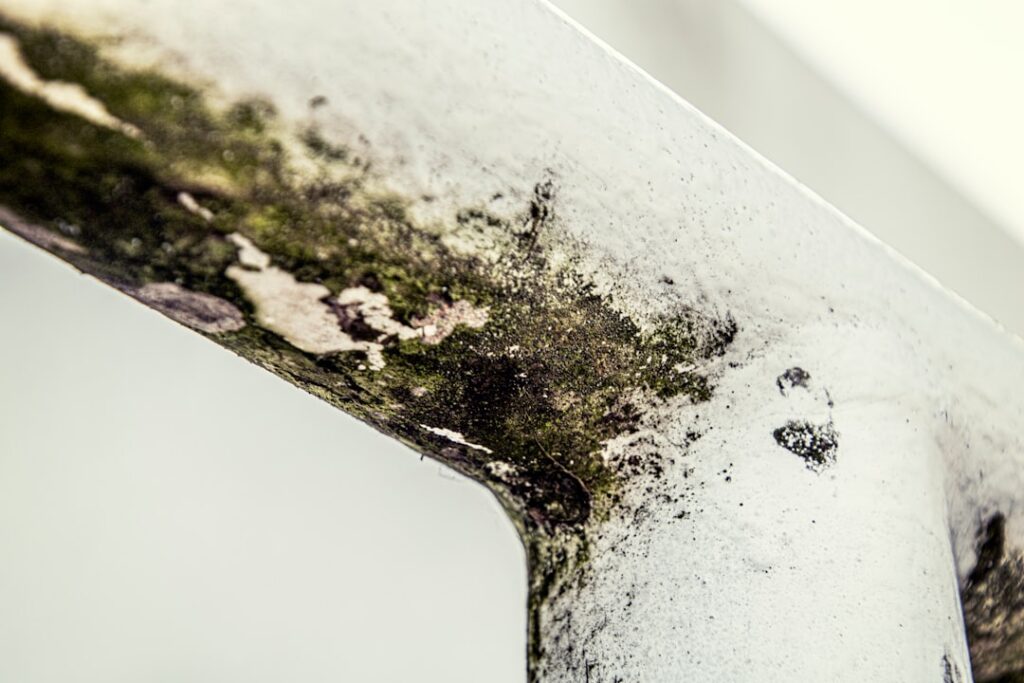
Mildew and black mold get lumped together constantly, but the two behave differently and warrant different responses. One is a surface nuisance you can usually wipe away; the other can penetrate materials and signal a deeper moisture problem. Telling them apart helps you decide whether to grab a spray bottle or call a professional. This guide compares mildew vs black mold across appearance, texture, growth pattern, and risk, then explains when each needs expert attention. It summarizes EPA and CDC guidance current as of 2026; consult your physician for symptoms and a certified professional for testing.
Part of our Black Mold & Your Health guide — start there for the full picture →
Is this mold, asbestos, or water damage? Get a free instant screen
Upload a clear photo of the suspect area. You'll get an instant AI screening opinion and what to do next. This is screening guidance, not a professional determination.
Screening guidance only. AI can be wrong. Confirm asbestos, mold type, or lead with lab testing or a licensed professional before acting.
Mildew vs black mold at a glance
The short version: mildew is a surface fungus that stays flat and is easy to clean, while black mold tends to grow deeper, spread further, and indicate a more serious moisture issue. Both are types of fungi, and both thrive on dampness. Mildew typically appears as a thin, powdery or fluffy patch on surfaces, whereas mold often looks fuzzy, slimy, or raised and can penetrate the material it grows on. The distinction guides how you treat each.
How they look different
Appearance is the first clue, though it is not foolproof. Mildew usually starts white or gray and may turn brown or black as it ages, but it stays flat against the surface. Mold comes in a wider range of colors, including green, black, and other shades, and tends to look three-dimensional, raised, or fuzzy. Black mold specifically often appears dark and slimy when wet. Neither color nor appearance alone confirms a species, so treat these as indicators, not proof.
Texture and growth pattern
Texture separates the two more reliably than color. Mildew is flat and powdery, sitting on top of a surface like a film. Mold is raised and irregular, and on porous materials it sends growth into the material itself. This is why mildew usually wipes off while mold often leaves staining or damage behind. Black mold’s tendency to root into drywall, wood, and other porous surfaces is what makes it harder to remove and more likely to recur.
Where each tends to grow
Both favor damp areas, but their preferred spots differ slightly. Mildew thrives on shower walls, windowsills, fabrics, and other surfaces exposed to humidity. Black mold often appears where materials stay wet for longer, such as around leaks, in basements, on water-damaged drywall, and in crawl spaces. The guide on mildew on walls covers surface treatment, while black mold on walls addresses the deeper problem.
Which one is more serious
Black mold is generally the more serious of the two because it penetrates materials, spreads more aggressively, and often signals a sustained moisture problem. Mildew is mostly a surface and cosmetic issue, though it should still be cleaned. That said, the CDC notes that no mold color reliably identifies a toxic species, so the practical concern with any sizable growth is the same: it points to moisture that needs correcting. Size and persistence matter more than the label.
Health considerations for both
The CDC links both mildew and mold exposure to respiratory irritation, coughing, congestion, and worsened asthma and allergy symptoms, with sensitivity varying by person. Larger mold problems may produce a heavier spore load than a small patch of surface mildew. Neither smell nor appearance diagnoses a health condition. Anyone with symptoms that improve away from home should raise the pattern with a physician rather than self-treating based on what the growth looks like.
How to test which one you have
A simple field test helps. Dab the growth with a little household bleach diluted in water on a cotton swab. If the spot lightens after a minute or two, it is more likely mildew; if it stays dark and the area shows damage, mold is more likely. This test is suggestive, not definitive. For certainty, the pillar hub on mold inspection and testing explains how lab sampling identifies what is actually present.
Cleaning mildew
Mildew is usually straightforward. Scrub it with a household cleaner or a detergent solution, dry the area, and improve ventilation to keep humidity down. Because mildew sits on the surface, cleaning typically removes it fully. Keeping the area dry afterward prevents its return. Most bathroom and windowsill mildew is well within a homeowner’s ability to handle.
Cleaning black mold
Black mold demands more caution. The EPA recommends cleaning hard-surface areas under about ten square feet with detergent and water while wearing an N95 respirator, gloves, and eye protection. Porous materials soaked with mold often need replacing because the growth penetrates too deep to clean. Crucially, the moisture source must be fixed, or the mold returns. Larger or recurring growth is a job for professionals.
Preventing both
Prevention is identical for mildew and mold: control moisture. Run exhaust fans in bathrooms and kitchens, use a dehumidifier in damp areas, fix leaks promptly, and aim to hold indoor humidity below about 50 percent. Improving air circulation and drying wet surfaces quickly denies both fungi the dampness they need. In Colorado’s generally dry climate, targeted humidity control in bathrooms and basements goes a long way.
Are mildew and mold the same thing
Technically, mildew is a type of mold, so the common distinction is more practical than scientific. In everyday use, mildew refers to flat, surface-growing fungi that are easy to clean, while mold refers to the fuzzier, more penetrating growth that signals a deeper moisture problem. Both are fungi, both need dampness, and both should be cleaned. The practical difference, surface versus penetrating, is what determines how much work removal takes and whether a professional is needed.
Why color is a weak identifier
Homeowners often try to judge severity by color, but color is unreliable for both mildew and mold. Mildew shifts from white to gray to brown to black as it ages, and mold appears in nearly every color imaginable. The CDC stresses that no color confirms a toxic species. A black patch is not automatically dangerous, and a light patch is not automatically harmless. Texture, penetration, and the moisture behind the growth tell you far more than color does.
The cost difference between the two
Treating mildew is usually inexpensive, often just the price of a cleaner and some ventilation improvements. Black mold can be far costlier, especially when it has penetrated drywall, spread inside walls, or reached a crawl space, because removal involves tearing out and rebuilding materials plus fixing the moisture source. This cost gap is another reason to identify which you are dealing with before assuming the worst or, conversely, underestimating a real problem.
Common places each shows up
Mildew favors warm, humid surfaces: shower walls, tile grout, windowsills, fabrics, and the corners of poorly ventilated bathrooms. Black mold tends to appear where materials stay wet longer, around plumbing leaks, on water-damaged drywall, in basements, and in crawl spaces. Noticing where the growth has taken hold offers a clue to which you face, since a flat patch on a shower wall behaves very differently from dark growth spreading from a leak.
Preventing both with one strategy
The prevention strategy is identical because both fungi need the same thing: moisture. Run exhaust fans, use a dehumidifier in damp areas, fix leaks quickly, improve air circulation, and keep indoor humidity below about 50 percent. Drying wet surfaces promptly denies both mildew and mold a foothold. A single moisture-control habit protects against the harmless surface nuisance and the more serious penetrating growth at the same time.
The smell test for telling them apart
Odor offers a rough clue, though not a definitive one. Mildew tends to produce a lighter, damp-paper or musty-towel smell, while a heavier, more pungent, soil-like odor often accompanies a larger or more established mold colony. Both smells come from the same family of compounds, so they overlap, and a strong smell reflects the size of the growth more than the species. The smell can hint at which you face, but it cannot confirm it, and neither can color.
When a small patch is actually a bigger problem
A small visible patch can be misleading. Mildew on a surface is usually exactly what it appears to be, but a small spot of mold sometimes marks the edge of a larger colony spreading inside a wall or under flooring. If a patch keeps returning after cleaning, shows damage to the material beneath it, or sits near a known moisture source, it may be penetrating mold rather than surface mildew. Recurrence and material damage are the signals that a seemingly minor patch deserves a closer look.
Choosing the right cleaning approach
Matching the cleaning method to the growth saves effort and avoids spreading spores. For surface mildew, a household cleaner and good ventilation usually finish the job. For mold on a hard surface under about ten square feet, the EPA’s detergent-and-water method with protective gear is appropriate, plus fixing the moisture source. For mold soaked into porous materials, replacement beats scrubbing. Identifying which you have first, by texture, penetration, and persistence, points you to the approach that actually resolves the problem.
How each affects health differently
Both mildew and mold can trigger respiratory symptoms, but the scale of exposure often differs. A small patch of surface mildew on a windowsill presents a smaller spore load than an extensive mold colony spreading through a wall. The CDC links damp, moldy environments broadly to coughing, congestion, and worsened asthma and allergies, with sensitivity varying widely. Neither the label nor the appearance diagnoses a health condition. Anyone with symptoms that ease away from home should consult a physician rather than self-treating.
The moisture story behind both
Strip away the differences and both fungi tell the same story: too much moisture. Mildew flags humidity on a surface; penetrating mold flags moisture that has soaked into a material or signals a leak. This shared root cause is why prevention is identical and why cleaning without addressing moisture fails for both. Reading either as a moisture message, rather than just a stain to scrub, leads to the durable fix of controlling the dampness that allowed the growth.
When to test rather than guess
The home bleach test and a visual check are suggestive, not definitive, and color is no help at all. When the area is significant, when growth keeps returning, when a home sale or dispute hinges on the facts, or when you simply cannot tell what you are dealing with, professional sampling settles the question. Lab analysis identifies the species and, with an outdoor baseline, gauges severity. Testing replaces a guess with evidence, which matters most when the next step is expensive.
When to call a professional
Mildew rarely needs a professional; surface cleaning and better ventilation usually suffice. Black mold is a different matter. Call a certified professional when growth exceeds about ten square feet, when it keeps returning after cleaning, when it has penetrated walls or flooring, when it involves a crawl space or HVAC system, or when household members have respiratory symptoms. When you cannot tell which you are dealing with and the area is significant, an independent inspection settles the question before you spend on the wrong remedy.
References
- About Mold and Your Health — Centers for Disease Control and Prevention
- Mold Cleanup in Your Home — U.S. Environmental Protection Agency
- A Brief Guide to Mold, Moisture and Your Home — U.S. Environmental Protection Agency
- Mold Inspection Guidance — InterNACHI
Frequently asked questions
What is the difference between mildew and black mold?
Mildew is a flat, powdery surface fungus that wipes off easily and is mostly cosmetic. Black mold tends to grow raised and fuzzy, penetrates porous materials, spreads more aggressively, and usually signals a more serious moisture problem.
Is black mold more dangerous than mildew?
Black mold is generally more serious because it penetrates materials and indicates sustained moisture. The CDC notes no color reliably identifies a toxic species, so any sizable growth points to moisture needing correction. Sensitivity to both varies by person.
How can I tell mildew from mold at home?
Dab the spot with diluted bleach on a swab. If it lightens within a minute or two, it is more likely mildew; if it stays dark with visible damage, mold is more likely. This is suggestive only; lab testing confirms the species.
Can I clean black mold myself?
The EPA says you can clean hard-surface areas under about ten square feet with detergent and water using an N95, gloves, and eye protection, and you must fix the moisture source. Soaked porous materials usually need replacing, and large or recurring growth needs a professional.
If you can’t tell whether you’re dealing with harmless mildew or something more serious, Front Range homeowners can get in touch through our contact page for a connection to a vetted inspector who can identify it for certain.