Black Mildew vs Black Mold: A Homeowner ID Guide
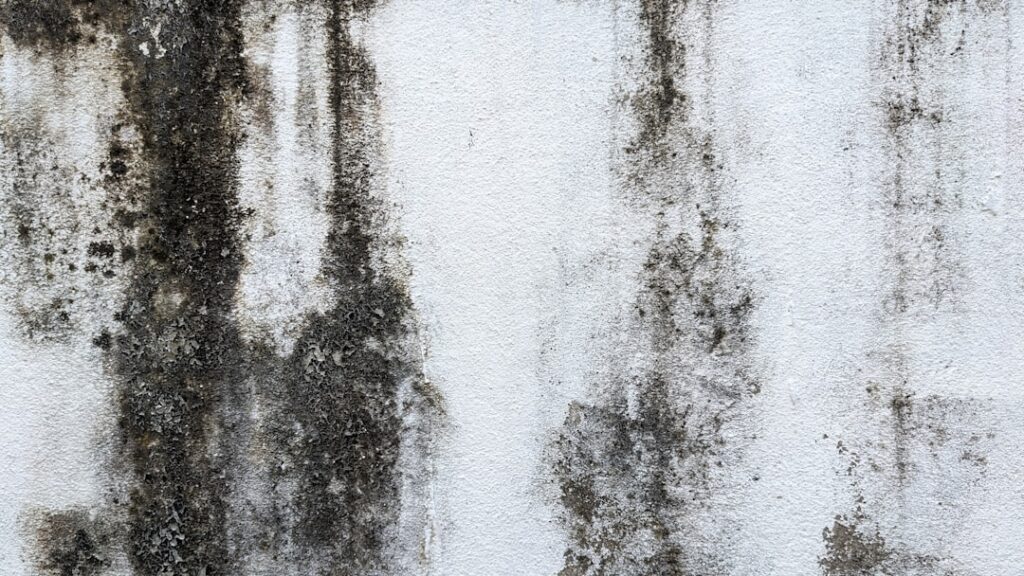
Black mildew and black mold are not synonyms, even though homeowners often use the terms interchangeably. Mildew is a surface-growing fungal layer — usually Cladosporium or related genera — that homeowners can typically clean with appropriate products if the underlying moisture is controlled. Black mold is the popular shorthand for darker, often deeper colonies — frequently Stachybotrys chartarum on chronically wet cellulose materials — that usually require material removal rather than surface cleaning. The distinction matters because it changes the cleanup decision. This guide summarizes EPA, CDC, and NIEHS guidance and is general information for homeowners. It is not medical advice. For symptoms you suspect are mold-related, consult a physician.
Is this mold, asbestos, or water damage? Get a free instant screen
Upload a clear photo of the suspect area. You'll get an instant AI screening opinion and what to do next. This is screening guidance, not a professional determination.
Screening guidance only. AI can be wrong. Confirm asbestos, mold type, or lead with lab testing or a licensed professional before acting.
The Working Definition
“Mildew” is a colloquial term, not a scientific one. In common use, it refers to thin, surface-growing fungal layers on shower tile, grout, caulk, bathroom ceilings, window sills, and other smooth, non-porous or semi-porous surfaces. Many of these surface films are Cladosporium species, which colonize damp surfaces in bathrooms and laundry rooms and produce gray, brown, or black powdery growth. The colony lives on the surface itself rather than embedded in the substrate. Surface cleaners — bathroom-grade products, dilute bleach solutions for non-porous surfaces, oxygen-based cleaners — usually remove visible mildew effectively if the moisture source is controlled afterward.
“Black mold” in popular usage refers to deeper, more invasive colonies on porous, cellulose-rich substrates. Paper-faced drywall, wood framing, cardboard, ceiling tile, and paper-backed insulation are the typical hosts. Stachybotrys chartarum is the species most associated with the term, though several other genera can also present as dark colonies on damp building materials. These colonies are not surface phenomena. The hyphae penetrate the substrate, digest the cellulose, and produce structural and material damage that surface cleaning cannot reach.
Visual and Textural Differences
Mildew typically appears as a thin, powdery or slightly fuzzy film, often dark gray to black, that sits on the surface like a stain. Wipe it with a damp cloth and pigment transfers — the colony is at the surface. Mildew on grout looks like a dark line that follows the joint. Mildew on a shower ceiling looks like a speckled overlay on the paint. Mildew on a window sill looks like a dark blotch that has not soaked into the wood.
Black mold has more depth. The colony may appear slimy and wet, with a velvet or felt-like texture in active growth, or dry and powdery in older or less active stages. Surface staining is often only the visible portion of a colony that extends through the substrate. On paper-faced drywall, the back side of the gypsum board is typically more heavily colonized than the room-facing surface — meaning the visible black patch is the small end of the problem. The identification guide for black mold with white fuzz walks through how a single colony can present multiple colors and textures depending on age and substrate.
Substrate Tells the Story
The cleanup decision often comes down to what the growth is on rather than what it looks like. Mildew on glazed tile, glass, sealed grout, or painted non-porous surfaces is typically a surface phenomenon and is cleanable. Mildew on chronically wet paper-faced drywall, raw wood, or paper-backed insulation is a different matter — those substrates are food sources, and growth on them tends to extend below the surface even if the visible film looks thin. EPA remediation guidance applies a porosity-based decision: non-porous materials with surface contamination can be cleaned; porous materials with embedded growth are generally removed.
For a homeowner trying to decide between cleaning and replacing, the question to ask is: is the surface non-porous (glazed tile, glass, sealed metal, hard plastic), semi-porous (finished wood, sealed concrete, vinyl), or porous (paper-faced drywall, raw wood, carpet, fabric, ceiling tile, insulation)? The porosity drives the protocol more than the color or texture does.
Moisture Source Matters in Both Cases
Mildew and black mold both need moisture. The difference is in the source profile. Mildew flourishes in environments with sustained high humidity but not necessarily standing water — a bathroom that does not ventilate after showers, a basement that runs above 60 percent relative humidity in summer, a laundry room with poor exhaust. Black mold on porous substrates requires more substantial wetting — a leak, a flood, condensation in a wall cavity, chronic seepage. The mildew problem is often solvable with humidity control alone; the black mold problem typically requires both source correction and material work.
EPA recommends keeping indoor humidity below 60 percent and ideally in the 30 to 50 percent range. A hygrometer placed in mildew-prone rooms for a week tells a homeowner whether the bathroom or basement is operating in a mildew-supportive range. The guide to what makes black mold grow ranks substrate-moisture combinations by risk.
Cleaning Mildew Safely
For surface mildew on non-porous bathroom surfaces, the cleaning approach is straightforward. Ventilate the room. Wear gloves and eye protection. Apply a bathroom-grade fungicidal cleaner or, for non-porous surfaces, a dilute bleach solution (CDC notes that bleach can be appropriate for hard, non-porous surfaces but is not effective for porous materials with embedded growth). Allow the cleaner to dwell per label instructions. Scrub if necessary. Rinse. Dry the area. Address the underlying humidity or condensation source so the colony does not return within weeks.
For grout and caulk, mildew may stain the joint material. If the grout is sealed and the staining is on the surface, cleaning may restore the appearance. If the grout is unsealed and the staining has penetrated, regrouting may be needed. Mildewed caulk is typically removed and replaced rather than cleaned in place.
When What Looks Like Mildew Is Actually Black Mold
Several signs suggest that what the homeowner is treating as “just mildew” is actually a deeper black mold problem. The growth returns within weeks of cleaning, no matter how thoroughly the surface is treated. The growth is on a porous substrate (drywall, raw wood, ceiling tile). The wall or substrate behind the visible growth feels soft or shows water staining. A musty odor persists even when the visible growth is cleaned away. Multiple locations in the same room or adjacent rooms show similar staining. The moisture-meter reading on the surface or substrate is elevated. In any of these cases, the protocol shifts from surface cleaning to material removal under EPA-aligned remediation procedures. The black mold signs identification guide shows what the deeper problem looks like.
When to Call a Professional
Several conditions push a project from homeowner-cleanable mildew to professional remediation. Growth area larger than about 10 square feet (EPA’s homeowner self-remediation threshold). Hidden moisture source. Multiple rooms involved. HVAC contamination suspected. Susceptible occupants in the household. Prior cleaning has failed and growth has returned. Insurance documentation is needed for a claim. For these cases, a mold inspector produces an independent scope and a remediation contractor executes it. Our mold inspection and testing pillar for homeowners walks through the inspector-to-contractor handoff.
Front Range Bathrooms and Mildew
For Colorado Front Range homes, mildew is most common in bathrooms with inadequate exhaust ventilation, in basements with seasonal humidity above the EPA-recommended range, and in laundry rooms with dryer-vent or wash-machine moisture issues. The dry winter climate keeps mildew pressure low for much of the year, but summer humidity and modern tight-envelope construction can push interior bathrooms and basements into mildew-supportive ranges. Upgrading bath fans, adding a basement dehumidifier when summer humidity exceeds 60 percent, and ensuring the dryer vent terminates properly outside the building envelope address the most common Front Range mildew sources.
Document Before Cleaning
If there is any question about whether a finding is surface mildew or deeper black mold, photograph the growth before any cleaning is attempted. Insurance claims, real estate disclosures, and remediation contractor scoping all benefit from a clear “before” record. Photographing the substrate context — the wall, the surrounding area, any visible water damage — supports the case better than close-up shots of the colony alone. The black mold damage walkthrough covers the documentation sequence in detail.
The Cleanup Decision in One Sentence
If the growth is on a non-porous surface, the moisture source is controllable, and surface cleaning addresses it without return, the finding is consistent with mildew and the homeowner can typically handle it. If the growth is on a porous substrate, the moisture source is not obvious, multiple rooms are involved, or the colony returns after cleaning, the finding is consistent with black mold and EPA-aligned remediation protocols apply. The visual and textural cues help, but the porosity of the substrate and the persistence of the moisture source are the more reliable distinguishers.
References
- A Brief Guide to Mold, Moisture, and Your Home — U.S. Environmental Protection Agency
- About Mold — Centers for Disease Control and Prevention
- Mold Health Information — National Institute of Environmental Health Sciences
- Mold Remediation in Schools and Commercial Buildings — U.S. Environmental Protection Agency
If you have cleaned what looked like mildew and it keeps coming back, a Front Range inspector can determine whether the underlying problem is a deeper colony or hidden moisture — contact us to schedule an assessment.